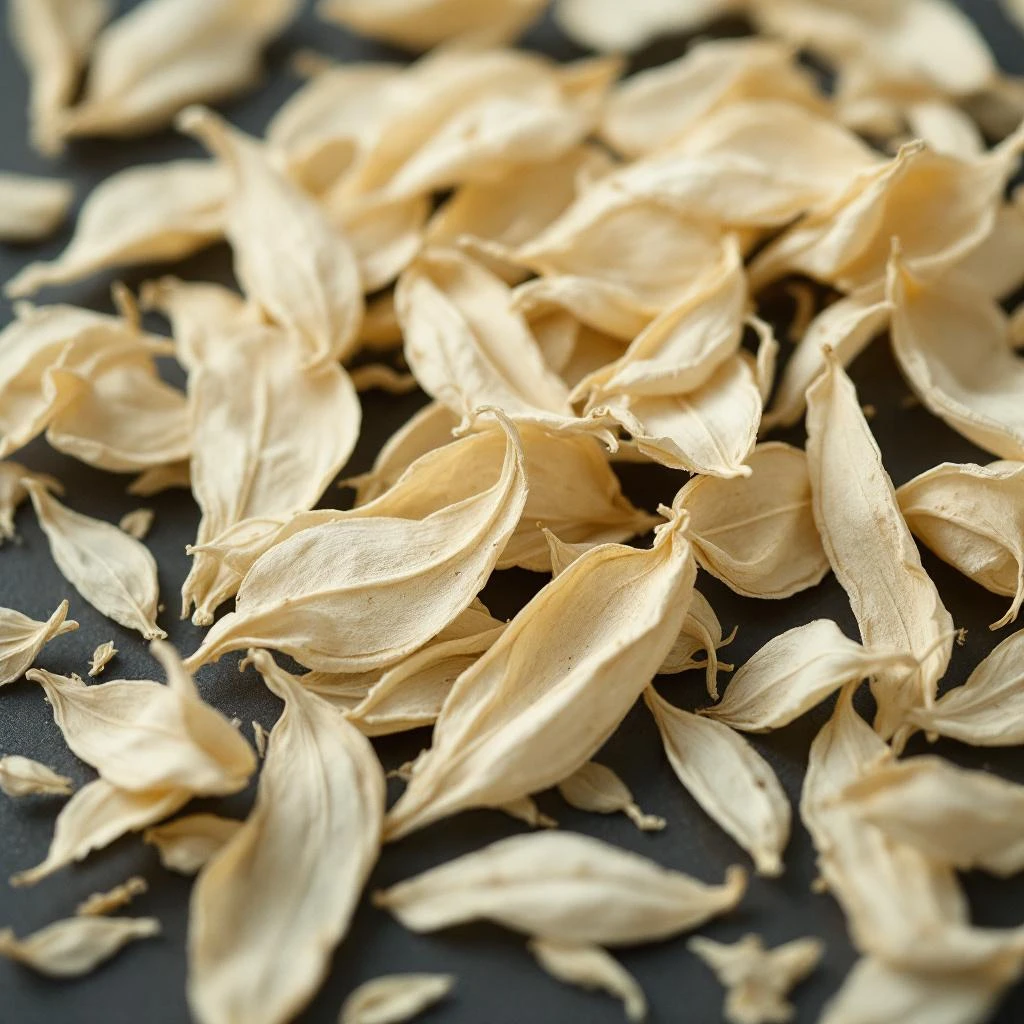
Santamanol
A modern synthetic sandalwood molecule that captures the creamy, woody warmth of precious sandalwood heartwood at molecular precision. Perfumers rely on Santamanol when natural supply falls short, delivering consistent, durable woody depth to fine fragrance compositions.
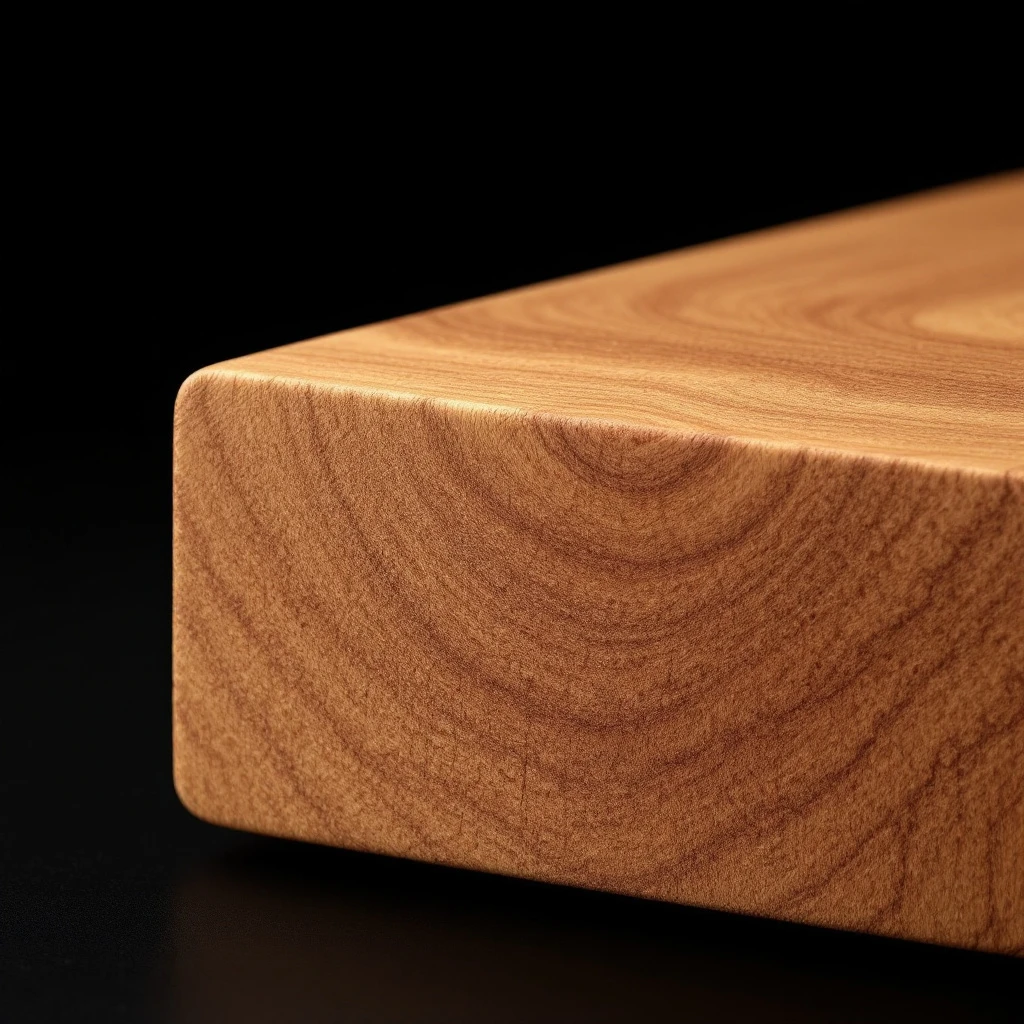
Character
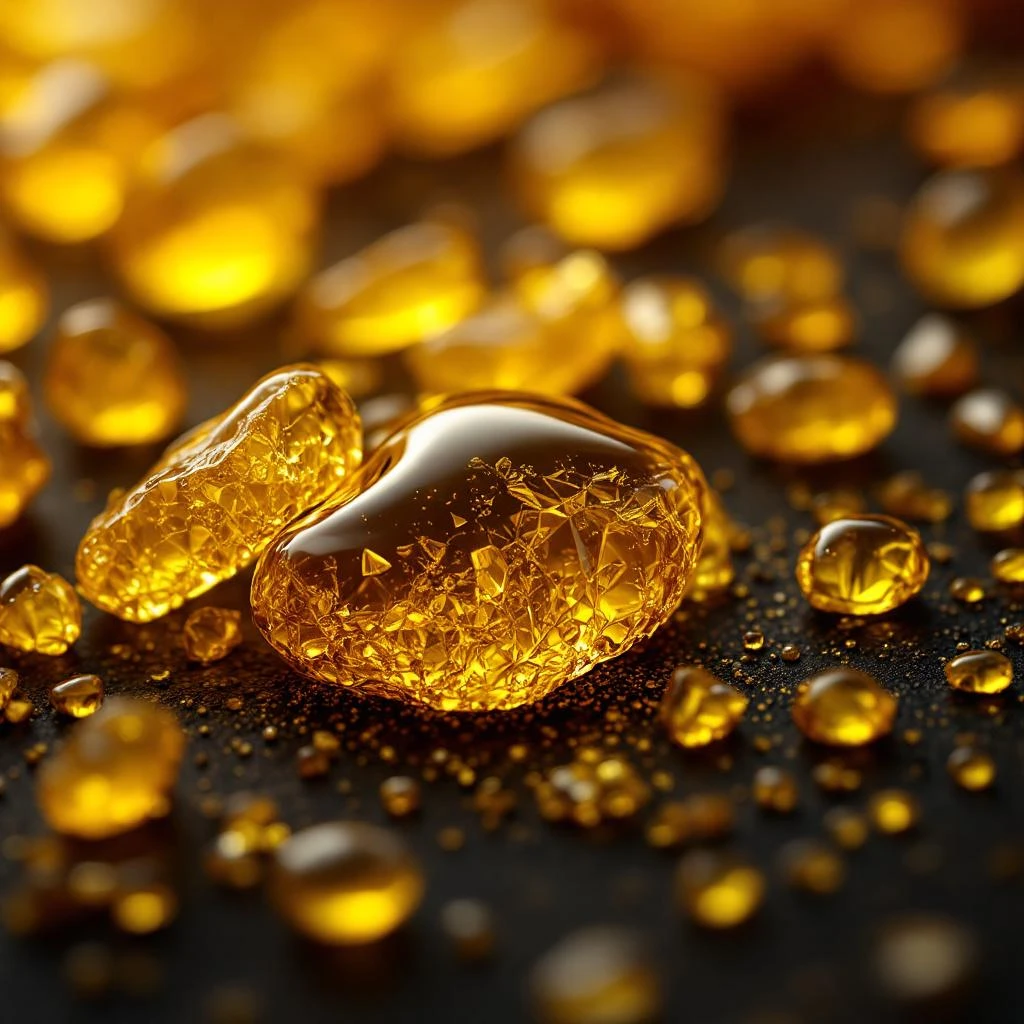
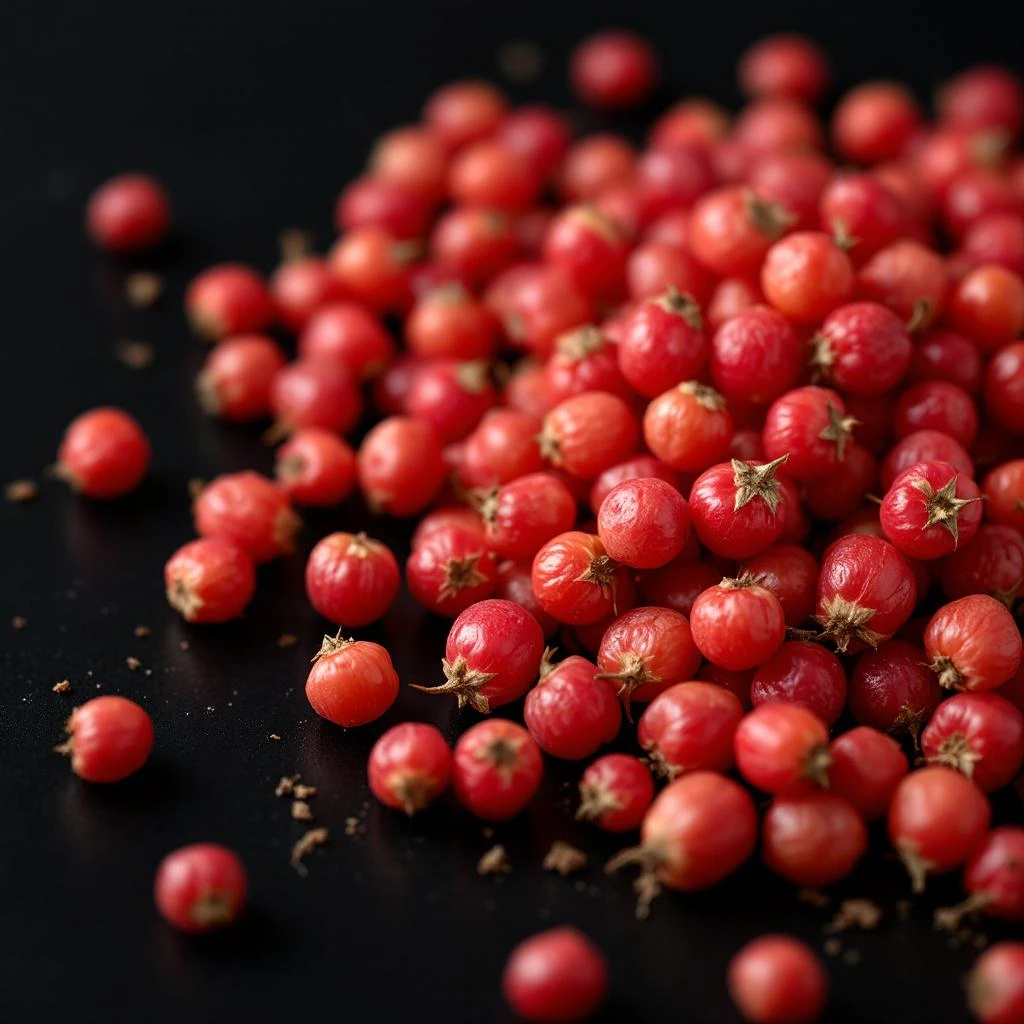
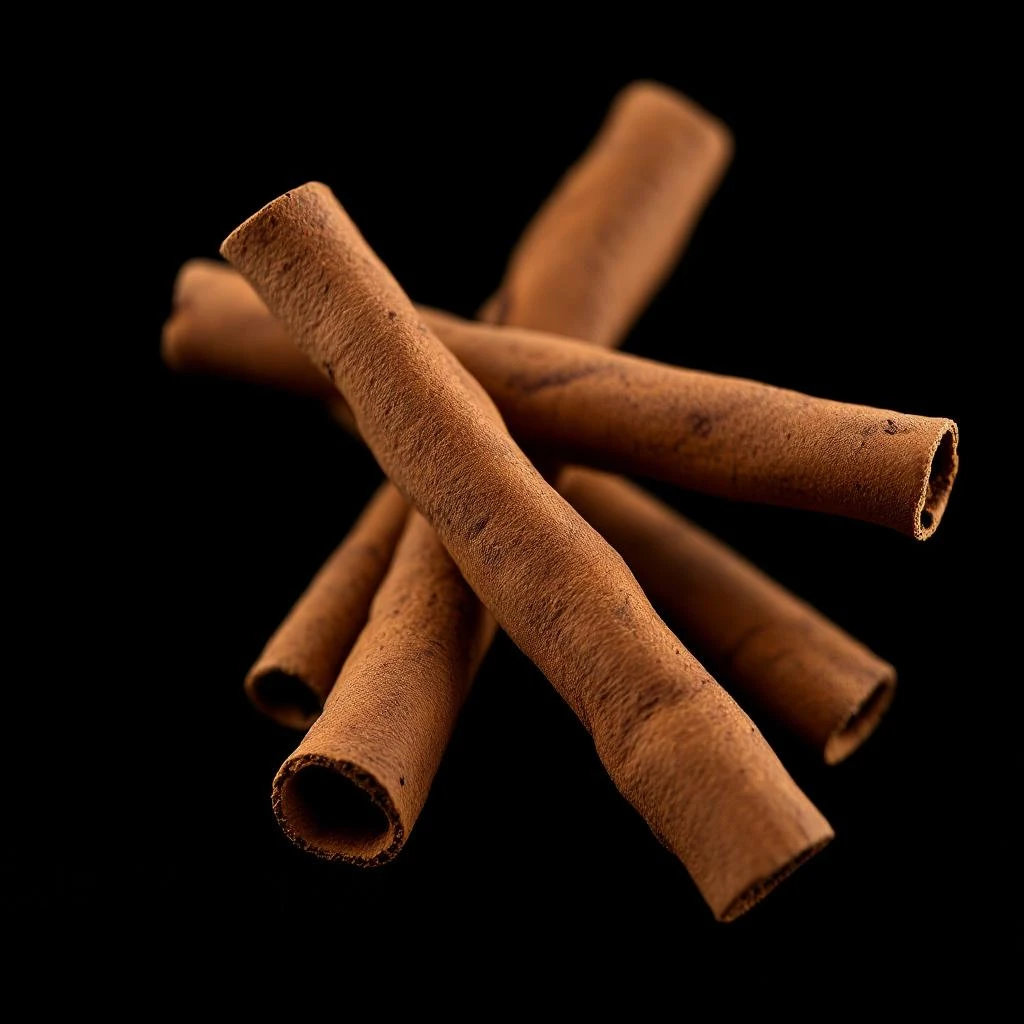
How it smells
Synthetic sandalwood that holds its own.
Santamanol's cyclohexanol structure delivers sandalwood character without the heartwood harvest, making it one of the earliest successful sustainable fragrance alternatives.




Origin
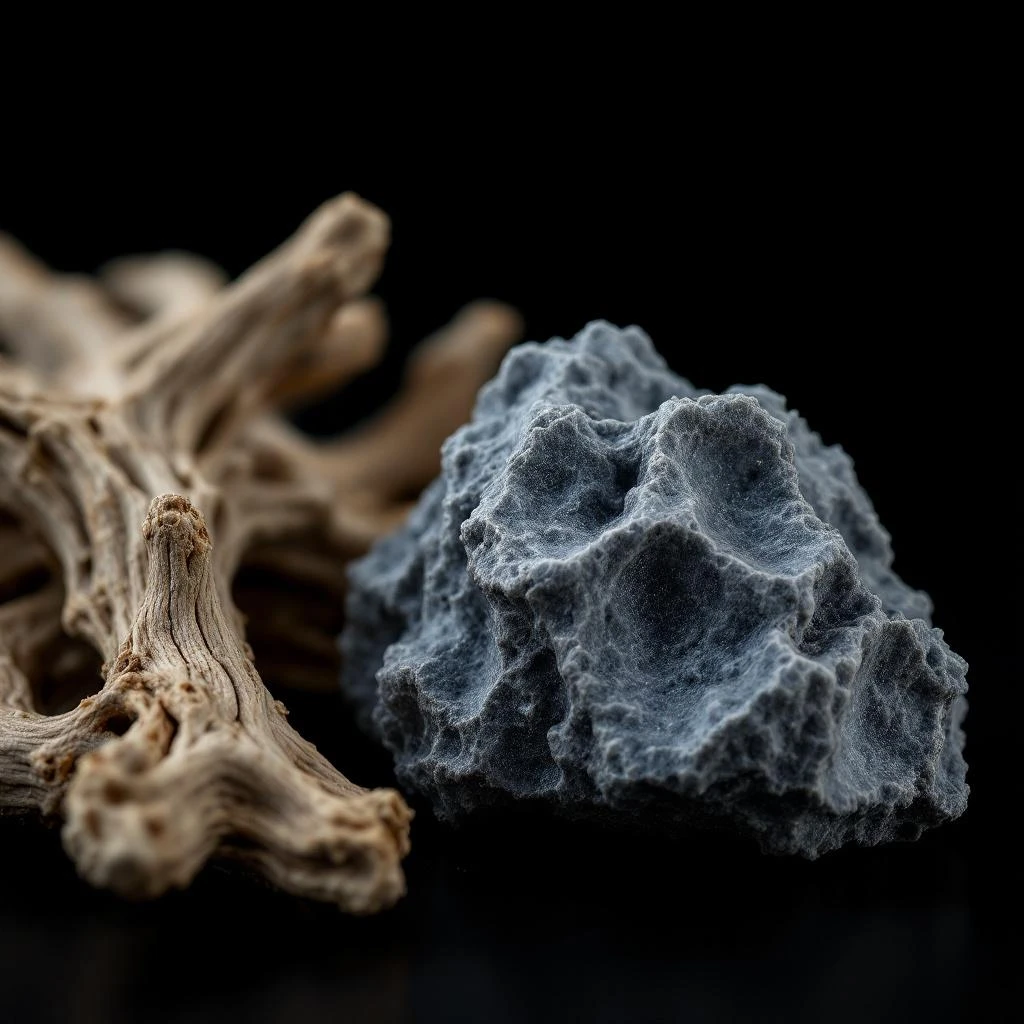
Germany
The rise of Santamanol traces directly to the 20th-century perfume industry's struggle with sandalwood scarcity. By the mid-1900s, overharvesting had pushed Indian and Hawaiian sandalwood species toward endangerment, forcing fragrance houses to seek alternatives. Chemists identified key scent-active constituents in natural sandalwood, particularly the sesquiterpenes, and began engineering molecules that echoed these profiles.
Santamanol emerged from this effort as a reliable synthetic sandalwood type, giving perfumers a tool that honors sandalwood's olfactory identity while reducing pressure on wild populations. Today it stands as a case study in how the fragrance industry balances tradition with ecological responsibility.
Wears it best
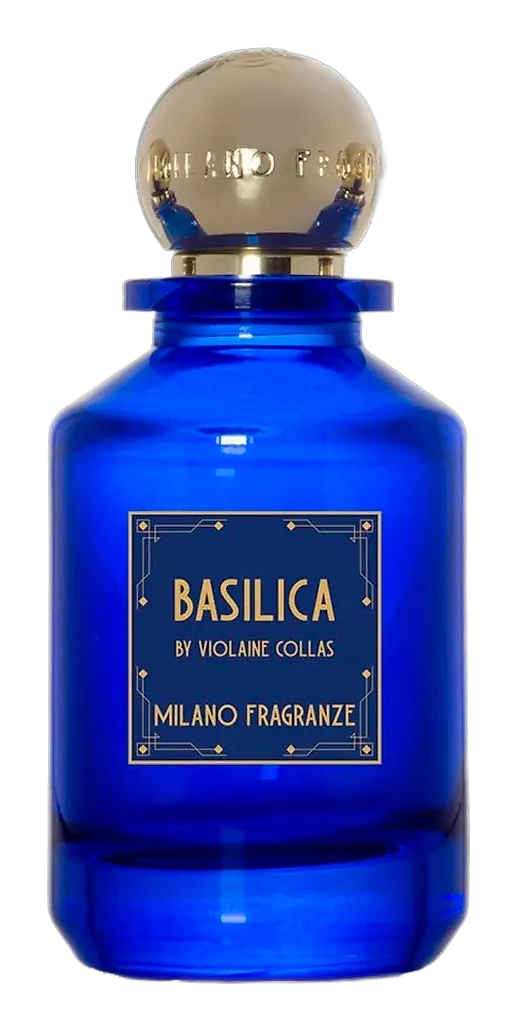
Fragrances featuring Santamanol
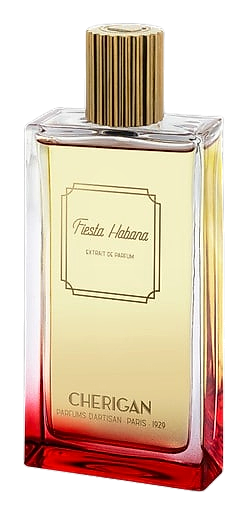

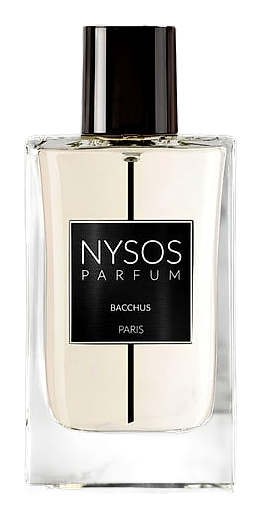
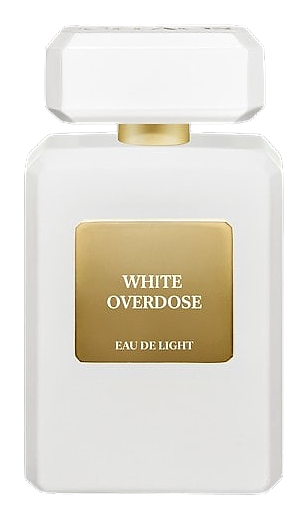
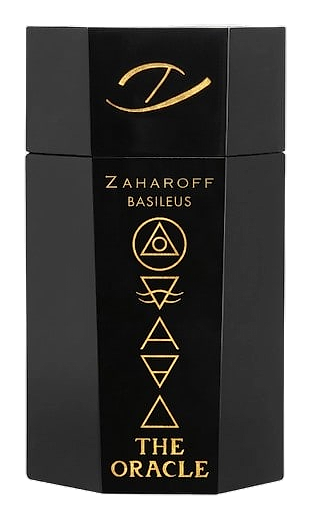
Brands
Brands known for Santamanol
Good to know
Questions, answered
The essentials on Santamanol in perfumery: how it smells, where it comes from, and how it behaves on skin.
What is Santamanol?
Santamanol is a synthetic sandalwood-type aroma chemical. It replicates the creamy, woody warmth of natural sandalwood heartwood through precise organic synthesis.
How is Santamanol produced?
Manufacturers produce Santamanol via controlled organic synthesis, reducing cyclohexanone derivatives to their cyclohexanol forms to form the characteristic sandalwood-active structure.
What does Santamanol smell like?
It delivers a smooth, creamy woody scent with sandalwood character. The aroma is warm, slightly milky, and persistent, closely mirroring the heartwood note of natural Santalum species.
Why do perfumers choose Santamanol over natural sandalwood?
Natural sandalwood oil commands high prices and faces supply restrictions. Santamanol provides consistent quality, predictable performance, and a more sustainable sourcing profile for fragrance houses.
What fragrance families use Santamanol?
Perfumers incorporate Santamanol into woody, oriental, and chypre compositions. It also appears in modern fougère and amber constructions where durable woody depth is needed.
Is Santamanol considered natural or synthetic?
Santamanol is fully synthetic. It does not derive from the Santalum tree and is created through chemical synthesis in a laboratory setting.
How does Santamanol compare to natural sandalwood oil?
Natural sandalwood oil contains hundreds of compounds including α-santalol and β-santalol. Santamanol approximates this profile with a single defined molecule, offering consistency at a lower cost and with greater supply stability.
Does Santamanol appear on ingredient labels?
Yes. INCI standards list it as Santamanol or its chemical designation. Check the ingredients list for this name when assessing a fragrance's sandalwood content.