Sandstone
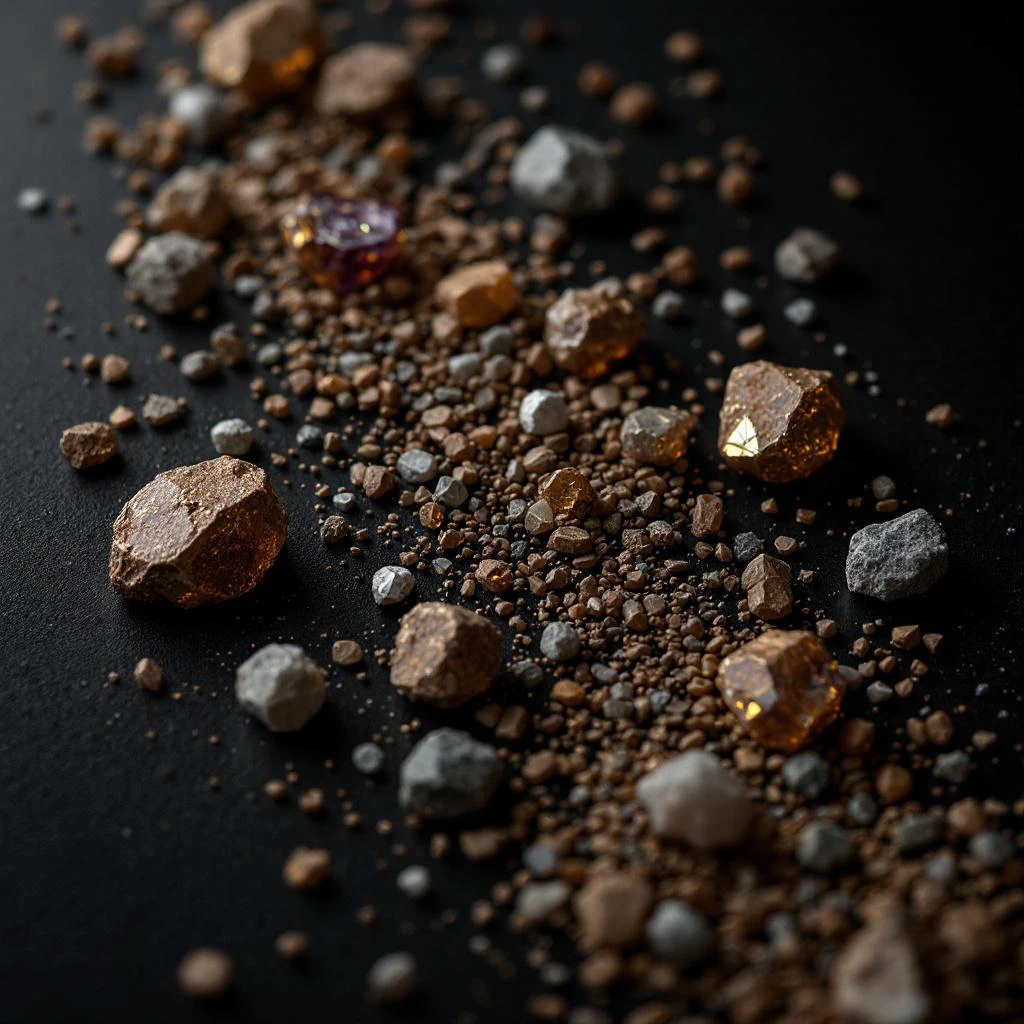
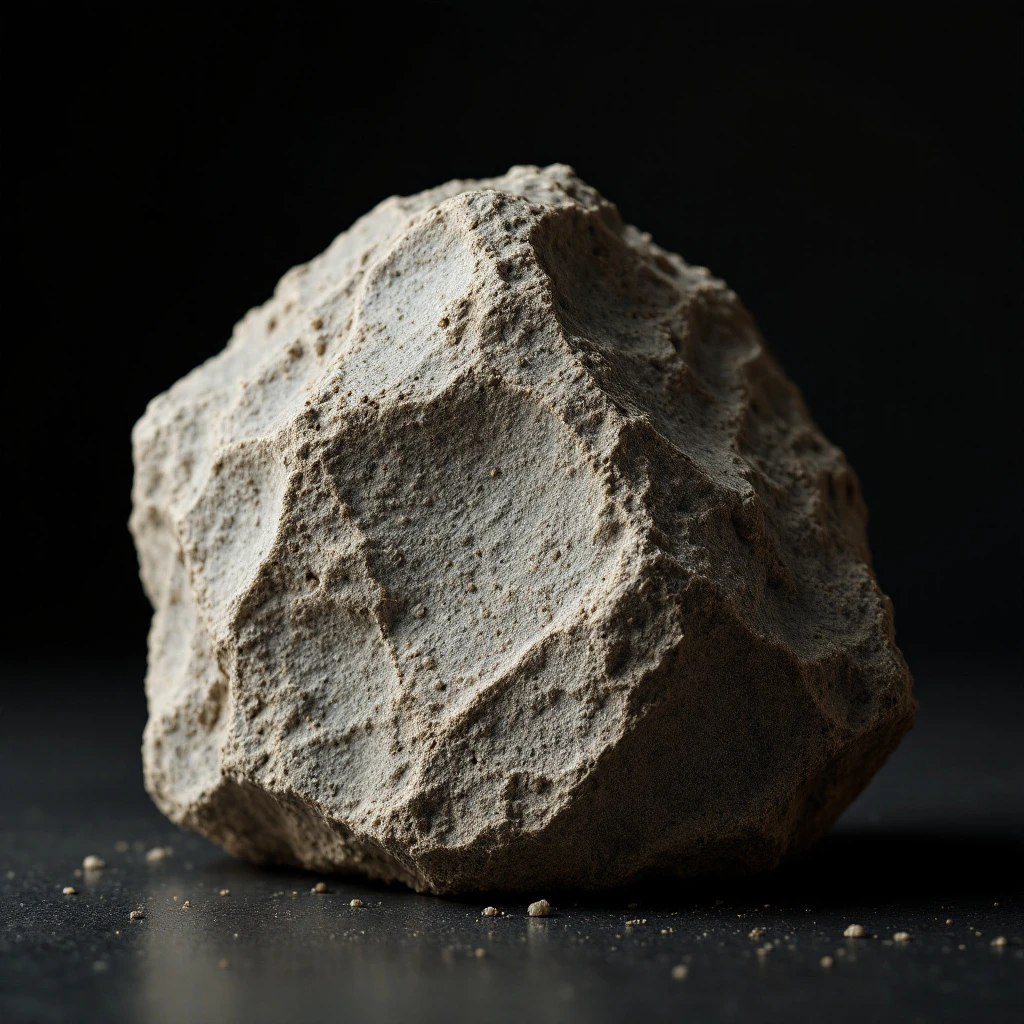
Sandstone brings a warm, mineral character to modern perfumery. This unconventional note evokes dry stone, sun-baked earth, and the subtle dustiness of desert cliffs, adding geological texture to fine fragrances.
Character
How it smells
Warm mineral accord from ancient stone
Sandstone is not a traditional perfumery material but a modern reconstructed accord, typically built from synthetic molecules like Geosmin and Isobutyl quinoline.
Pairs beautifully with
Origin
France
Geological and mineral notes like sandstone entered mainstream perfumery only after the synthetic chemistry revolution of the late 19th and early 20th centuries, when chemists began isolating novel aroma molecules from coal tar derivatives. The earliest mineral-leaning accords appeared in avant-garde European compositions of the 1990s, when perfumers started exploring non-botanical territories. Thierry Wasser and other contemporary noses popularized dry, stony facets in their work, drawing inspiration from landscapes rather than gardens.
By the 2010s, sandstone-style notes had migrated from niche houses into broader fragrance catalogs, reflecting consumer appetite for unconventional textures. The accord also draws on ancient associations between stone and permanence. In Mesopotamian and Egyptian rituals, crushed minerals and resins were burned together, creating scents that bridged organic and inorganic worlds.
Modern sandstone accords echo that ancient instinct to capture something elemental, though through chemistry rather than ceremony. Today, the note signals a shift away from purely floral or woody traditions toward a more abstract, place-driven perfumery.
Wears it best
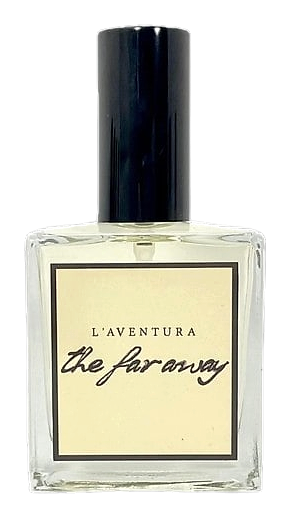
Fragrances featuring Sandstone
Brands
Brands known for Sandstone
Good to know
Questions, answered
The essentials on Sandstone in perfumery: how it smells, where it comes from, and how it behaves on skin.
What does sandstone smell like in perfume?
Sandstone accord smells warm, dry, and mineral, with dusty earth tones and faint petrichor accents. It typically reads as sun-baked stone rather than anything floral or sweet, lending compositions a grounded texture.
Is sandstone a natural fragrance ingredient?
No. Sandstone is not a natural extract. It is a modern reconstructed accord, blended by perfumers from synthetic aroma chemicals that together evoke the scent of dry stone and arid landscapes.
Which molecules create the sandstone effect?
Geosmin provides earthy, rain-on-stone character. Isobutyl quinoline adds dry warmth. Some formulas include Cashmeran for softness or trace oxidized terpenes for dustiness, layered to mimic weathered rock.
When did mineral notes appear in perfumery?
Mineral-inspired accords entered mainstream fragrance in the 1990s, gaining wider traction during the 2010s as niche houses explored abstract, place-driven compositions beyond traditional botanicals.
Can sandstone notes cause allergies?
Sandstone accords carry the same sensitization risk as any synthetic fragrance material. Isobutyl quinoline is a known contact allergen in concentrated form, though finished perfumes use it at safe dilutions.
Why do perfumers use mineral accords?
Perfumers use mineral accords like sandstone to add dry texture, contrast sweet florals, and evoke specific landscapes. The note gives compositions an earthy counterweight that botanicals alone cannot provide.
Is sandstone related to actual quarried stone?
No sandstone fragrance is produced by crushing or distilling real stone. The name refers purely to the olfactory impression. Production is entirely synthetic, relying on laboratory-synthesized aroma molecules.
What fragrance families feature sandstone notes?
Sandstone appears most often in woody, amber, and aromatic compositions, particularly those leaning unisex. It also shows up in experimental niche fragrances seeking abstract, geological character.