Sedge
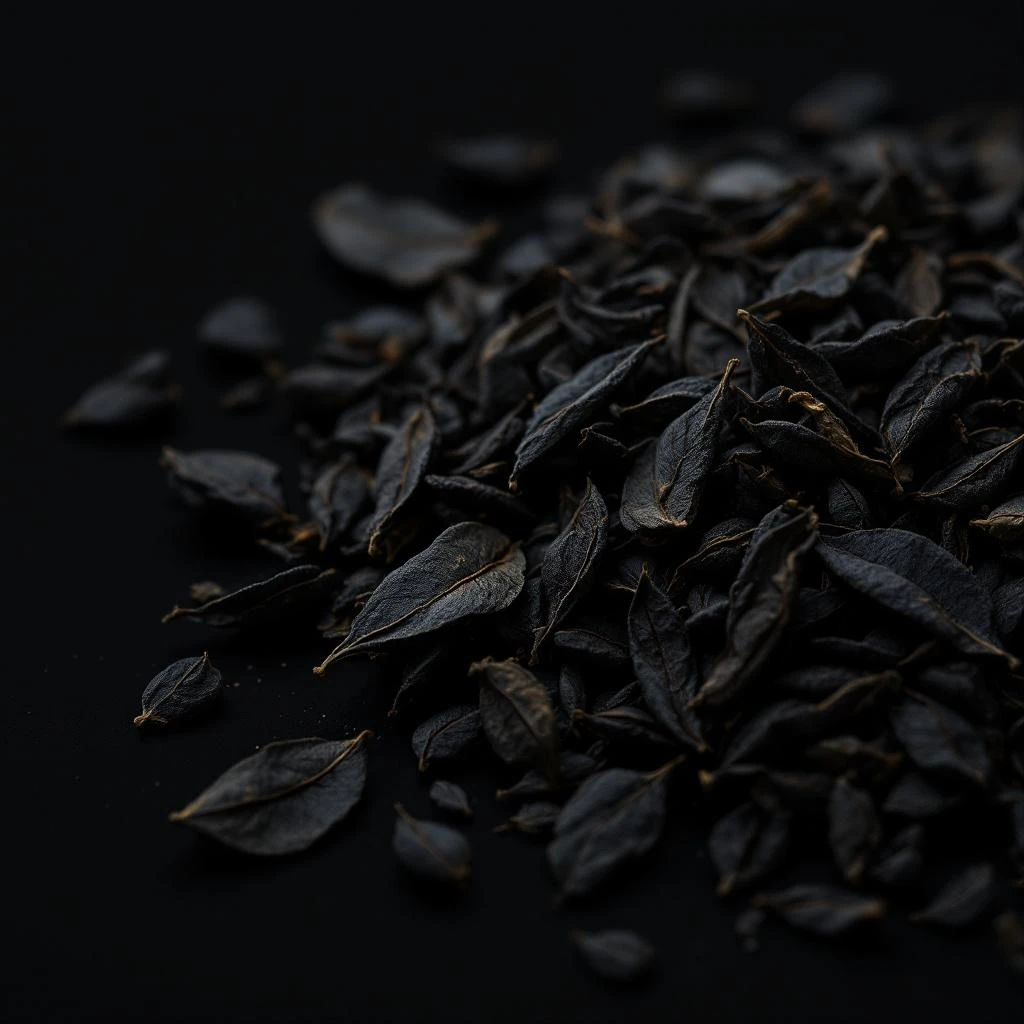
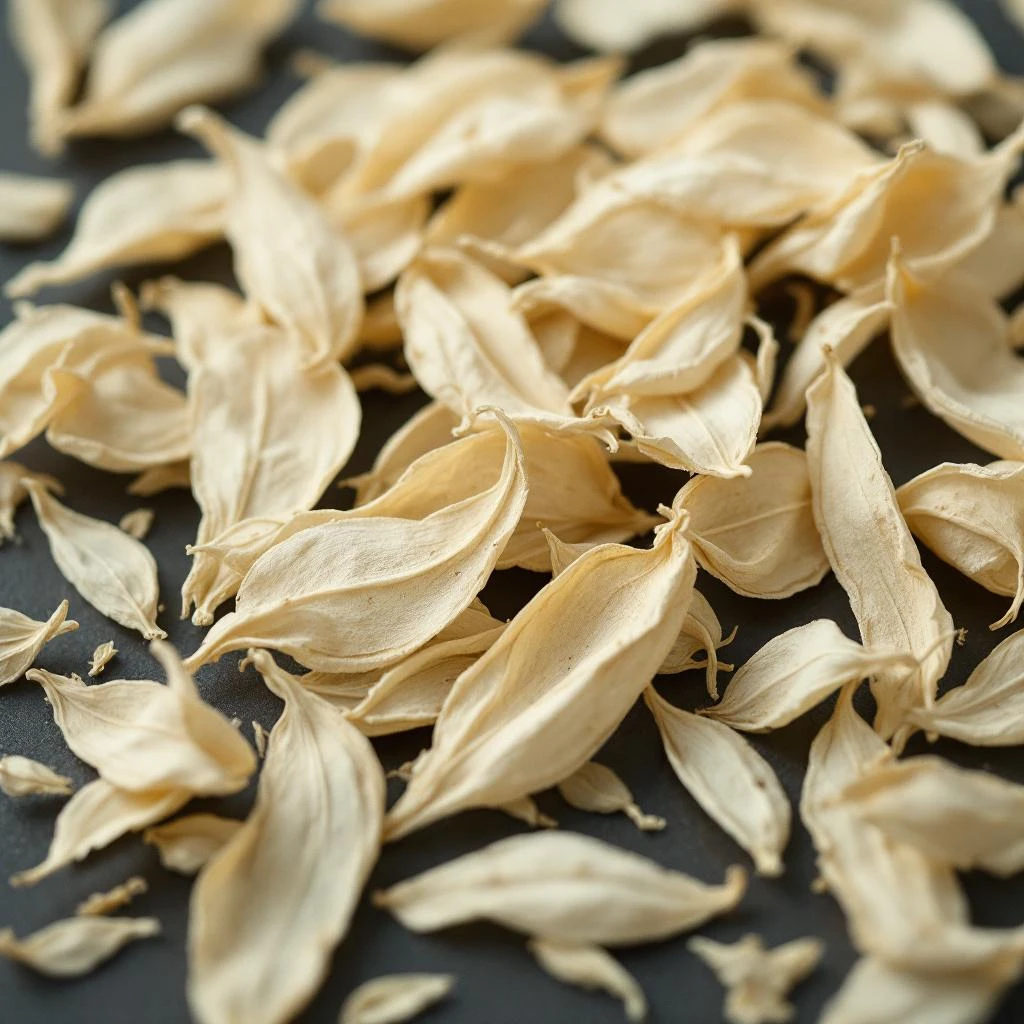
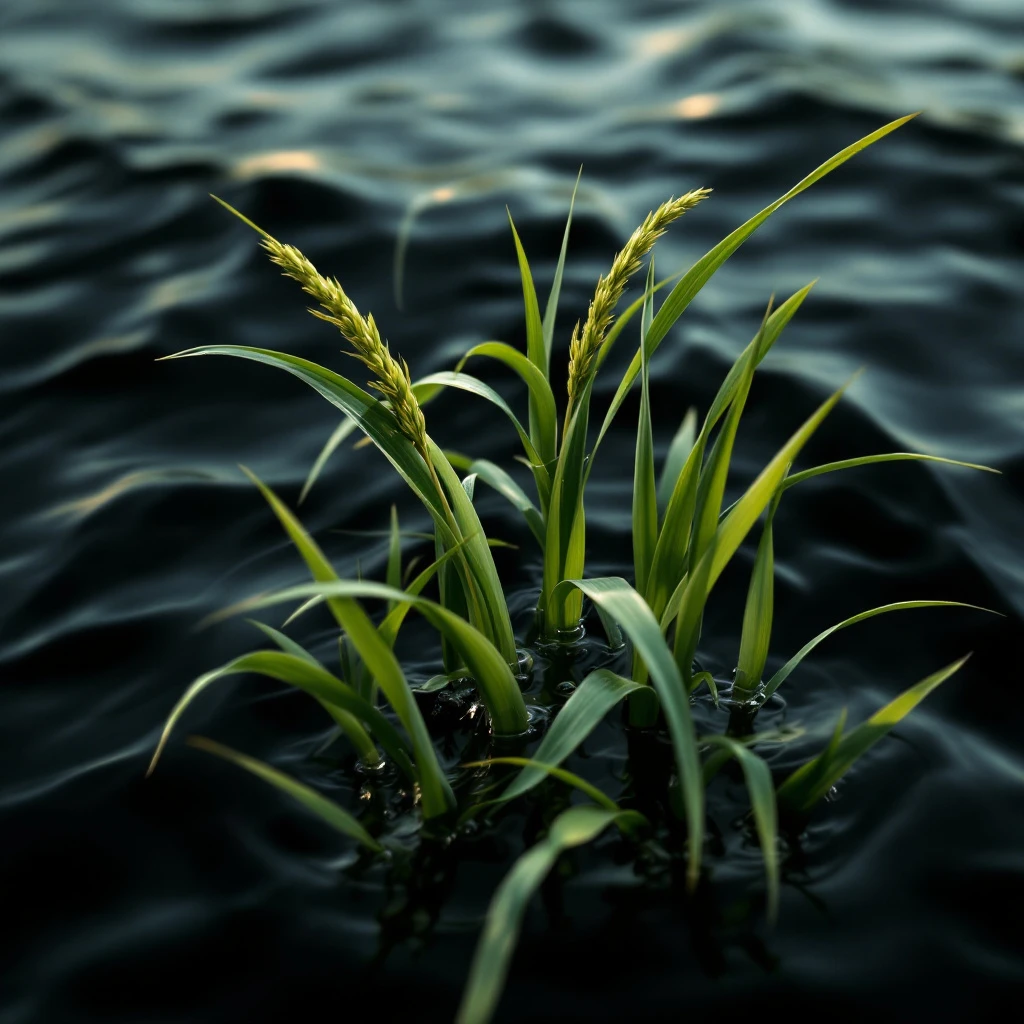
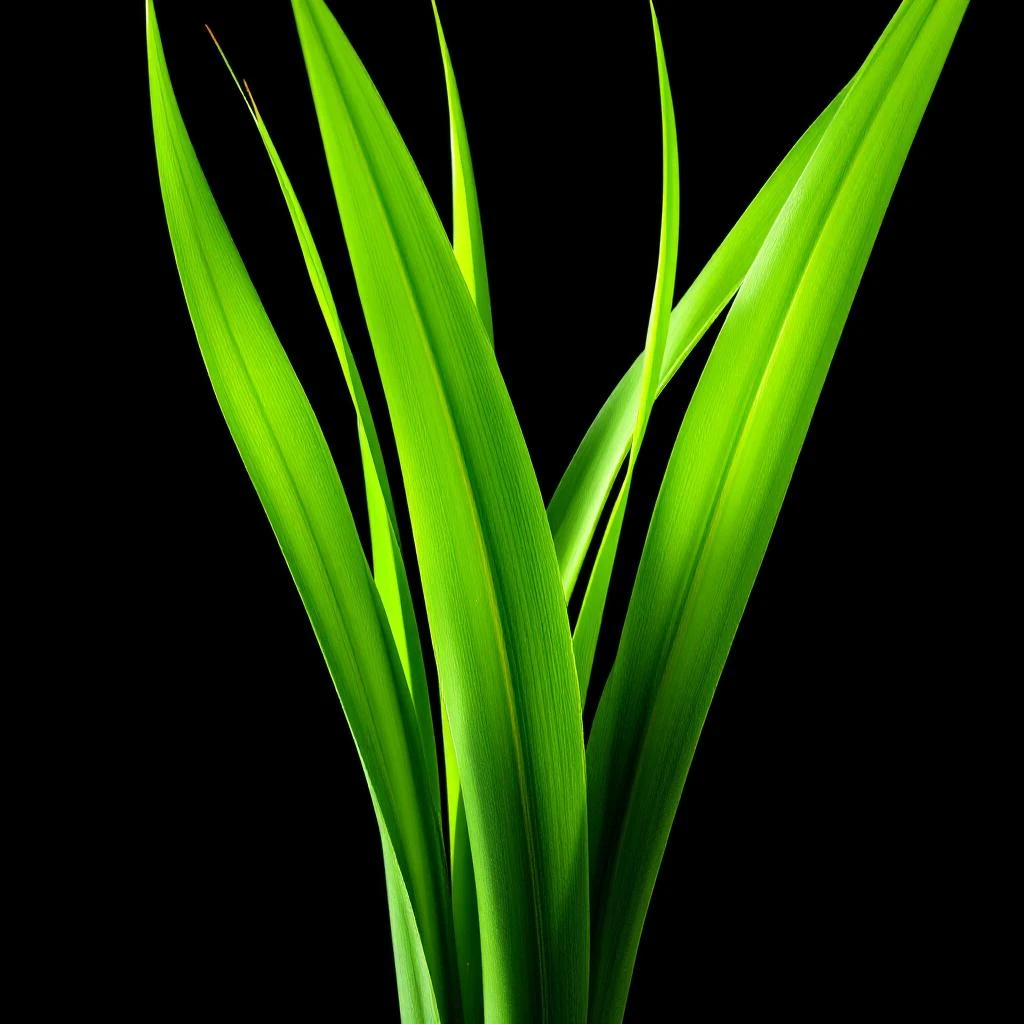
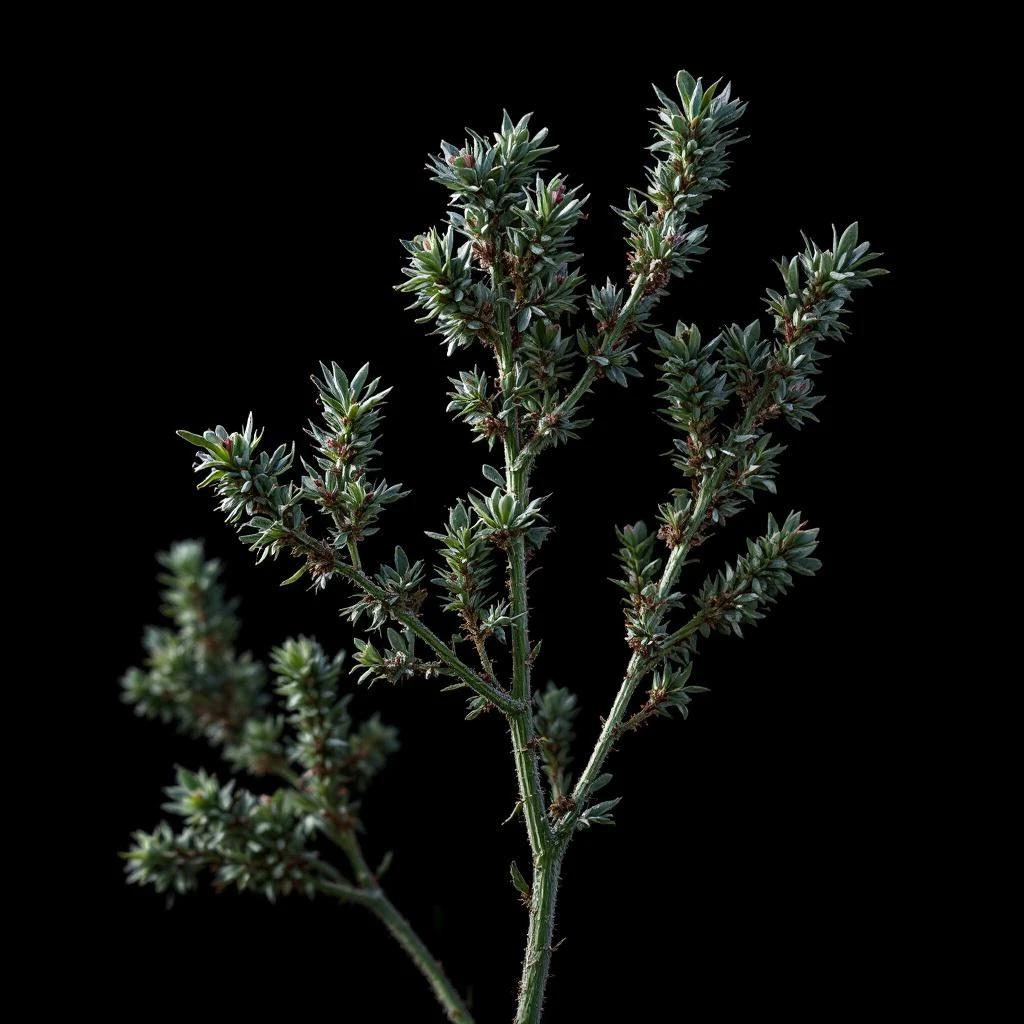
Sedge brings a wild, grassy whisper to perfumery, sourced from the rhizomes of Cyperus species. Its warm, woody-vegetal scent adds earthy depth and an unexpected green nuance to refined compositions.
Character
How it smells
Earth-rooted grass with quiet depth
Sedge roots were woven into ancient Egyptian papyrus paper, making this perfumery ingredient literally part of one of history's most famous writing surfaces.
Pairs beautifully with
Origin
India
Sedge, particularly Cyperus rotundus, carries one of the deepest histories in the botanical world. Ancient Egyptians cultivated it along the Nile, where its rhizomes were used in perfumed oils, medicines, and sacred unguents. Archaeological evidence from tombs dating back over 4,000 years shows sedge among the aromatic materials buried with the deceased.
The plant also played a critical role in Egyptian papyrus production, as its stems were bound with sedge rhizome fibers. In Ayurvedic medicine, sedge root was valued as a digestive and calming agent, with references in the Charaka Samhita. During the medieval Islamic Golden Age, perfumers in Arabia and Persia documented its use in incense blends and attars.
European perfumers encountered sedge through trade routes in the 18th century, incorporating it into fougère-style compositions. Today, it remains a niche but respected ingredient, appreciated by perfumers seeking unusual green-woody dimensions.
Wears it best
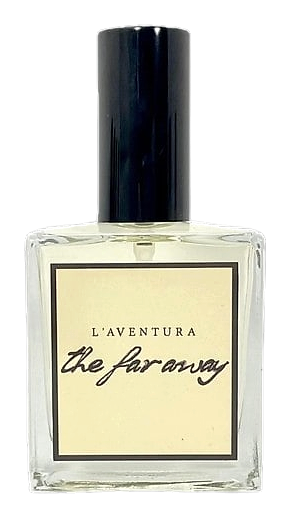
Fragrances featuring Sedge
Brands
Brands known for Sedge
Good to know
Questions, answered
The essentials on Sedge in perfumery: how it smells, where it comes from, and how it behaves on skin.
What does sedge smell like in perfume?
Sedge oil smells warm, woody, and grassy with subtle spicy undertones. It contributes an earthy-green quality that grounds compositions, similar to vetiver but drier and more root-like.
Is sedge the same as Cyperus rotundus?
Cyperus rotundus is the most commonly used sedge species in perfumery. However, other Cyperus species like Cyperus scariosus also produce aromatic oils used in fragrance applications.
Why is sedge used in perfumery?
Sedge adds woody-vegetal depth and a natural green nuance that many synthetic ingredients struggle to replicate. Its earthy character makes it useful in masculine and unisex fragrance structures.
How is sedge essential oil extracted?
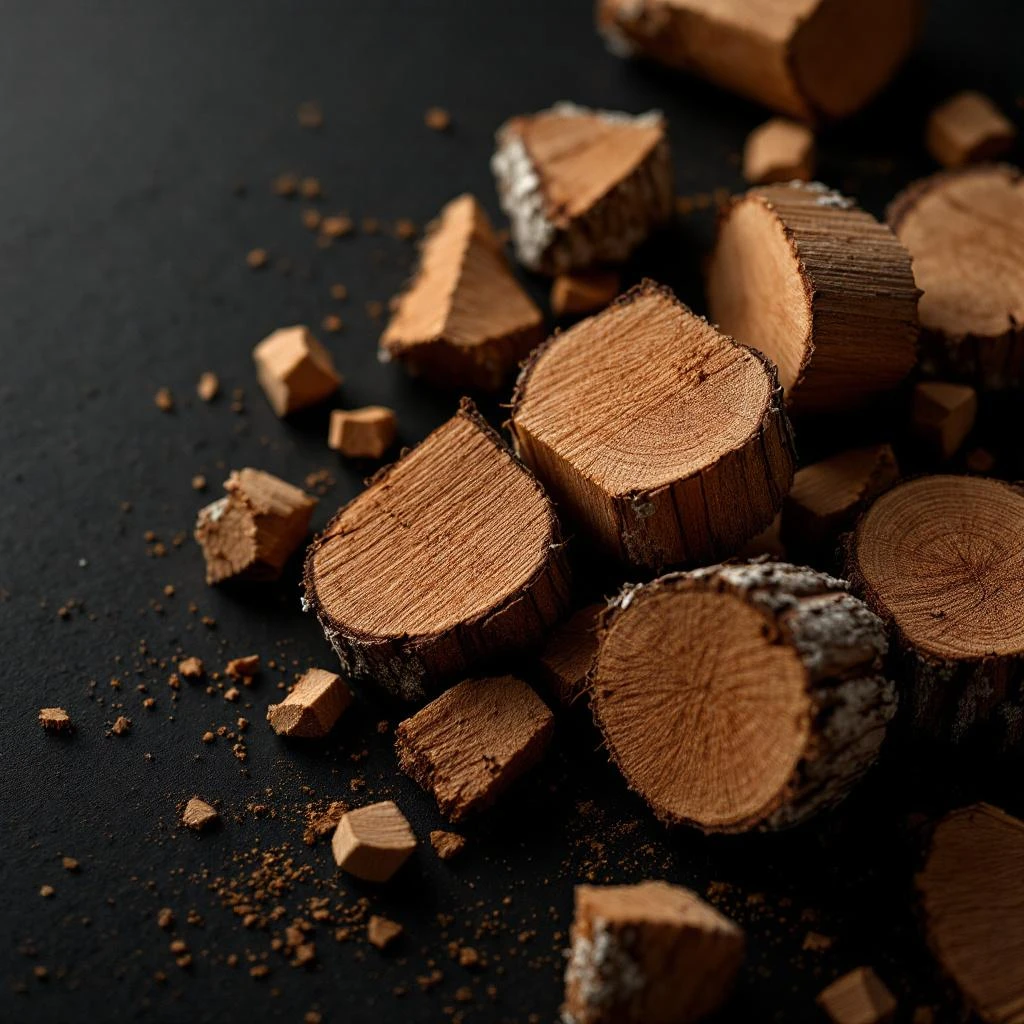
Producers steam-distill dried sedge rhizomes for several hours to release volatile oils. The dense root structure requires extended steam contact, and yields are modest relative to raw material input.
Where does sedge for perfume come from?
India is the primary commercial source, with significant cultivation in states like Tamil Nadu and Karnataka. China and parts of Southeast Asia also produce sedge oil at smaller scales.
Does sedge have historical significance beyond perfumery?
Yes. Ancient Egyptians cultivated sedge rhizomes over 4,000 years ago, using them in sacred oils and even in papyrus paper production. It appears in Ayurvedic medical texts dating back millennia.
Is sedge oil expensive compared to common perfume ingredients?
Sedge oil costs more than mainstream citrus or lavender oils due to low extraction yields and labor-intensive rhizome processing. However, it remains more affordable than rare absolutes like rose or jasmine.
Can sedge be used in natural perfumery?
Absolutely. Steam-distilled sedge oil qualifies as a natural fragrance ingredient and fits well in botanical, Ayurvedic-inspired, and traditional fougère compositions.