Sandela
Sandela is a synthetic sandalwood aroma chemical that captures the creamy, woody warmth of natural Mysore sandalwood at a fraction of the cost. Developed by Givaudan, it delivers that coveted creamy sandalwood character with excellent substantivity, making it a staple in modern perfumery.

Character
How it smells
Clean, creamy sandalwood crafted from chemistry.
Sandela was developed specifically to address the scarcity and sustainability concerns surrounding natural Indian sandalwood.




Origin
Switzerland
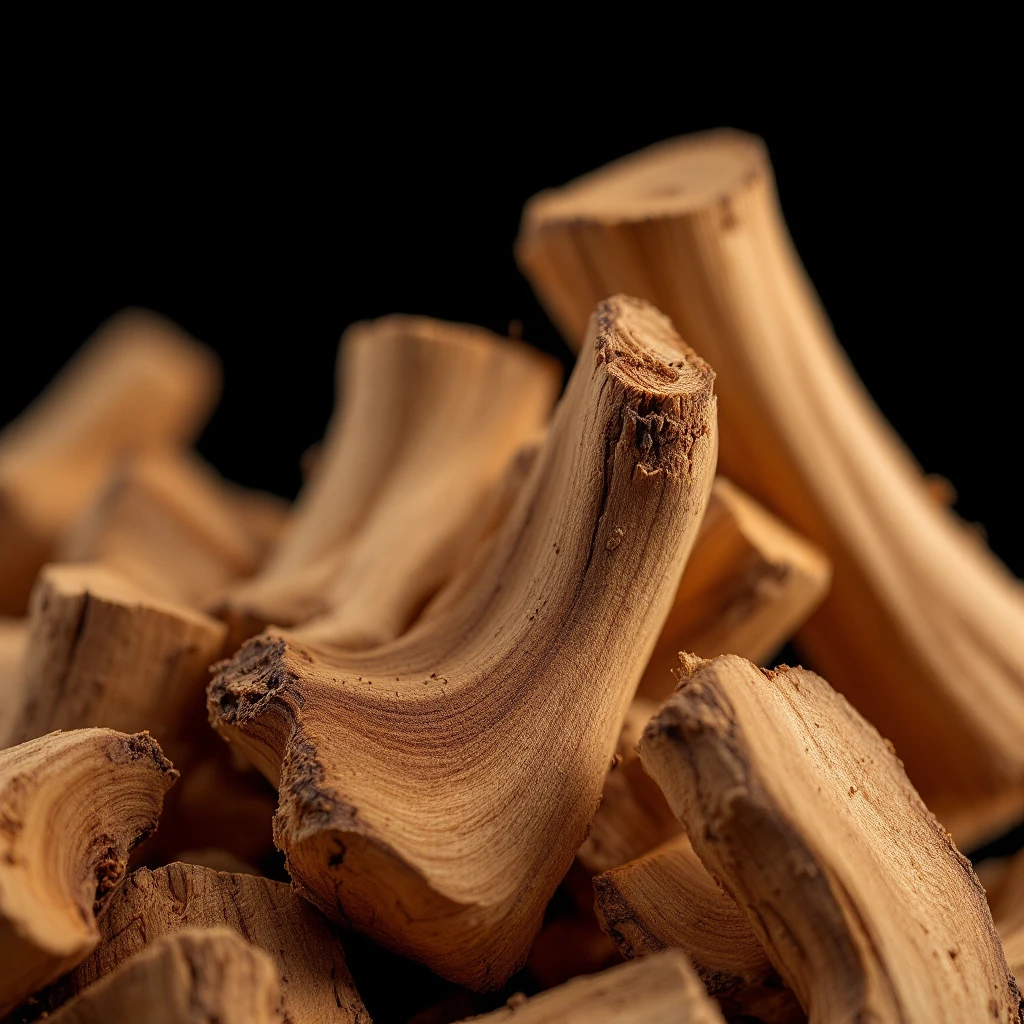
Natural sandalwood has graced perfumery for over 4,000 years, with its earliest recorded use appearing in Indian texts from 700 BC. The ingredient held sacred significance in Hindu and Buddhist traditions.
As natural supplies dwindled due to overharvesting, the fragrance industry sought synthetic alternatives. Sandela emerged as a scientifically engineered solution, providing perfumers with reliable access to sandalwood character without the ethical and supply chain concerns plaguing natural sources.
Wears it best
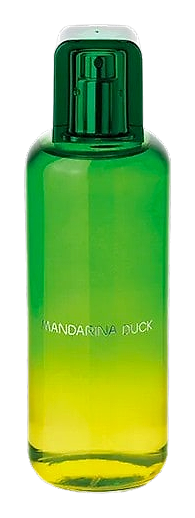
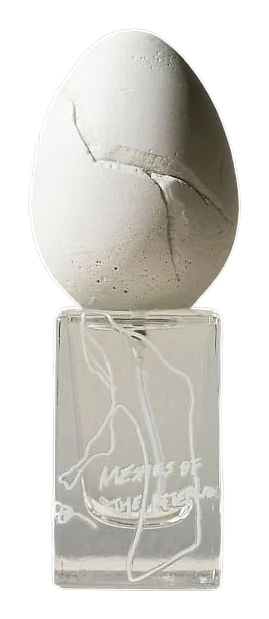
Fragrances featuring Sandela
Brands
Brands known for Sandela
Good to know
Questions, answered
The essentials on Sandela in perfumery: how it smells, where it comes from, and how it behaves on skin.
What is Sandela in perfumery?
Sandela is a synthetic sandalwood aroma chemical developed by Givaudan. It mimics the creamy, woody scent of natural sandalwood and serves as a cost-effective, sustainable alternative in fragrance formulations.
How does Sandela smell?
Sandela presents a clean, creamy sandalwood character with soft woody undertones. It lacks the slight medicinal edge sometimes found in natural sandalwood, offering instead a smooth, milky wood note that blends well with most fragrance families.
Is Sandela more sustainable than natural sandalwood?
Yes. Natural sandalwood requires 30-40 years of growth before harvest and faces serious conservation challenges. Sandela's synthetic production avoids deforestation pressure and provides a traceable, renewable source of sandalwood character.
When was Sandela developed?
Sandela emerged in the late 20th century as part of the fragrance industry's response to sandalwood scarcity. Givaudan's research into aroma chemicals led to synthetic alternatives that could replicate sandalwood's prized profile.
What fragrance families pair well with Sandela?
Sandela performs exceptionally in woody, ambery, and fougere compositions. It harmonizes with musks, cedars, and aromatic herbs, adding warmth and depth to both masculine and unisex formulations.
What concentration is Sandela typically used at?
IFRA guidelines permit Sandela at up to 25% in finished consumer products. Typical usage ranges from 2-15% depending on the fragrance type, with higher concentrations in premium niche fragrances.
Is Sandela listed by its chemical name on perfume labels?
On ingredient lists, Sandela appears under its INCI name: 3-Methylcyclopentadec-2-en-1-one. The trade name Sandela belongs to Givaudan's portfolio of proprietary aroma chemicals.
How does Sandela differ from actual sandalwood oil?
Natural sandalwood oil contains hundreds of trace compounds creating complex aromatic nuances. Sandela offers a cleaner, more consistent expression of the core sandalwood note without the natural variability between harvests or origins.
In the same family