Salak
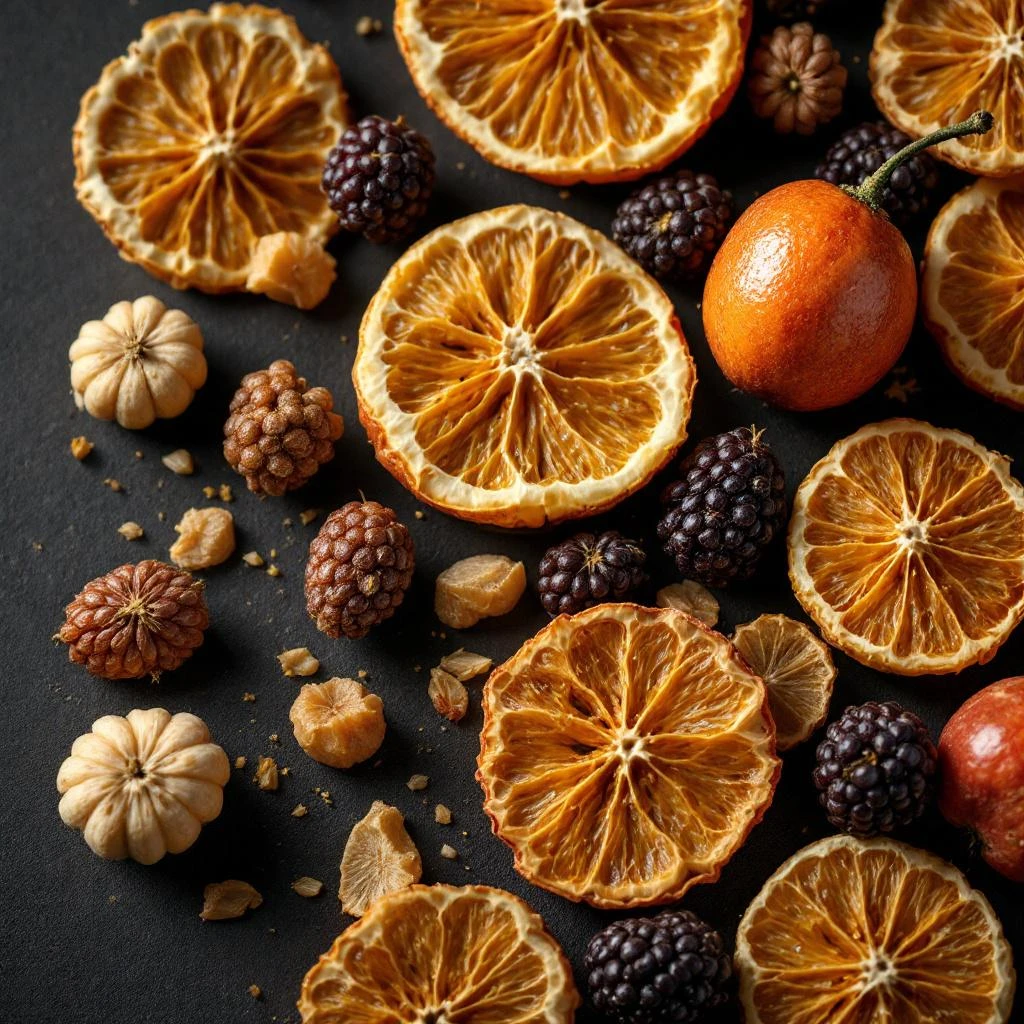
Salak, the snake fruit of Southeast Asia, delivers an unexpected tropical complexity to perfumery. Its sweet-tart flesh offers aromatic depth rarely captured in fragrance, making it a rare find for those seeking exotic fruit nuance beyond the ordinary.
Character
How it smells
Tropical sweetness from Indonesia's palm groves
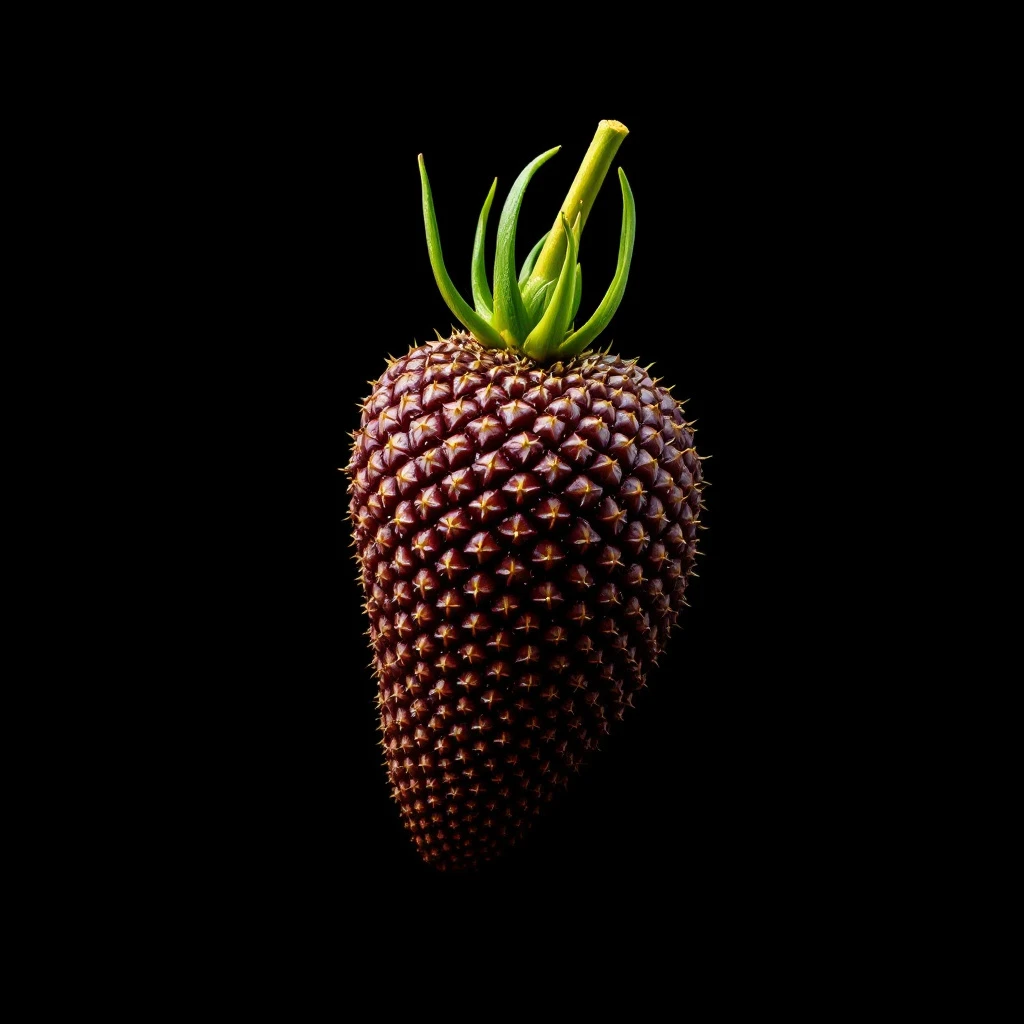
Salak grows in dramatic clusters at the base of palm trees, protected by sharp fronds, and gets its 'snake fruit' name from the distinctive scaled pattern on its reddish-brown skin.

Origin
Indonesia
Salak has grown wild across the Indonesian archipelago for centuries, with cultivation records dating to at least the 17th century. Javanese and Balinese communities traditionally valued the fruit for its refreshing qualities in tropical climates. While culinary use dominated, aromatic applications emerged as perfumers sought exotic Indonesian materials.
The fruit holds cultural significance in Sundanese and Balinese traditions, often appearing in offerings and local cuisine. Its introduction to Western perfumery followed broader interest in Southeast Asian aromatics during the 20th century, though it remains a relatively obscure ingredient compared to more established tropical materials.
Wears it best
Fragrances featuring Salak

Brands
Brands known for Salak
Good to know
Questions, answered
The essentials on Salak in perfumery: how it smells, where it comes from, and how it behaves on skin.
What does salak smell like in perfume?
Salak absolute offers a sweet-tart tropical profile with pineapple and citrus notes. It adds exotic fruit character that reads as fresh and slightly acidic compared to sweeter tropical materials.
Is salak a natural perfumery ingredient?
Yes, salak yields an absolute through solvent extraction of the fresh fruit flesh. It remains uncommon in commercial perfumery but appears in niche formulations seeking tropical fruit nuance.
Where does salak grow?
Salak originates from Indonesia, particularly Java and Bali, where it has grown for centuries. Thailand and Malaysia also cultivate the fruit commercially.
How is salak harvested for perfumery?
Harvesters collect ripe salak clusters from the base of female palm trees. The fruit must be processed quickly after harvest to preserve aromatic compounds before degradation occurs.
What makes salak unusual in perfumery?
Salak provides tropical fruit notes with an acidic edge rarely found in mainstream fruit ingredients. Its distinctive sweet-tart character adds complexity that differentiates fragrances from those using only common tropical materials.
Can synthetic salak alternatives exist?
Some fragrance houses create nature-identical compounds to mimic salak's profile. However, natural salak absolute captures nuances that synthetic replications often miss.
What palm family does salak come from?
Salacca zalacca belongs to the Arecaceae family, the same family as coconut and date palms. The fruit grows in large clusters at the base of the plant.
Does salak appear in mainstream fragrances?
Salak remains rare in mainstream perfumery, more commonly appearing in artisan or niche fragrances that emphasize exotic tropical ingredients and unique fruit signatures.