Roselle
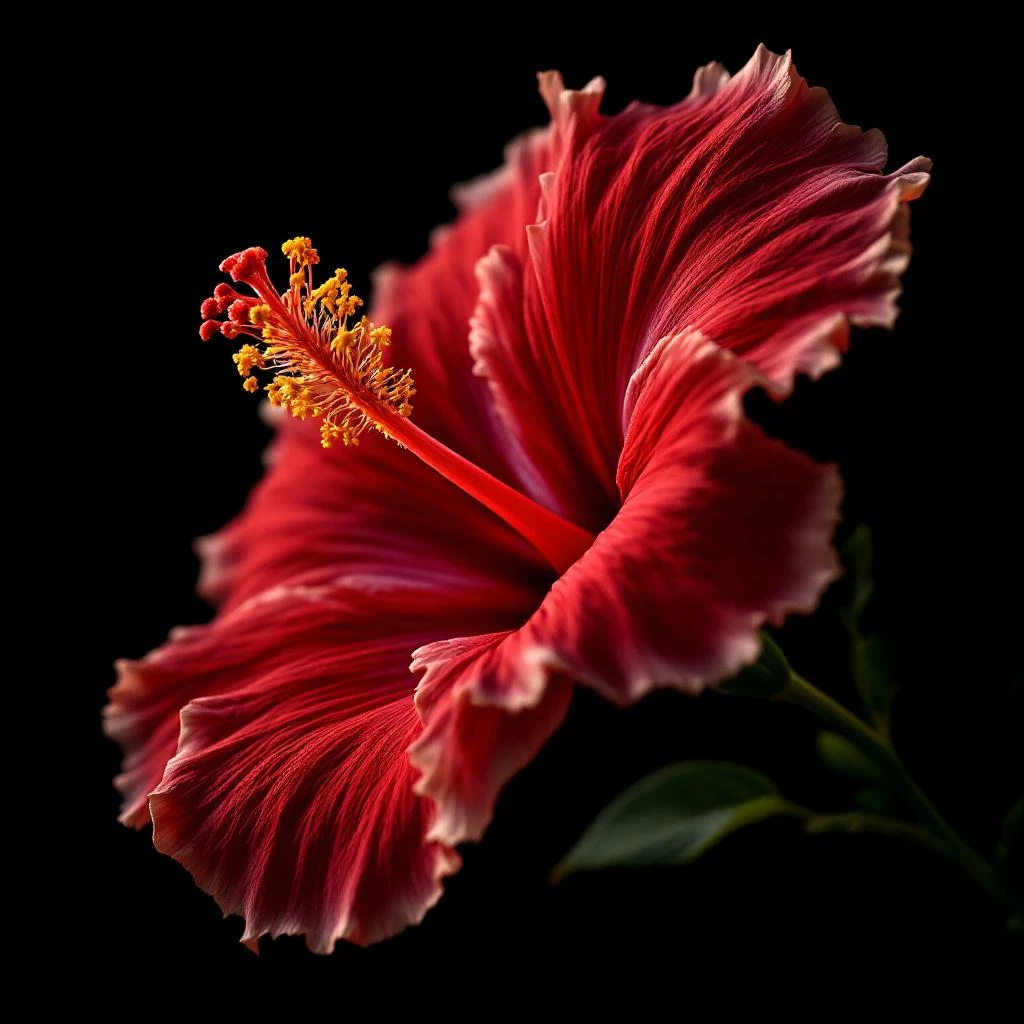
Roselle, the dried crimson calyx of Hibiscus sabdariffa, brings a distinctive tart-fruity character to modern perfumery. Its bright, cranberry-like aroma bridges green and sweet floral notes, adding unexpected depth to fragrance compositions.
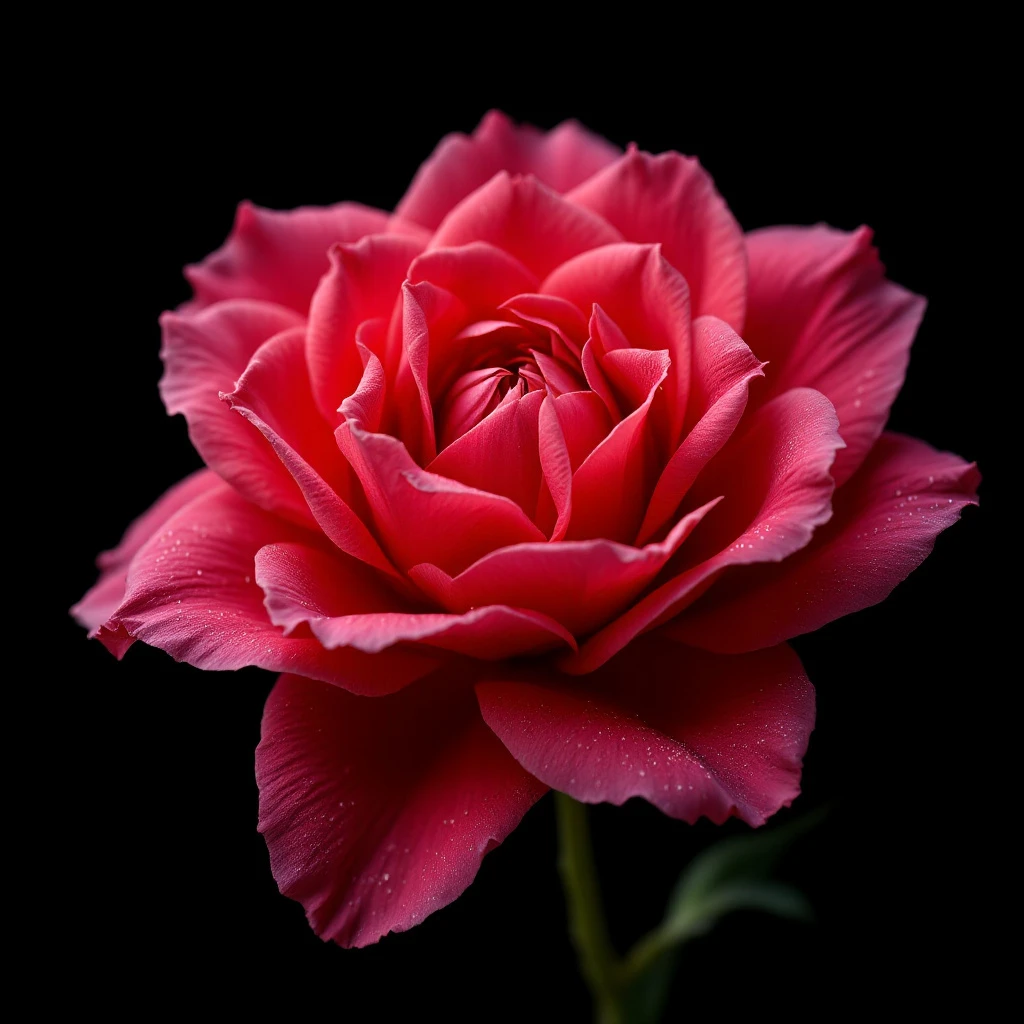
Character
How it smells
Crimson calyces with a tart, fruity soul.
In Caribbean culture, roselle is so beloved it stars in traditional festive drinks rather than perfume bottles.

Origin
Nigeria
Roselle traces its roots to West Africa, where communities have used Hibiscus sabdariffa for centuries in food, beverages, and traditional medicine long before it entered the perfumer's palette. The plant traveled across the Atlantic during the colonial era, establishing deep roots in the Caribbean and Latin America, where it became central to regional drink traditions like Jamaican sorrel and Mexican agua de Jamaica.
These cultural connections shaped how roselle was perceived: more as a culinary ingredient than a fragrance material for generations. Fragrance chemists began seriously exploring roselle as a perfumery ingredient in the late 20th century, drawn to its tart-fruity complexity that could bridge floral and green fragrance families in new ways.
The rise of fruity-floral perfume trends in the 1990s accelerated its adoption, as perfumers sought botanical materials offering freshness without the synthetic feel of lab-made fruity accord molecules. Today roselle occupies a niche but growing place in fine fragrance, prized for its natural tartness and the authenticity it lends to fruit-forward compositions.
Wears it best
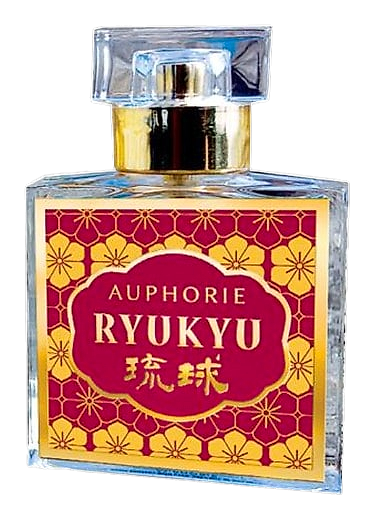
Fragrances featuring Roselle

Brands
Brands known for Roselle
Good to know
Questions, answered
The essentials on Roselle in perfumery: how it smells, where it comes from, and how it behaves on skin.
What does roselle smell like in perfume?
Roselle delivers a bright, tart-fruity scent often described as cranberry or red-berry with subtle floral sweetness. It adds freshness and lift to fruity and floral fragrance compositions.
Is roselle a natural or synthetic ingredient?
Roselle is a natural ingredient extracted from the dried calyces of Hibiscus sabdariffa. Its use in perfumery grew significantly in the late 20th century as fruity-floral trends expanded.
Where is roselle cultivated for perfumery?
West Africa and Southeast Asia are the primary cultivation regions. Sudan, Nigeria, Mexico, and Thailand are among the largest producers of Hibiscus sabdariffa calyces for commercial use.
Which extraction method captures roselle's scent best?
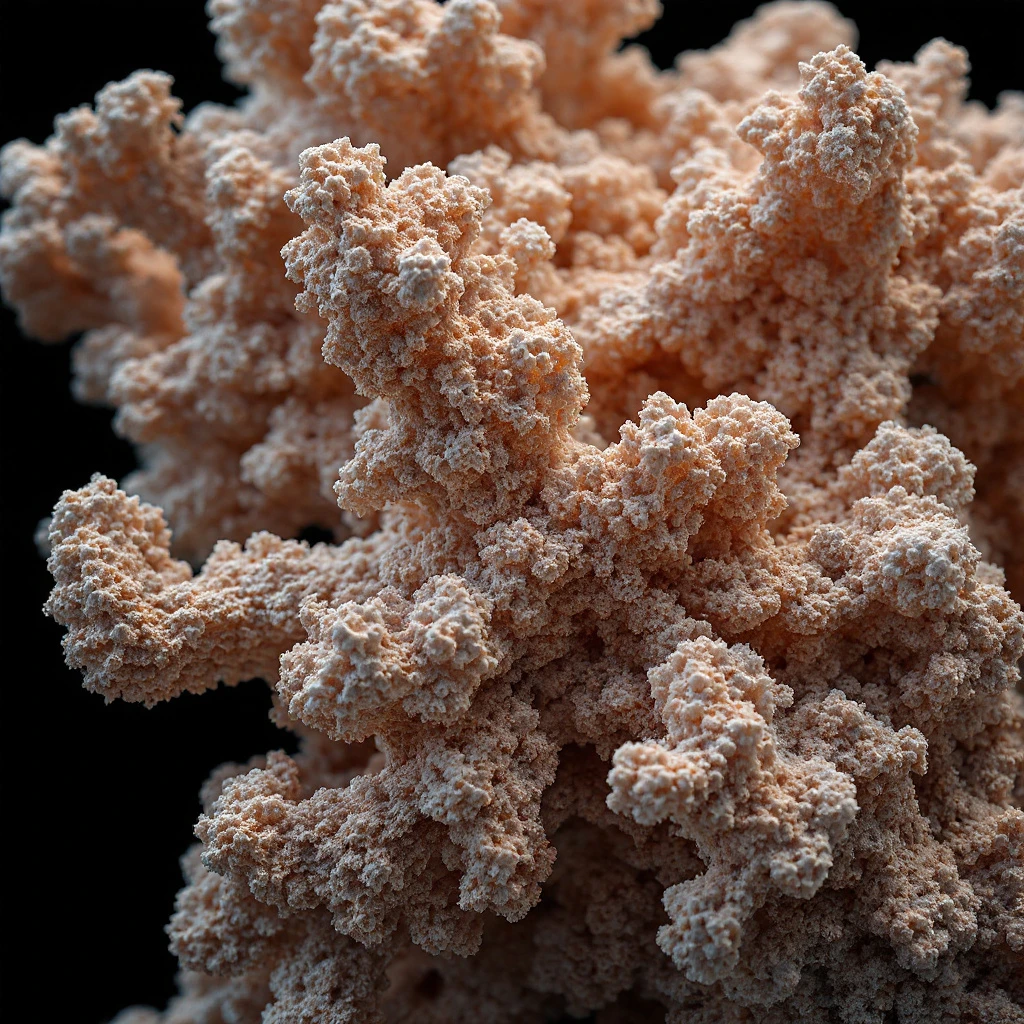
Solvent extraction produces the most complete roselle extract. Hexane pulls the full range of aromatic compounds from dried calyces, yielding a concrete prized for its tart, fruity complexity.
What part of the roselle plant is used in perfumery?
Perfumers use the dried calyces, the crimson sepals that surround the roselle flower. These fleshy sepals contain the aromatic compounds responsible for the ingredient's distinctive tart-fruity character.
Does roselle appear in many mainstream fragrances?
Roselle remains a relatively niche natural ingredient. It appears more often in artisanal and niche fragrances than in mass-market perfumes, where synthetic fruity molecules more commonly replicate its effect.
Can roselle replace berry notes in fragrance?
Roselle provides a natural tartness that synthetic berry notes often lack, making it valuable for perfumers seeking authenticity. Its profile complements rather than replaces traditional berry materials.
What makes roselle unusual among perfumery ingredients?
Roselle's journey from traditional Caribbean beverage ingredient to fragrance material is rare. Most perfumery botanicals have ancient aromatic histories; roselle's perfumery chapter began only in the late 20th century.





