Gajumaru Banyan
Gajumaru Banyan captures the sacred atmosphere of Okinawan fig trees: green fig leaf, damp bark, and humid tropical air converge in a living, breathing accord.

Character
How it smells
The sacred banyan, rendered as scent.
In Okinawa, banyan trees live for centuries, their aerial roots descending to become additional trunks, creating living temples.
Origin
Japan
The banyan tree holds profound significance across South and East Asia, particularly in Okinawa, Japan, where these trees are revered as sacred spaces. Buddhist monks established meditation groves beneath their expansive canopies for over a millennium. The trees appear in Hindu mythology as symbols of eternity and enlightenment.
In perfumery, capturing the banyan's spirit presents a unique challenge: these trees produce no commercial essential oil. Perfumers instead study the plant's component aromas—fig leaf, living bark, tropical humidity—and reconstruct its atmospheric signature through carefully layered accords, making the sacred tree's presence accessible to those who cannot visit its ancient groves.
Wears it best
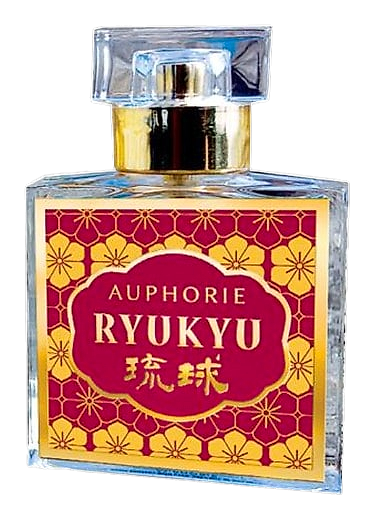
Fragrances featuring Gajumaru Banyan
Brands
Brands known for Gajumaru Banyan
Good to know
Questions, answered
The essentials on Gajumaru Banyan in perfumery: how it smells, where it comes from, and how it behaves on skin.
What does Gajumaru Banyan smell like?
Gajumaru Banyan opens with bright green fig leaf, transitioning to moist bark and finishing with humid tropical air. The overall effect is atmospheric and alive, evoking standing beneath a centuries-old banyan tree.
Is Gajumaru Banyan a natural or synthetic ingredient?
Gajumaru Banyan is a synthetic accord, not a directly extracted natural. No commercial essential oil exists from banyan trees, so perfumers reconstruct its aromatic profile from fig leaf, woody, and atmospheric materials.
What does 'Gajumaru' mean?
Gajumaru is the Japanese name for the banyan tree, derived from Sanskrit. In Okinawa, these trees are considered sacred and can live for hundreds of years.
Why is the banyan tree significant in perfumery?
The banyan presents a unique challenge: it yields no extractable essential oil yet carries deep cultural significance. Perfumers solve this by creating atmospheric accords that capture the tree's living aromatic identity.
Which fragrance families use Gajumaru Banyan?
Gajumaru Banyan appears primarily in green and atmospheric fragrances. It pairs well with woody, aquatic, and tropical scent families, often featured in unisex and niche perfumes.
Where does Gajumaru Banyan originate as a fragrance concept?
The concept originates from Okinawan banyan trees, considered sacred in Japanese and broader East Asian culture. These trees can live for centuries, their aerial roots creating additional trunks.
Can I find Gajumaru Banyan in traditional perfumery?
Traditional perfumery rarely features banyan because the tree produces no commercial essential oil. Modern atmospheric accords bring this sacred tree's presence into contemporary fragrance.
What makes Gajumaru Banyan unique among fragrance ingredients?
Unlike most ingredients, Gajumaru Banyan exists only as a perfumer's reconstruction. It represents the intentional capture of a living tree's atmospheric essence where no direct extraction is possible.