Sacramental Bread
Sacramental bread brings a warm, toasty warmth to fragrance compositions. This note captures the quiet reverence of freshly baked wafers, evoking wheat fields at dawn and centuries of sacred ritual.
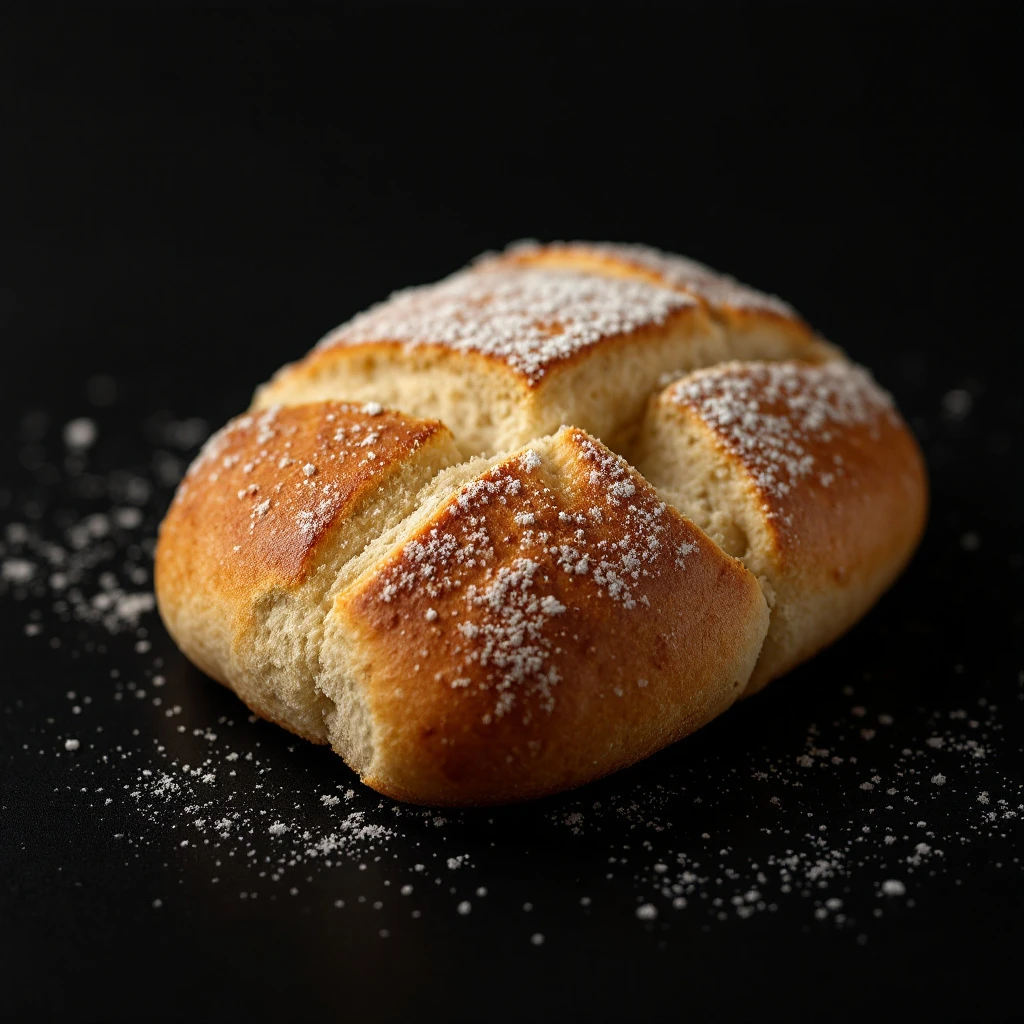
Character
How it smells
The sacred aroma of bread, rendered in perfume.
Perfumers craft bread notes using molecules like maltol and furaneol, compounds that also appear naturally in roasted coffee and caramel.









Origin
Middle East/Mediterranean
Communion wafers have been central to Christian ritual since the early centuries CE, representing the body of Christ in the Eucharist. The unleavened bread tradition connects to ancient Jewish Passover customs, where matzah symbolized both haste and purity. Medieval monasteries refined wafer-making into a precise art, often baking them in special chapel ovens.
The scent of these sacred hosts became associated with devotion itself, a sensory anchor for prayer. When perfumery began developing complex fragrance compositions, bread notes emerged as a way to introduce warmth, comfort, and spiritual resonance into fragrance design.
Wears it best
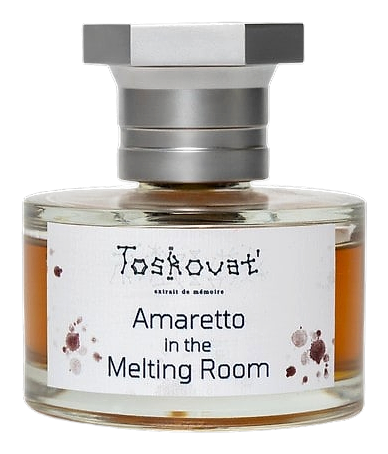
Fragrances featuring Sacramental Bread
Brands
Brands known for Sacramental Bread
Good to know
Questions, answered
The essentials on Sacramental Bread in perfumery: how it smells, where it comes from, and how it behaves on skin.
What does sacramental bread smell like in perfume?
Sacramental bread note smells like warm, lightly toasted wheat with subtle sweetness. It evokes fresh communion wafers, combining grain-like warmth with a clean, reverent quality.
Is sacramental bread a natural fragrance ingredient?
No. Perfumers create this note synthetically using molecules like maltol and furaneol that mimic bread's aromatic profile without using actual bread material.
What fragrances feature sacramental bread note?
Several niche and artisan houses incorporate bread notes. The note appears primarily in warm, oriental compositions and cozy winter fragrances where grain-like comfort is desired.
How long has bread been used in perfumery?
Bread notes emerged more recently, gaining popularity in the late 20th century as synthetic aromatic chemistry advanced. The trend toward comfort fragrances accelerated their use.
Does sacramental bread note contain allergens?
The synthetic nature means it contains no gluten or wheat proteins. However, always check full ingredient lists as individual formulations vary.
What fragrance families commonly use bread notes?
Oriental fragrances, warm vanillas, and cozy gourmands most frequently feature bread accords. Some chypre and woody compositions also incorporate these notes for warmth.
How do perfumers recreate bread aroma accurately?
Perfumers combine multiple aromatic molecules including maltol, sotolon, and aldehydes. Each contributes different aspects: sweetness, toastiness, or fresh-baked quality.
Can bread notes work in summer fragrances?
Lighter bread interpretations exist, but traditional sacramental bread note suits autumn and winter wear best, where its warm, comforting qualities complement heavier textures.