Peach Stone
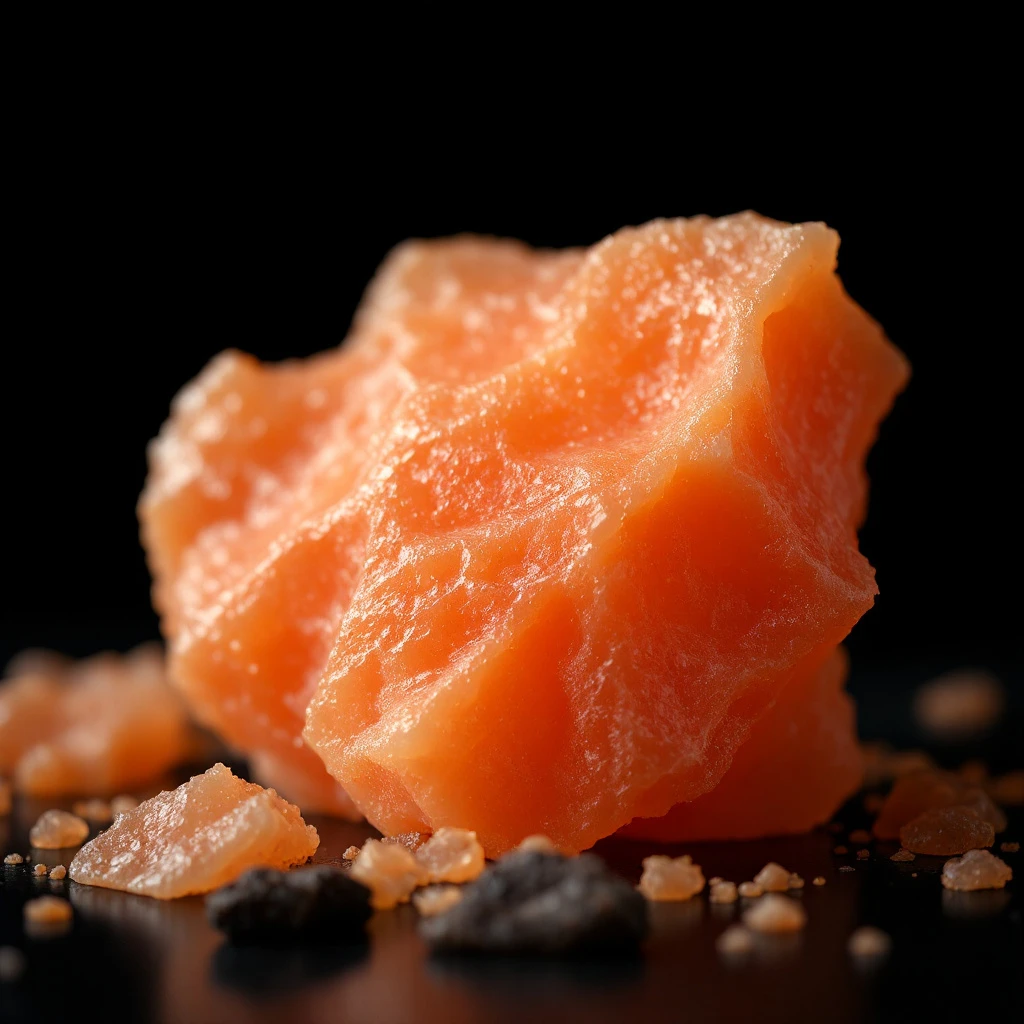
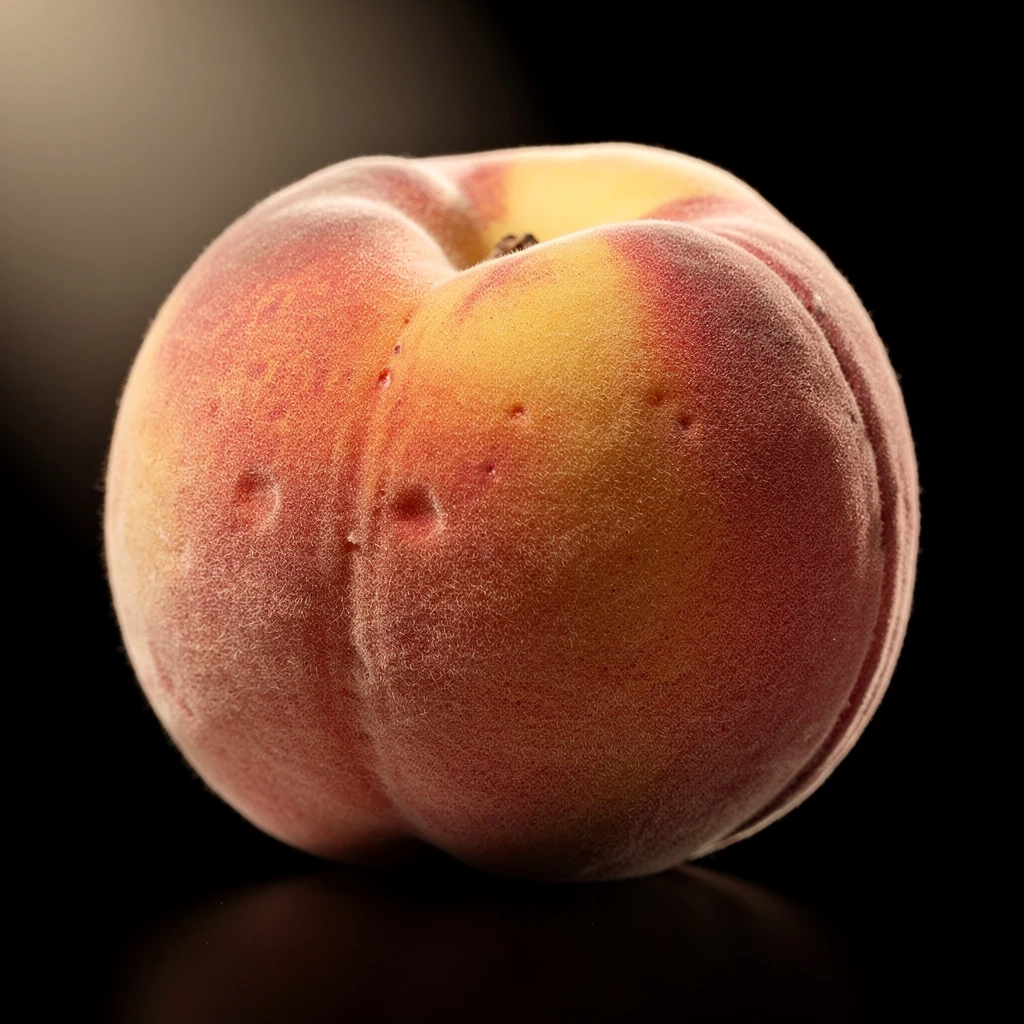
Peach Stone brings an intimate duality to perfumery: the warm creaminess of ripe fruit flesh and the bitter, marzipan depth of the kernel within. A bridge between East and West, sweetness and depth.
Character
How it smells
Creamy fruit meets bitter kernel
No natural peach extraction exists in commercial perfumery. Every peach note is a reconstruction built from synthetic lactones.
Origin
China
Peach carries one of perfumery's oldest documented lineages. Originating in China more than 4,000 years ago, the fruit held sacred status as a symbol of immortality and protection against evil spirits. Chinese gardeners cultivated hundreds of varieties before the fruit traveled along trade routes to Persia, where it acquired new symbolic weight.
The Romans spread peach trees across their empire, introducing Europeans to the fruit around the first century CE. Arab perfumers of the medieval period were among the first to incorporate peach kernel flesh into scented preparations, recognizing the bitter-almond depth that complemented the fruit's sweetness. When Jacques Guerlain released a fragrance in 1919 combining natural and synthetic materials for a fruity effect, it marked a turning point.
That early synthesis of natural bergamot with laboratory-created molecules established the template modern perfumery still follows for peach reconstruction.
Wears it best
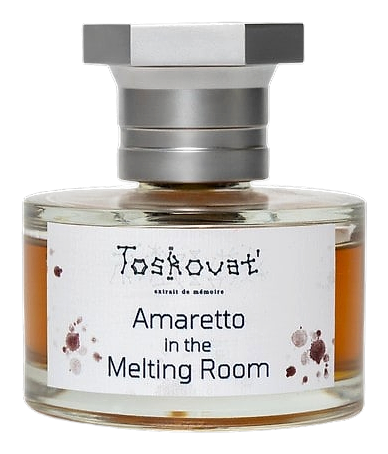
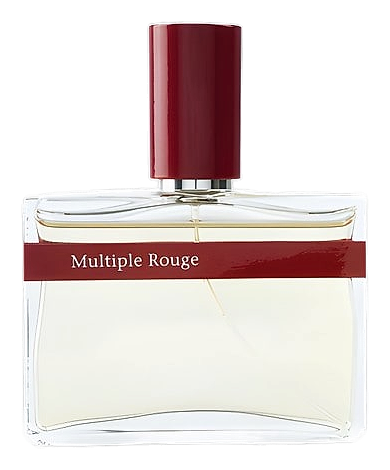
Fragrances featuring Peach Stone
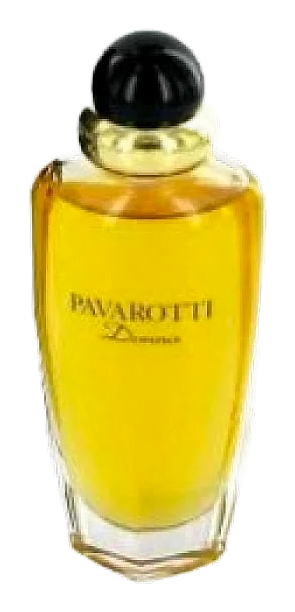
Brands
Brands known for Peach Stone
Good to know
Questions, answered
The essentials on Peach Stone in perfumery: how it smells, where it comes from, and how it behaves on skin.
Is Peach Stone extracted from real peaches?
No. No natural peach extraction exists in commercial perfumery. The peach note is reconstructed entirely from synthetic lactones, primarily gamma-undecalactone, which replicates the aroma of ripe peach flesh.
What does gamma-undecalactone smell like?
Gamma-undecalactone produces the warm, creamy scent of ripe peach flesh and fuzzy skin. It delivers sweet, velvety fruit notes without the tartness of fresh-cut peach.
Can peach kernels produce fragrance?
Peach kernels contain amygdalin, which releases benzaldehyde and provides bitter-almond character. Some fragrance formulas incorporate this kernel quality to add depth beneath the fruit sweetness.
Why does perfumery use synthetic peach instead of natural extract?
Natural peach lacks the aromatic intensity needed for fragrance applications and degrades quickly. Synthetic lactones provide consistent concentration, shelf stability, and precise olfactory control.
What was the first perfume to feature peach?
A Jacques Guerlain fragrance from 1919 is considered the first to combine natural and synthetic materials for a fruity effect, marking a milestone in modern fruity fragrance development.
How long has peach been used in perfumery?
Arab perfumers incorporated peach kernel flesh into ointments and scents during the medieval period, while the fruit itself was cultivated in China over 4,000 years ago for both culinary and ceremonial purposes.
Does Peach Stone appear in men's or women's fragrances?
Peach appears across gender categories. Its warmth and softness make it versatile for feminine florals, gender-neutral compositions, and even masculine bases where fruit adds unexpected dimension.
Which fragrance families use Peach Stone most often?
Fruity, chypre, and floral-oriental compositions most frequently feature peach. It also appears in modern fougere and fresh aquatic fragrances seeking warmth and approachability.