Rusty Iron
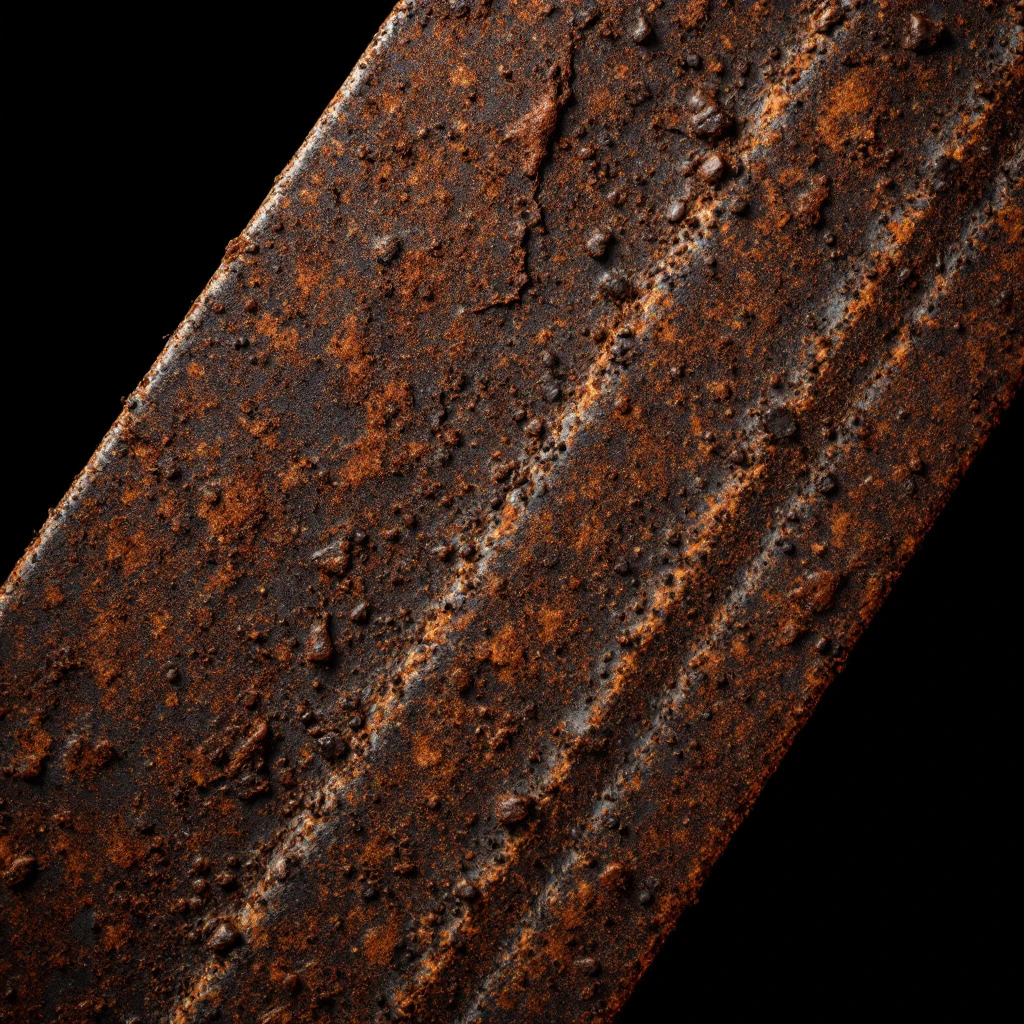
Rusty Iron is a synthetic molecule that captures the dry, metallic tang of oxidized metal, bringing industrial edge and raw minerality to avant-garde perfumery.
Character
How it smells
Oxidized steel, bottled.
Perfumers recreate the smell of rust using synthetic aldehydes and pyrazines, since true iron oxide has no volatile compounds to distill.
Pairs beautifully with



Origin
France
The deliberate use of metallic notes in perfumery dates to the early 1990s, when niche perfumers began chasing industrial and post-industrial aesthetics. Before that, metallic accords appeared only as background effects, often created with aldehydes, which give fragrances like Chanel No. 5 their soapy lift rather than a true iron character.
The shift toward literal rust came from perfumers in Paris and Antwerp who wanted to reference urban decay, machinery, and the textures of abandoned spaces. Laboratories responded with molecules that could stand in for steel, blood, and oxidized metal. Since then, Rusty Iron accords have appeared in dozens of artistic fragrances, signaling a broader move within perfumery to treat non-traditional materials, including smoke, ash, and tar, as legitimate creative tools.
It remains a marker of experimental composition rather than mainstream commercial scent design.
Wears it best
Fragrances featuring Rusty Iron
Brands
Brands known for Rusty Iron
Good to know
Questions, answered
The essentials on Rusty Iron in perfumery: how it smells, where it comes from, and how it behaves on skin.
What does Rusty Iron smell like in perfumery?
It smells dry, slightly sweet, and faintly sour, recalling oxidized metal and damp steel. Perfumers use it to add raw mineral texture rather than a literal metallic note on skin.
Is Rusty Iron a natural ingredient?
No. Rusty Iron is a reconstructed accord built from synthetic aroma chemicals. No natural plant or mineral source contains volatile compounds that smell like iron oxide.
Which molecules create the Rusty Iron effect?
Specialty aldehydes and pyrazines do most of the work, often combined with 1-octen-3-one, a ketone with a metallic, mushroom-like character that reinforces the illusion of oxidation.
When did perfumers start using metallic notes?
Literal metallic accords entered niche perfumery in the early 1990s, though softer aldehydic lift appeared in mainstream fragrances decades earlier, notably in Chanel No. 5 from 1921.
Why is Rusty Iron popular in niche fragrances?
It supports industrial, post-industrial, and avant-garde aesthetics, allowing perfumers to reference machinery, decay, and urban textures that traditional florals or woods cannot convey.
Can you distill a Rusty Iron note from actual rust?
No. Iron oxide produces no volatile aromatic compounds, so distillation yields nothing. The scent must be reconstructed synthetically to exist in a wearable formula.
Is Rusty Iron safe to wear on skin?
Yes at typical fragrance concentrations. The synthetic aroma chemicals used to build the accord are approved for cosmetic use within regulated dilution limits set by IFRA.
Which fragrance families use Rusty Iron accords?
They appear most often in experimental and industrial-style compositions, sometimes crossing into woody, smoky, or animalic families where raw mineral contrast adds structural tension.