Rose praline
Rose praline is a modern perfumery accord combining rose's floral warmth with praline's sweet, nutty gourmand character. This composite note bridges classical floral perfumery with contemporary confection-inspired creativity. It typically appears in heart to base positions, lending richness and edible sophistication to fragrance compositions.
Character
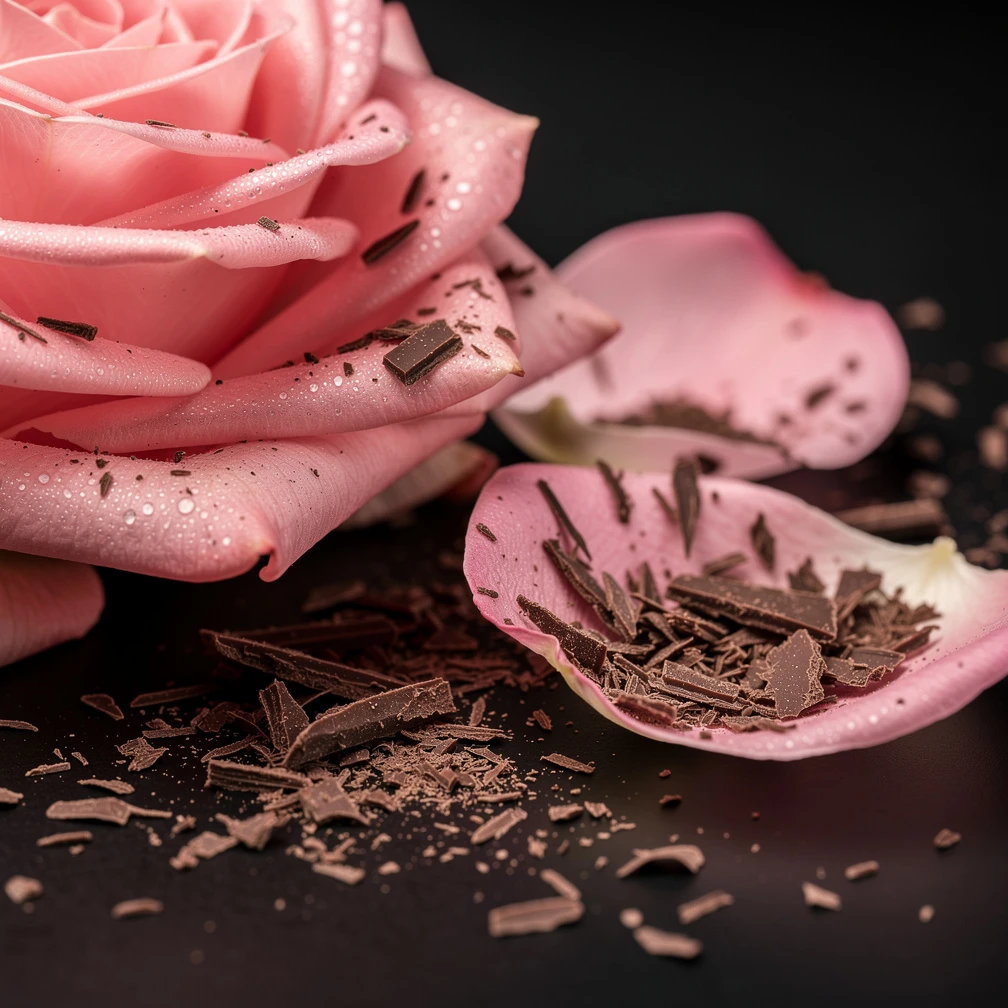
How it smells
Where floral elegance meets edible indulgence in a warm, lingering embrace.
While rose has been distilled for perfume since antiquity, praline as a fragrance note only emerged in the late 20th century when synthetic chemistry allowed perfumers to recreate caramelized nut sweetness.









Origin
France
Rose has served perfumery since ancient Egyptian and Persian civilizations, with Virgil's Roman poetry cementing the flower's mythological status as born from Venus's tears. The rose remained predominantly a floral, romantic note through centuries of classical perfumery, valued for its versatility across women's and men's fragrances.
Praline's entry into perfumery represents a distinctly modern innovation, emerging from the late 20th-century gourmand movement when perfumers began exploring edible, confection-inspired accords. The marriage of rose and praline likely occurred in the 1990s or early 2000s as perfumers sought new territories combining familiar florals with unexpected sweetness.
This accord reflects contemporary perfumery's democratization of luxury, translating the comfort of familiar sweet flavors into abstract olfactory experiences. Today, rose praline appears across niche and designer houses, representing how ancient materials find new expression through modern creative frameworks.
Wears it best
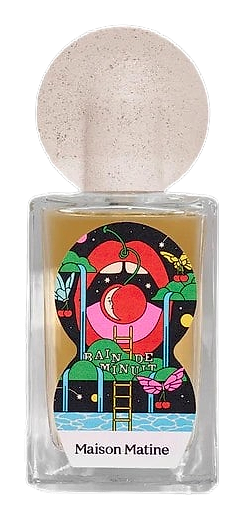
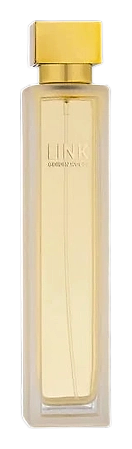
Fragrances featuring Rose praline
Brands
Brands known for Rose praline
Good to know
Questions, answered
The essentials on Rose praline in perfumery: how it smells, where it comes from, and how it behaves on skin.
What does Rose praline smell like in perfume?
Rose praline combines soft, dew-kissed rose florals with warm, edible notes of caramelized nuts and sugar. The effect is gourmand yet elegant, like rose petals garnishing a praline confection. Top notes introduce fresh rose before the sweet praline warmth emerges as the heart develops.
Why is Rose praline used in perfumery?
Rose praline bridges classical floral perfumery with the modern gourmand genre. It adds warmth, sweetness, and emotional comfort to compositions while maintaining rose's sophisticated heritage. Perfumers value it for creating approachable yet distinctive signatures in competitive markets.
Is Rose praline in perfume natural or synthetic?
Rose praline is a hybrid ingredient: the rose component is natural (absolute or essential oil), while the praline element is synthetic. This combination achieves authentic gourmand character that natural materials alone cannot provide. Both components meet IFRA safety standards for cosmetic use.
What famous perfumes contain Rose praline?
While specific formulations remain proprietary, rose praline accords appear across numerous niche and designer fragrances launched since 2005. Houses including L'Artisan Parfumeur, Byredo, and Mancera have released interpretations of this popular combination in their contemporary florally-gourmand collections.
Is Rose praline a top note, heart note, or base note?
Rose praline functions primarily as a heart-to-base note. The fresh rose elements may project briefly as a top impression, but the praline warmth anchors compositions for 2-4 hours. Longevity depends on the concentration and the specific praline compounds used in formulation.
What notes pair well with Rose praline in perfume?
Rose praline complements vanilla, sandalwood, musk, and amber for added warmth. It also pairs with bergamot or pink pepper for brightness, and with oud or leather for unexpected contrast. These combinations balance sweetness with complexity across various fragrance families.
How is Rose praline extracted?
Rose praline combines two production methods: rose petals undergo solvent extraction in Grasse, France, or steam distillation in Bulgaria's Rose Valley, yielding absolute or attar. Simultaneously, praline compounds form through synthesizing lactones and pyrazines that replicate caramelized hazelnut and warm sugar notes.
Is Rose praline used in men's or women's fragrances?
Rose praline is unisex by contemporary convention. The rose grounds any sweetness in classical elegance, while praline keeps it modern and approachable. Major fragrance houses position rose praline scents across gender-neutral and women's lines, reflecting evolving consumer preferences since the 2010s.