Rose Acetate
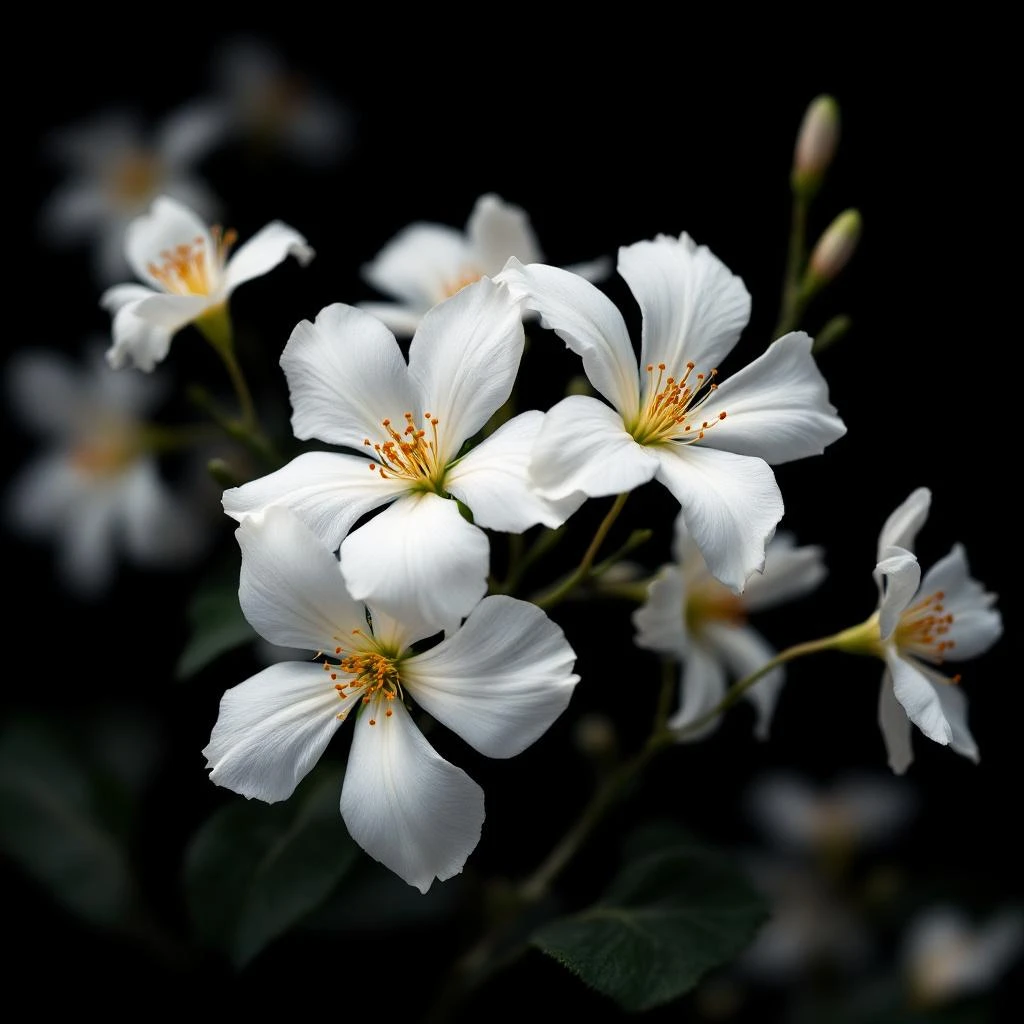
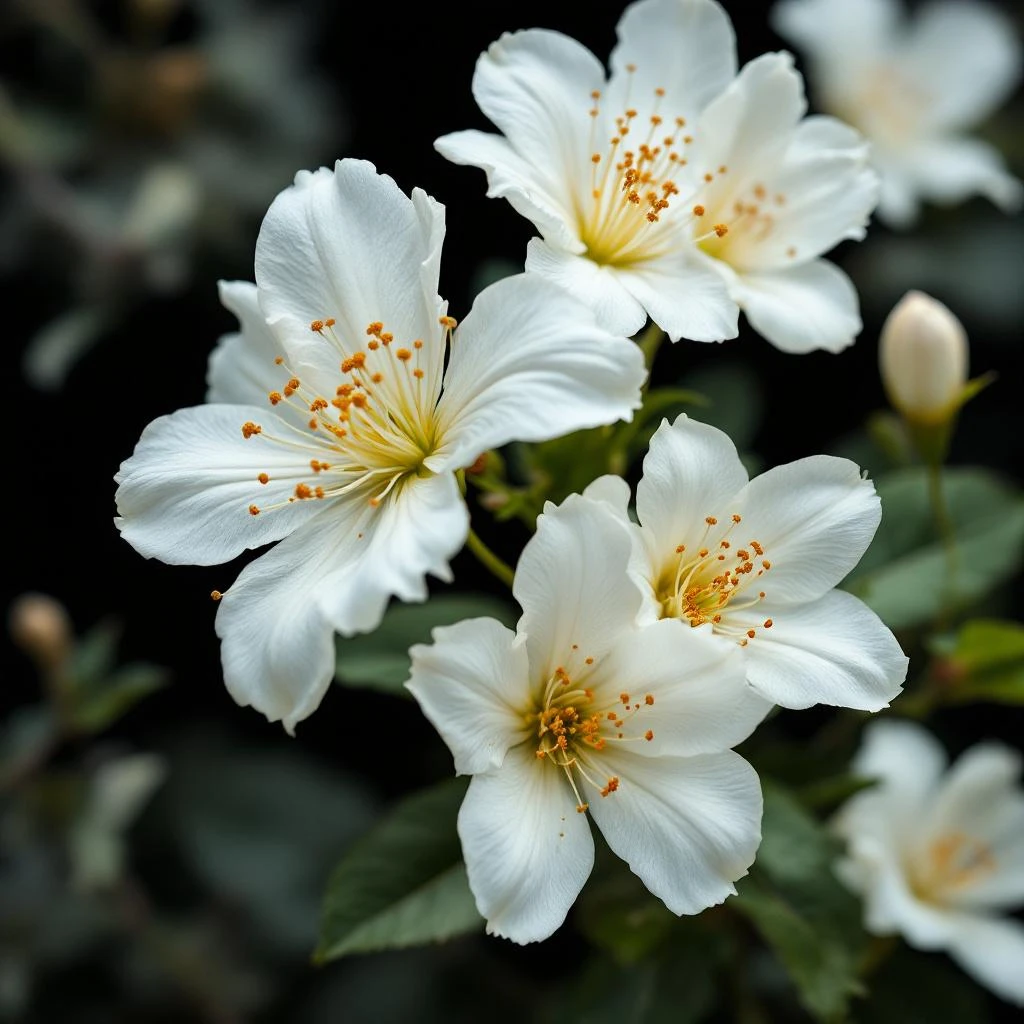
Rose acetate captures the green, dewy shimmer of a fresh rose at dawn. This synthetic ester lends a crisp, slightly metallic lift that natural rose oils cannot replicate alone, brightening compositions with airy clarity.

Character
How it smells
The green spark inside every luminous rose
Rose acetate exists nowhere in nature. Chemists first synthesized it in the 19th century when organic chemistry unlocked esters that mimic floral freshness without harvesting a single petal.
Pairs beautifully with



Origin
France
The story of rose acetate begins in the 19th century, when organic synthesis reshaped perfumery from a craft dependent on harvests into a discipline shaped by laboratory benches. Chemists experimenting with terpene alcohols discovered that combining geraniol with acetic acid produced an ester smelling startlingly like crushed rose leaves after rain. This breakthrough arrived as rose oil production remained costly and geographically constrained, with Bulgaria, Persia, and Morocco guarding their distillation traditions since at least the 18th century.
Moroccan rosewater production had flourished through Arab and Berber distillation techniques, yet supplying global perfumery required something more scalable. Synthetic esters like rose acetate, alongside phenylethyl alcohol and citronellol, democratized rose accords and freed perfumers from seasonal bottlenecks. By the early 20th century, these aroma chemicals had become foundational building blocks.
Rose acetate in particular found its place in modern florals, contributing lift to compositions from classic soliflores to contemporary aldehydic bouquets. Its development reflects a broader shift in fragrance history, where chemistry expanded the perfumer's palette while honoring the flower's original soul.
Wears it best
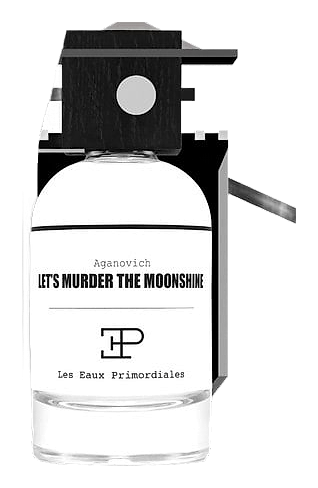
Fragrances featuring Rose Acetate
Brands
Brands known for Rose Acetate
Good to know
Questions, answered
The essentials on Rose Acetate in perfumery: how it smells, where it comes from, and how it behaves on skin.
What other ingredients pair well with rose acetate?
Rose acetate pairs beautifully with geraniol, phenylethyl alcohol, citronellol, and aldehydes. It also lifts green notes like galbanum and balances with woody bases such as sandalwood and cedar.