Root Tea
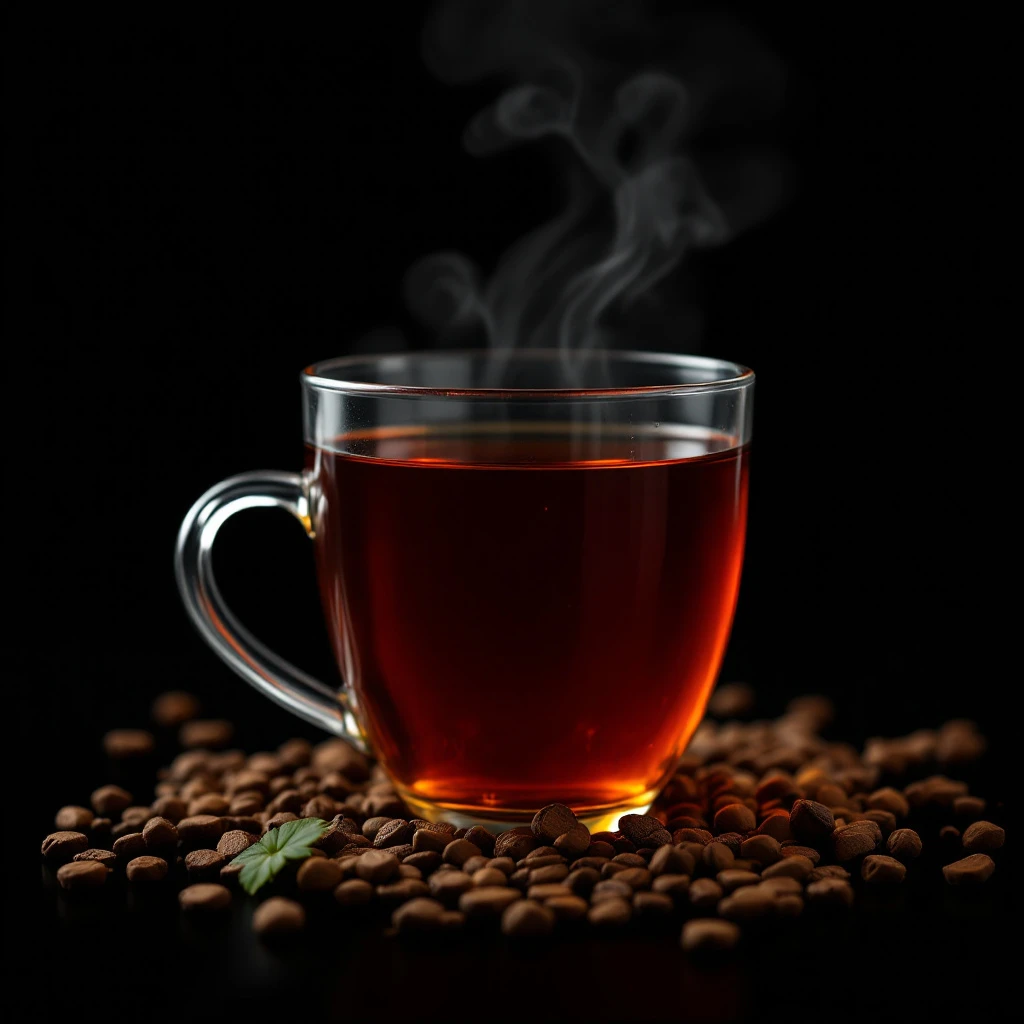
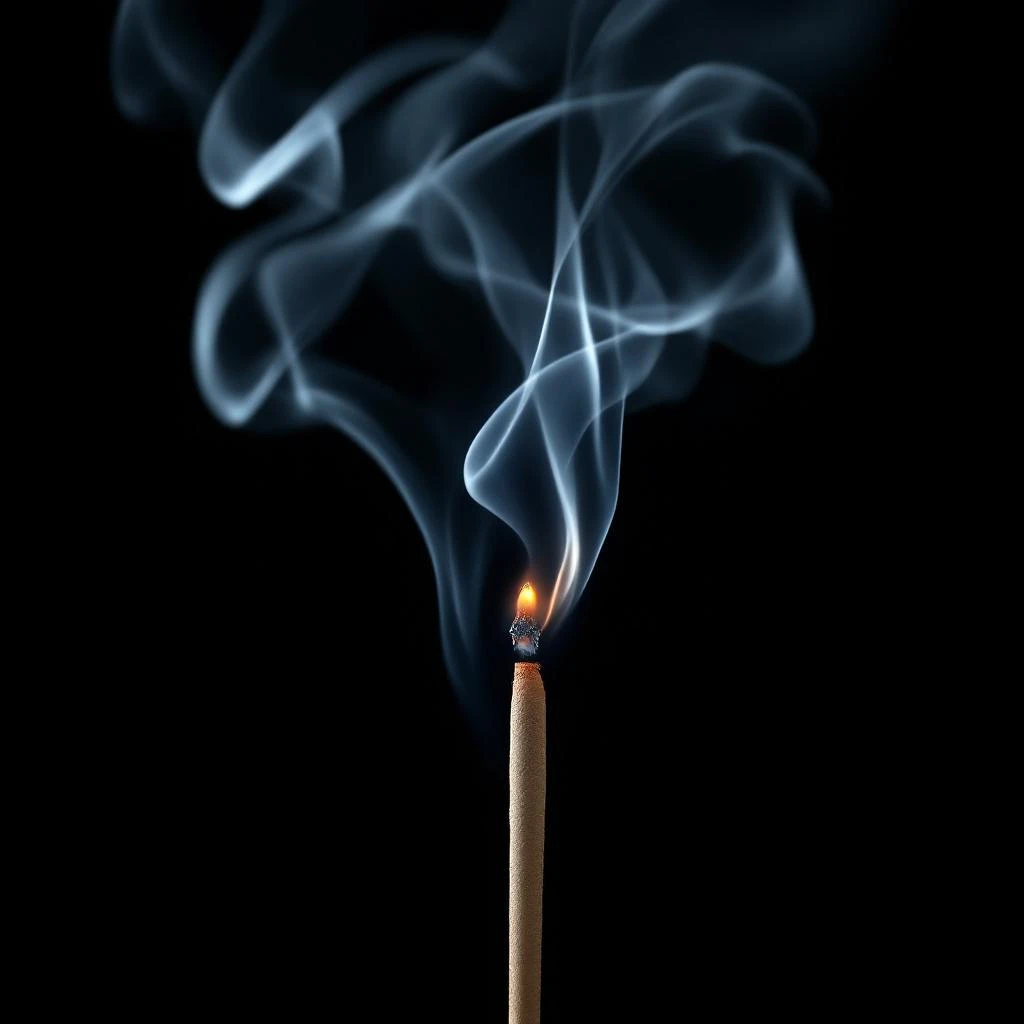
Root Tea builds a smooth, grounding base with the dry character of brewed black tea, woody tannins and a restrained bitterness.
Character
How it smells
Brewed depth with a dry, woody finish.
Tea perfume extracts come primarily from Camellia sinensis, the same species grown for black, green, oolong and white tea.
Pairs beautifully with
Origin
China
Tea became one of history’s most prominent aromatic plants after its cultivation in China, later reaching India and other regions through trade. Loose-leaf tea and prepared beverages offered distinct sensory impressions: warm leaves, smoke, tannin, wood and lingering bitterness. Long before tea extracts entered modern perfumery, roots, woods, seeds, gums and saps formed important foundations of fragrance.
Greek and Roman perfumers worked with such materials, while East Asian aromatic traditions placed tea among carefully prepared everyday scents. Root Tea describes that sensory association rather than a single root-derived ingredient. It combines the dry profile of brewed tea with the deeper earthiness associated with roots such as vetiver.
In contemporary compositions, natural tea extracts and selected aroma molecules help recreate nuances that may fade rapidly from an actual infusion.
Wears it best
Fragrances featuring Root Tea
Brands
Brands known for Root Tea
Good to know
Questions, answered
The essentials on Root Tea in perfumery: how it smells, where it comes from, and how it behaves on skin.
What does Root Tea smell like in perfume?
Root Tea usually smells dry, woody and tannic, with a restrained bitter edge. Its brewed character often sits over a deeper earthy base, recalling black tea combined with roots such as vetiver.
Is Root Tea an actual plant ingredient?
Root Tea is usually a fragrance description rather than one botanical ingredient. Perfumers create it with tea extracts, vetiver, woods, tannins and related aroma materials.
Which tea is used for tea perfume extracts?
Tea perfume extracts come primarily from Camellia sinensis. That species includes plants cultivated for black, green, oolong and white tea, each shaped by different processing.
How are tea ingredients extracted for perfumery?
Perfumers use solvent extraction for broad tea extracts or steam distillation for volatile tea oils. Processing, oxidation and the chosen method strongly affect the final aroma.
Does Root Tea mean vetiver is its main source?
Not necessarily. Vetiver may supply the earthy root impression, but Root Tea commonly combines it with real tea materials or tea-derived aroma molecules.
Is Root Tea suitable for unisex fragrances?
Yes, Root Tea is a versatile accord because its woody, dry profile avoids a sharply gendered character. Lighter citrus and woods make it brighter, while resins and vetiver make it darker.
Why does Root Tea sometimes smell bitter?
Tea tannins and roasted leaf notes can create a dry bitter impression. Formulation matters because excessive material may make the fragrance feel astringent rather than polished.
Where did tea aroma originate?
Tea originated in China, where Camellia sinensis has a long history of cultivation and processing. Its aroma later influenced beverage rituals and fragrance composition across Asia and beyond.