Root Beer
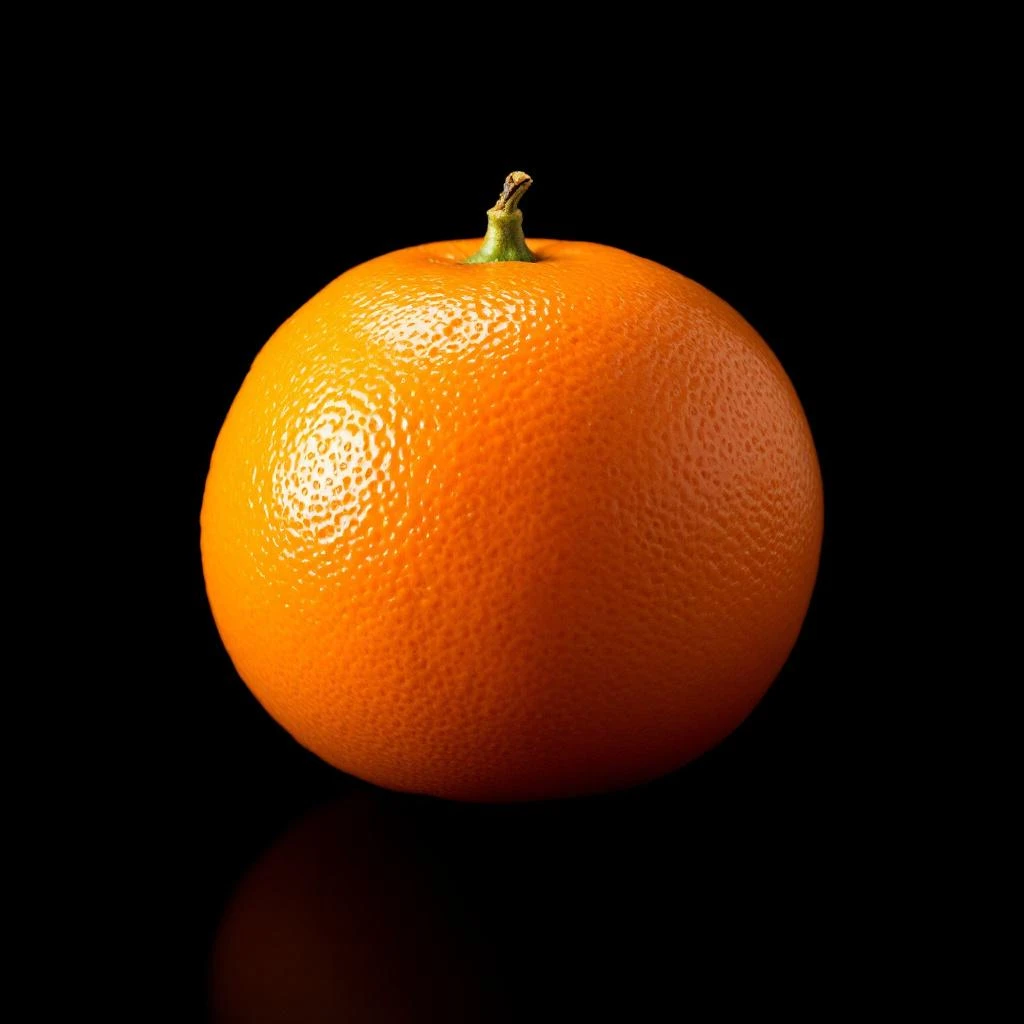
A nostalgic American icon translated into scent form. The root beer note captures sweet vanilla warmth, effervescent spice, and the earthy depth of wintergreen, creating a comfortingly familiar aroma that feels both retro and timeless.
Character
How it smells
Sweet spice, wintergreen warmth, and effervescent charm.
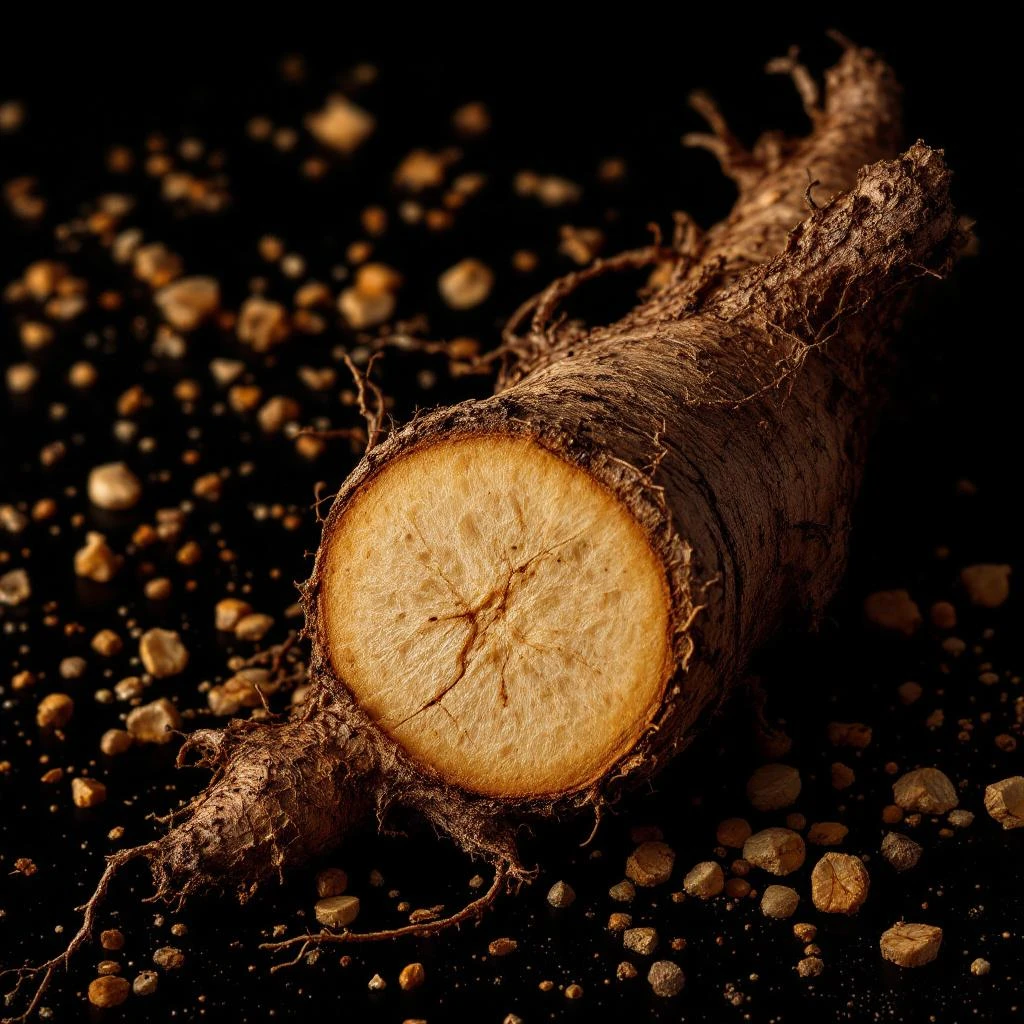
Natural sassafras root, once the soul of root beer, was banned by the FDA in the 1960s due to its safrole content. Modern root beer fragrance is crafted entirely from synthetic aromatic compounds.





Origin
United States
Long before root beer became a fountain drink, indigenous peoples of North America brewed tonics from sassafras bark and sarsaparilla root for both nourishment and ceremony. European colonists adopted these recipes, transforming them into the carbonated beverage now known as root beer. By the 19th century, family-owned breweries across America sold root beer as a temperance alternative to alcoholic drinks.
The flavor profile evolved to include birch bark, allspice, ginger, vanilla, and hops, creating the sweet-spice balance we recognize today. Charles Hires popularized the commercial version at the 1876 Philadelphia Centennial Exposition. Major brands like Hires, Barq's, and A&W built their identities on these traditional sassafras-based recipes.
When FDA restrictions eliminated safrole-containing ingredients in 1960, the industry pivoted entirely to artificial flavoring, a shift that paradoxically made the root beer note safer for perfumery use while preserving its cultural resonance.
Wears it best
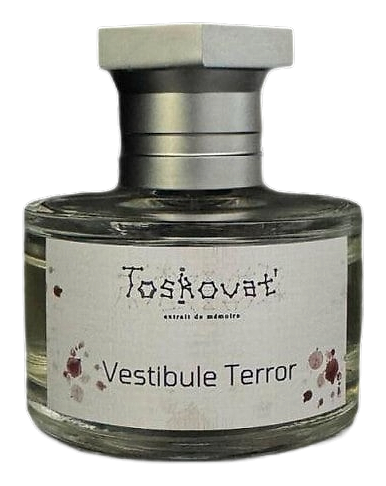
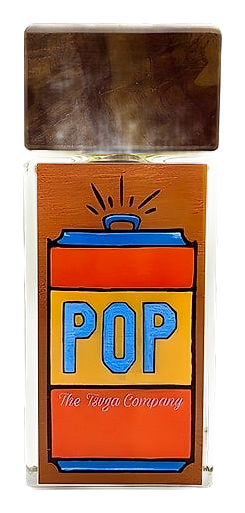
Fragrances featuring Root Beer
Brands
Brands known for Root Beer
Good to know
Questions, answered
The essentials on Root Beer in perfumery: how it smells, where it comes from, and how it behaves on skin.
Is root beer fragrance made from real sassafras?
No. Natural sassafras contains safrole, a compound banned by the FDA in 1960 due to carcinogenicity. Modern root beer fragrance is entirely synthetic, carefully blending safe aromachemicals to recreate the same aroma.
What chemicals create the root beer scent?
The accord combines methyl salicylate for wintergreen character, vanillin for sweetness, cinnamaldehyde for spice warmth, and anethole for subtle licorice depth. Together they capture the familiar root beer profile.
What does root beer smell like in perfume?
Root beer fragrance reads as sweet, spicy, and slightly medicinal. Expect vanilla warmth, wintergreen freshness, and an earthy-sweet base reminiscent of traditional root beer float nostalgia.
Is root beer fragrance safe for skin?
Yes. Because root beer fragrance uses only approved synthetics without safrole or other restricted natural materials, it meets IFRA safety standards and is considered appropriate for skin application in consumer products.
When did root beer become a fragrance ingredient?
Root beer entered perfumery as nostalgic Americana gained cultural appeal. The note became more common in the late 20th century as synthetic fragrance chemistry advanced, allowing precise replication of the aroma.
What products use root beer fragrance?
Root beer appears primarily in atmospheric and body care products including candles, soaps, and lotions. Niche masculine fragrances sometimes incorporate the note for vintage or novelty appeal.
Why is root beer considered a comfort scent?
The aroma triggers strong cultural associations in American consumers specifically, evoking childhood memories of soda fountains and summer celebrations. This nostalgic charge makes it emotionally resonant beyond its chemical composition.
Can root beer fragrance stand alone as a main note?
Root beer typically serves as an accent or bridge note rather than a dominant heart. It pairs well with vanilla, tonka bean, spices, and woody bases where its sweet-spice character supports broader oriental or gourmand compositions.