Roasted Orris Root
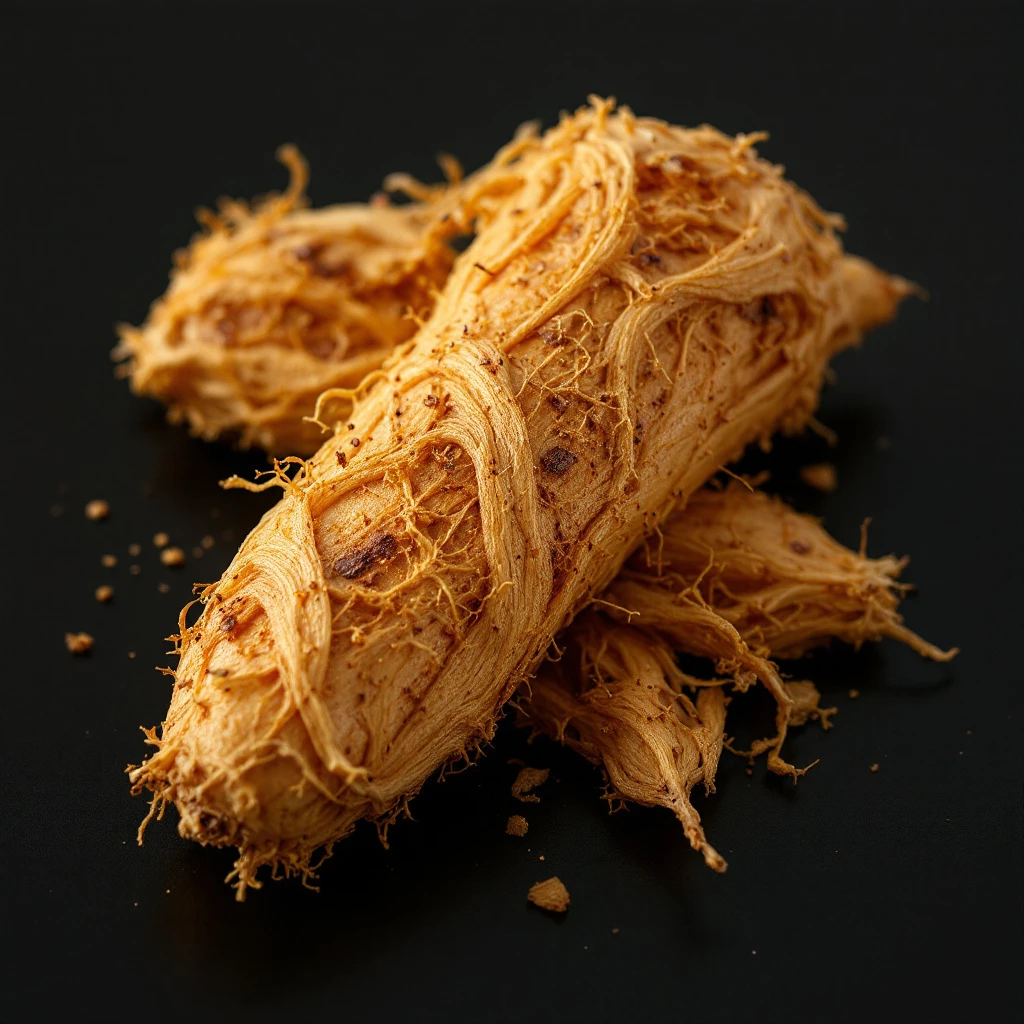
Roasted orris root delivers a powdery, violet-like warmth prized as a base note and fixative in fine perfumery. Sourced from aged iris rhizomes, its earthy depth anchors countless iconic compositions.
Character
How it smells
Powdery, creamy, violet, worth the six-year wait.
Orris rhizomes must age three to five years after harvest before their signature violet scent develops through slow enzymatic reactions.
Pairs beautifully with



Origin
Italy
Orris root has scented human civilization for at least three thousand years. Ancient Egyptians incorporated ground iris rhizomes into perfumed oils, cosmetic unguents, and ceremonial offerings, valuing them as highly as frankincense. The Greeks and Romans adopted the ingredient enthusiastically; Pliny the Elder documented iris cultivation in detail, recommending the root for both fragrance and medicinal purposes.
During the medieval period, orris earned the common name Queen Elizabeth Root in England, where it appeared in potpourris, sachets, and scented linens. By the Renaissance, Florence and Venice had become major processing centers, with Tuscan iris fields supplying perfumers across Europe. The nineteenth century brought orris into the heart of modern perfumery, where it functions as both a fragrance and a fixative, anchoring more volatile top and heart notes for hours on skin.
Iris pallida remains the dominant cultivar today, with fields stretching across the hillsides of Tuscany and extending into Morocco's Atlas foothills.
Wears it best
Fragrances featuring Roasted Orris Root
Brands
Brands known for Roasted Orris Root
Good to know
Questions, answered
The essentials on Roasted Orris Root in perfumery: how it smells, where it comes from, and how it behaves on skin.
What does roasted orris root smell like?
Roasted orris root carries a powdery, creamy, violet-like scent with subtle earthy warmth. The aroma develops only after the rhizomes age for several years, during which irones form through slow enzymatic breakdown.
Why is orris root so expensive?
Orris root commands high prices because Iris pallida rhizomes require three to six years of growth and aging before distillation. The final yield is roughly two kilograms of orris butter per ton of processed roots.
How is orris butter extracted?
Producers grind aged, dried rhizomes and process them through steam distillation to create orris concrete. A subsequent alcohol wash removes plant waxes, concentrating the material into pure orris butter.
Where is orris root primarily grown?
Most perfumery-grade orris comes from Iris pallida fields in Tuscany, Italy, with additional cultivation in Morocco's Atlas region. Tuscan iris has been processed for fragrance since the Renaissance.
Is orris root a base note or fixative?
Orris functions as both. Its heavy molecular weight gives it lasting power on skin, while its soft violet character grounds brighter top and heart notes without overpowering them.
Can orris root be synthesized?
Yes. Chemists have created synthetic irones, though perfumers widely regard natural orris butter as richer and more nuanced. Many compositions blend synthetic and natural versions for cost stability.
How long do orris rhizomes age before use?
Rhizomes typically dry and cure for three to five years after harvest. This extended aging is essential: the enzymatic reactions that produce irones cannot occur in fresh root material.
What is the difference between orris root and iris flower?
The iris flower carries almost no fragrance worth extracting. Virtually all perfumery value sits in the underground rhizome, which develops its scent only through years of careful aging.