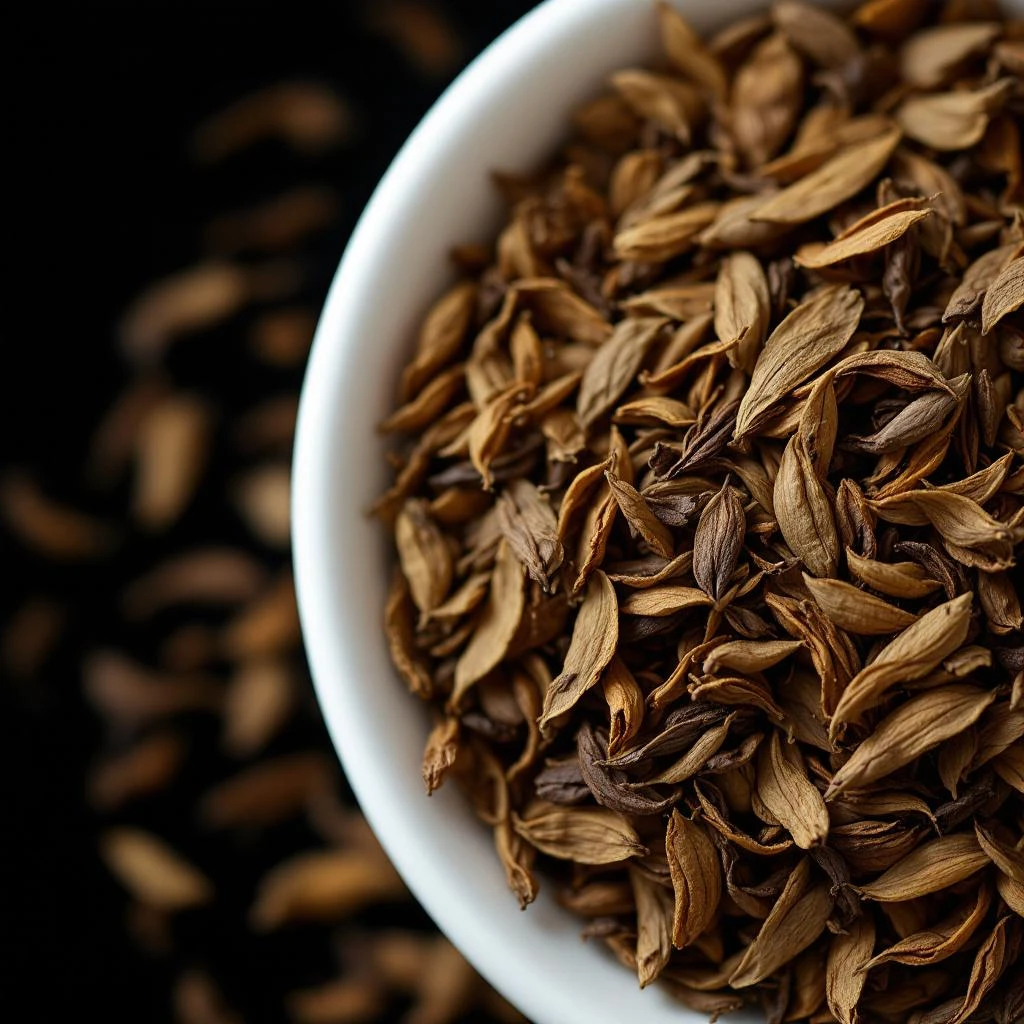
Resurrection Fern
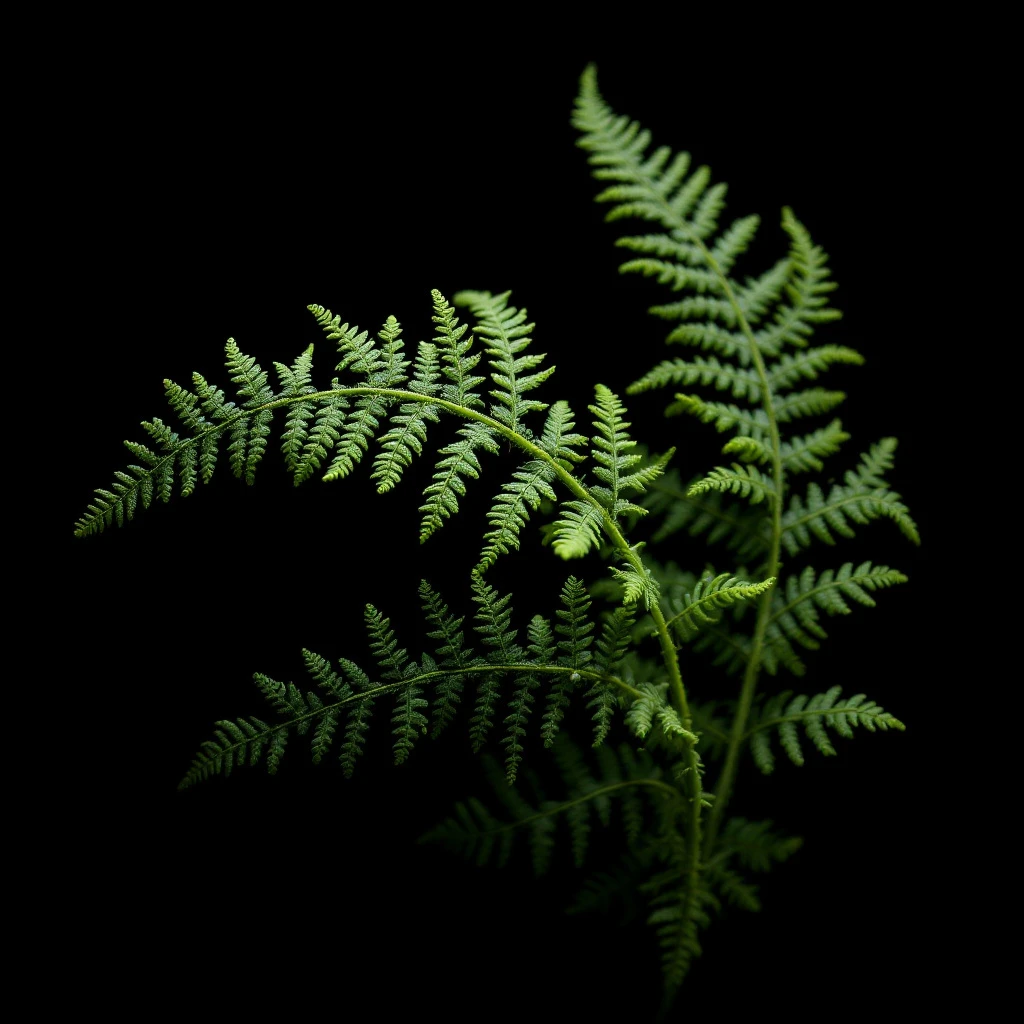
Resurrection Fern is a living paradox: a plant that appears dead for months, then greens within hours of rainfall. Its scent profile remains largely untapped in perfumery, though its name evokes themes of renewal and quiet survival.
Character
How it smells
The fern that refuses to die
Pleopeltis polypodioides can lose 97% of its water content and revive within 24 hours of rain, earning it the title of resurrection plant.
Pairs beautifully with
Origin
United States
The word fern carried weight in 19th century Europe, where the 1882 launch of Houbigant's Fougère Royale by perfumer Paul Parquet effectively created an entire fragrance family. That classic fougère structure, built on lavender, coumarin, oakmoss, and geranium, defined masculine perfumery for over a century.
In 1884, French chemist Joseph Robert developed solvent extraction methods that allowed perfumers to capture delicate botanical essences previously inaccessible through distillation. The same era saw naturalists cataloging Pleopeltis polypodioides across the Americas, fascinated by its capacity to curl brown and seemingly perish in drought, only to unfurl green again after rain.
Indigenous communities in the southeastern United States, Mexico, and Central America had long observed and used the plant medicinally. The connection between the literal resurrection fern and the fougère concept in perfumery is largely symbolic: the fougère accord is a construction, not an extract, yet the name has carried romantic associations with wild, primordial greenness for over 140 years.
Wears it best
Fragrances featuring Resurrection Fern
Brands
Brands known for Resurrection Fern
Good to know
Questions, answered
The essentials on Resurrection Fern in perfumery: how it smells, where it comes from, and how it behaves on skin.
What does Resurrection Fern smell like?
True Resurrection Fern has a faint, mossy-green, mineral character when tinctured in alcohol. It produces minimal volatile compounds, so most perfumers simulate its essence using a fougère accord built from lavender, coumarin, and oakmoss.
Is Resurrection Fern used in commercial perfumes?
No commercial perfume extracts Resurrection Fern as a standalone ingredient. The plant yields very few aromatic molecules, making standard extraction impractical. Its name appears more often as a marketing concept than a literal note.
Why is it called Resurrection Fern?
The plant survives extreme desiccation, losing up to 97% of its water content, then revives within 24 hours of rainfall. Scientists at the University of New Mexico documented this revival mechanism in detail during the 1990s.
Where does Resurrection Fern grow?
Pleopeltis polypodioides ranges across the southeastern United States, Mexico, Central America, and parts of South America. It commonly grows as an epiphyte on oak and cypress branches in humid woodland environments.
What is a fougère fragrance?
Fougère, French for fern, describes a fragrance family launched in 1882 with Houbigant's Fougère Royale. The structure combines lavender, coumarin, oakmoss, and geranium to create a cool, herbaceous green profile.
Can you extract essential oil from ferns?
Ferns do not produce essential oils in commercially viable quantities. Most ferns lack the glandular structures found in aromatic flowering plants, which is why the fougère category relies on constructed accords rather than true fern extracts.
Is Resurrection Fern the same as Rose of Jericho?
No, they are different plants with similar survival strategies. Rose of Jericho (Anastatica hierochuntica) is a desert plant native to North Africa and the Middle East, while Resurrection Fern is a tropical epiphytic fern native to the Americas.
Is Resurrection Fern endangered?
Resurrection Fern is not endangered; it is common throughout its range and classified as a species of least concern. However, habitat loss in old-growth forests reduces the ancient oak and cypress trees it depends on for growth.