Resinous Woods
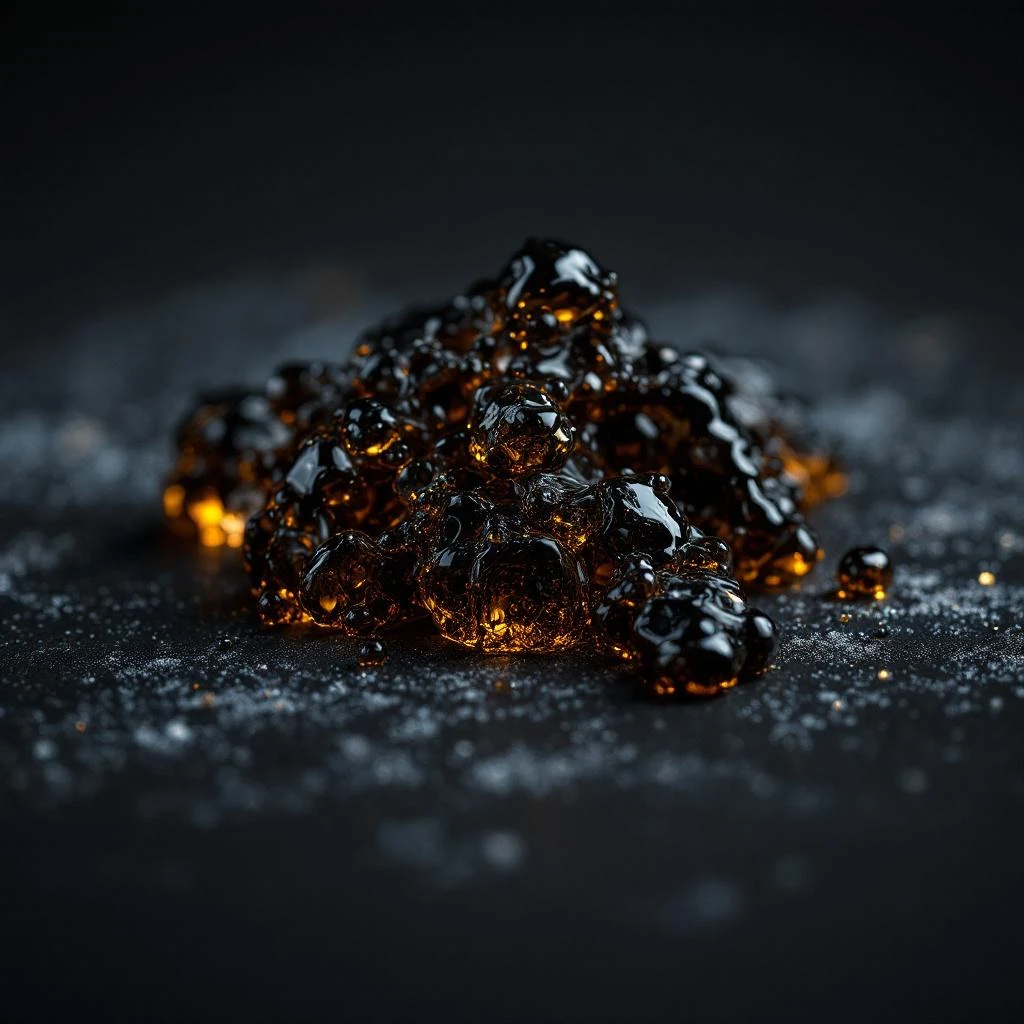
Resinous woods carry the soul of ancient trees—aromatic heartwood infused with centuries of botanical defense, distilled into perfume's most treasured base notes.
Character
How it smells
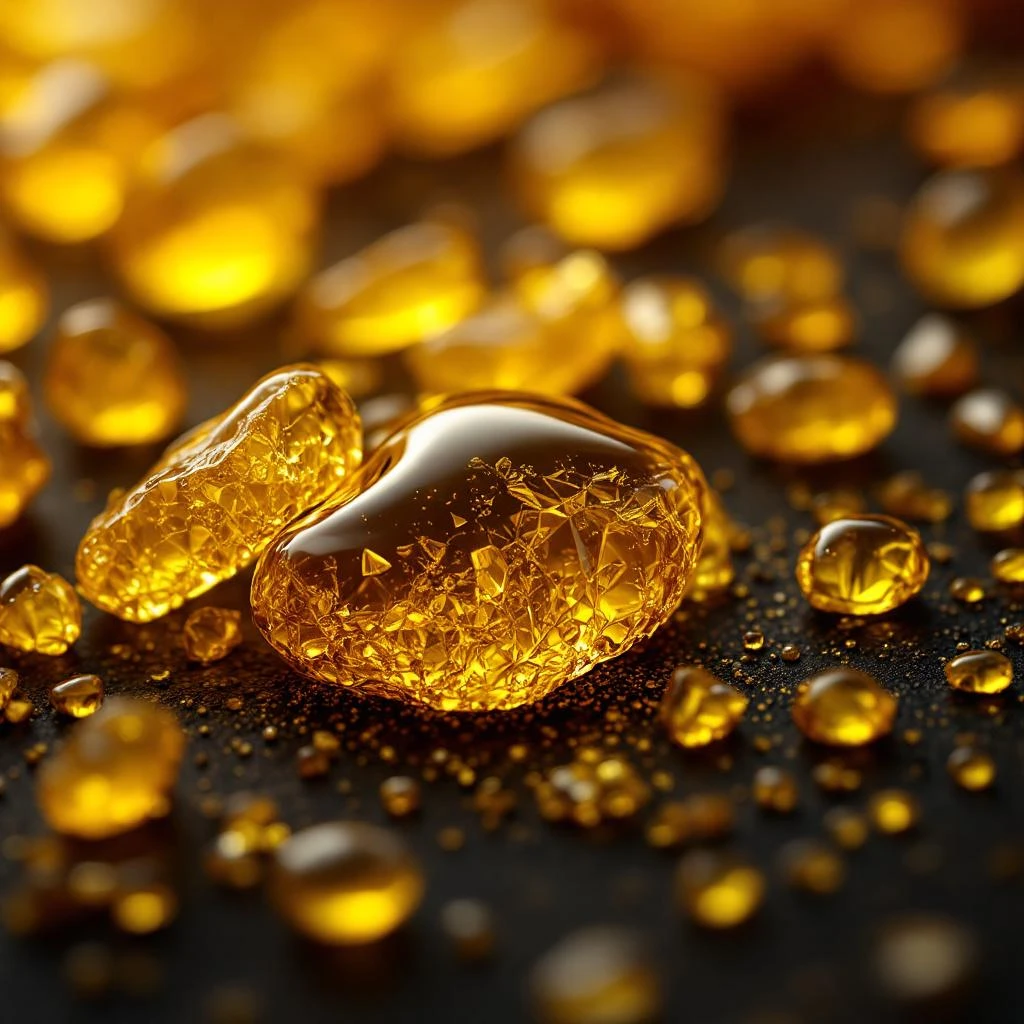
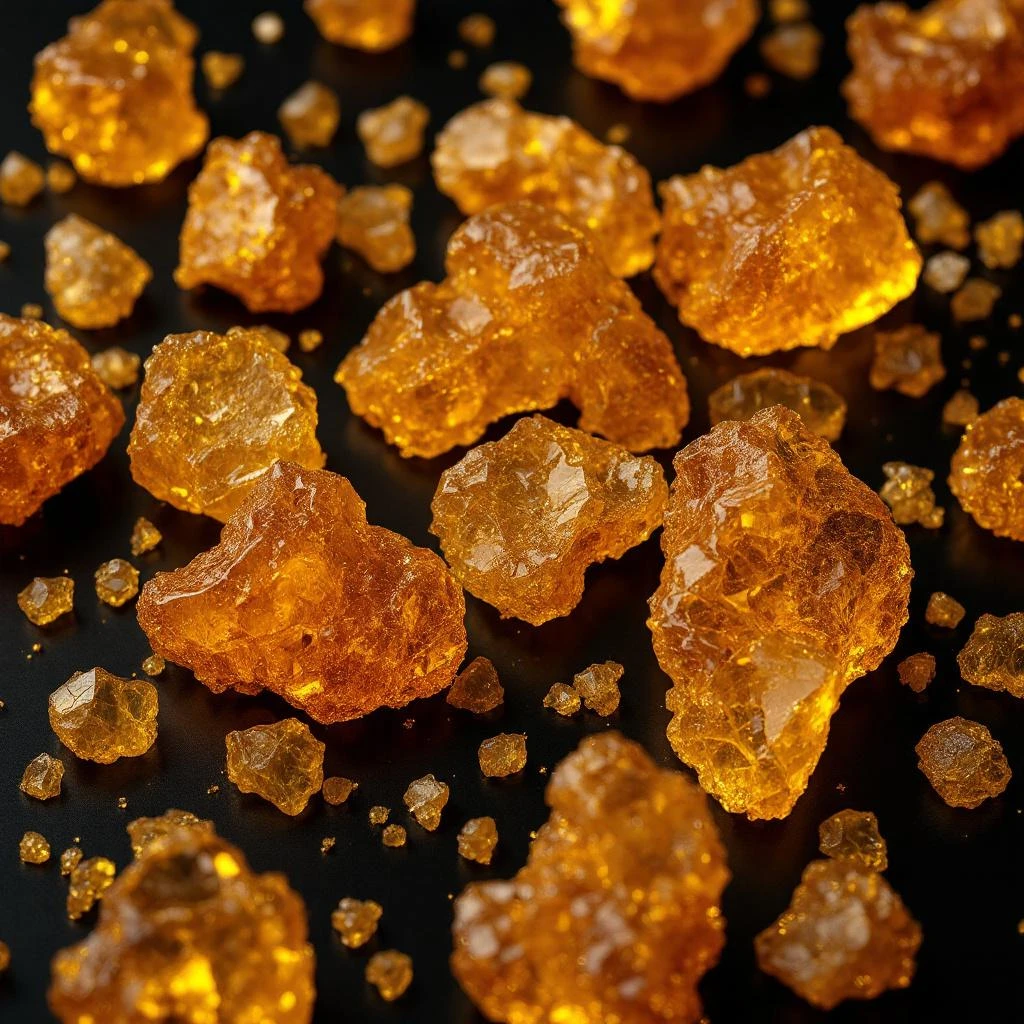
Nature's most expensive aromatic defense.
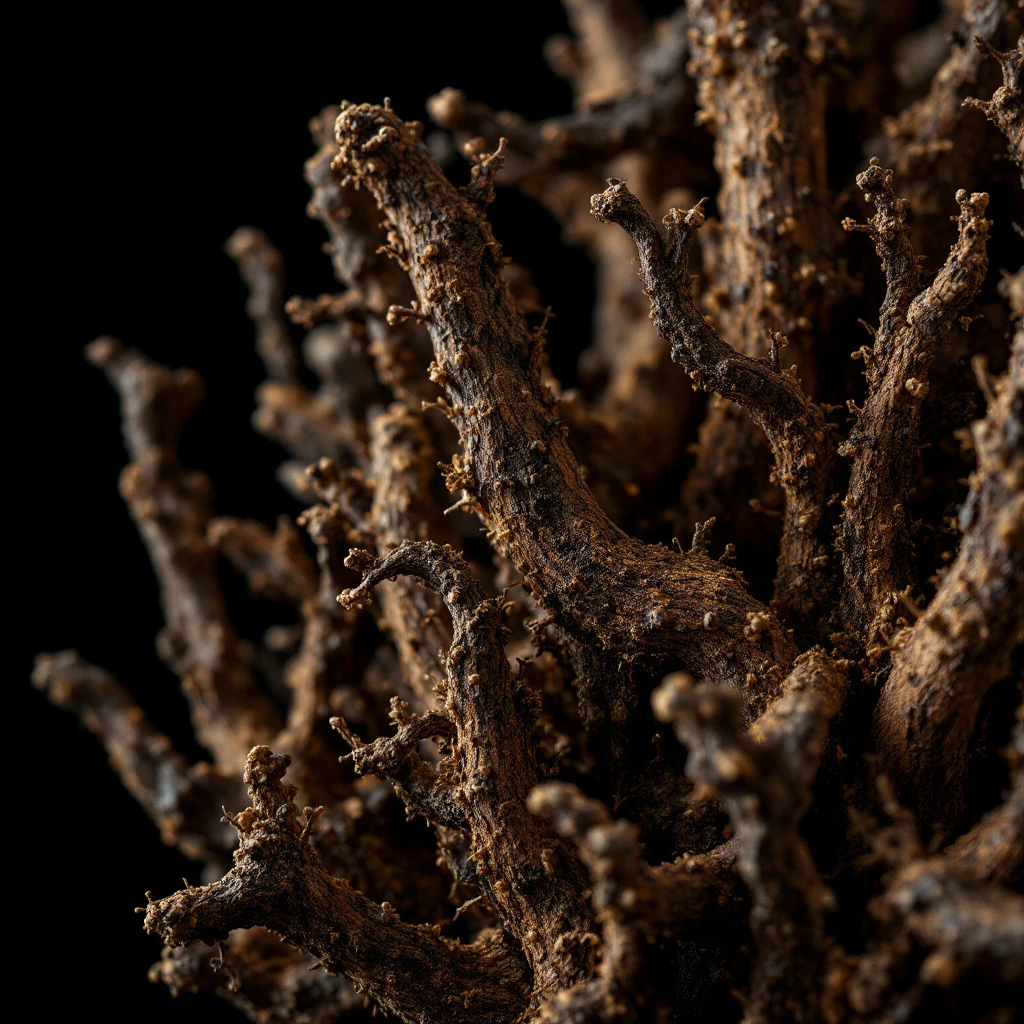
Some agarwood trees require over 50 years of natural infection to develop commercially viable resin, making each drop a distillation of half a century.




Origin
India
Resinous woods rank among perfumery's oldest and most revered materials. Agarwood anchors sacred traditions across Buddhist, Hindu, and Islamic cultures in Asia, appearing in temple offerings, meditation practices, and ceremonial incense for thousands of years.
Ancient Arab and Persian traders carried these woods along established routes, distributing them throughout the Middle East and Mediterranean. Medieval European apothecaries prized agarwood for medicinal applications before fragrance became its primary use.
The trade flourished along maritime routes connecting India to Arabia and China by the Tang Dynasty. Today, markets in Southeast Asia and the Arabian Peninsula continue trading the finest resinous woods, where prices reflect both rarity and the centuries of accumulated botanical history sealed within each piece.
Wears it best
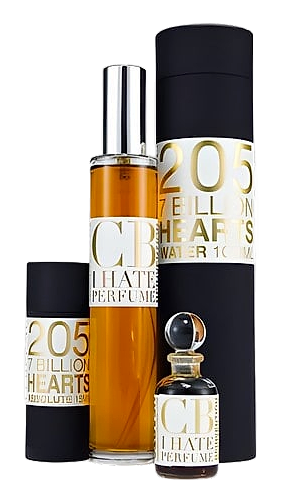
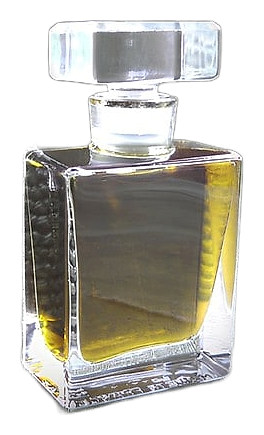
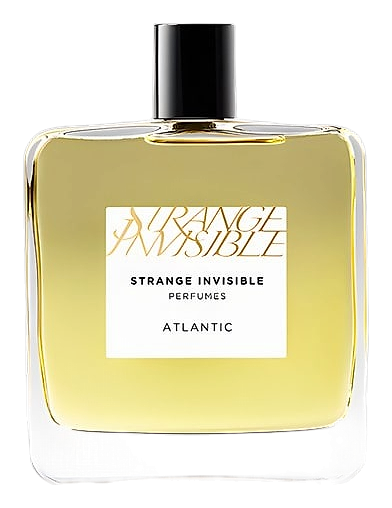
Fragrances featuring Resinous Woods
Brands
Brands known for Resinous Woods
Good to know
Questions, answered
The essentials on Resinous Woods in perfumery: how it smells, where it comes from, and how it behaves on skin.
What are resinous woods in perfumery?
Resinous woods are aromatic heartwoods that have developed dense, aromatic resin over decades, typically through a tree's natural defense response to infection or damage. Oud, benzoin, and dragon's blood fall into this category, prized for their complex, long-lasting base notes.
How do trees produce resinous wood?
A tree's immune response to infection or insect attack triggers resin production. As the tree defends itself, it saturates heartwood with aromatic compounds over decades. Only naturally infected trees produce usable resin, making the process impossible to accelerate artificially.
Why are resinous woods among the most expensive fragrance ingredients?
High demand combined with extreme scarcity drives prices. Aquilaria trees require decades of natural infection to develop resin, and only a small percentage of trees in the wild produce usable material. This supply constraint consistently keeps natural resinous woods among the costliest ingredients available.
What does resinous wood smell like?
Resinous woods offer complex, layered profiles: dark honey and molasses sweetness give way to smoky, balsamic warmth and animalic leather. Medicinal and camphoraceous undertones often emerge, with drydown deepening into rich, grounding base notes.
What traditional uses do resinous woods have beyond perfumery?
Cultures across Asia have burned resinous woods in religious ceremonies for millennia—Buddhist monks use agarwood in meditation, while Arabian traditions blend oud chips with other botanicals. The wood appears in traditional Chinese medicine and remains central to cultural practices from Japan to the Middle East.
How do resinous woods differ from other perfumery woods like cedar?
Cedar and sandalwood offer clean, dry woody aromas. Resinous woods carry decades of accumulated botanical history—the defensive response of a living tree. This translates into richer, more complex profiles with significantly greater longevity and sillage on skin and fabric.
How long does the scent of resinous woods last?
As base notes, resinous woods typically last 24 hours or more on skin, extending to 48 to 72 hours on fabric. This exceptional longevity reflects the molecular weight and concentration of the aromatic compounds developed over decades within the wood.
What other fragrance notes pair well with resinous woods?
Resinous woods anchor and enrich floral heart notes like rose and jasmine, adding depth to oriental bases with sandalwood, amber, and vanilla. Incense-oriented compositions featuring frankincense and myrrh create natural synergy, as do spicy accords with cardamom and saffron.