Residual Smoke
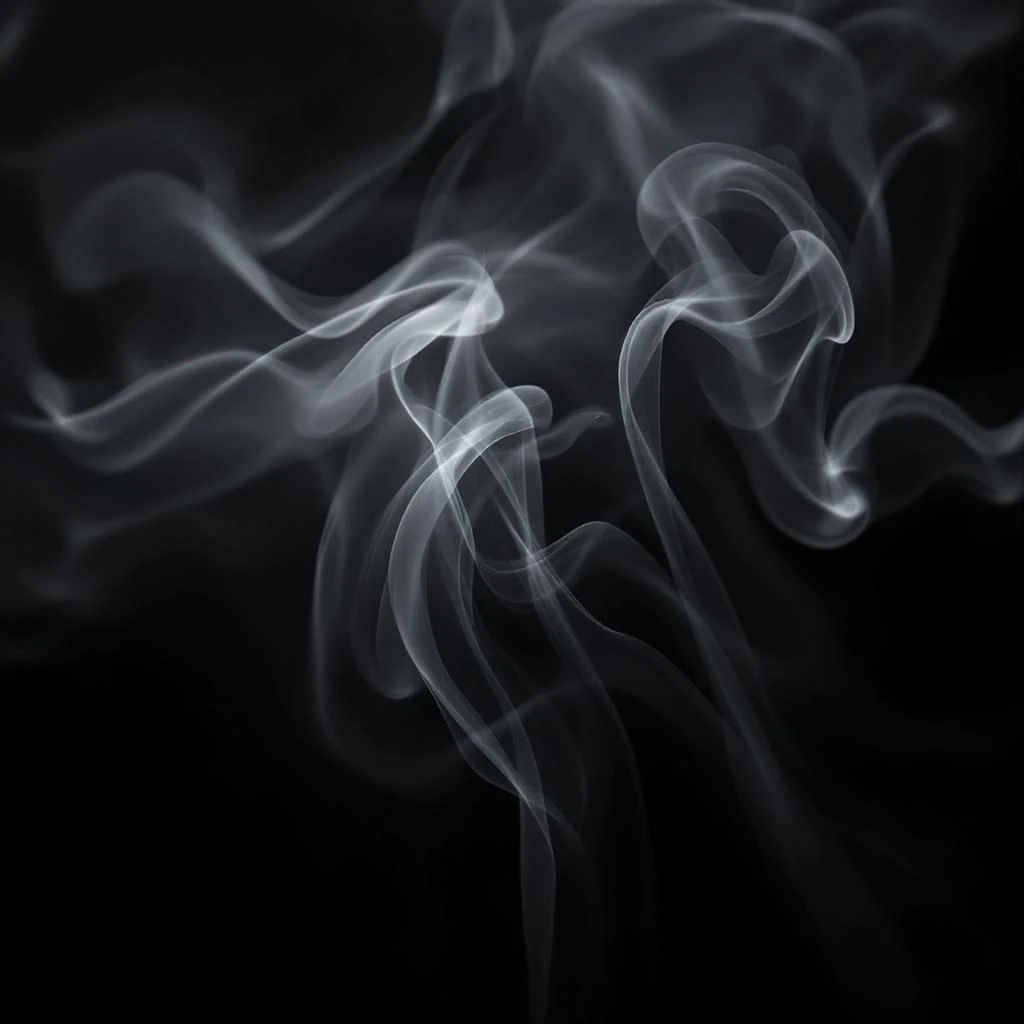
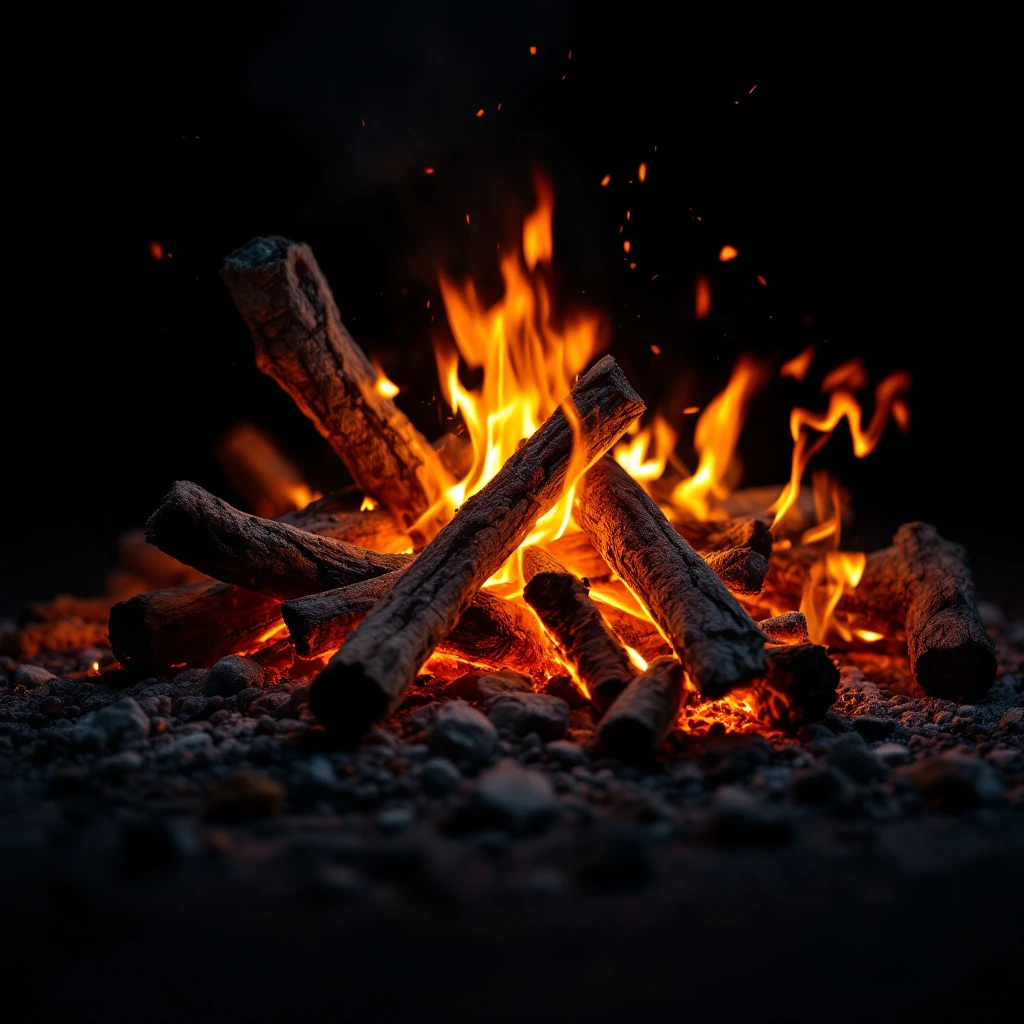
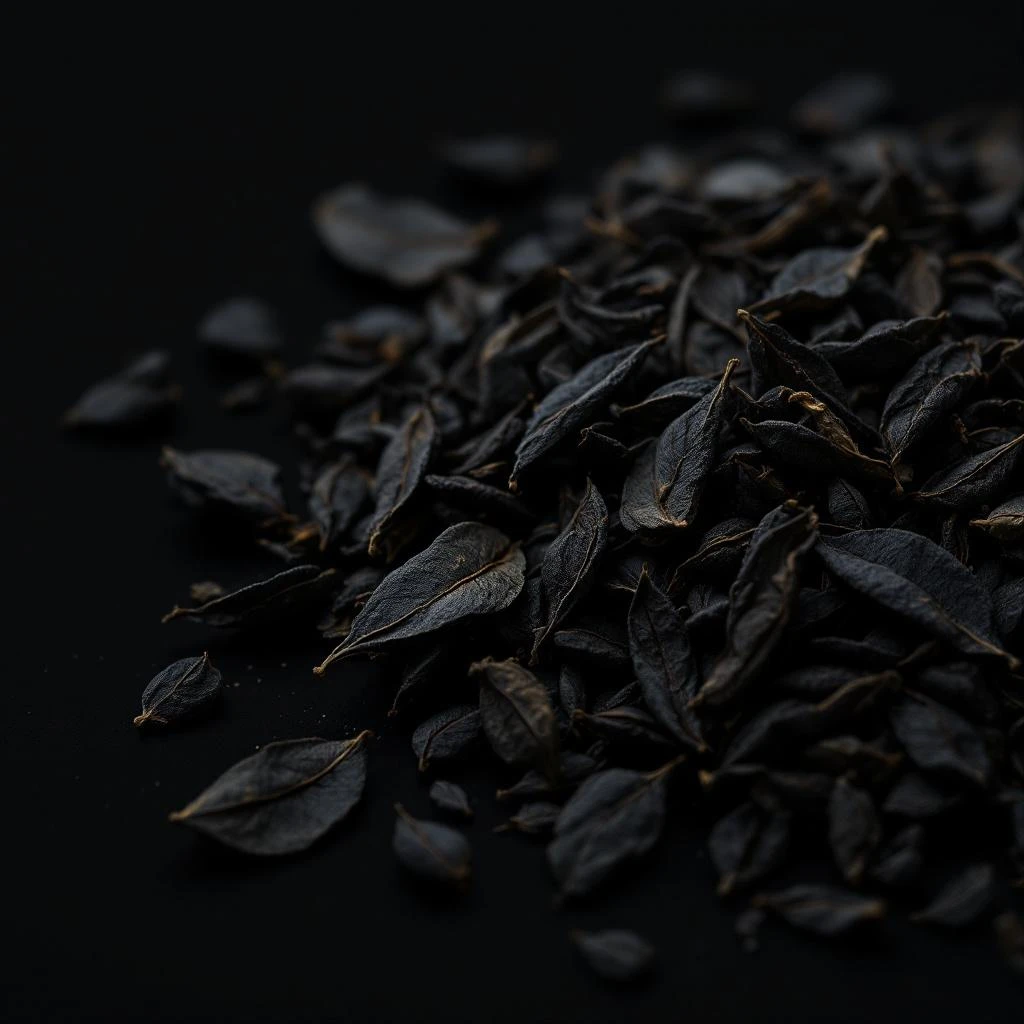
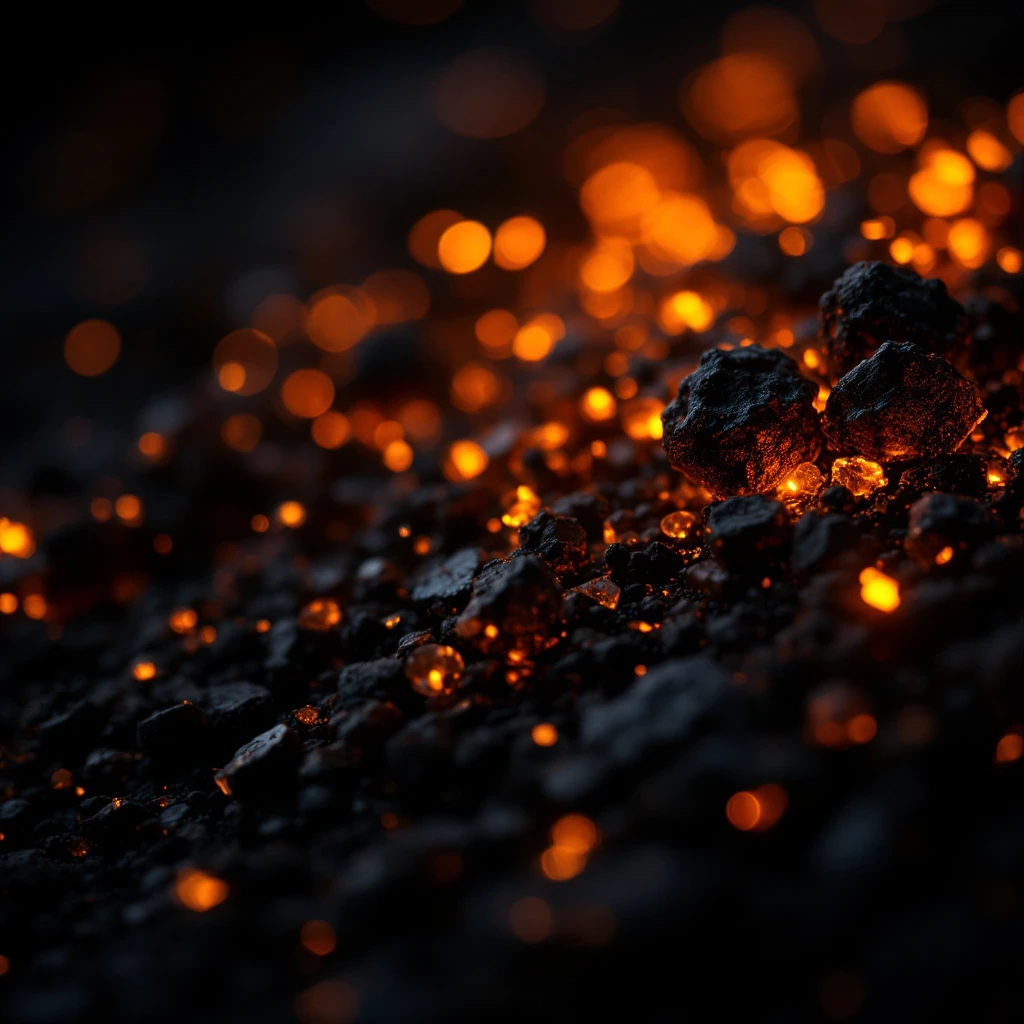
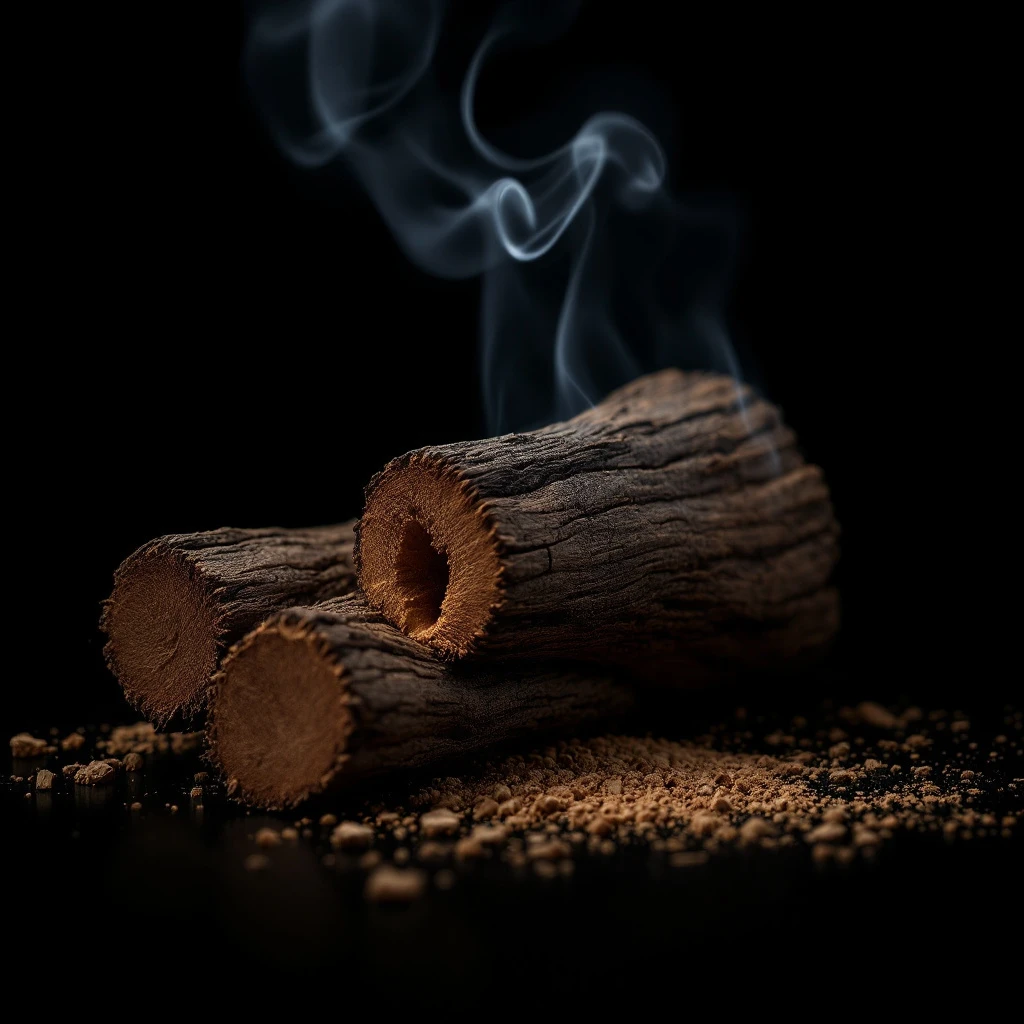
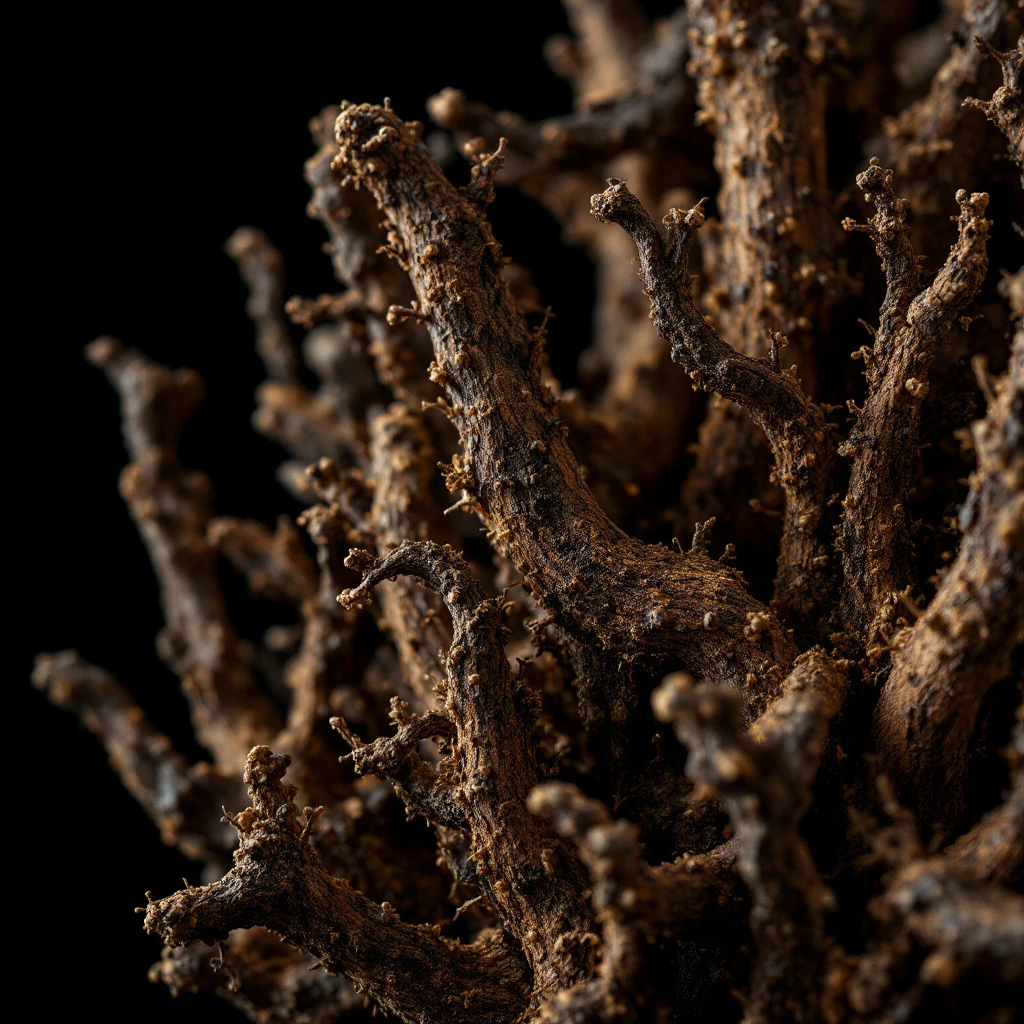
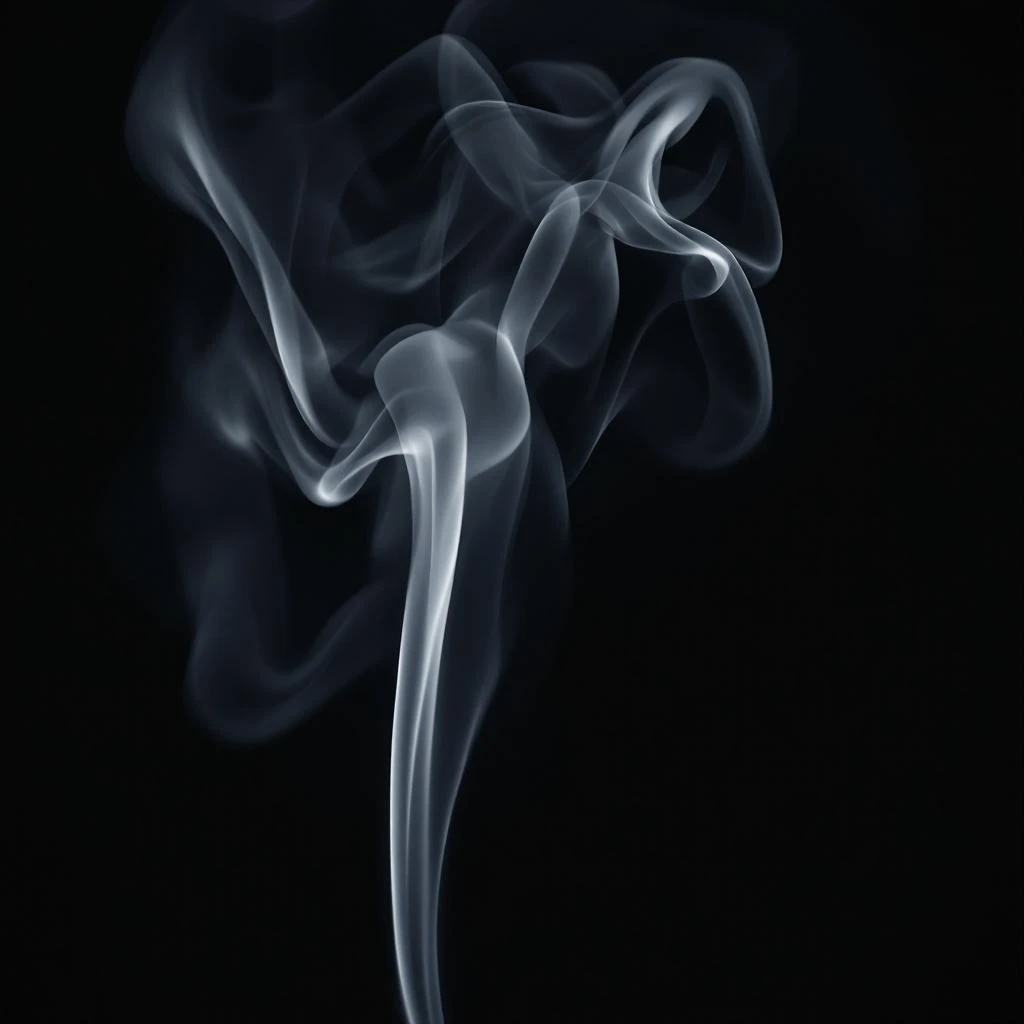
The ghost of a dying ember. Residual smoke captures the quiet, aromatic warmth left after flames fade—medicinal, charred, and deeply primal. It lingers like the memory of a hearth, not the blaze itself but its quiet aftermath.
Character
How it smells
The memory of fire. The warmth that remains.
The word 'perfume' derives from the Latin 'per fumum,' meaning 'through smoke'—an ancient link that smoke notes honor every time they appear in a fragrance.
Pairs beautifully with


Origin
France
Smoke accompanied the earliest human rituals. Ancient cultures burned resins, woods, and herbs to create sacred atmospheres, and the Latin phrase 'per fumum' literally translates to 'through smoke'—the etymological root of our word 'perfume.'
Priests in Egypt, priests in Greece, and shamans across Asia used smoke as a medium between earthly and divine realms. When modern perfumery emerged in the late nineteenth century, smoke notes initially remained rare, associated mainly with rustic fragrances.
The 1970s and 1980s brought a revolution: perfumers like Yves Saint Laurent and Tom Ford incorporated smoke into mainstream luxury fragrances, legitimizing it as a sophisticated, complex note. Today, residual smoke appears in countless compositions, valued for its primal resonance and its ability to ground lighter accords in something ancient and elemental.
Wears it best
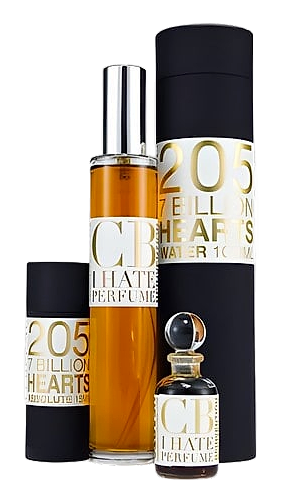
Fragrances featuring Residual Smoke
Brands
Brands known for Residual Smoke
Good to know
Questions, answered
The essentials on Residual Smoke in perfumery: how it smells, where it comes from, and how it behaves on skin.
What does residual smoke smell like?
Residual smoke smells like the quiet aftermath of a campfire—warm, faintly medicinal, and charred without being aggressive. It recalls embers cooling rather than wood actively burning, offering a contemplative rather than dramatic smoky impression.
Is residual smoke natural or synthetic?
Both forms exist. Natural residual smoke comes from dry distilling wood or condensing actual smoke. Synthetic versions recreate key compounds like guaiacol and cresols in a lab. Many perfumers blend natural and synthetic sources for complexity.
How does residual smoke differ from other smoke notes?
Residual smoke captures the lingering character after fire fades, whereas bold smoke notes evoke the fire itself. It sits quieter in a composition, serving as a foundation rather than a statement, and adds warmth without dominance.
Which fragrance families use residual smoke?
Woody, leathery, and chypre fragrances most commonly feature residual smoke. It also appears in modern fougère and certain oriental compositions where perfumers seek grounding warmth without heaviness.
Can I smell residual smoke in nature?
Yes. The quiet aroma of a forest hours after a controlled burn, the smell of weathered driftwood, or the warm stillness of a room where a fire has recently died all showcase residual smoke's character.
What chemistry creates smoke's aroma?
Guaiacol, cresols, and syringol drive smoke's aroma profile. Guaiacol provides the medicinal, smoky character; cresols add earthiness; syringol contributes sweet, clove-like warmth. Their ratios determine a smoke material's specific character.
Is residual smoke safe for skin application?
When properly distilled and diluted, residual smoke materials meet IFRA safety standards for cosmetic use. Concentrations in final fragrances remain low, typically below 1%, making them safe for most wearers.
What materials provide the best residual smoke?
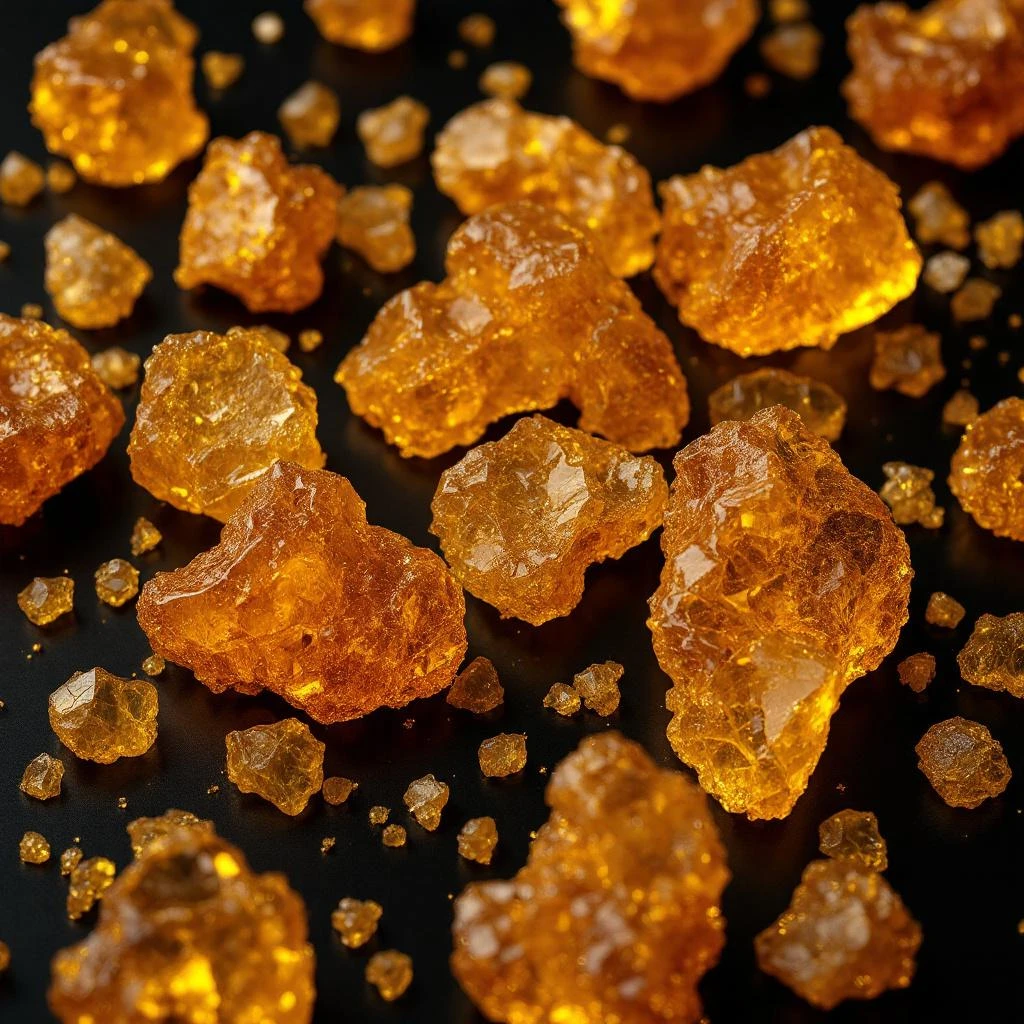
Birch tar delivers sharp, leathery smoke; cade oil offers medicinal, juniper-like qualities; smoked oak extract brings warm, bourbon-like depth. Perfumers often combine these to create balanced residual smoke effects.