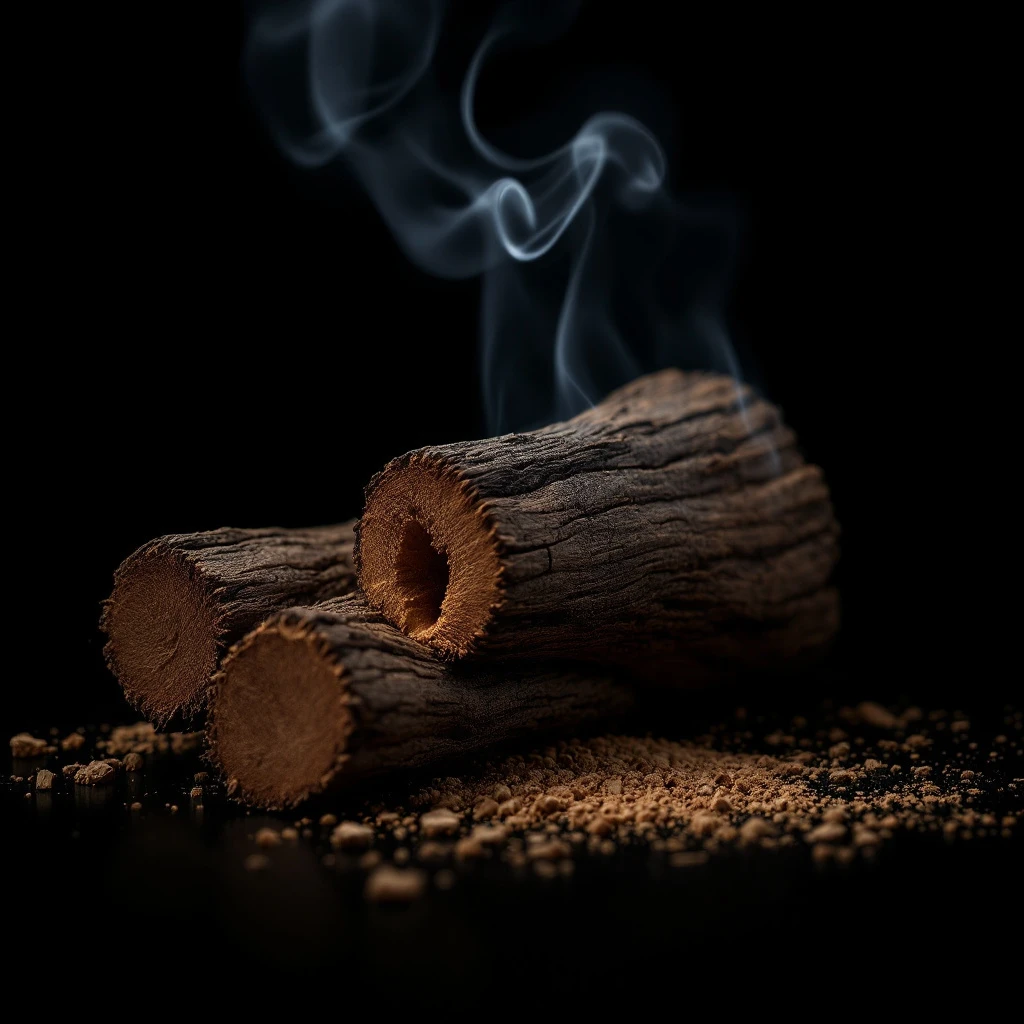
Resinous Smoke
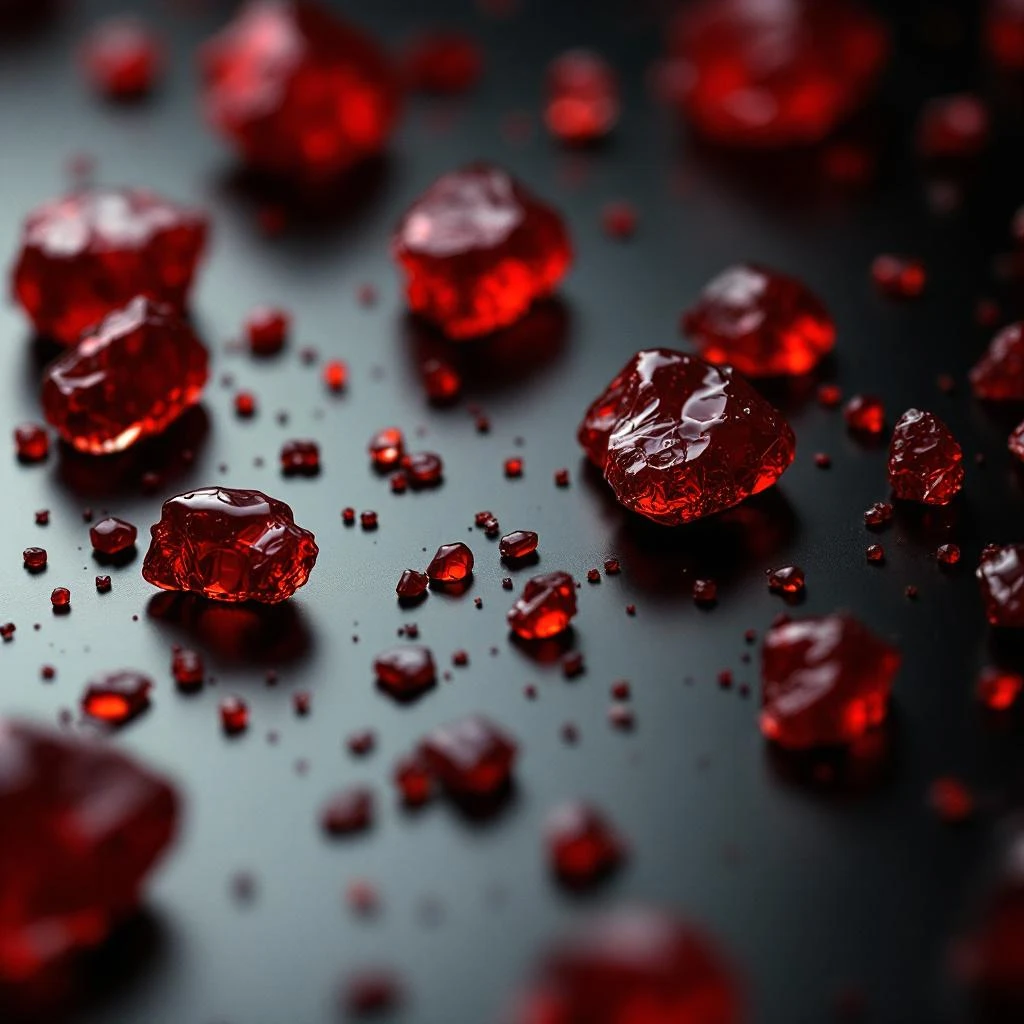
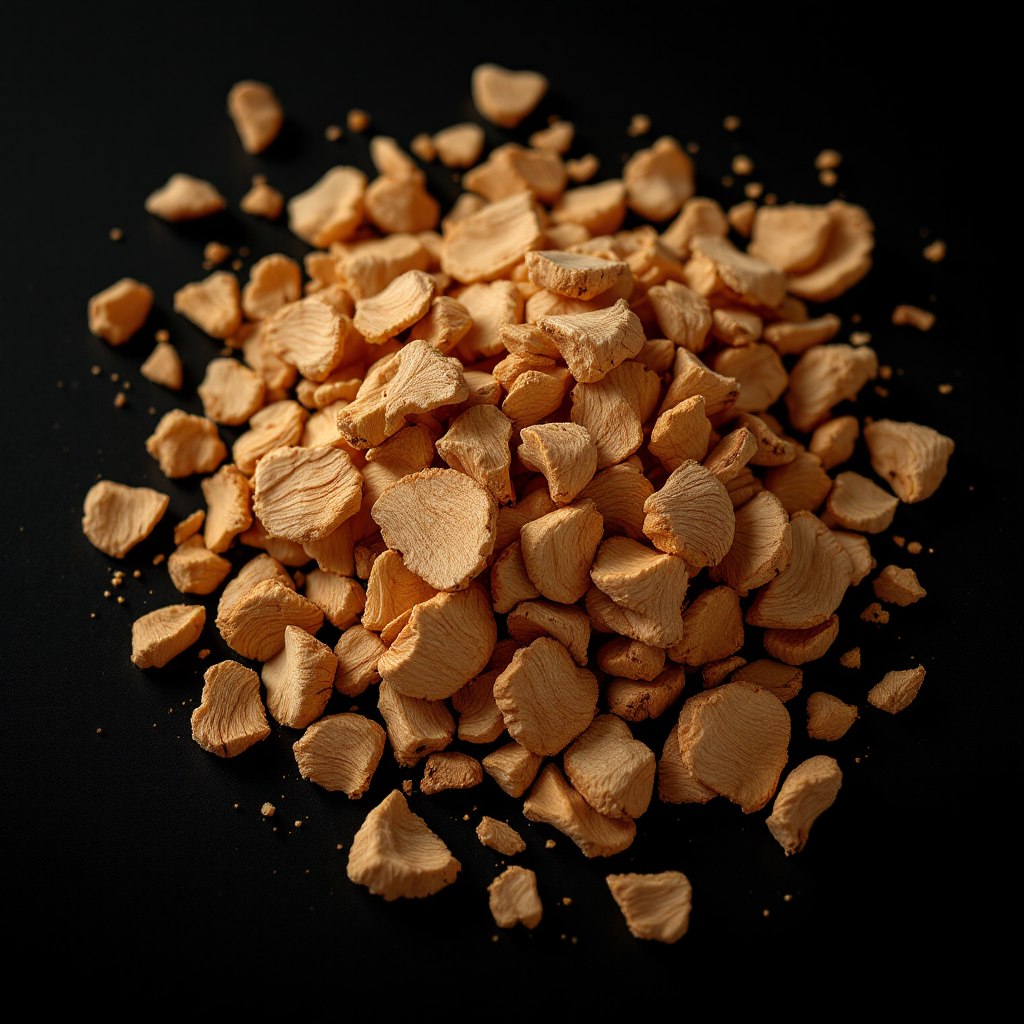
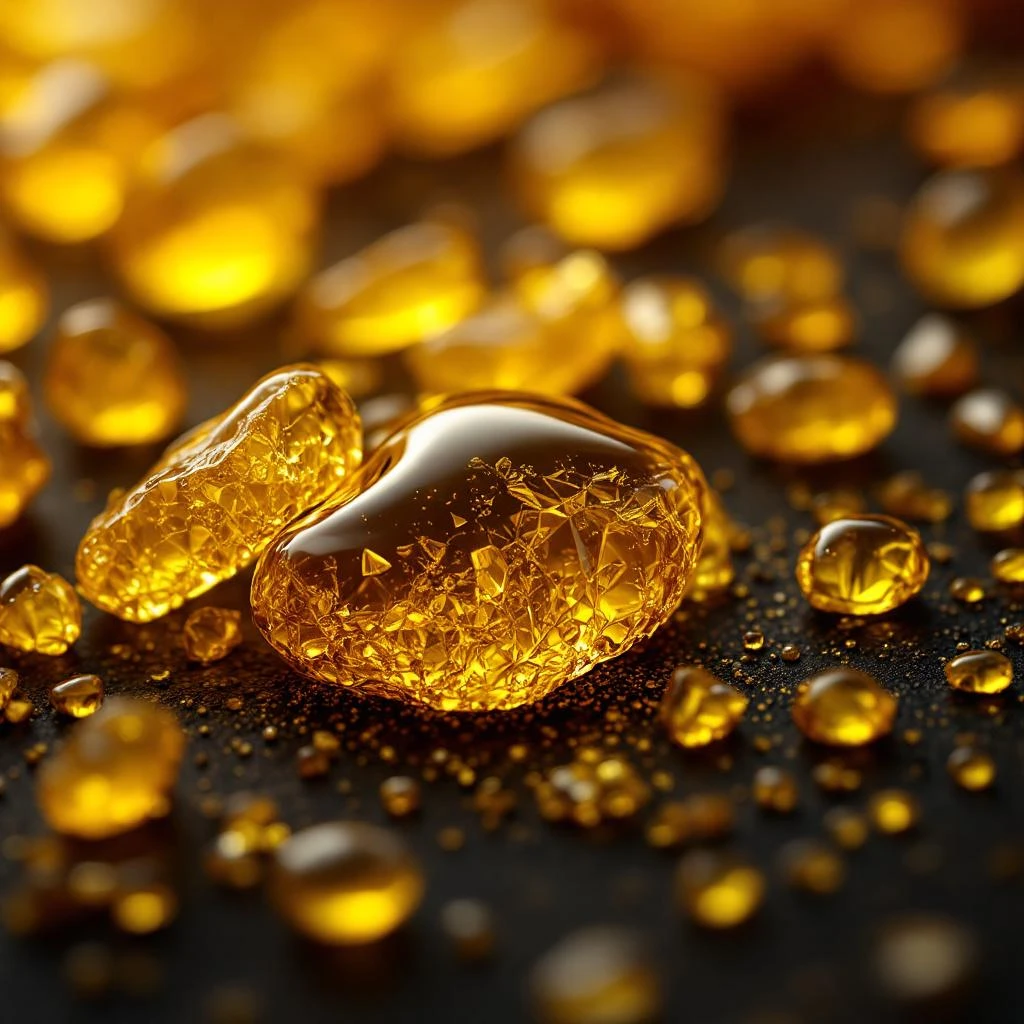
Resinous smoke captures the primal allure of burning incense and aromatic woods. In perfumery, this note blends the sacred depth of frankincense and myrrh with the dark warmth of smoked materials, creating fragrances that echo ancient ritual and firelit ceremony.
Character
How it smells
Ancient incense, reimagined in every bottle.
The word perfume comes from the Latin per fumum, meaning through smoke. The first perfumes were not worn but burned.

Origin
Somalia
Before perfume became something to dab on skin, it was something to burn. Ancient Egyptians filled temples with smoke from benzoin and kyphi, sacred blends meant to carry prayers to the gods.
The Greeks and Romans adopted incense practices, while Arabian traders built empires on frankincense routes stretching from the Horn of Africa to the Mediterranean. The word itself tells the story: perfume derives from the Latin per fumum, literally through smoke.
These ancient cultures understood that smoke carries meaning, marking transitions between ordinary life and the sacred. Modern perfumery inherited this primal vocabulary, translating burning incense into wearable forms that evoke ritual, warmth, and the profound quiet of firelit spaces.
Wears it best
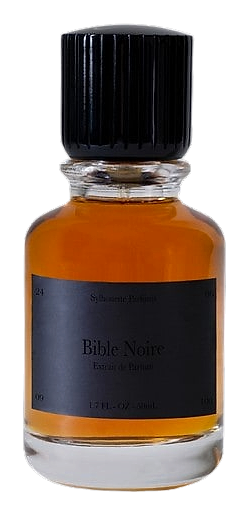
Fragrances featuring Resinous Smoke
Brands
Brands known for Resinous Smoke
Good to know
Questions, answered
The essentials on Resinous Smoke in perfumery: how it smells, where it comes from, and how it behaves on skin.
What does resinous smoke smell like?
Resinous smoke combines warm, balsamic sweetness with dry, ashy undertones. Think frankincense with a campfire edge. The note reads as meditative and slightly sacred, with a distinctive warmth that lingers on skin.
Is resinous smoke natural or synthetic?
Both exist in perfumery. Natural resinous smoke comes from distilled or extracted tree resins like frankincense, myrrh, and benzoin. Modern perfumers also use synthetic aroma chemicals designed to replicate smoky, warm characteristics with greater consistency.
Which classic ingredients create resinous smoke?
Frankincense (Boswellia carterii), myrrh (Commiphora myrrha), and birch tar oil rank among the most used natural materials. These resins produce warm, smoky, slightly sweet signatures when burned or distilled.
Does resinous smoke smell like actual smoke?
Not exactly. Resinous smoke is softer and more balsamic than wood smoke. It carries the meditative quality of incense rather than the sharp, acrid edge of a campfire. It reads as warmth without harshness.
What fragrances feature resinous smoke prominently?
Several niche and designer fragrances highlight this note. The exact composition varies by house, but resinous smoke appears in warm, oriential, and contemplative fragrance families across the market.
Is resinous smoke safe for skin use?
When properly diluted for perfumery, resinous smoke materials meet International Fragrance Association safety guidelines. Individual materials carry specific usage concentration limits that manufacturers follow.
How does resinous smoke interact with other fragrance notes?
Resinous smoke adds depth and grounding to bright top notes. It anchors lighter florals, amplifies woody bases, and gives oriential blends their characteristic warmth and longevity on skin.
Can resinous smoke be used in candle and home fragrance products?
Yes. Many candle makers use actual resin chips or fragrance oils containing resinous smoke accords. The note translates well to home products where the smoky, meditative character creates atmosphere.