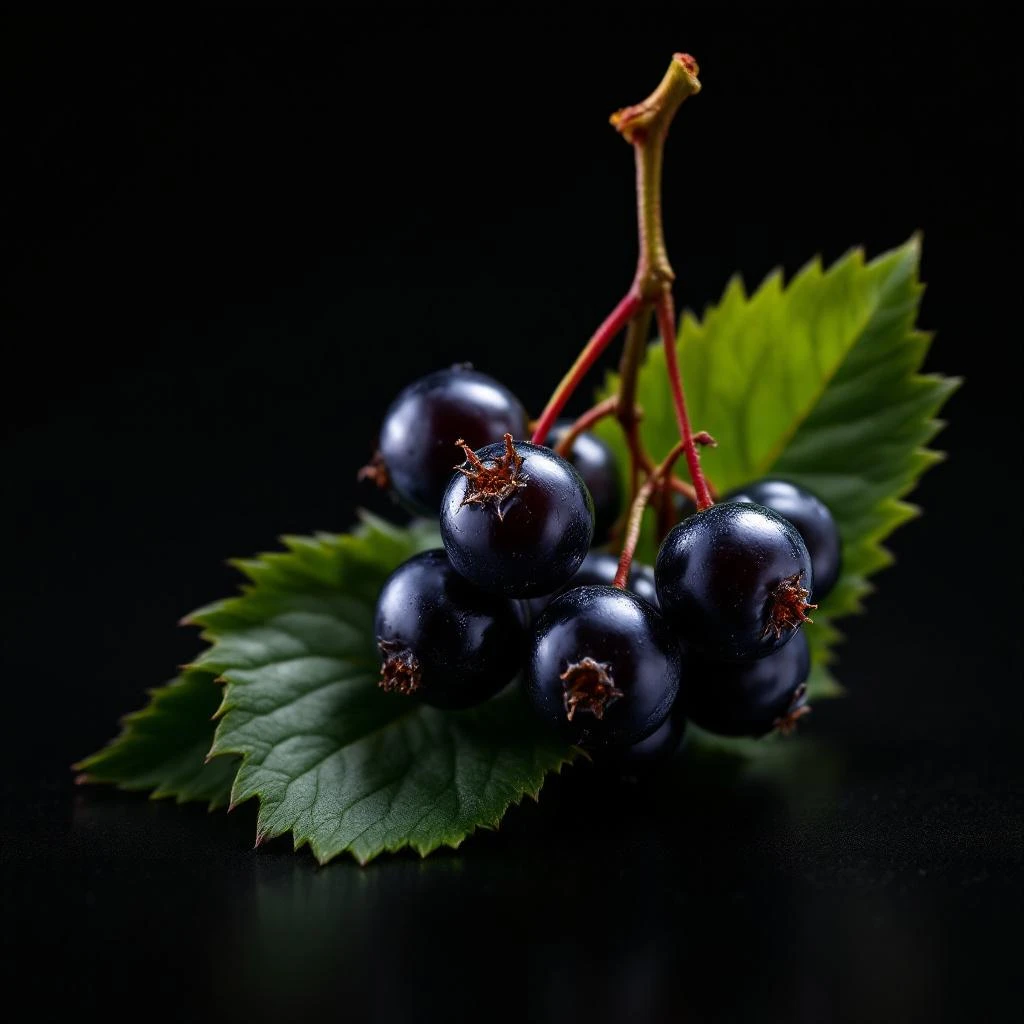
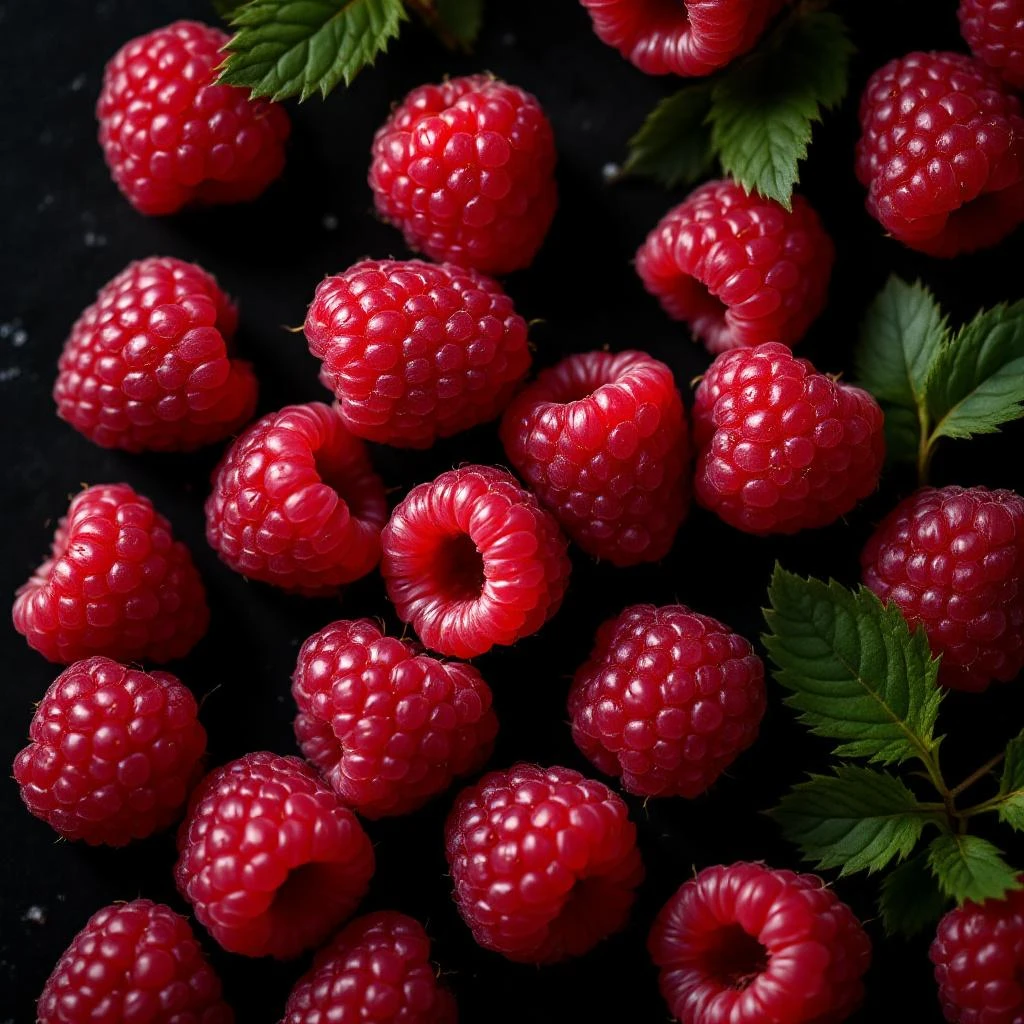
Redcurrant Leaf
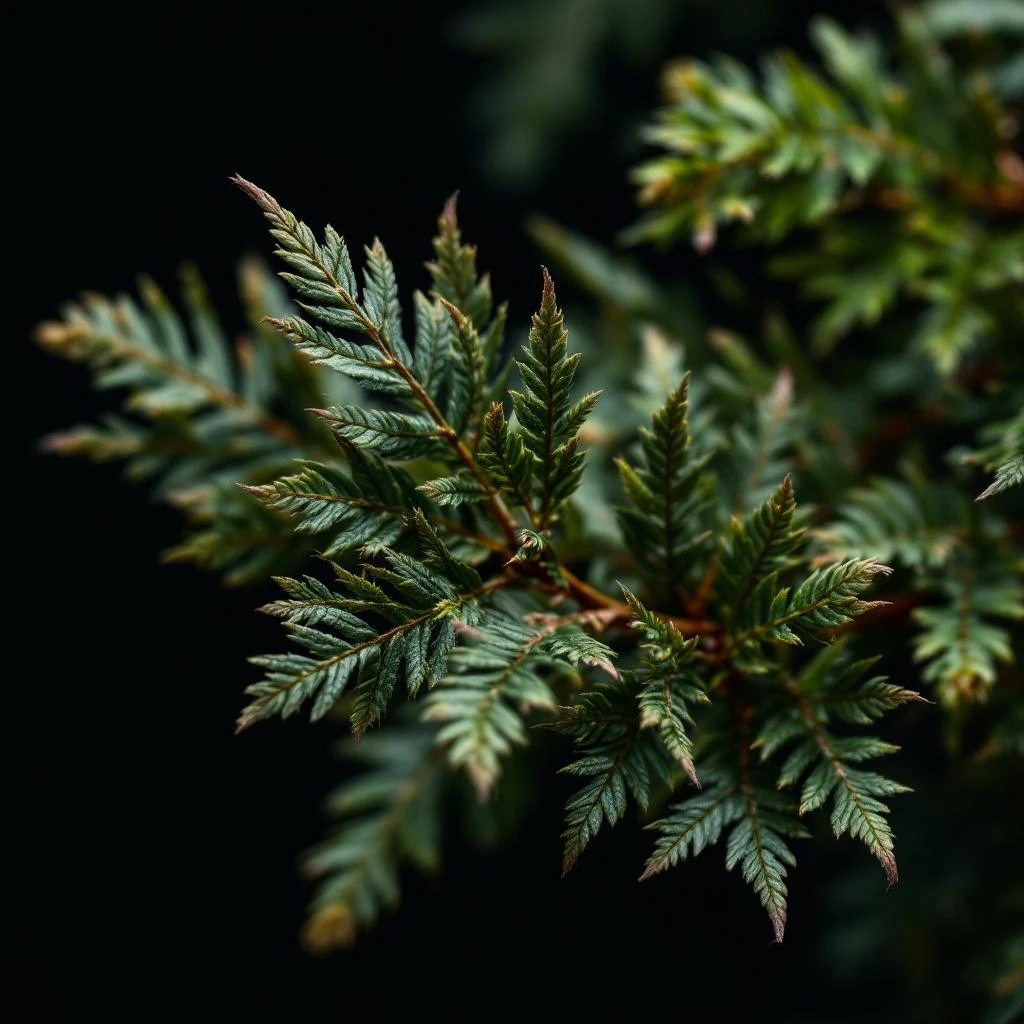
Green, crisp, and vibrating with life. Redcurrant leaf brings a verdant freshness to perfumes that feels like sunlight through a garden canopy. This overlooked ingredient transforms fragrance compositions with its natural vitality.
Character
How it smells
The verdant heartbeat of the garden.
Redcurrant bushes can produce fruit for over 20 years, but perfumers value the leaves even more than the berries for their concentrated green aromatics.




Origin
France
While redcurrant berries have appeared in European kitchens since medieval times, their leaves remained largely uncelebrated outside folk medicine. Gardeners harvested them for teas and poultices across northern Europe. Perfumery only began exploring the leaf's aromatic potential in the late twentieth century, following breakthroughs in blackcurrant bud absolute that revealed the green facet of the Ribes family.
Today, redcurrant leaf occupies a niche but loyal position in modern fragrance, valued by perfumers seeking natural green notes that evoke living gardens rather than synthetic freshness. Its scarcity and extraction challenges keep it reserved for high-end compositions where its authenticity makes a measurable difference.
Wears it best
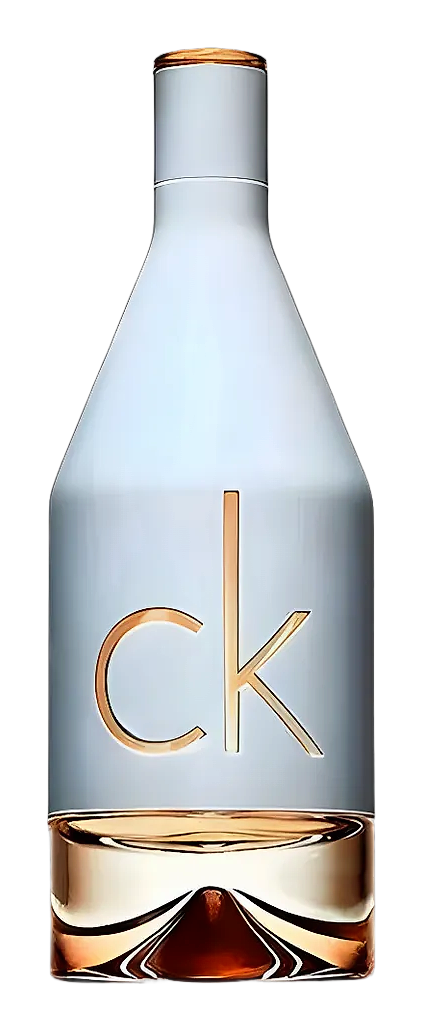
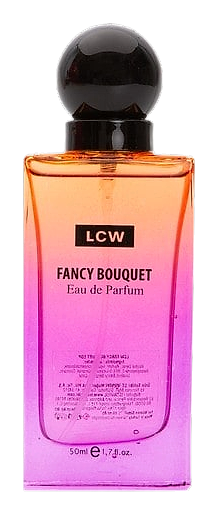
Fragrances featuring Redcurrant Leaf
Brands
Brands known for Redcurrant Leaf
Good to know
Questions, answered
The essentials on Redcurrant Leaf in perfumery: how it smells, where it comes from, and how it behaves on skin.
What does redcurrant leaf smell like?
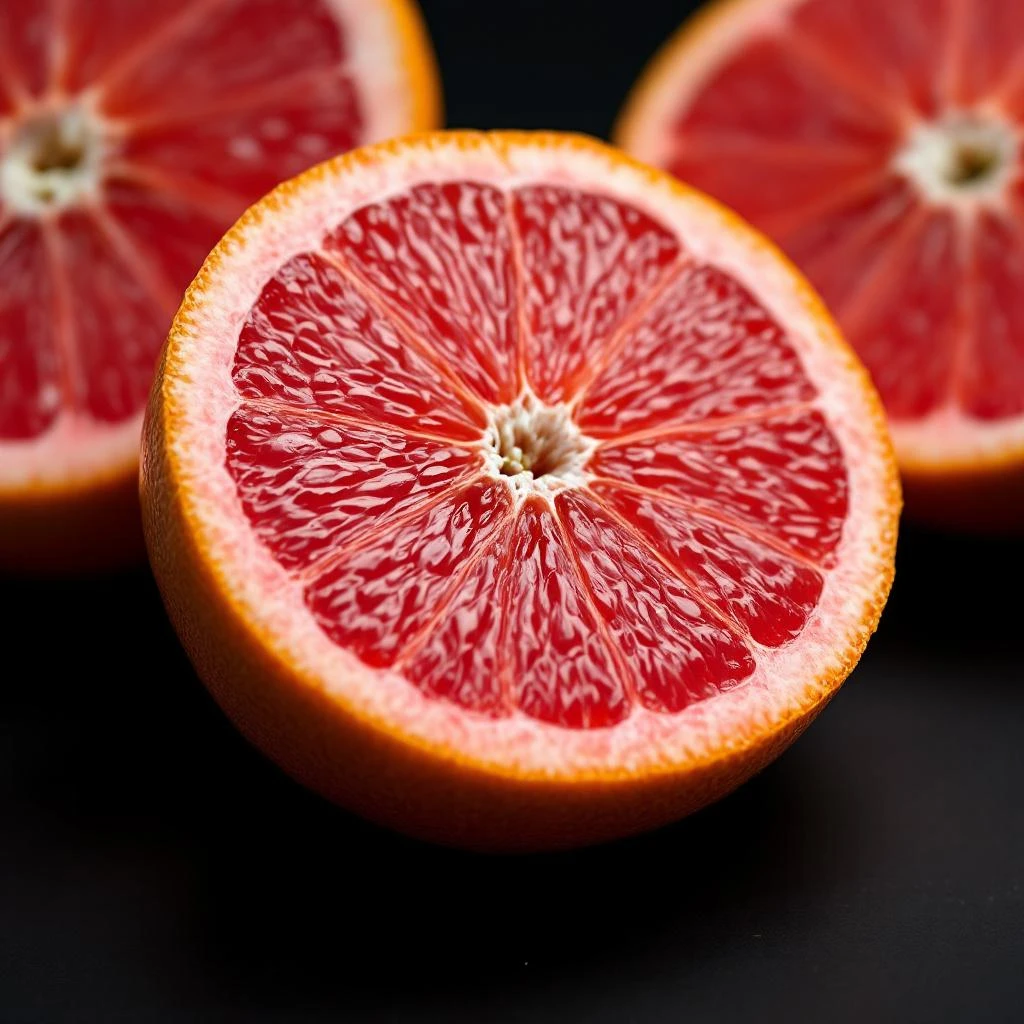
Redcurrant leaf opens with sharp, crisp green notes reminiscent of freshly cut stems. The heart reveals cool, vegetable-like qualities with subtle hints of citrus and a faint berry sweetness underneath. The dry-down settles into a clean, lingering herbaceous warmth.
Is redcurrant leaf natural or synthetic?
Redcurrant leaf exists in natural and nature-identical forms. Natural absolute comes from solvent extraction of fresh leaves, while synthetic versions reconstruct the key green aroma molecules. High-end fragrances typically use natural extracts for their complex, layered character.
Which perfumes feature redcurrant leaf?
Redcurrant leaf appears in several niche and designer fragrances as a supporting green note. It pairs well with citrus, white flowers, and other green ingredients like galbanum. The ingredient often remains unlabeled, blending into the fragrance's fresh or natural facets.
Can redcurrant leaf absolute be used in candles or home products?
Yes, redcurrant leaf absolute works in home fragrance applications, adding a natural green atmosphere. Use at low concentrations, typically 0.5 to 2 percent in candle wax, to avoid overwhelming the space with herbaceous intensity.
Why is redcurrant leaf less common than blackcurrant bud?
Blackcurrant bud absolute gained early recognition for its fruity quality in perfumery, attracting attention during the 1960s. Redcurrant leaf lacks the same fruity dimension and presents more challenging extraction requirements, keeping it lesser-known despite its valuable green character.
What other ingredients pair well with redcurrant leaf?
Redcurrant leaf harmonizes with galbanum, violet leaf, citrus oils, and white musks. It also combines naturally with fruit notes like raspberry and blackcurrant, creating layered green-fruity compositions found in modern feminine fragrances.
Is redcurrant leaf sustainable to produce?
Redcurrant cultivation presents minimal environmental concerns. The shrubs grow readily in temperate climates without intensive intervention. Leaf harvest does not damage the plant, allowing continued berry production, making it a relatively sustainable botanical source.
How should redcurrant leaf absolute be stored?
Store the absolute in a cool, dark place in tightly sealed glass containers. The volatile green compounds degrade with heat and light exposure. Properly stored, the absolute maintains its aromatic properties for several years.