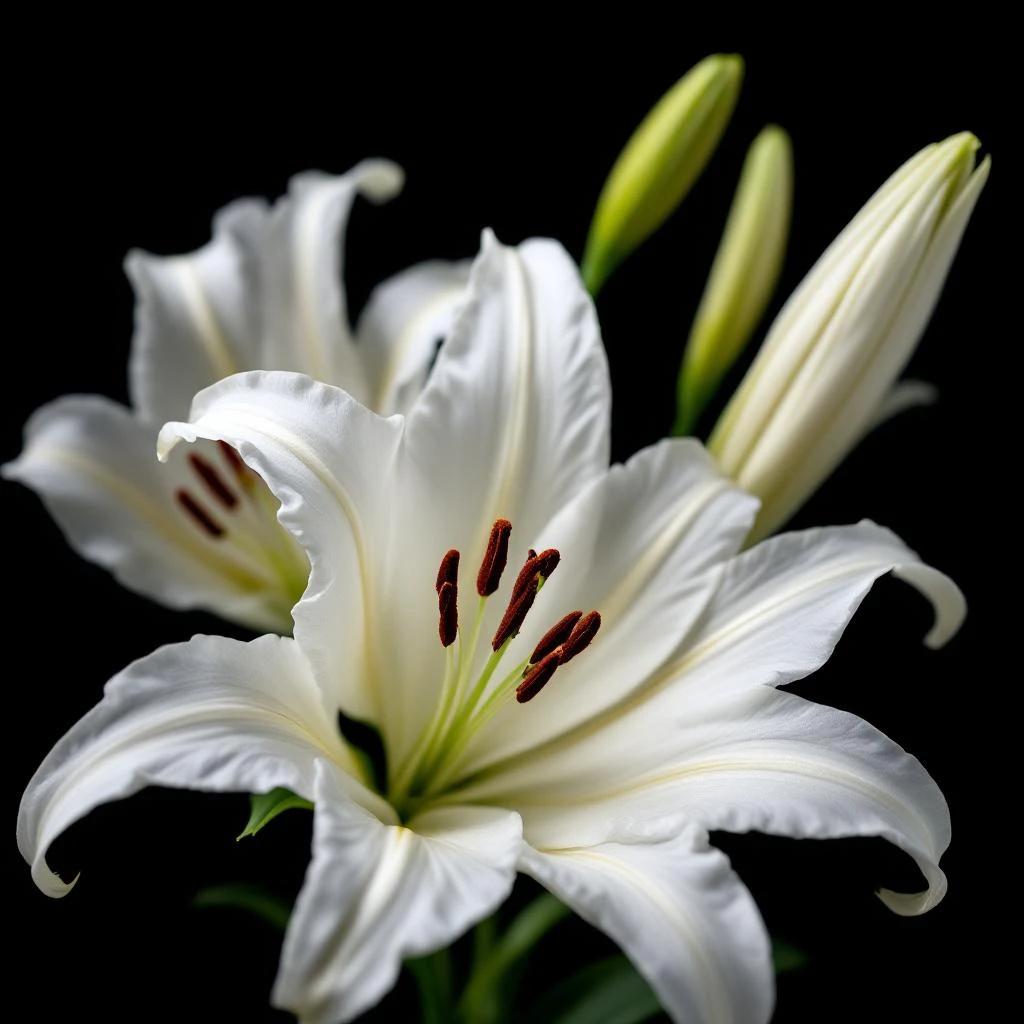
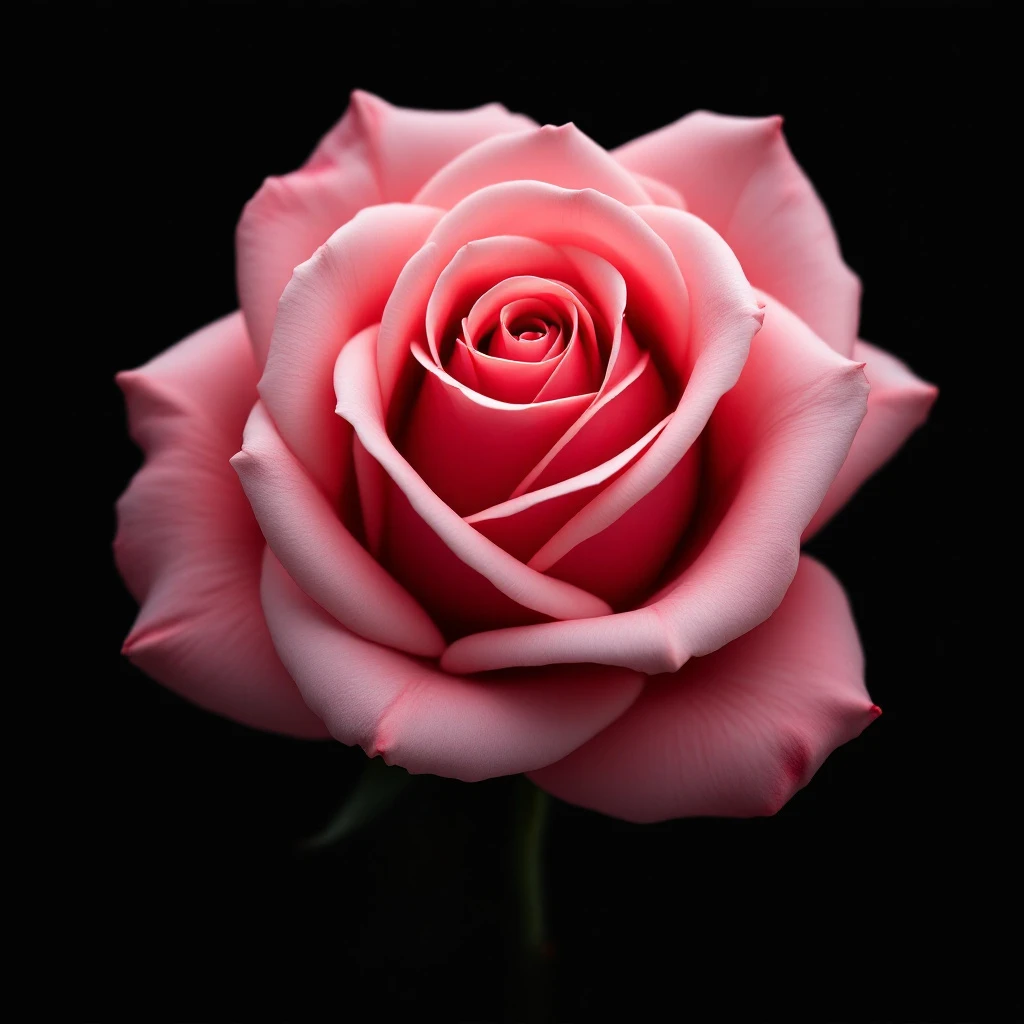
Red Velvet Rose
A rich, full-bodied rose absolute with powdery warmth and honeyed depth. Red Velvet Rose evokes the feeling of running fingers across silk: soft, warm, slightly sweet. A perfumer's rose, intense and intimate.
Character
How it smells
The deepest, most intimate rose perfumery has to offer.
It takes roughly 3.5 tonnes of Rosa Centifolia petals to yield just one kilogram of absolute.
Pairs beautifully with


Origin
France
Humans have worked with roses for over 3,000 years. Mesopotamian archaeologists found evidence of early rose cultivation and primitive perfume distillation around 2000 BCE. The flower traveled westward along ancient trade routes, arriving in Persia where Persian physicians documented rose preparations. During the 18th century, rosewater production through distillation spread widely across Morocco, shaped by the expertise of Arab and Berber communities.
The Ottoman Empire later established Bulgaria's Rose Valley as a centre for high-quality rose oil, using the Kazanlik Damask rose variety. European monasteries preserved perfume knowledge during the medieval period. When perfume-making eventually centred on Grasse, France, local growers developed Rosa Centifolia as the preferred cultivar. By the 17th and 18th centuries, Grasse had shifted entirely from tanneries to perfumery.
Solvent extraction, developed in the late 19th century, allowed perfumers to capture a different facet of the rose: an absolute with deeper, more complex character than traditional steam-distilled oil. Today Rosa Centifolia absolute remains one of the most prized materials in fine fragrance.
Wears it best
Fragrances featuring Red Velvet Rose



Brands
Brands known for Red Velvet Rose
Good to know
Questions, answered
The essentials on Red Velvet Rose in perfumery: how it smells, where it comes from, and how it behaves on skin.
Is Red Velvet Rose a natural or synthetic ingredient?
Red Velvet Rose refers to Rosa Centifolia Absolute from Grasse, France, a fully natural material. Modern fragrance houses sometimes create rose accords using natural and synthetic components. Check the specific fragrance's ingredient list to confirm the exact composition.
How does Red Velvet Rose smell compared to other rose materials?
It smells richer and more complex than standard rose oil. Rosa Centifolia absolute carries a distinctly honeyed, slightly spicy warmth alongside deep floral body. Bulgarian or Moroccan rose otto tends toward fresher, more citrusy top notes by contrast.
Does the name refer to an actual rose variety?
The name evokes the deep crimson Rosa Centifolia petals. The colour comes from anthocyanin plant pigments. Rose pigment is real but does not transfer significantly to the extracted absolute, which ranges from amber to deep reddish-brown.
What gives this rose material its signature depth?
The warm, honeyed quality comes from natural phenylethyl alcohol, the dominant aromatic compound in rose. Geraniol and citronellol add floral freshness. Rose oxide contributes a characteristic spicy-green nuance that distinguishes natural rose from synthetic recreations.
Why does harvest timing matter so much for quality?
Hand-picking at dawn preserves volatile aromatic molecules before heat causes them to dissipate. By mid-morning, field heat can reduce the concentration of delicate top-note compounds by up to 30 percent, measurably affecting the absolute's final character.
Which rose material is considered the finest in perfumery?
Bulgarian Rosa Damascena otto from the Kazanlik variety holds the highest commercial prestige. Rosa Centifolia absolute from Grasse commands equal respect among perfumers for its richer, more complex profile, particularly valued in fine natural perfumery.
How long does Red Velvet Rose last on skin?
Rose is one of the longer-lasting floral notes. On skin, expect 4 to 6 hours of presence for a rose-heavy fragrance. Base notes in the formula and your skin chemistry will extend or shorten this range significantly.
Should rose fragrances be refrigerated?
Rose absolute and otto oxidise faster than most perfume materials. Store in a cool, dark place away from heat sources. Some collectors keep small bottles in a dedicated refrigerator set around 4 to 6 degrees Celsius to slow oxidation and preserve the full aromatic profile.