Red Labdanum
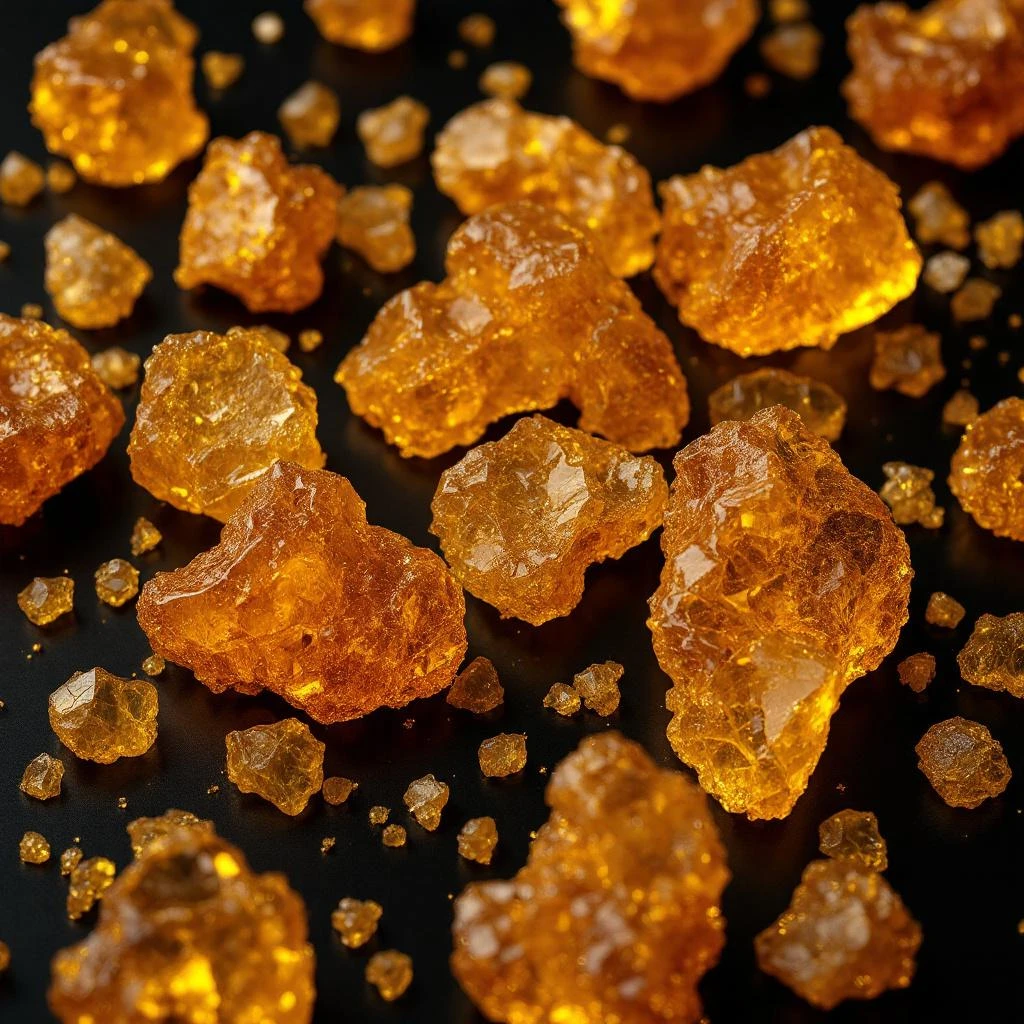
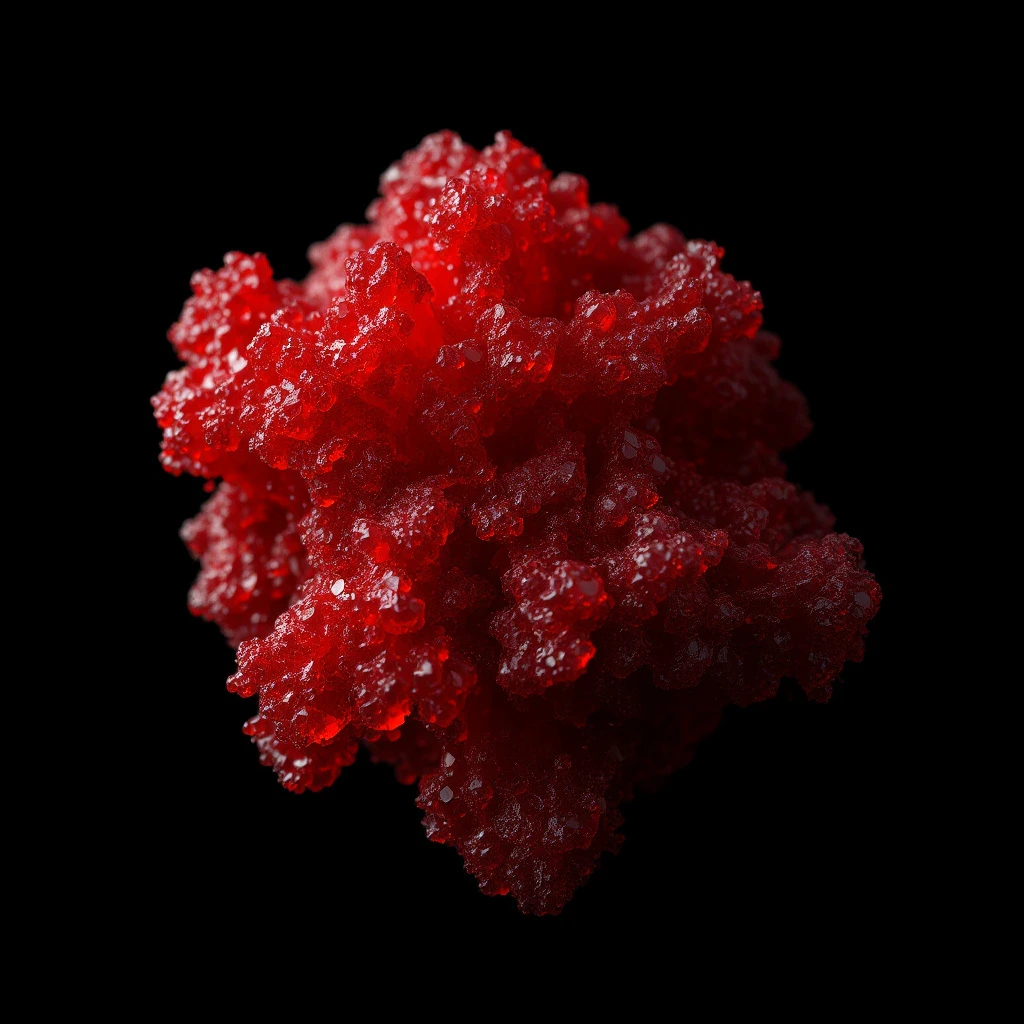
A dark, resinous heart of the Mediterranean. Red labdanum brings leathery warmth, smoky depth, and an animalic edge to fragrances, anchoring compositions with its ancient, amber-like gravity.
Character
How it smells
Mediterranean resin. Leather, smoke, and centuries of warmth.
Ancient herders collected labdanum by combing the sticky resin from the fleece and beards of sheep that grazed among cistus shrubs.
Pairs beautifully with

Origin
Spain
Labdanum ranks among the oldest raw materials in perfumery, with documented use stretching back to ancient Egypt. The resin, then called ladanan or black balsam, appeared in incense blends, embalming rituals, and medicinal preparations along the Nile. Pharaohs valued its rich, animalic warmth, and priests burned it as part of sacred ceremonies.
The resin traveled from Egypt through Phoenician trade routes into Greece and Rome, where physicians prescribed it for coughs, wounds, and rheumatism. For centuries, harvesters collected the sticky gum the hard way: combing it from the coats of sheep and goats that brushed against the resinous cistus shrubs while grazing. This rustic method persisted in Spain and Portugal until the nineteenth century, when industrial extraction methods replaced it.
By the Victorian era, labdanum had become a cornerstone of oriental perfumery, lending depth and longevity to the heavy floral compositions popular at the time. Its leather-like character made it indispensable in chypre and fougère structures throughout the twentieth century. Today, master perfumers still consider labdanum essential for evoking warmth, sensuality, and that indefinable animalic undertone that gives fine fragrances their gravity.
Wears it best
Fragrances featuring Red Labdanum
Brands
Brands known for Red Labdanum
Good to know
Questions, answered
The essentials on Red Labdanum in perfumery: how it smells, where it comes from, and how it behaves on skin.
What does red labdanum smell like?
Red labdanum carries a deep, resinous aroma with prominent leathery and smoky facets, underpinned by warm balsamic sweetness and a subtle animalic edge. Its richness recalls amber, dried herbs, and sun-warmed earth.
Is labdanum natural or synthetic?
Natural labdanum is produced from Cistus ladaniferus resin through steam distillation or solvent extraction. Synthetic substitutes like Ambrox replicate some facets, but the full complexity of genuine labdanum remains difficult to duplicate.
Where does labdanum come from?
Labdanum originates from Cistus ladaniferus, a shrub native to the western Mediterranean. Spain is the dominant producer, with extraction centered in Andalusia; France and Portugal contribute smaller volumes.
How is labdanum harvested?
Workers cut the resinous twigs and boil them in water, allowing the gum to separate and float. Once skimmed and dried, the raw material is distilled or solvent-extracted to produce perfume-grade oils and absolutes.
What is the history of labdanum in perfumery?
Labdanum was used in ancient Egypt for incense, embalming, and medicine under the name ladanan. It spread through Mediterranean trade into Greek and Roman formulations, becoming a staple of European perfumery by the Victorian era.
Did people really collect labdanum from goats?
Yes. Ancient and medieval herders combed the sticky resin from the coats and beards of sheep and goats that grazed among cistus shrubs. This folk method persisted in the Iberian Peninsula until the nineteenth century.
What fragrances commonly use labdanum?
Labdanum anchors chypre, oriental, and leather fragrances, including classic Guerlain compositions and modern Amouage releases. Its fixative qualities and warmth make it a foundational element in countless amber-based scents.
Is red labdanum the same as amber?
Labdanum is a primary botanical contributor to what perfumers call amber accords, but it is not amber itself. True amber comes from fossilized tree resin, while labdanum is fresh gum harvested from living cistus plants.