Burnt Butterscotch
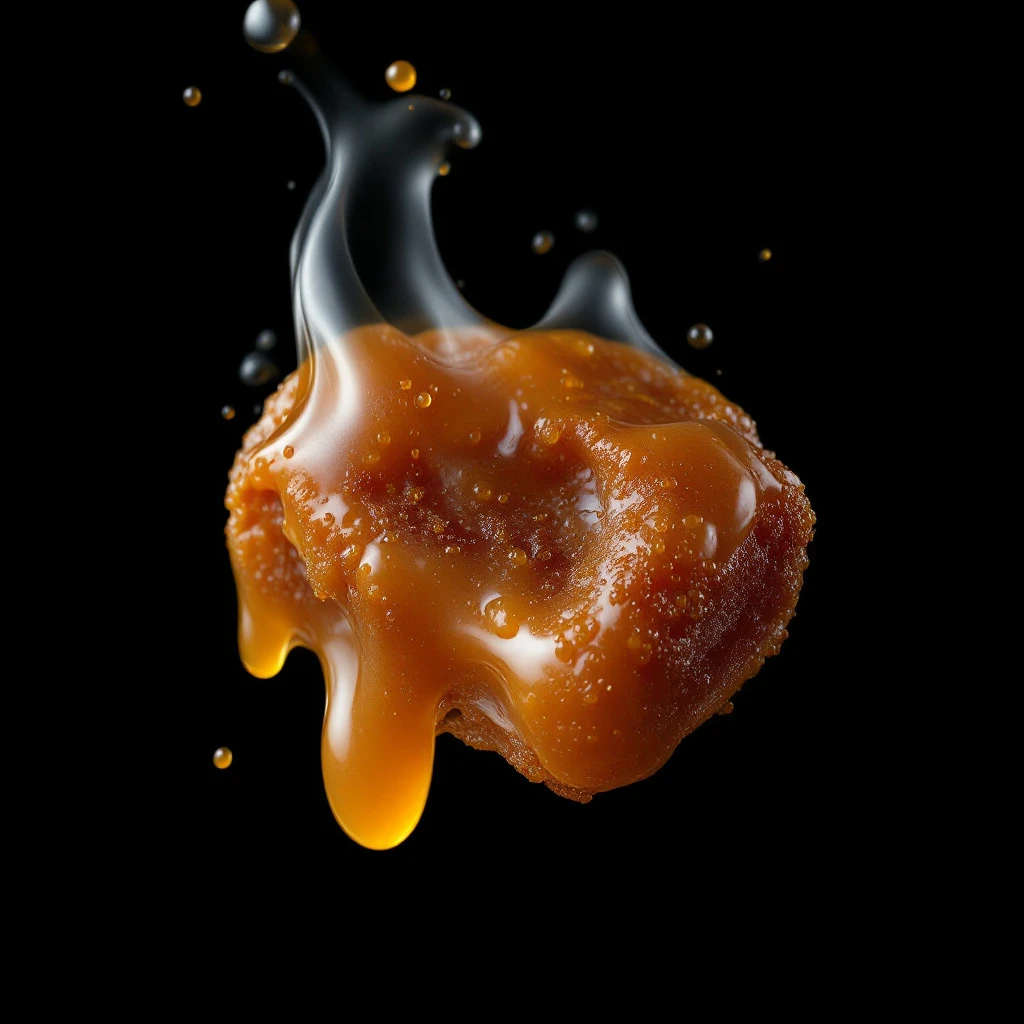
Burnt Butterscotch captures the moment caramelized sugar tips into smoky territory, delivering a rich, bittersweet accord prized in gourmand perfumery.
Character
How it smells
Caramelized sweetness with a smoky edge
The 'burnt' quality in perfumery is typically created through Maillard reaction accords, the same chemistry that browns toast and sears steak.
Pairs beautifully with

Origin
Global (synthetic reconstruction; tonka from Venezuela or Nigeria)
Butterscotch as a confection dates to mid-19th century Britain and the United States, with early recipes appearing in Yorkshire around 1817. The burnt variation emerged as cooks and confectioners discovered that caramelized sugar delivered a deeper, more complex sweetness than plain butter and sugar syrups.
In perfumery, this profile entered mainstream composition during the gourmand fragrance wave of the 1990s, when houses began translating edible aromas into wearable scent. Thierry Mugler's Angel (1992) is widely credited with pioneering true gourmand construction, and later releases leaned harder into caramelized, smoky, almost scorched sugar profiles.
Today, burnt butterscotch appears across niche and mainstream lines, signaling indulgence, warmth, and nostalgic comfort. Its rise reflects perfumery's growing comfort with food-derived imagery, a category once considered too literal for fine fragrance.
Wears it best
Fragrances featuring Burnt Butterscotch
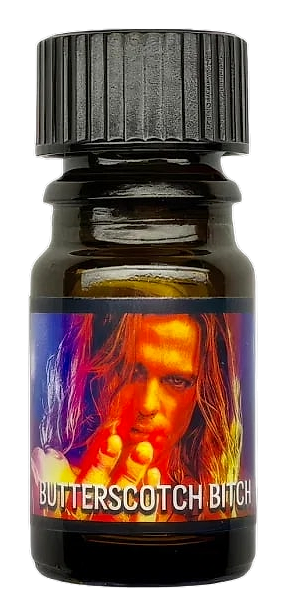
Brands
Brands known for Burnt Butterscotch
Good to know
Questions, answered
The essentials on Burnt Butterscotch in perfumery: how it smells, where it comes from, and how it behaves on skin.
What does burnt butterscotch smell like in perfume?
Burnt butterscotch in perfume smells like caramelized sugar with a smoky, slightly bitter edge, evoking browned butter and scorched caramel. It reads warmer and less purely sweet than plain butterscotch accords.
Is burnt butterscotch a natural or synthetic note?
Burnt butterscotch is primarily a synthetic accord built from aroma chemicals like ethyl maltol and diacetyl. Some perfumers add natural tonka absolute for warmth, but the burnt character itself is constructed, not extracted.
What fragrance families use burnt butterscotch?
Burnt butterscotch sits within the gourmand fragrance family, often paired with oriental and amber constructions. It also appears in smoky and tobacco-forward compositions seeking an edible undertone.
When was burnt butterscotch first used in perfumery?
Burnt butterscotch entered mainstream perfumery during the 1990s gourmand wave, following Thierry Mugler's Angel in 1992. The note gained traction as designers explored food-derived scent profiles.
Does burnt butterscotch last long on skin?
Burnt butterscotch typically performs as a base-to-heart note with strong longevity, often 6 to 10 hours depending on concentration. Its maltol and lactone components bind well to skin and anchor lighter top notes.
What ingredients create the burnt effect in burnt butterscotch accords?
The burnt effect comes from smoky phenolics like guaiacol combined with caramelized sugar molecules such as furaneol. Together they simulate the Maillard browning reaction that produces real scorched sweetness.
Is burnt butterscotch safe in fragrance?
Burnt butterscotch accords are safe in the concentrations used in commercial perfumery. The synthetic components fall within IFRA safety standards and are dermatologically tested at typical usage levels.
What scents pair well with burnt butterscotch?
Burnt butterscotch pairs well with vanilla, tonka, smoked woods, and warm spices like cinnamon and cardamom. It also complements leather and tobacco accords, adding a confectionary softness to drier compositions.





