Red Jasmine Rice
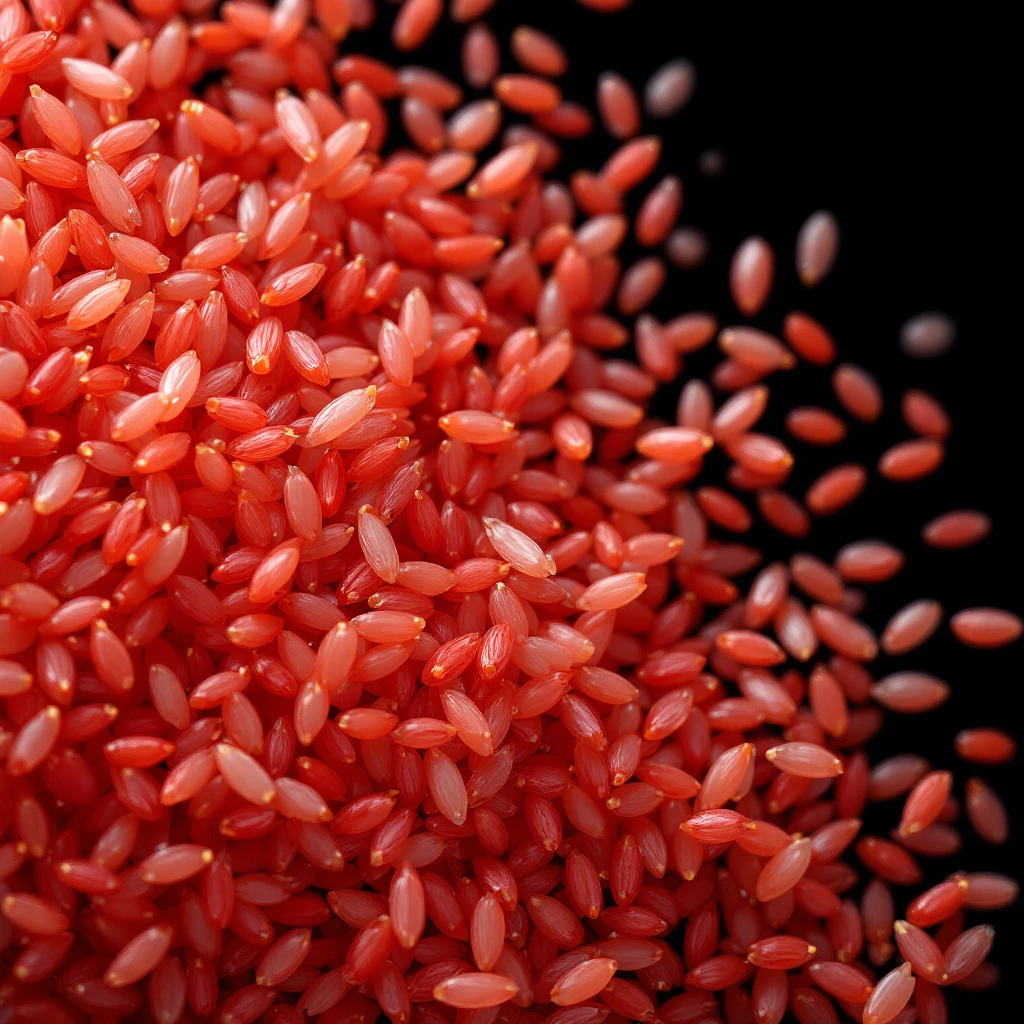
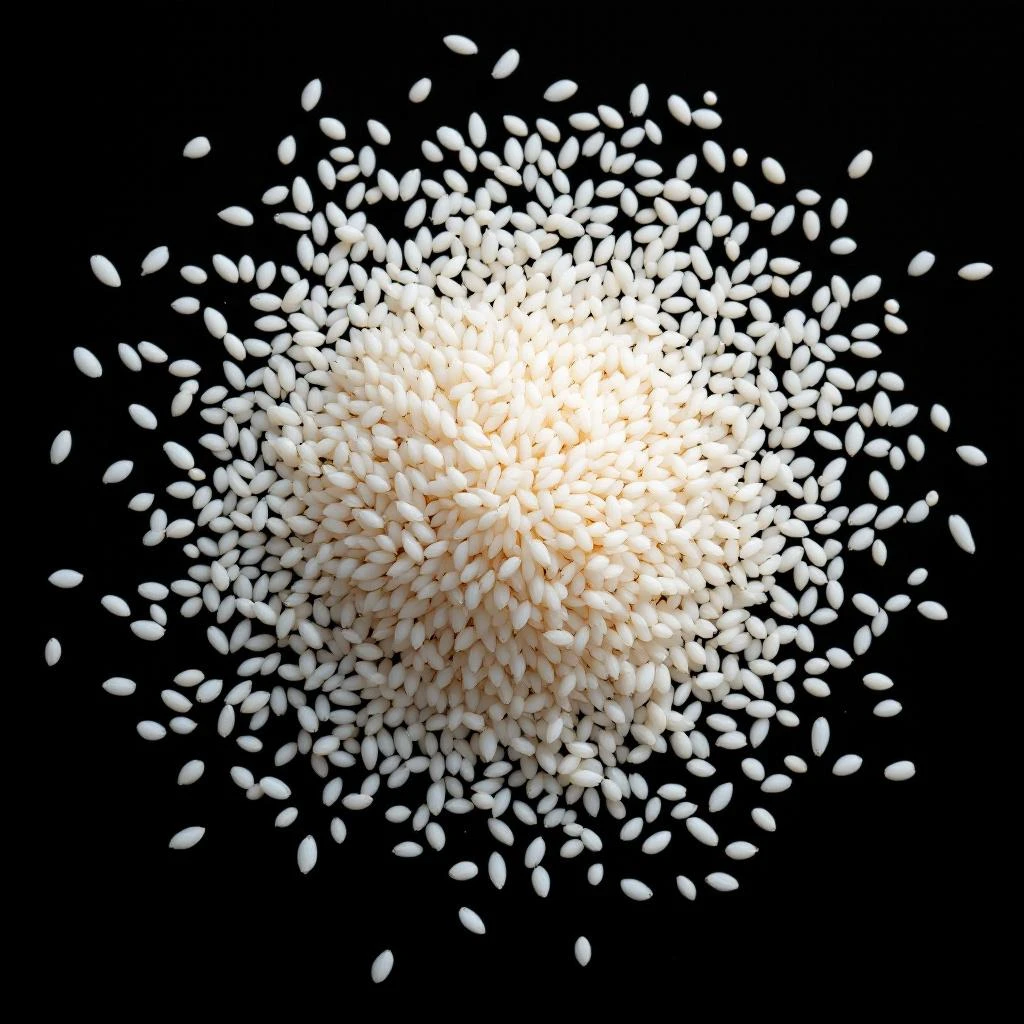
Red Jasmine Rice brings a warm, starchy sweetness to perfumery. Its characteristic aroma from 2-acetyl-1-pyrroline (2AP) blends nutty, floral, and popcorn-like facets into a comforting grain note that anchors base compositions.
Character
How it smells
Warm grain comfort with nutty, floral depth.
2-Acetyl-1-pyrroline (2AP) occurs at up to 10 times higher concentration in fragrant rice than in non-fragrant varieties, giving jasmine rice its distinctive aroma.


Origin
Thailand
Jasmine rice cultivation spans centuries across Thailand, Vietnam, and Cambodia, where farmers selected seeds by cooking a small portion to detect fragrance before harvest. This practice preserved aromatic varieties long before science explained why some rice smelled like pandan and popcorn. The genetic basis remained a mystery until the 1990s, when researchers identified the badh2.
1 allele as the primary source of the fragrance trait. Red jasmine rice emerged as a distinct pigmented variety, combining the fragrant jasmine rice genome with anthocyanin-rich bran layers that give the grain its deep red color. Despite multiple independent origins of the fragrance trait, a single badh2.
1 allele now dominates virtually all fragrant rice varieties worldwide. Today, perfumers draw inspiration from these ancient grains, translating a quiet culinary staple into an unexpected perfumery note.
Wears it best
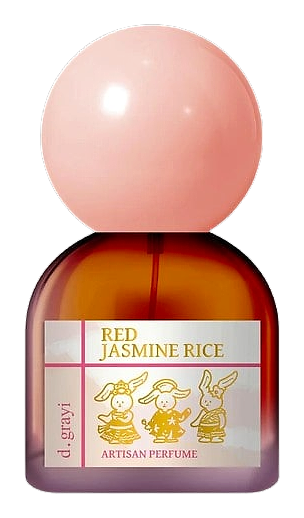
Fragrances featuring Red Jasmine Rice
Brands
Brands known for Red Jasmine Rice
Good to know
Questions, answered
The essentials on Red Jasmine Rice in perfumery: how it smells, where it comes from, and how it behaves on skin.
What does Red Jasmine Rice smell like in a fragrance?
Red Jasmine Rice delivers a warm, starchy sweetness with nutty, popcorn-like, and faintly floral facets. The dominant aroma compound 2-acetyl-1-pyrroline (2AP) creates a comforting grain base that reads as cozy and slightly buttery in composition.
How does Red Jasmine Rice differ from regular jasmine rice?
The primary aromatic difference is minimal both contain 2-acetyl-1-pyrroline (2AP). Red Jasmine Rice carries additional earthy, slightly bitter notes from its pigmented bran layer, which contains anthocyanins. The red bran adds subtle depth that a perfumer can use to create a more complex grain accord.
Is Red Jasmine Rice a natural or synthetic ingredient in perfumery?
It can be either. Natural extracts come from solvent or supercritical CO2 extraction of the grain. More commonly, perfumers use a synthetic 2-acetyl-1-pyrroline (2AP) accord to replicate the jasmine rice aroma, since 2AP is the same molecule whether derived from rice or produced in a lab.
What fragrance families pair well with Red Jasmine Rice?
Red Jasmine Rice works in warm, gourmand, and skin-like compositions. It pairs naturally with white musks, sandalwood, benzoin, vanilla, and coconut. Florals like ylang-ylang and jasmine itself harmonize with its subtly floral grain character.
What is the key aroma compound in jasmine rice?
2-Acetyl-1-pyrroline (2AP) is the primary aroma compound responsible for jasmine rice's distinctive pandan-popcorn scent. Research published in the 1990s identified the badh2.1 allele as the genetic basis for elevated 2AP production in fragrant rice varieties.
Where does jasmine rice originate?
Jasmine rice is native to Thailand, Vietnam, and Cambodia. Thai Hom Mali rice is considered the benchmark variety, prized for its soft texture and intense floral aroma. The Hom Mali Red variant adds a pigmented red bran layer to the classic jasmine rice profile.
Can the red bran layer be extracted separately?
Yes. The anthocyanin-rich bran layer yields separate extraction potential for pigment and additional phenolic compounds. In perfumery, this is typically stripped out during fractionation, as the aroma profile centers on the starchy grain and its 2AP content rather than the bran pigments.
Why is Red Jasmine Rice considered underexplored in perfumery?
Grain notes have traditionally been overshadowed by florals, woods, and musks in Western perfumery. Rice aromatics sit outside common accord structures, making them a quiet differentiator. A few niche houses have used rice-inspired accords in skin-like and clean fragrance lines, but the note remains uncommon.