Red Jasmine
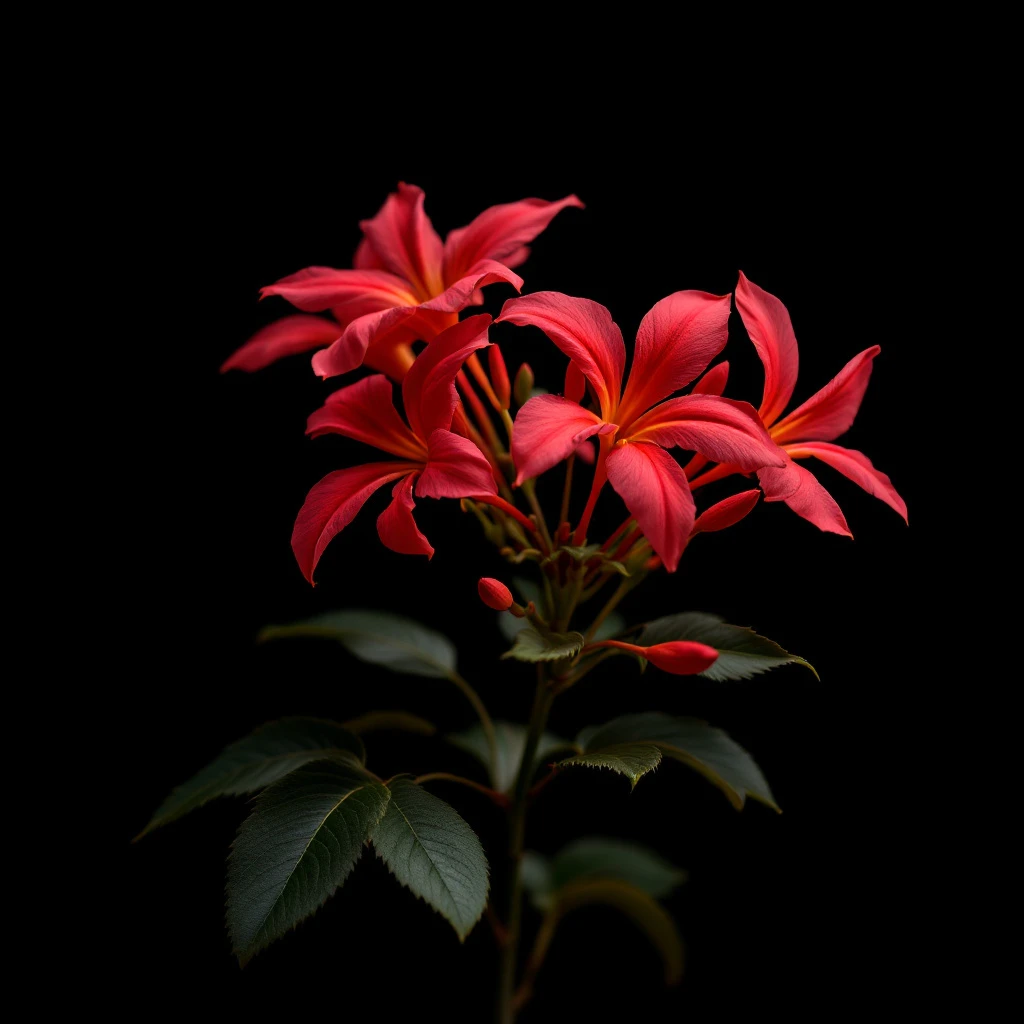
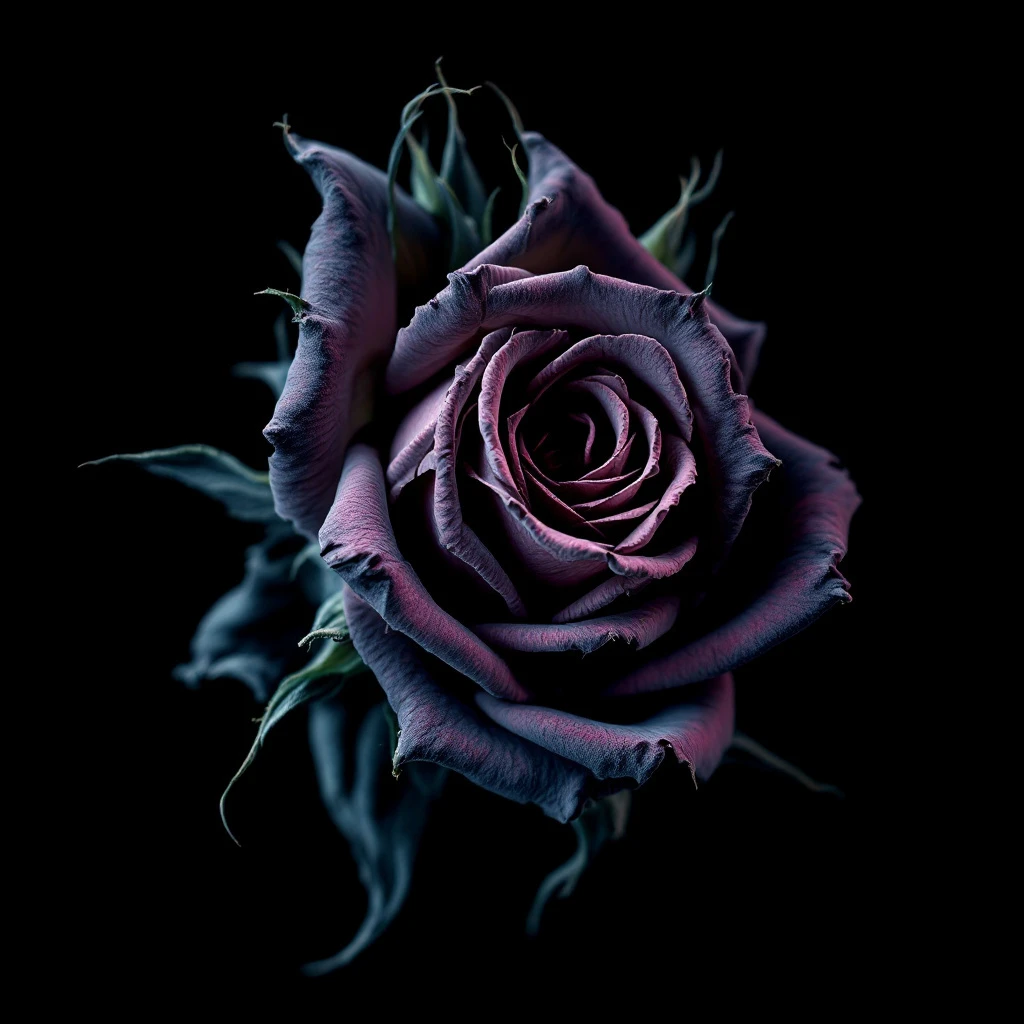
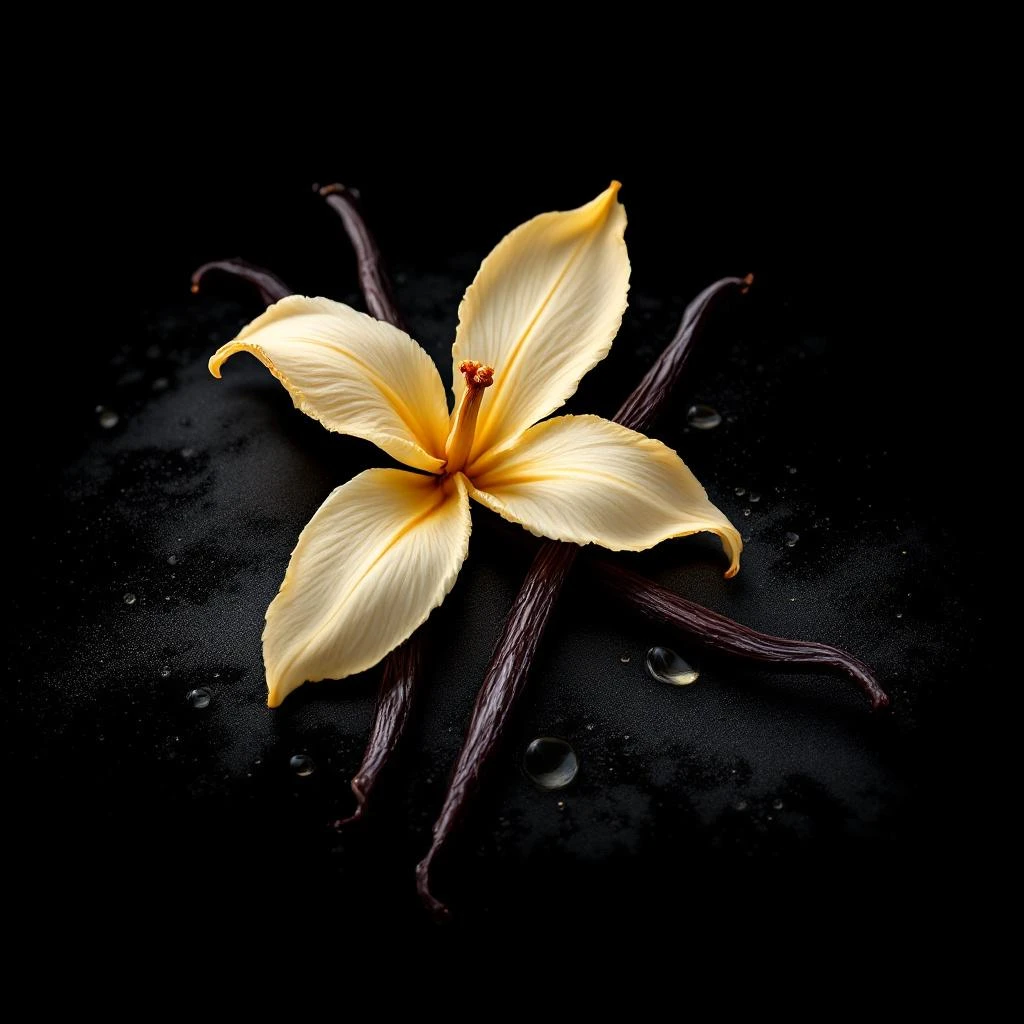
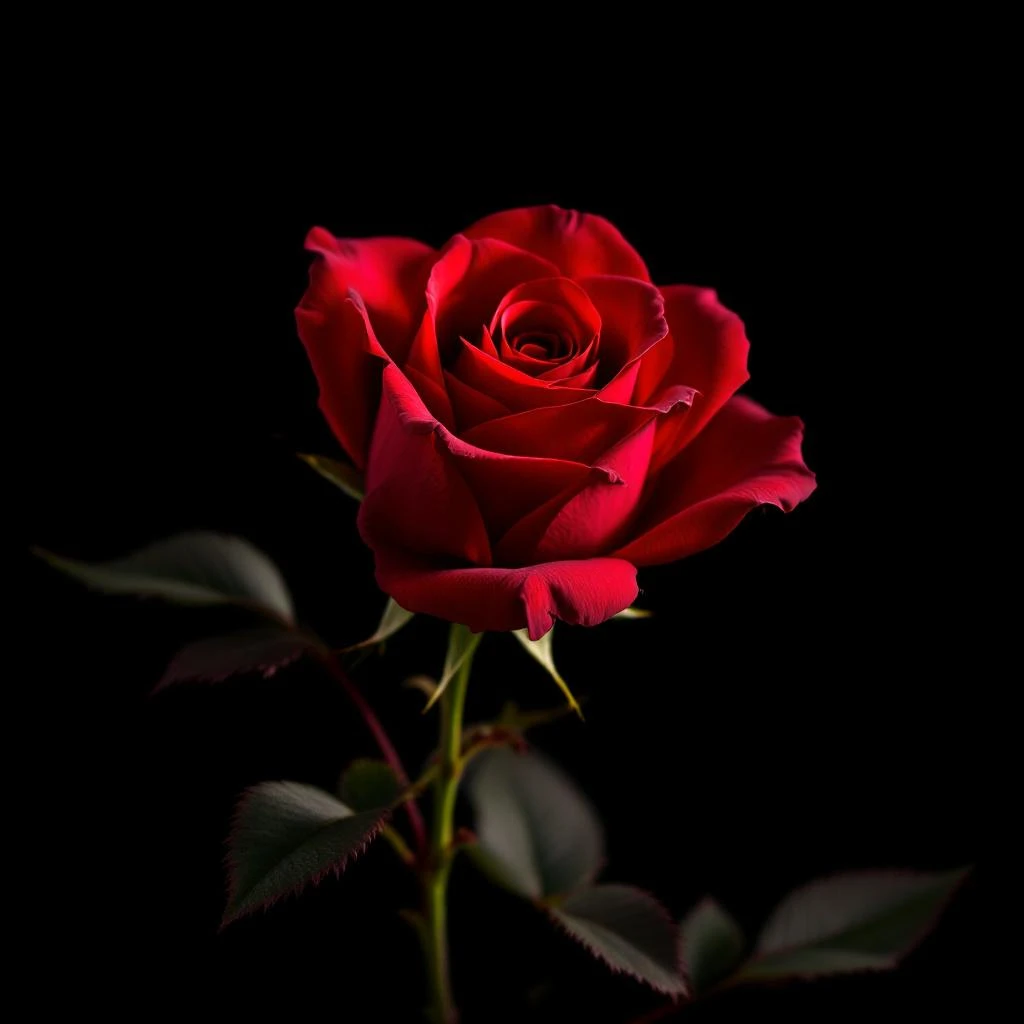
Red Jasmine carries a deeper, more honeyed warmth than its white cousin. Its rich, almost wine-like depth makes it prized in fine perfumery for sensual complexity that commands attention.
Character
How it smells
The deeper, honeyed warmth of jasmine
It takes over 1,000 jasmine flowers to yield just one gram of absolute, making it one of perfumery's most precious botanical ingredients.

Origin
India
Jasmine has served sacred and cosmetic purposes across Asia and the Middle East for millennia before reaching European shores. Arab traders introduced the flower to the Mediterranean between 1550 and 1600, planting it in the gardens of Grasse, France, where the climate proved ideal.
By the eighteenth century, Grasse had become the world's jasmine capital, perfecting extraction techniques that would define modern perfumery. The flower's journey from temple offerings and medicinal preparations to the foundation of Chanel No.
5 marks one of perfumery's most significant botanical legacies. While France once dominated production, today Egypt, India, and Morocco lead global cultivation—yet Grasse remains the spiritual home of jasmine in perfumery.
Wears it best
Fragrances featuring Red Jasmine
Brands
Brands known for Red Jasmine
Good to know
Questions, answered
The essentials on Red Jasmine in perfumery: how it smells, where it comes from, and how it behaves on skin.
What does Red Jasmine smell like?
Red Jasmine offers a warm, honeyed floral scent with deeper indolic richness than white jasmine. It carries wine-like depth, a slightly animalic quality, and sweet nectar undertones that create a sensual, opulent character.
What is the difference between Red Jasmine and regular jasmine?
Red Jasmine (Jasminum grandiflorum) produces larger flowers with a pinkish-red tinge and a richer, more honeyed scent. It offers greater depth and complexity compared to common white jasmine varieties.
Why is jasmine so expensive in perfume?
Jasmine absolute requires enormous quantities of flowers—over 1,000 blossoms per gram. All harvest occurs by hand at dawn, and the flowers must reach peak ripeness. This labor intensity makes jasmine one of the costliest natural ingredients.
Where does the best jasmine for perfumery come from?
India, Egypt, and Morocco lead global jasmine production today. Indian jasmine offers spicy warmth, Egyptian jasmine tends greener, and Moroccan jasmine provides balanced florality. Grasse, France, remains the historic heart of jasmine cultivation.
Is jasmine absolute natural or synthetic?
Natural jasmine absolute comes from solvent extraction of jasmine flowers. Synthetic alternatives like hedione exist but cannot fully replicate jasmine's complex aromatic profile. Most luxury fragrances use natural jasmine, often blended with synthetics for consistency.
What extraction method produces jasmine absolute?
Solvent extraction produces jasmine concrete from fresh flowers. This concrete is then washed with alcohol and filtered to yield jasmine absolute. This method captures aromatic compounds that steam distillation would destroy.
What perfumes feature jasmine as a dominant note?
Iconic jasmine fragrances include Chanel No. 5, which revolutionized jasmine use in perfumery, along with Dior Jadore, Tom Ford Jasmine Rouge, and Le Labo Jasmin 17. Each showcases jasmine's versatility as a heart note.
Does jasmine work in both men's and women's fragrances?
Jasmine transcends gender boundaries in modern perfumery. It appears prominently in men's orientals for depth, in women's florals for classic elegance, and in unisex compositions where its sensual warmth bridges masculine and feminine qualities.





