Corn rose
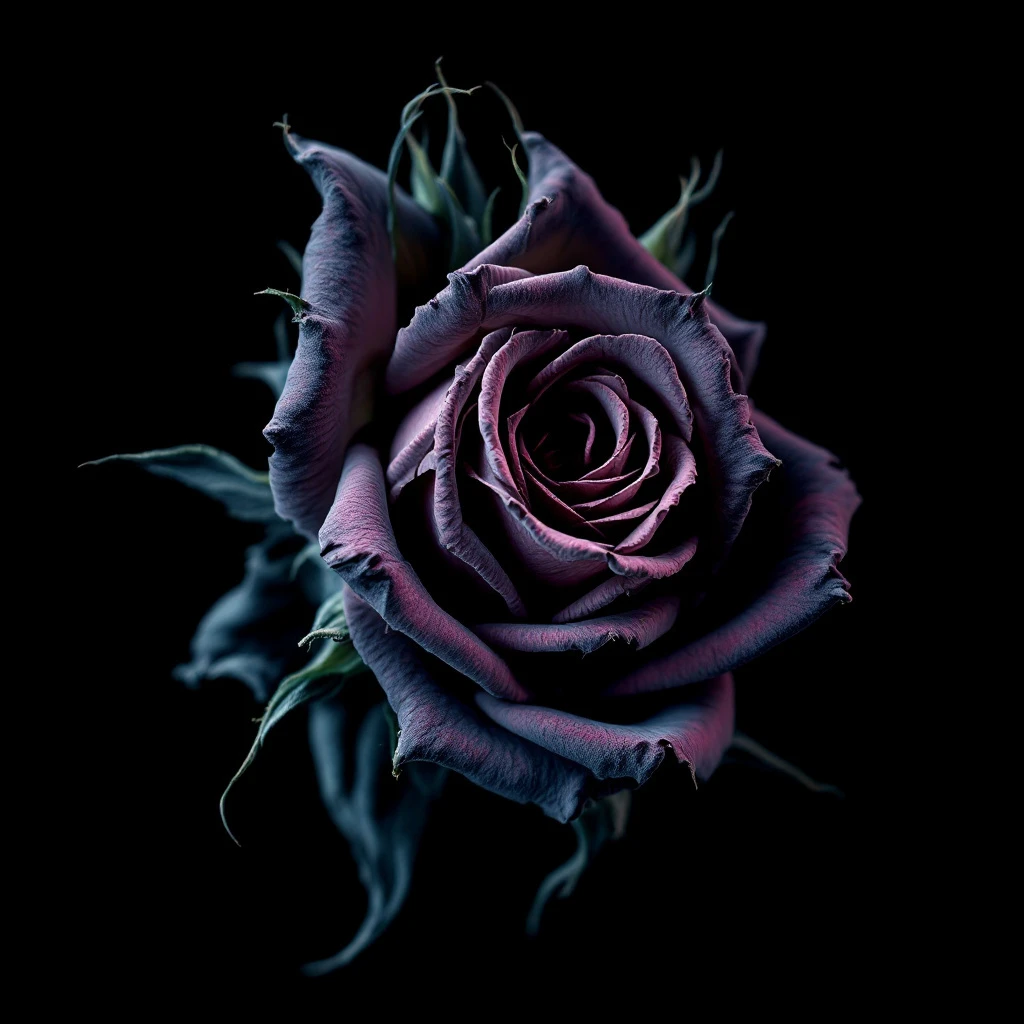
Corn rose captures the wild, untamed spirit of hedgerow roses—earthy, dewy, and unmistakably green. This lesser-known perfumery rose delivers a rawness that cultivated garden roses cannot match.
Character
How it smells
Wild hedgerow roses with verdant, earthy depth
Corn rose petals are harvested at dawn when their essential oils peak, preserving the fresh-cut grass quality that defines their scent.







Origin
France
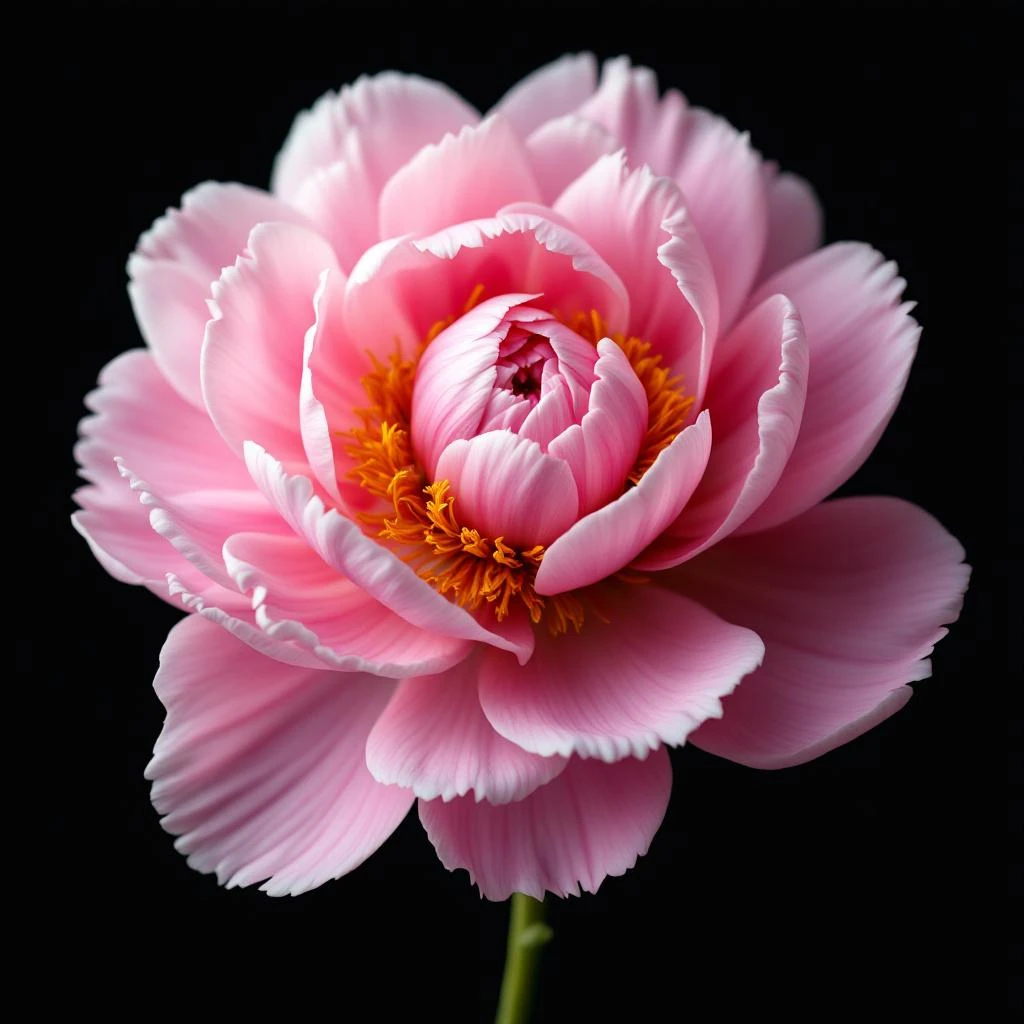
Corn rose traces its lineage to wild roses growing along European grain fields—hence the name referencing corn, the old English word for grain. These hardy field roses populated hedgerows across France, Italy, and the British Isles for centuries before becoming perfume ingredients.
Medieval herbalists documented their use in medicinal preparations and scented waters. The industrial perfume era shifted attention toward higher-yielding cultivated varieties like Rosa Damascena, pushing wild roses to perfume houses' margins.
Only recently have niche perfumers revived interest in these rustic ancestors, seeking complexity that monocultured roses cannot provide. The revival reflects a broader movement toward biodiversity in fragrance sourcing, where provenance and wild origins carry increasing weight among discerning formulators and wearers.
Wears it best
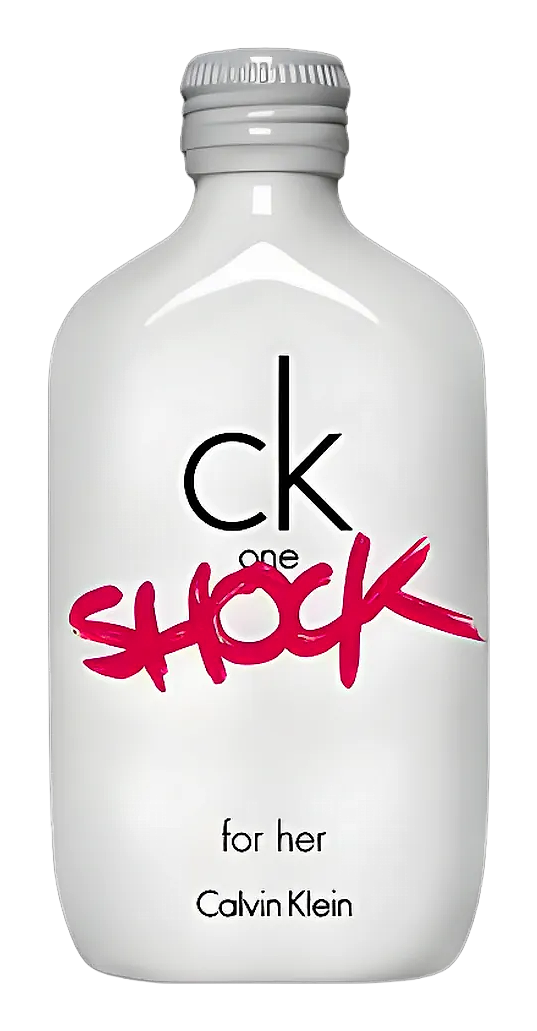
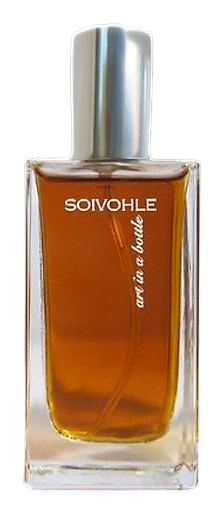
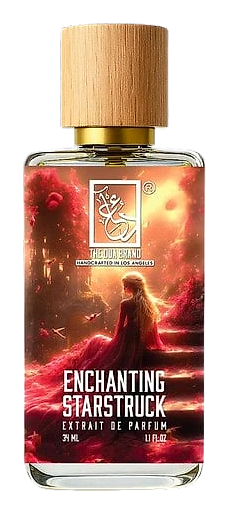
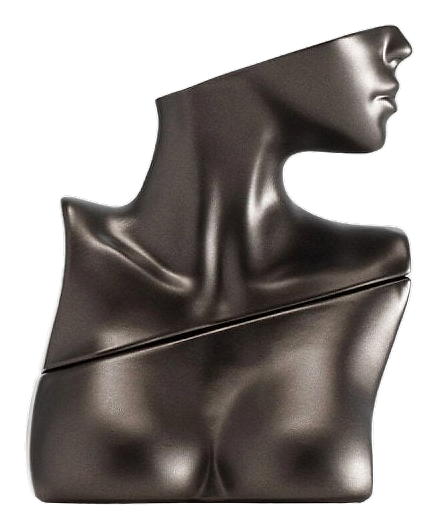
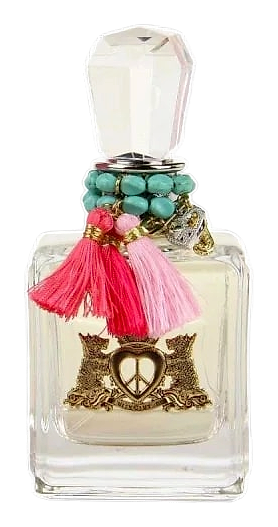
Fragrances featuring Corn rose
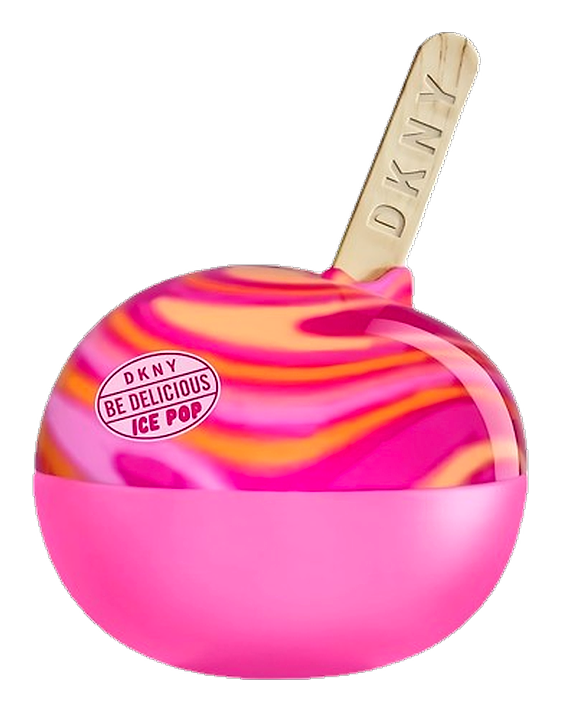
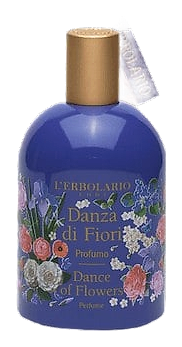
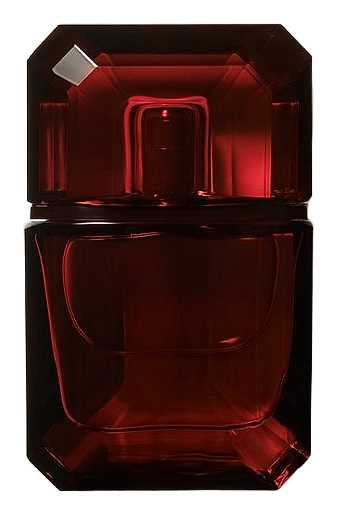
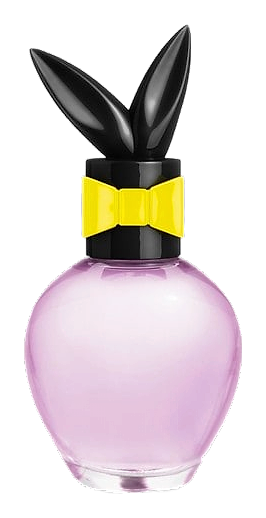
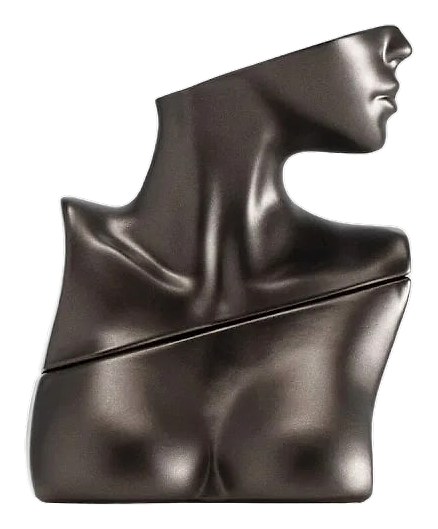
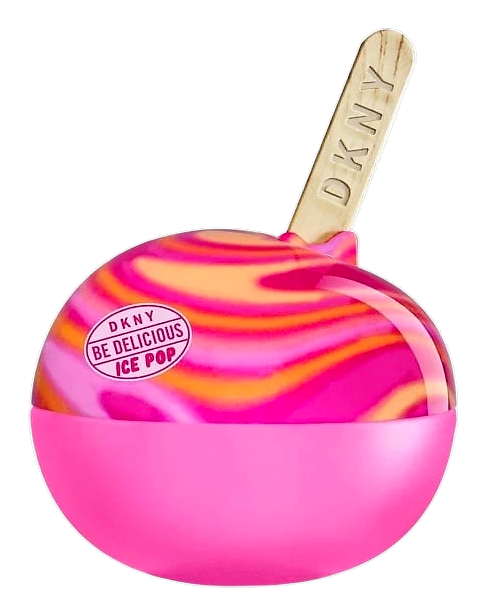

Brands
Brands known for Corn rose
Good to know
Questions, answered
The essentials on Corn rose in perfumery: how it smells, where it comes from, and how it behaves on skin.
What does corn rose smell like?
Corn rose presents a green, earthy rose scent with fresh-cut grass and dewy vegetation notes. It lacks the honeyed sweetness of damask rose, offering instead a wilder, more astringent character.
Is corn rose a synthetic or natural ingredient?
Corn rose is a natural ingredient sourced from wild field roses native to European hedgerows. Extraction uses solvent methods to capture its full botanical complexity.
How does corn rose differ from damask rose?
Damask rose yields sweet, rich florality with honey and spice notes. Corn rose delivers greener, more austere qualities with earthy undertones and vegetal freshness.
Which fragrances use corn rose?
Corn rose appears primarily in niche and artisanal fragrances seeking rustic, naturalistic rose characters. It suits green, chypre, and fougère compositions where it provides botanical authenticity.
When is corn rose harvested?
Corn rose blooms briefly in late spring, with petals harvested by hand at dawn to capture peak oil concentration before daytime heat dissipates the volatile compounds.
Can corn rose be combined with other rose materials?
Corn rose pairs effectively with damask rose, amplifying green qualities while adding rustic depth. It also combines well with vetiver, oakmoss, and herbaceous notes.
What gives corn rose its distinctive green character?
Green leaf alcohols and aldehydes present in wild rose petals create corn rose's characteristic fresh-cut vegetation quality. These compounds degrade quickly after harvest, requiring rapid processing.