The Story
Why it exists.
The beginning
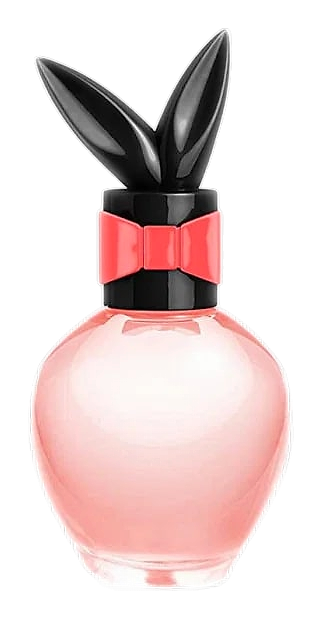
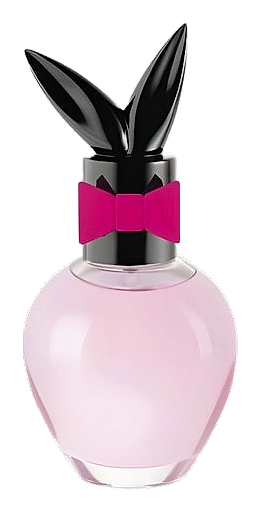
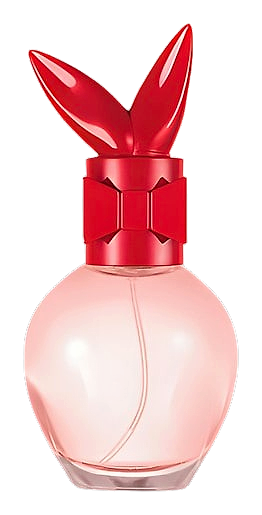
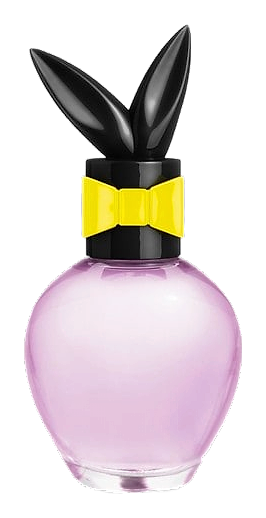
Céline Barel composed Play It Pin Up in 2014, one of the earliest releases under SA Designer Parfums' Playboy licensing agreement. The brief was simple in concept: translate the brand's playful confidence into something wearable and warm. Barel, who trained in Grasse, had the technical skill to build something sophisticated, but the Playboy customer wasn't asking for restraint. She built something fun first, approachable second, and let the coconut do the heavy lifting.
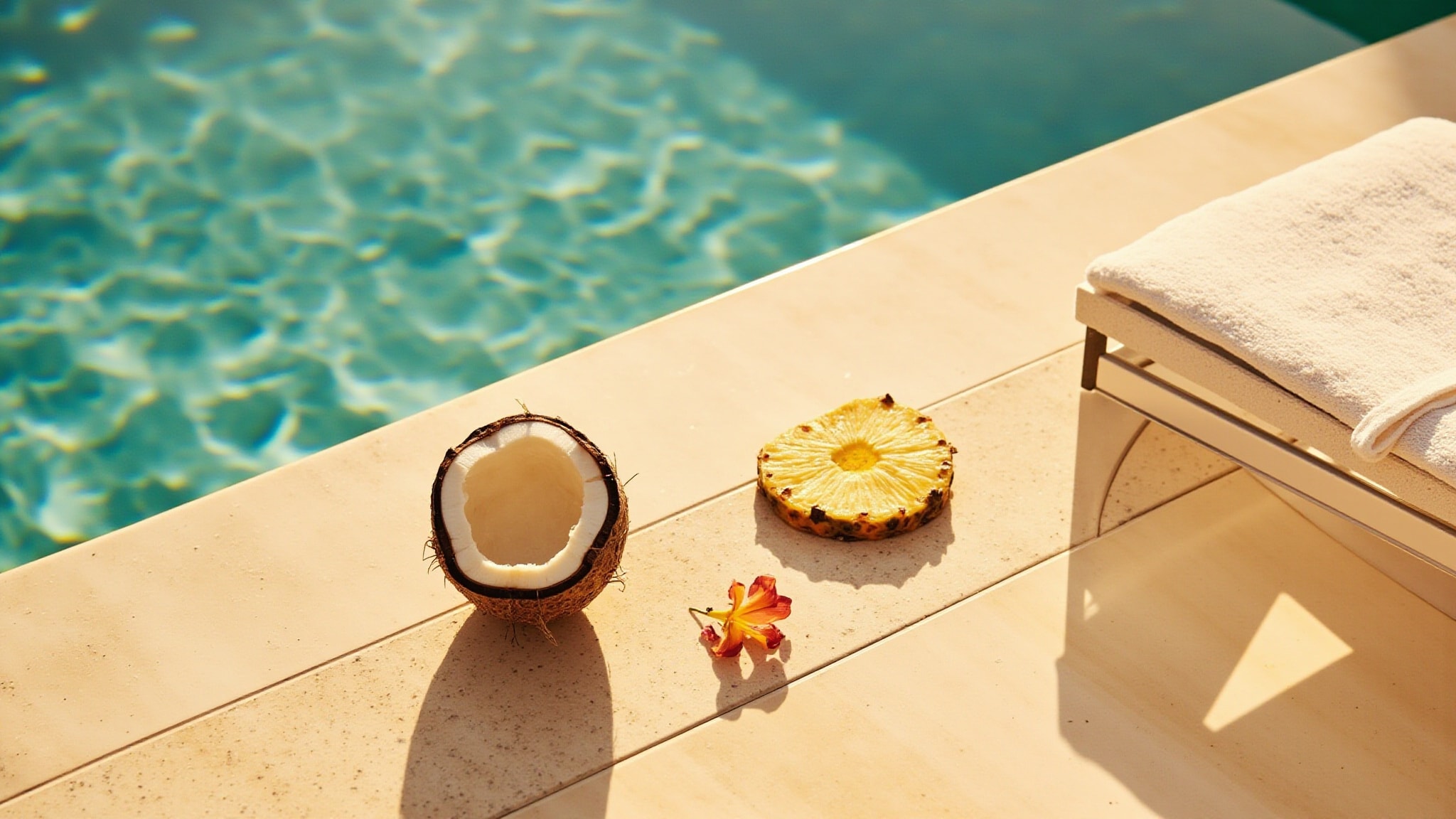
The piña colada note is the boldest choice here. It could have gone synthetic, sunscreen-adjacent, one-note parody. What Barel did instead was anchor it with orange blossom and strawberry, giving the tropical accord something that reads as fruit rather than filler. The grapefruit at the top isn't just brightness; it's a signal that this fragrance isn't taking itself seriously. That's the move that makes the whole thing work.
The evolution
The opening hits with grapefruit, pear, and a whisper of poppy, bright, juicy, immediately inviting. No pretense. Within minutes, strawberry arrives, sun-ripened and sweet. Then the piña colada takes over. Not the drink itself, but the idea of it: coconut cream, tropical warmth, the kind of sweetness that doesn't apologize. The orange blossom keeps it from going flat. By hour two, the vanilla and musk arrive, soft, skin-close, the memory of warmth rather than the heat itself. Cedarwood sits in the base without announcing itself, just enough structure to keep the whole thing from dissolving into sugar water. Moderate sillage throughout. What lingers is the coconut-vanilla blend, close enough to notice, never shouting.
Cultural impact
Fruity-gourmand femininity dominated the mid-2010s fragrance landscape, the era of La Vie Est Belle, Good Girl, and a dozen coconut-vanilla flankers. Play It Pin Up landed in that conversation without Pretending to be anything other than what it was: accessible, sweet, and unapologetically fun. It wasn't trying to rival the niche houses or start conversations. It was here for the wearers who wanted pleasure without a learning curve.