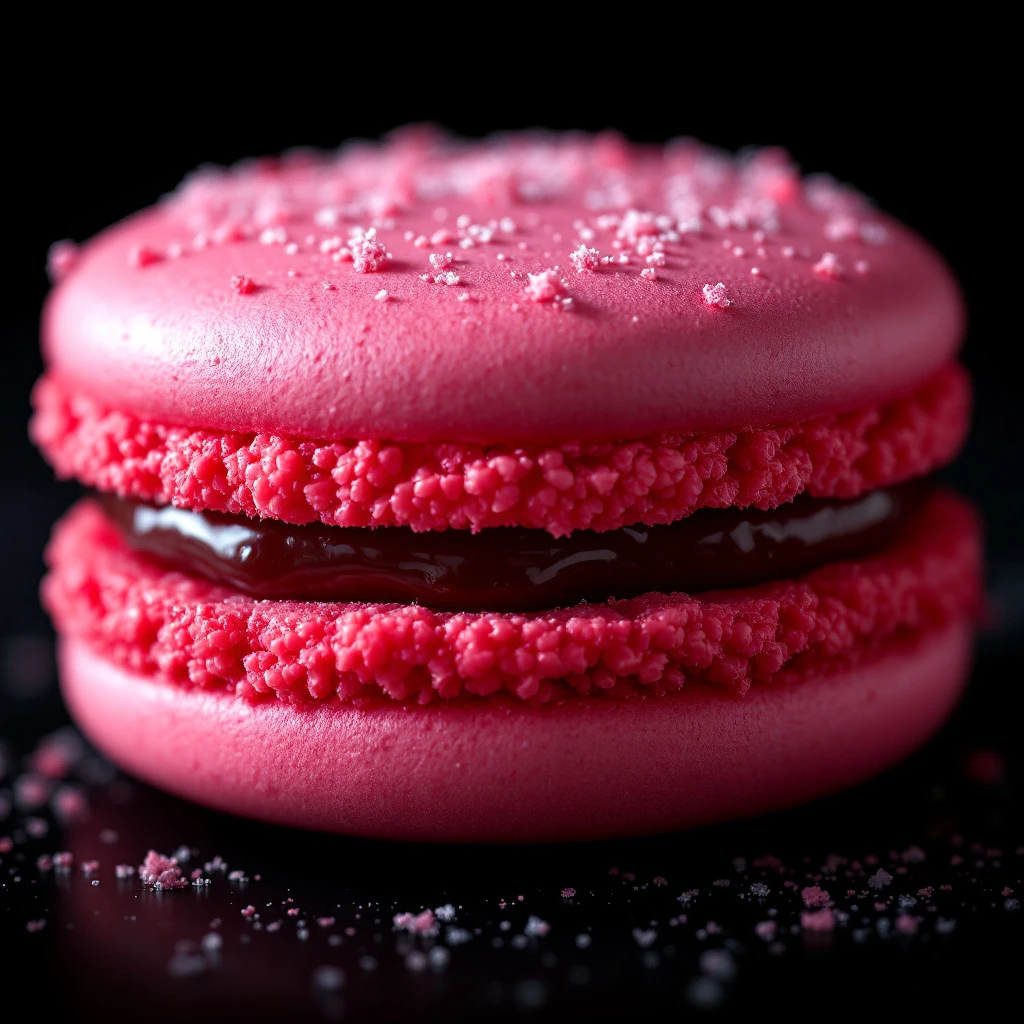
Raspberry Macaron
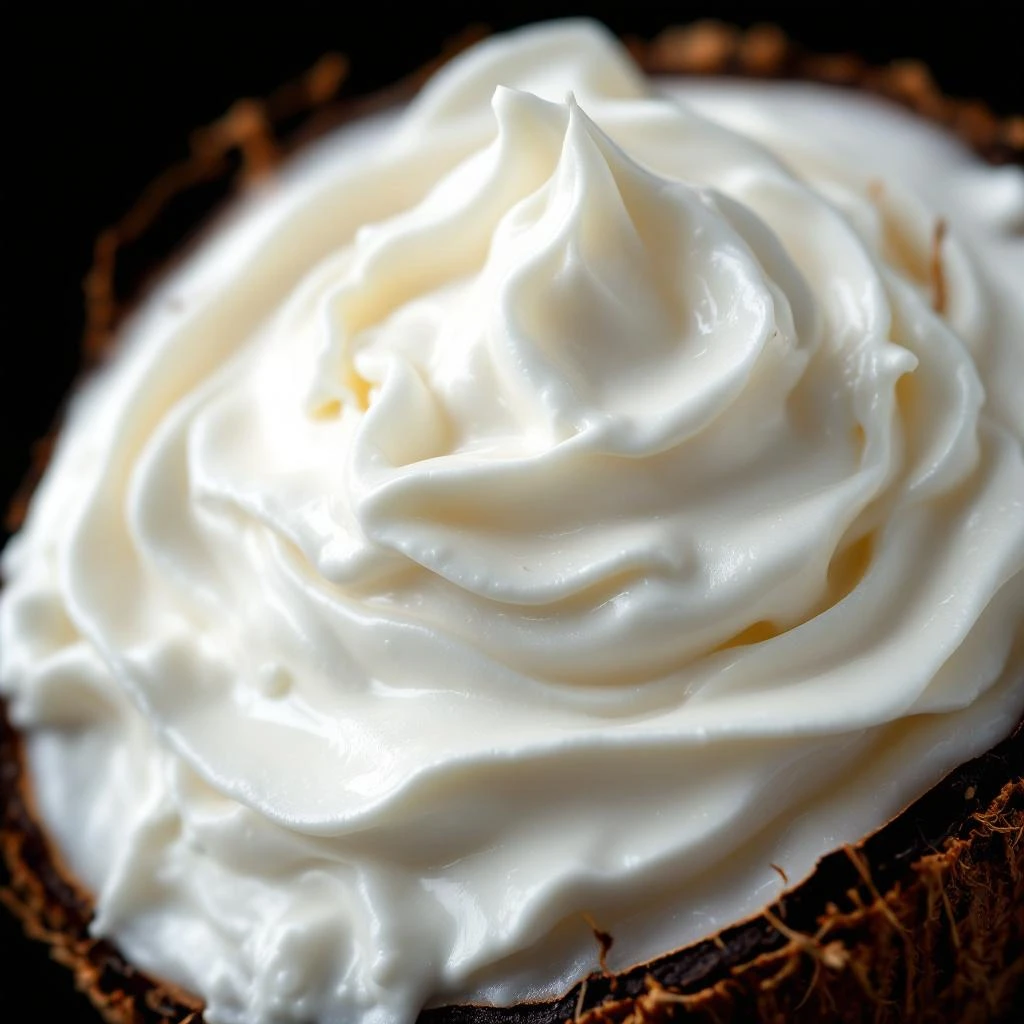
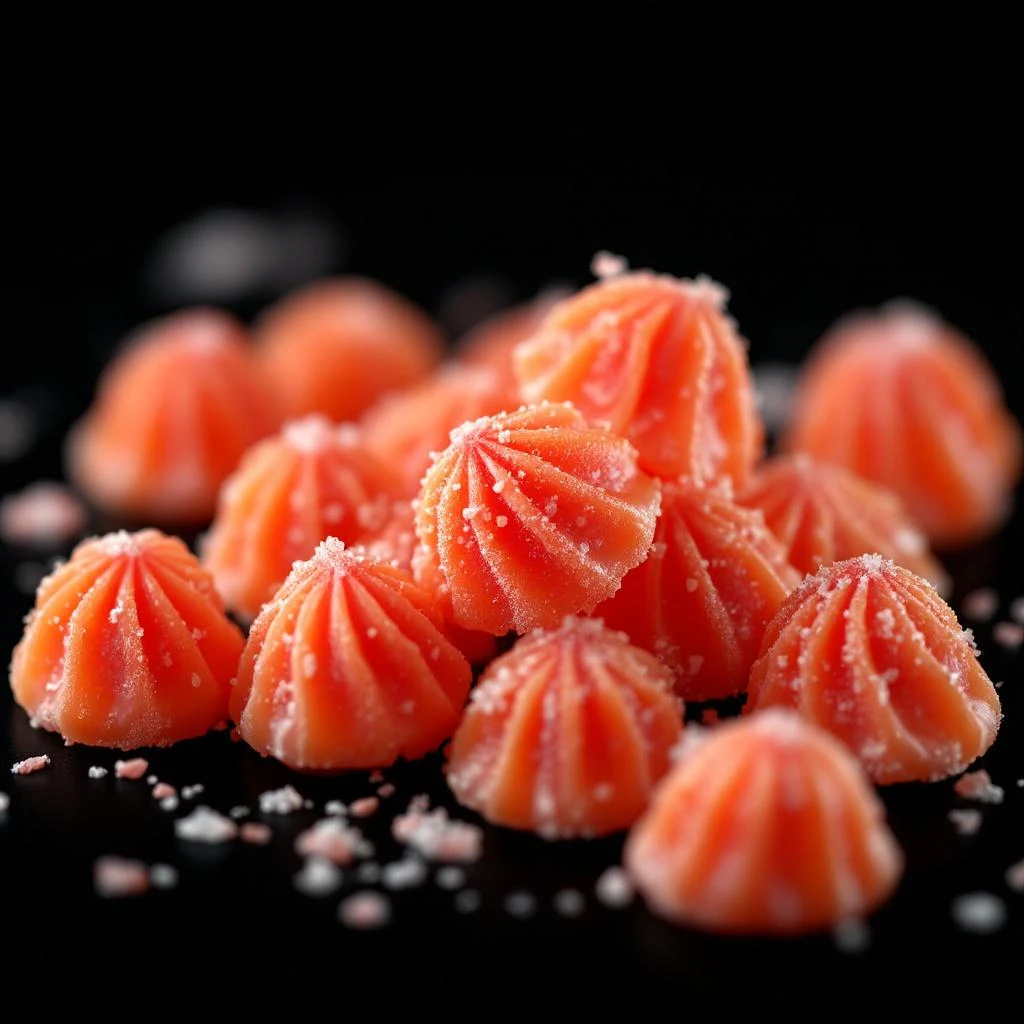
Raspberry Macaron is a synthetic gourmand accord blending bright berry esters with soft almond nuances, evoking the French patisserie in a fragrance bottle. It captures the moment when a crisp shell yields to jammy fruit filling.
Character
How it smells
The patisserie note that changed modern perfumery.
Raspberry's recognizable scent in perfumery comes entirely from synthetic chemistry—no natural raspberry absolute exists in trade.



Origin
France
Before synthetic chemistry, perfumers had no reliable way to capture raspberry. Natural raspberry lacks the volatile compounds needed for extraction, and the fruit bruises so easily that no durable aromatic material survives processing. When organic synthesis matured in the late nineteenth century, perfumers gained access to the molecular tools to build fruit notes from scratch.
The raspberry ester pathway—ethyl acetate derivatives, aldehydes, and related compounds—emerged gradually through the mid-twentieth century as chemists mapped the odor profiles of individual molecules found in real fruit. The Macaron element draws from an older tradition: bitter almond and benzaldehyde were among the first synthetics developed, appearing in fragrances as early as the 1920s. The combined Raspberry Macaron accord arrived later, driven by the 1990s and 2000s gourmand movement when perfumers began treating fragrances as edible experiences rather than abstract compositions.
Today the note appears across women's and gender-neutral fragrances as a marker of sweetness, playfulness, and French patisserie culture—a modern creation built on century-old synthetic foundations.
Wears it best
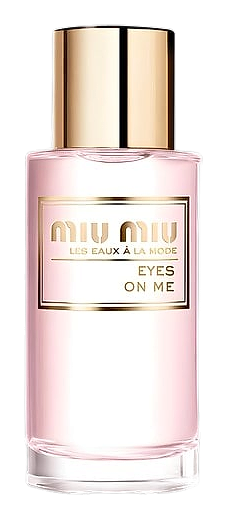
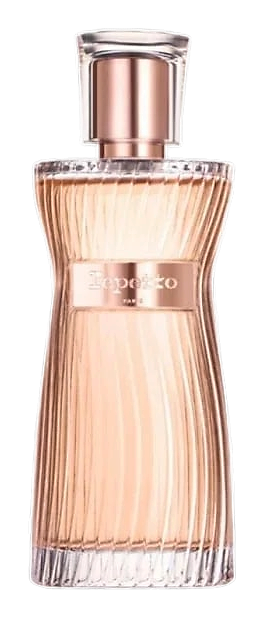
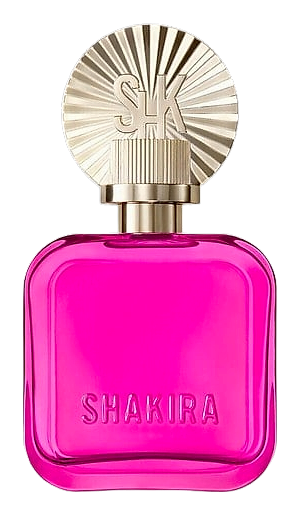
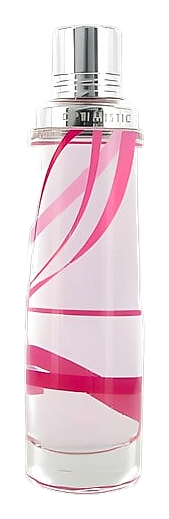
Fragrances featuring Raspberry Macaron

Brands
Brands known for Raspberry Macaron
Good to know
Questions, answered
The essentials on Raspberry Macaron in perfumery: how it smells, where it comes from, and how it behaves on skin.
What is Raspberry Macaron in perfumery?
Raspberry Macaron is a synthetic gourmand accord combining ester-based berry compounds with almond and vanilla molecules. It replicates the smell of a French macaron filled with raspberry jam, using no natural raspberry material.
Is there natural raspberry in this note?
No. Natural raspberry produces no extractable aromatic material because the fruit lacks sufficient volatile compounds. Perfumers build the scent entirely from synthesized esters, aldehydes, and related aroma molecules.
What chemicals create the raspberry smell?
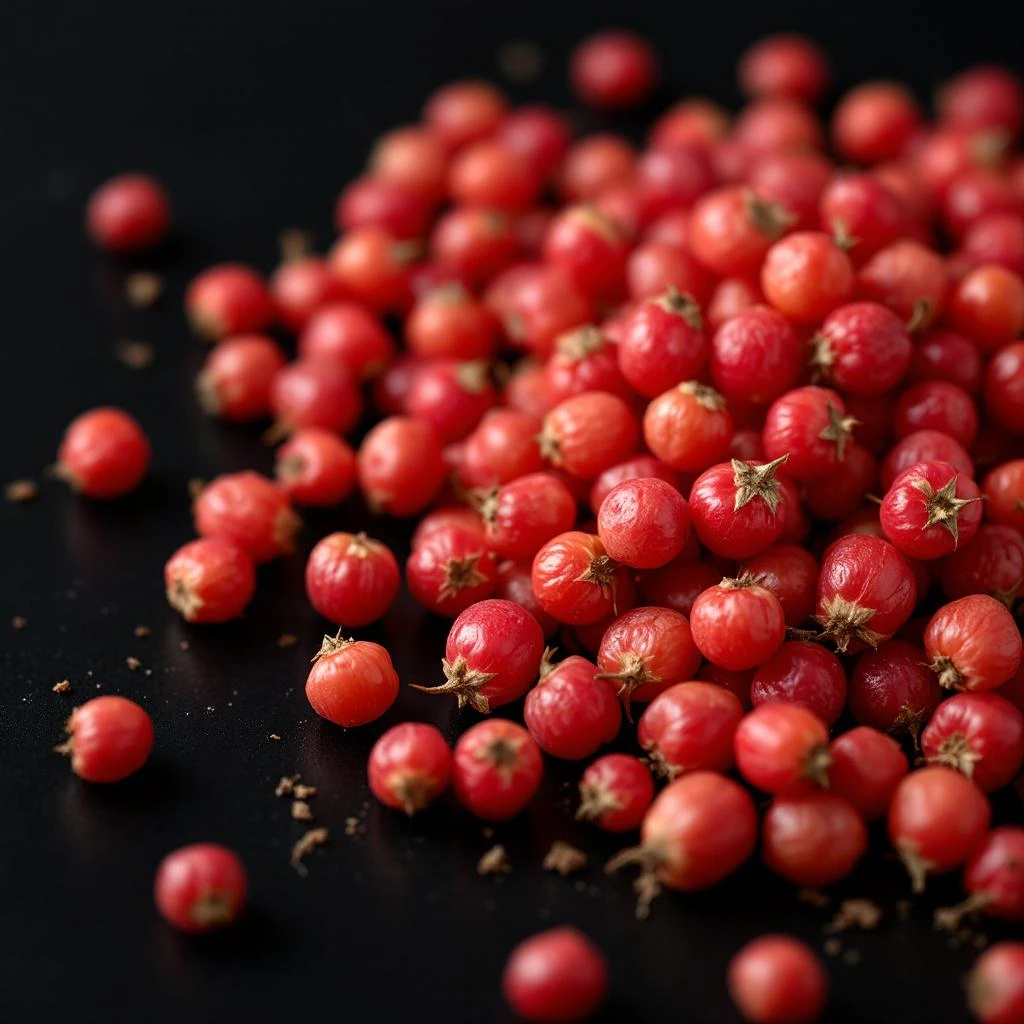
The raspberry facet relies mainly on hexyl acetate and ethyl hexanoate, combined with berry aldehydes. These compounds are blended to approximate the smell of fresh raspberries, which was impossible before synthetic chemistry.
Where did the macaron element originate in perfumery?
The macaron or almond aspect uses benzaldehyde, one of the earliest synthetic fragrance ingredients, first recorded in perfumery in the early twentieth century. It pairs naturally with vanilla molecules like vanillin.
When did Raspberry Macaron become a standard fragrance note?
The combined accord gained popularity during the 1990s and 2000s gourmand fragrance boom. Perfumers began constructing complete edible signatures rather than using single food-inspired materials.
What fragrances feature Raspberry Macaron?
The note appears in several mainstream gourmand fragrances as a signature berry-almond combination. It is particularly common in women's florals and contemporary designer lines seeking a playful, edible character.
Does Raspberry Macaron smell like fresh raspberries?
It smells more like raspberry jam or a raspberry confection than fresh fruit. The ester base gives it a cooked, sweet quality that reads as jammy rather than raw or green.
Can this note be combined with florals?
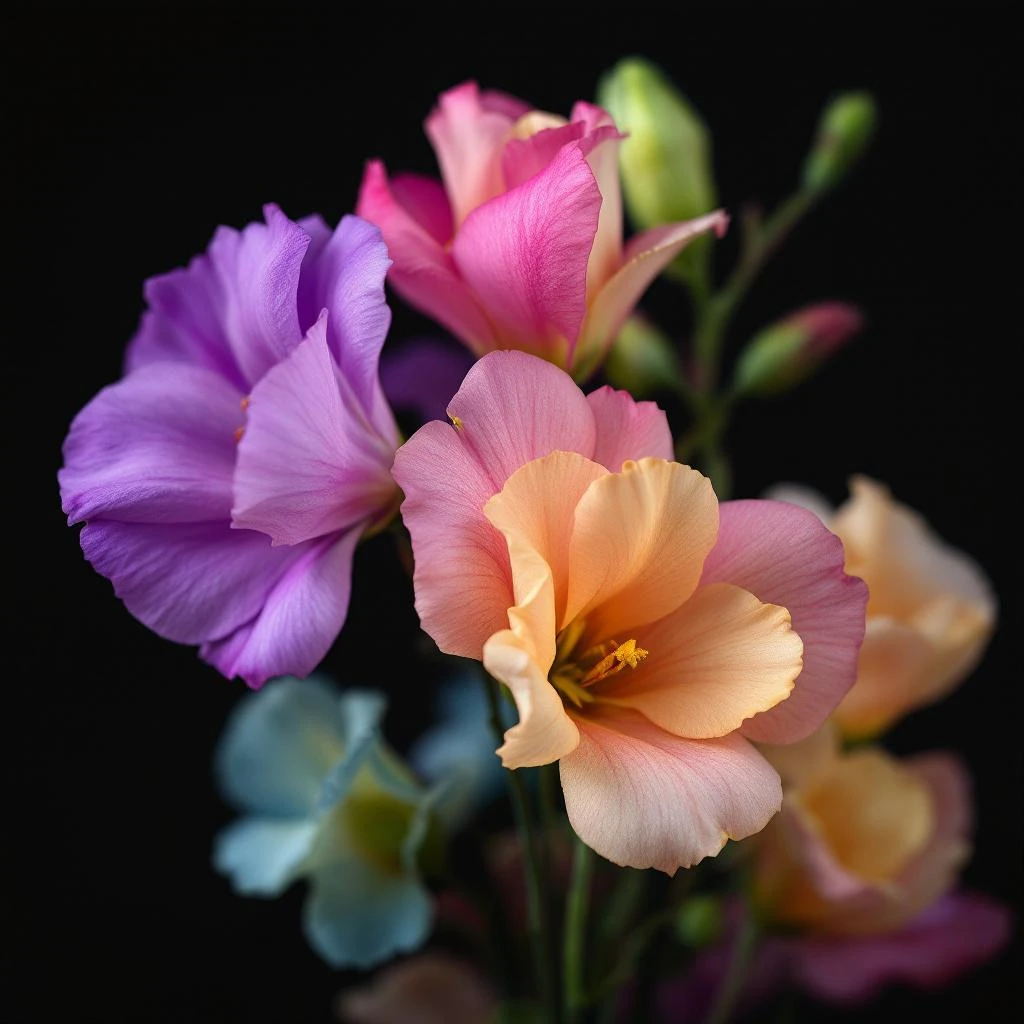
Yes. Raspberry Macaron pairs well with rose, peony, and magnolia. The almond component also blends naturally with jasmine, adding a creamy depth that softens sharper white florals.