Rambutan
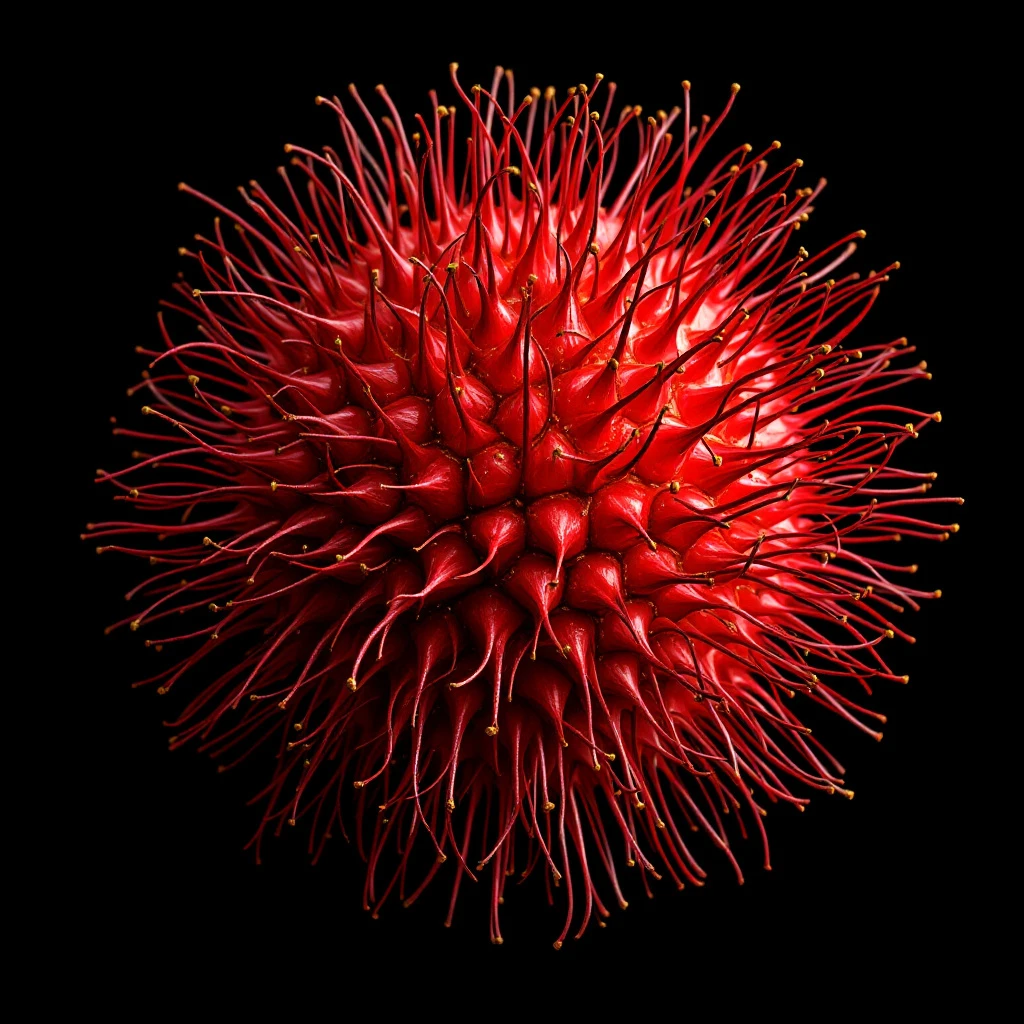
Rambutan delivers a tropical sweetness that feels like biting into sun-warmed fruit. This Southeast Asian treasure has no natural perfumery extract, yet its luminous, slightly musky sweetness appears in modern fragrances through carefully crafted synthetics.
Character
How it smells
Tropical sweetness, crafted not extracted
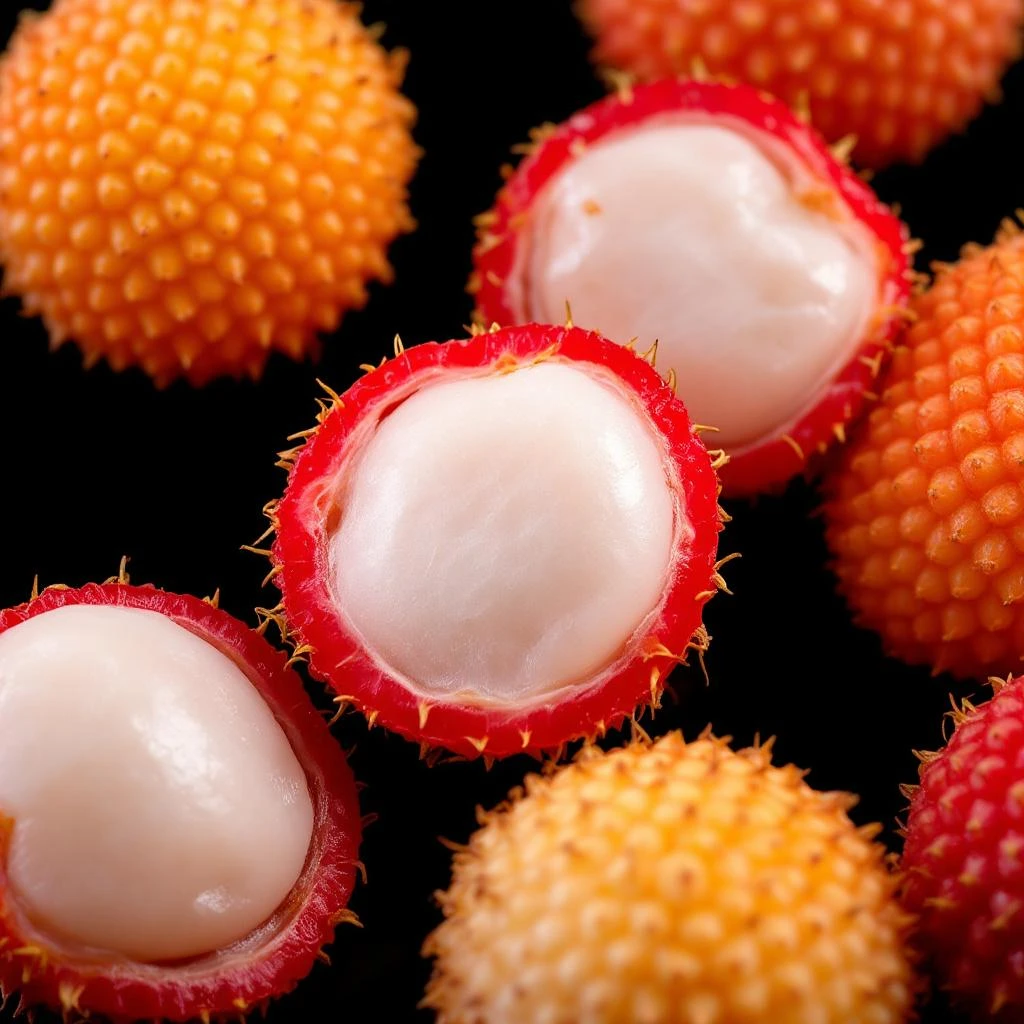
The name 'rambutan' comes from the Malay word 'rambut,' meaning hair, describing the fruit's distinctive hairy shell.


Origin
Malaysia
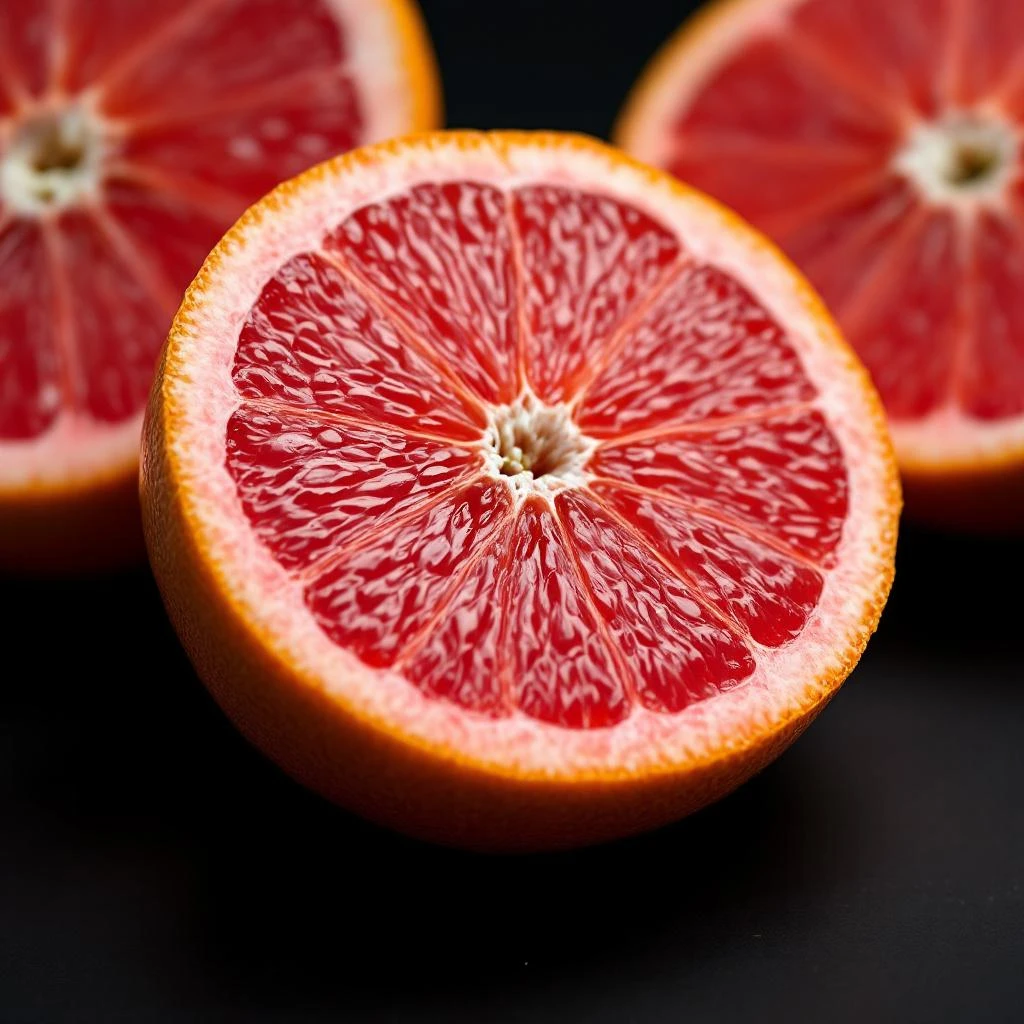
Rambutan originates from the Malay Archipelago, where it has grown wild for centuries across present-day Malaysia, Indonesia, and Thailand. The fruit belongs to the Sapindaceae family, sharing lineage with lychee and longan.
Ancient traders carried rambutan seeds along maritime routes, spreading cultivation to the Philippines, Vietnam, and beyond. Indigenous communities valued the fruit primarily as food, appreciating its sweet, slightly acidic flesh.
Fragrance applications remained limited because the aromatic compounds proved too volatile and water-soluble for traditional extraction methods. Modern perfumery discovered rambutan's olfactory potential only when synthetic chemistry advanced enough to recreate its delicate ester profile, leading to its inclusion as a modern tropical note in fine fragrances from the late 20th century onward.
Wears it best
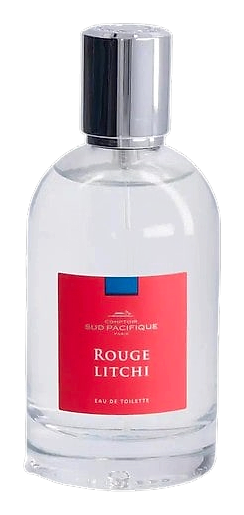
Fragrances featuring Rambutan
Brands
Brands known for Rambutan
Good to know
Questions, answered
The essentials on Rambutan in perfumery: how it smells, where it comes from, and how it behaves on skin.
Is there a natural rambutan extract used in perfumery?
No, rambutan has no commercial perfumery extract. The fruit's volatile compounds are too water-soluble and fragile to survive standard extraction methods.
How do perfumers capture the rambutan scent?
Perfumery recreates rambutan synthetically using fruity esters like ethyl acetate combined with creamy lactones such as delta-decalactone to mirror the fruit's sweet, watery freshness.
What does rambutan smell like in fragrance?
Rambutan reads as bright, tropical sweetness with watery freshness and a subtle creamy undertone, similar to lychee but slightly more musky and less floral.
Are there any traditional perfumery uses for rambutan?
No traditional perfumery applications exist. Indigenous cultures used rambutan primarily as food, not as a source of aromatic extracts for fragrance.
What family does the rambutan plant belong to?
Rambutan belongs to the Sapindaceae family, making it a botanical cousin to lychee and longan, which share similar tropical fruit olfactory profiles.
Can synthetic rambutan accords trigger allergies?
Individual synthetic components used in rambutan accords may require allergen declaration under IFRA regulations, though the reconstructed note itself is not classified as an allergen.