Purple Lilac
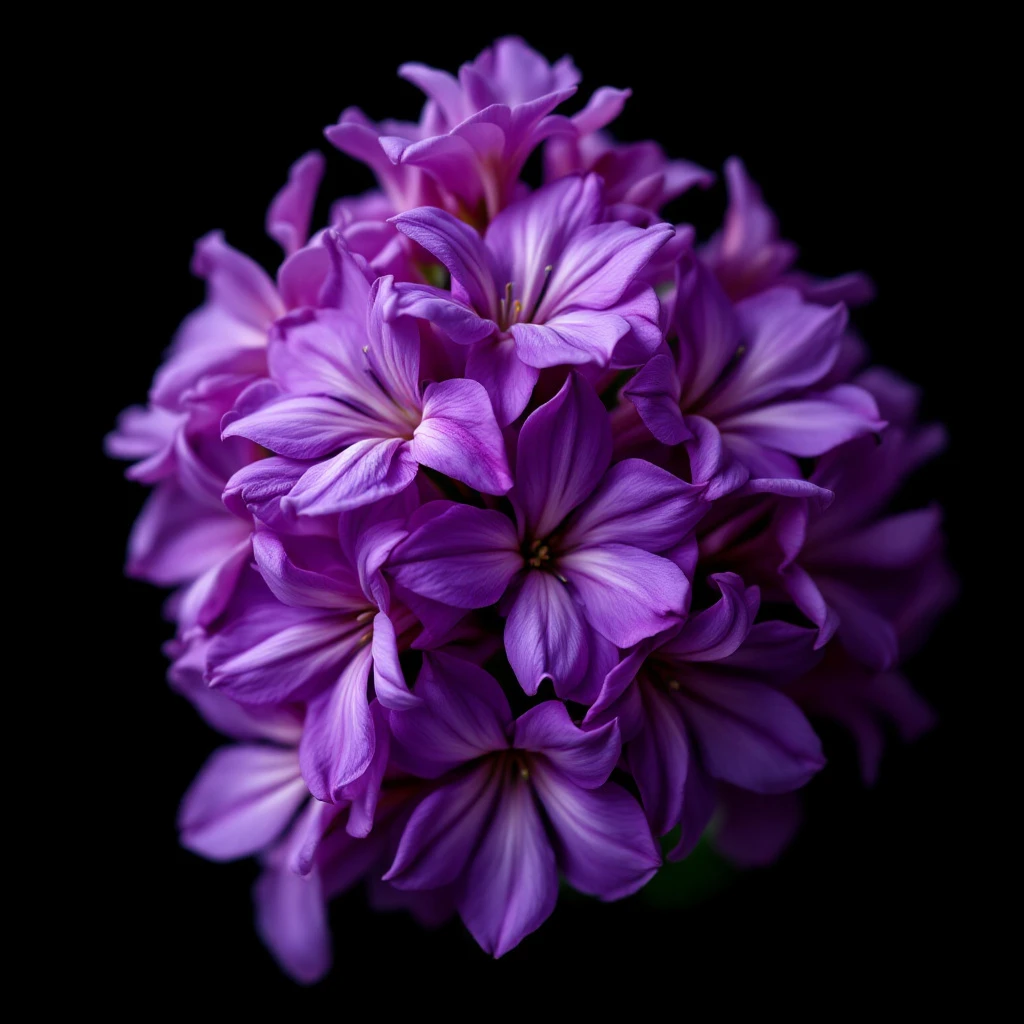
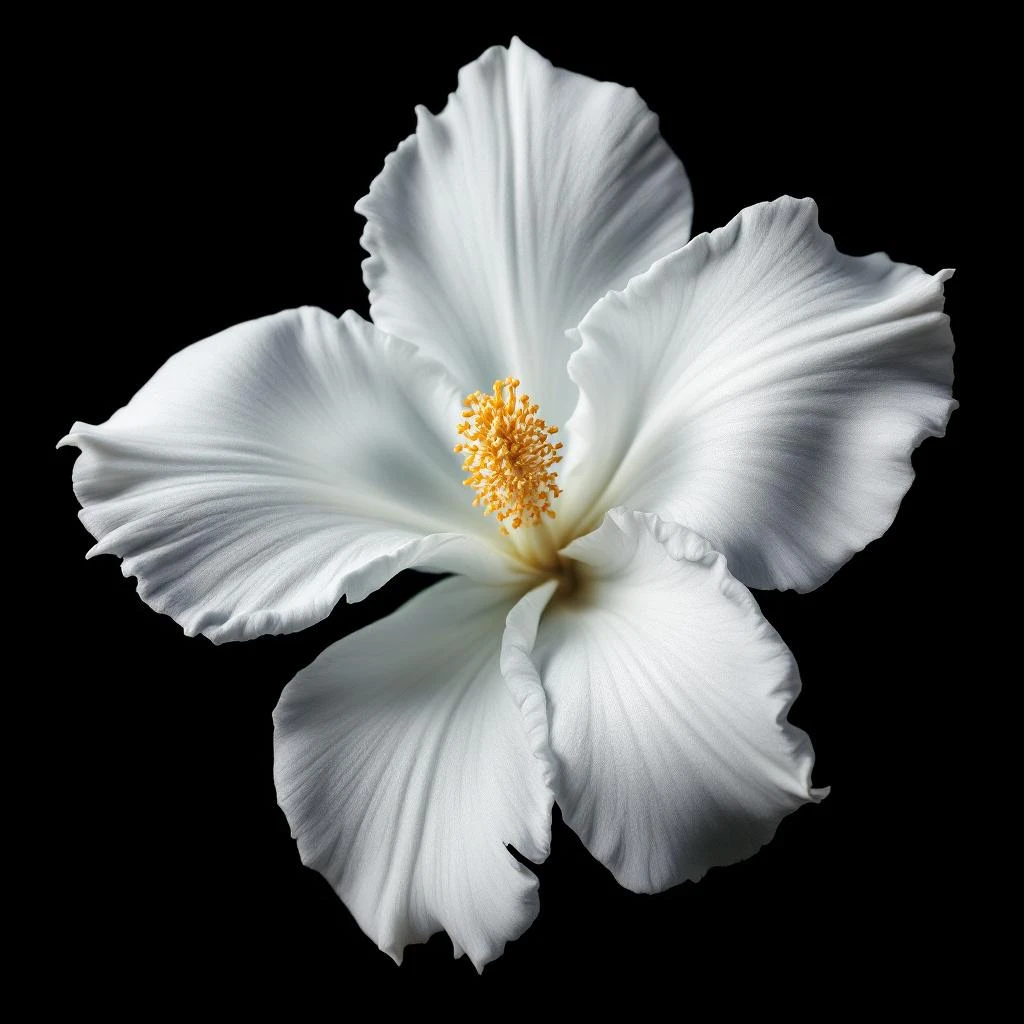
Purple Lilac (Syringa vulgaris) ranks among perfumery's most enigmatic ingredients. Despite its intoxicating spring scent, lilac refuses conventional extraction, earning it the label 'mute flower.' Every drop of lilac in a perfume bottle is a reconstruction, a careful chemistry set in motion by a flower that keeps its secrets.
Character
How it smells
The spring flower that guards its scent from extraction.
Lilac is classified as a 'mute' or 'silent' flower, meaning its fragrance cannot be captured by steam distillation or solvent extraction. Perfumers must rebuild its scent from separate aromatic molecules.







Origin
Balkans / Asia Minor (modern Turkey)
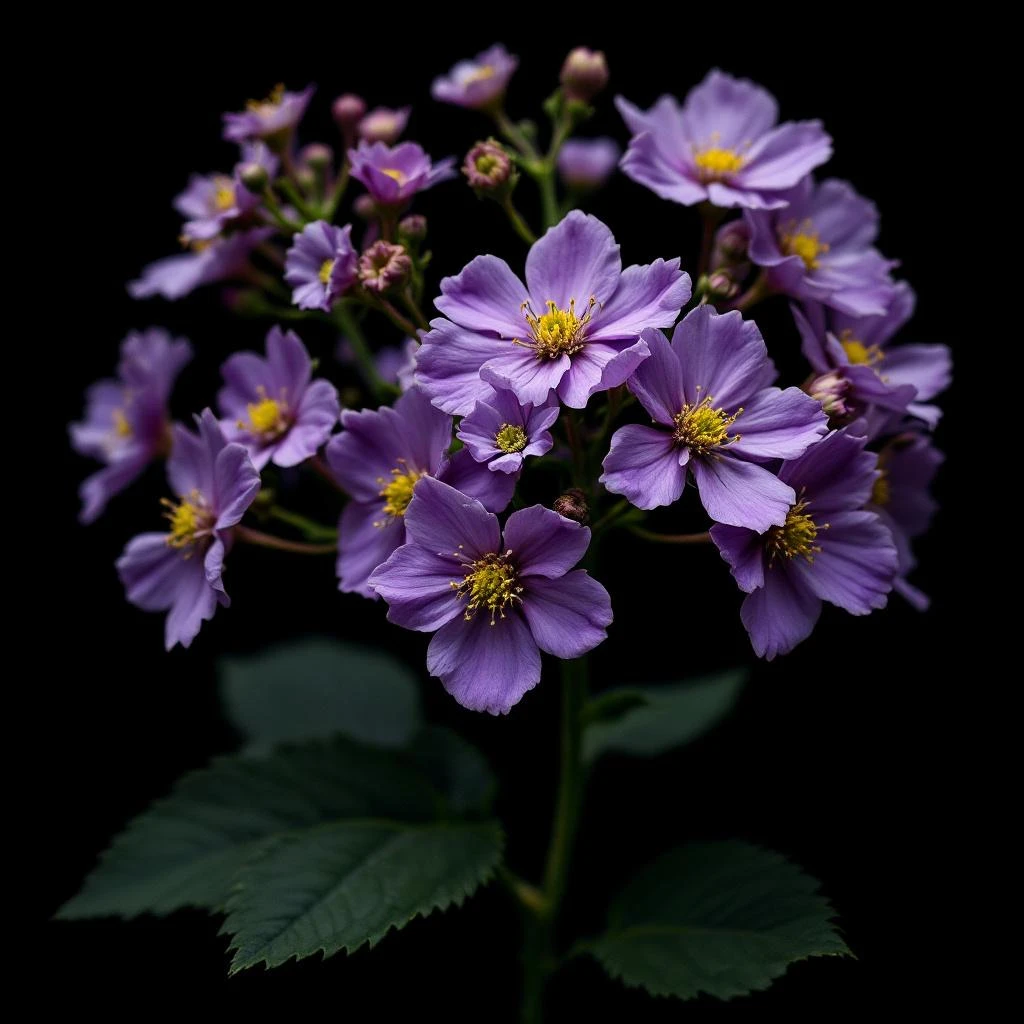
Lilac (Syringa vulgaris) originated in the Balkans and Asia Minor, growing wild across rocky hillsides from Romania to Turkey. The plant traveled westward along Arab trade routes and entered European gardens via Spain around the 1560s. The name Syringa derives from the Greek word for pipe, a reference to the plant's hollow stems, which various cultures used for flute-making.
Early European use focused on ornamental cultivation and pomanders, where clusters of fresh flowers were tucked into pierced wooden balls to fragrance interiors. The flower remained largely absent from formal perfumery until the 20th century, when synthetic chemistry opened a door the flower itself had sealed shut. By the mid-1900s, perfumers began creating lilac accords using combinations of aroma chemicals, eventually establishing lilac as a recognizable spring note in floral compositions.
The paradox remains: the flower everyone recognizes by scent has never truly been bottled.
Wears it best
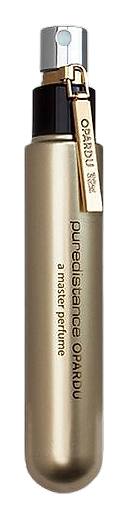
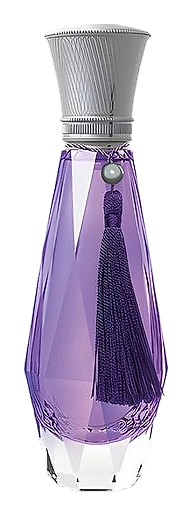
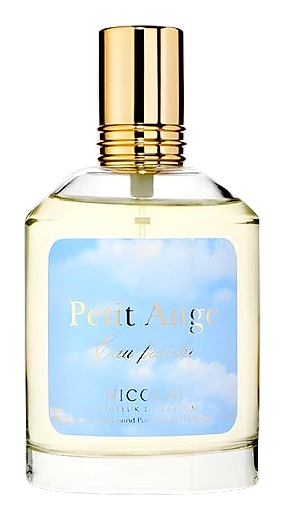
Fragrances featuring Purple Lilac
Brands
Brands known for Purple Lilac
Good to know
Questions, answered
The essentials on Purple Lilac in perfumery: how it smells, where it comes from, and how it behaves on skin.
Can lilac essential oil be extracted from the flower?
No, not through conventional means. Lilac is classified as a 'mute' or 'silent' flower because its scent molecules are too delicate for steam distillation or solvent extraction. Artisan producers use enfleurage, a cold-fat process, to capture the scent, but yields are minimal and costs are high.
Why is lilac considered a 'mute' flower in perfumery?
A mute flower resists extraction because its volatile aromatic compounds are released only when the flower is alive and blooming, and they degrade rapidly under heat or chemical processing. Lilac's key scent molecules, including lilac aldehyde, remain commercially unavailable, making natural extraction practically impossible.
How do perfumers create a lilac scent without natural extract?
Perfumers build lilac accords from separate aroma chemicals. Key components include lilial, hydroxycitronellal, cyclamen aldehyde, and phenylacetaldehyde. These are combined in ratios that reproduce lilac's fresh, green, slightly almond character, layered over a floral base.
What does purple lilac smell like?
Lilac opens with a bright, citrusy freshness before revealing its characteristic green, dewy petals. The heart carries a milky almond softness reminiscent of heliotrope, balanced by a deep rose-like warmth. There is a slightly haunting, green undercurrent that recalls crushed leaves.
What is enfleurage and how does it relate to lilac?
Enfleurage is a cold-process extraction where fresh flower petals are pressed into a layer of odorless fat, typically lard or beeswax, for 24 to 72 hours. The fat absorbs the volatile scent molecules. Alcohol then washes the scented fat to produce a fragrant extract. It is the only method that captures fresh lilac's true character.
Is synthetic lilac the same as natural lilac extract?
No. Synthetic lilac accords reproduce the overall scent profile but miss the full complexity of the living flower. Artisan enfleurage extracts capture a wider range of aromatic nuances, including trace compounds that give natural lilac its characteristic depth and haunting quality.
What chemicals are primarily responsible for lilac's scent?
Lilac's scent is complex, but two unsaturated aldehydes, often called lilac aldehydes (a blend of C10 and C11 aldehydes), are considered signature components. Both remain commercially unavailable, which is why synthetic reconstruction is the industry standard for lilac notes.
Which fragrance families commonly feature lilac?
Lilac appears most often in spring florals, chypres, and green fragrances. It pairs naturally with hyacinth, jasmine, rose, and galbanum. Lilac also features in some oriental compositions where its cool floralcy contrasts with warmer resinous or ambery base notes.