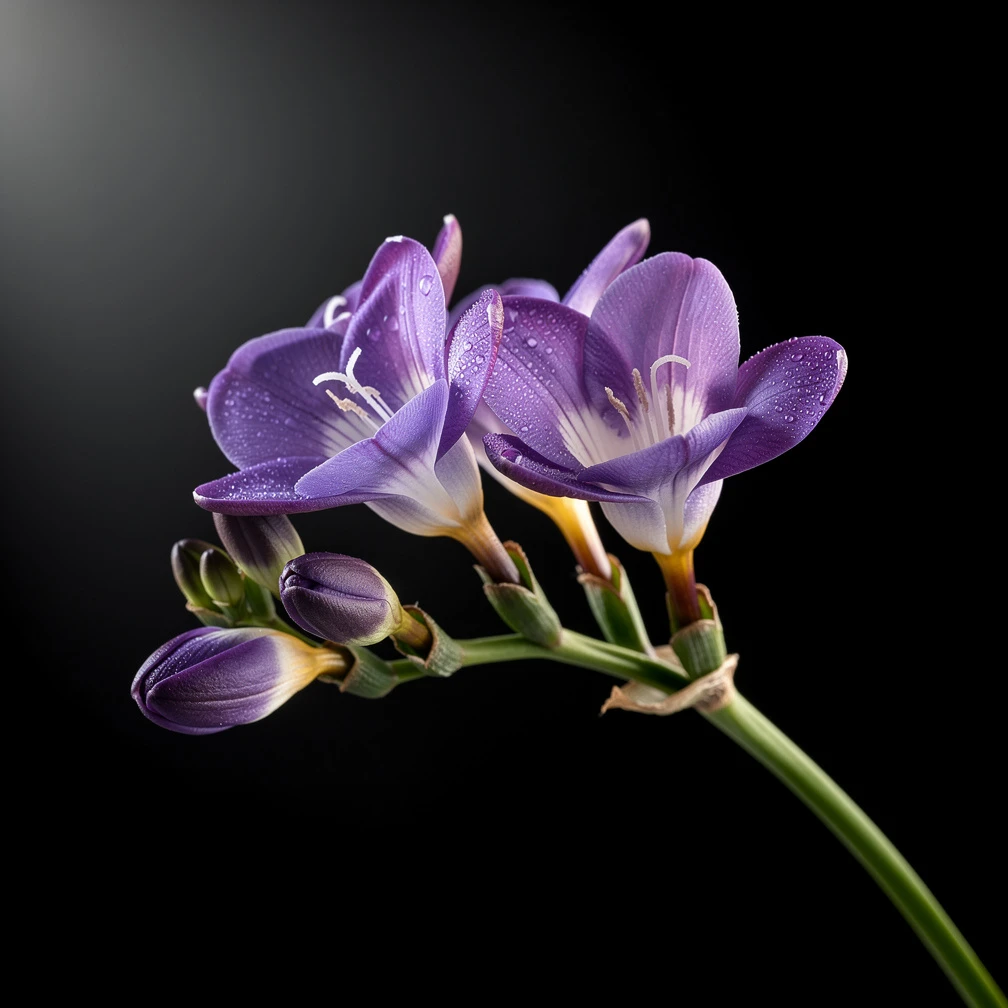
Purple freesia
Purple freesia delivers the cool, crystalline sweetness of freesia blossoms with violet-like depth. Its powdery-berry softness adds a distinctive cool-toned floral character that reads as distinctly purple in fragrance compositions.
Character
How it smells
Cool-toned florals with crystalline sweetness
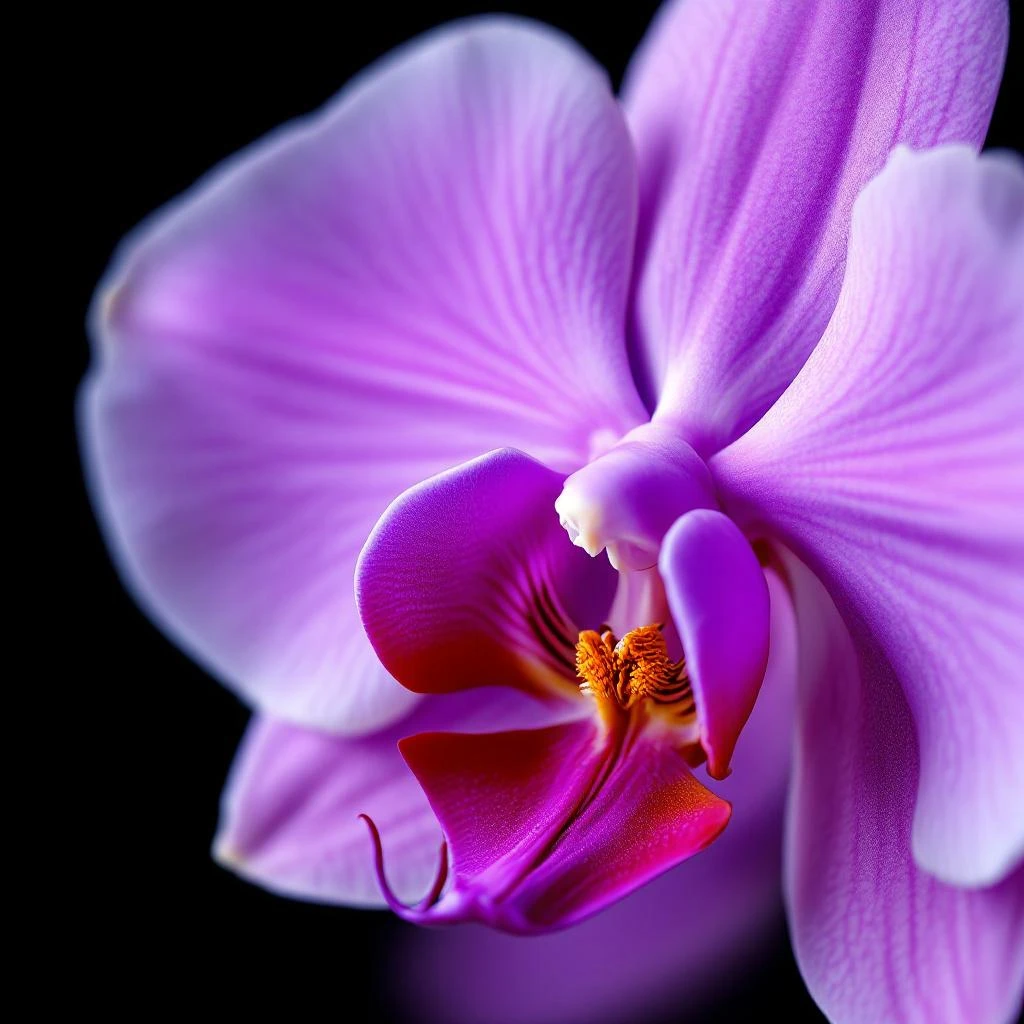
Freesia petals contain anthocyanins, the same pigments that give the flower its purple-blue tint while shaping its scent.





Origin
South Africa
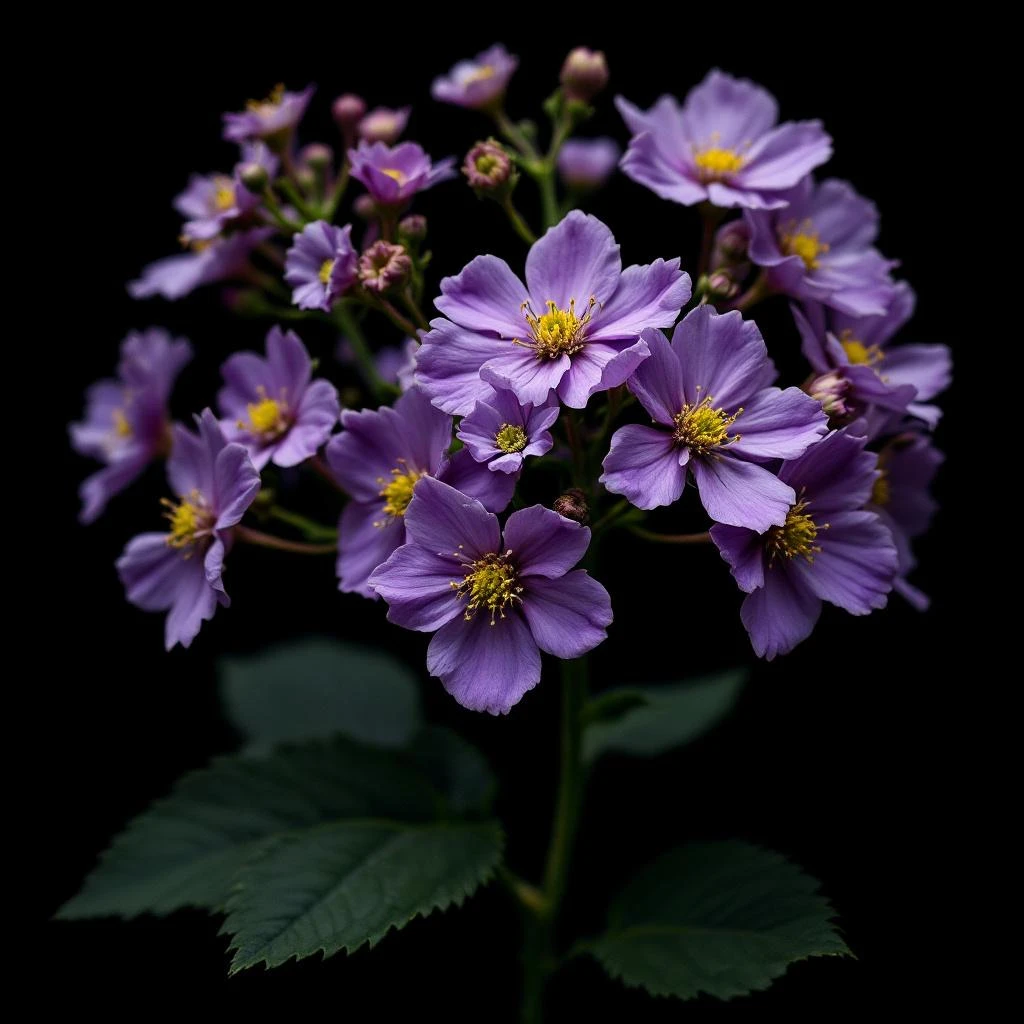
Freesia originated in South Africa's Western Cape Province, where Indigenous peoples called it Cape Lily of the Valley. Danish botanist Christian Ecklon documented the plant in the nineteenth century and named it after Friedrich Freese, a German physician and plant collector who studied South African flora extensively. The flower arrived in European botanical gardens in the late 1700s but remained a botanical curiosity for decades.
European hybridizers only developed the fragrant, showy garden varieties in the nineteenth and twentieth centuries that made freesia famous. Before this breeding work, wild freesia species were smaller and less fragrant. The purple freesia variety emerged through selective cultivation, with anthocyanin pigments producing both the distinctive coloration and influencing the scent chemistry.
Today, freesia ranks among the most recognized floral notes in modern perfumery, appearing in countless women's fragrances from light soliflores to complex florals.
Wears it best
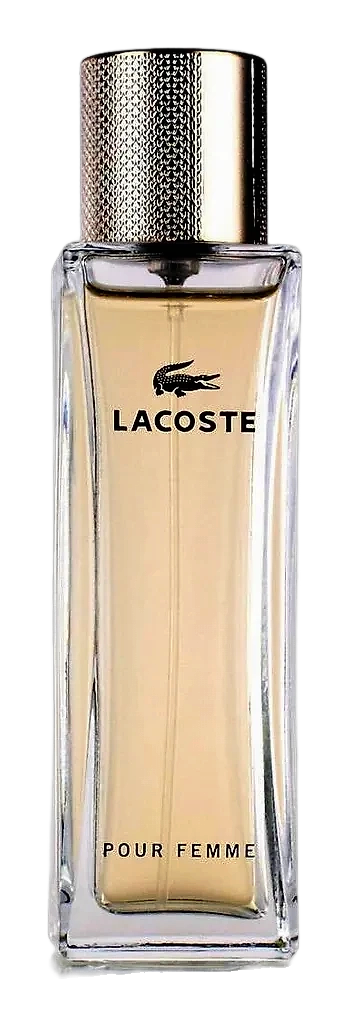
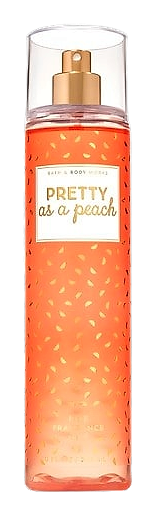
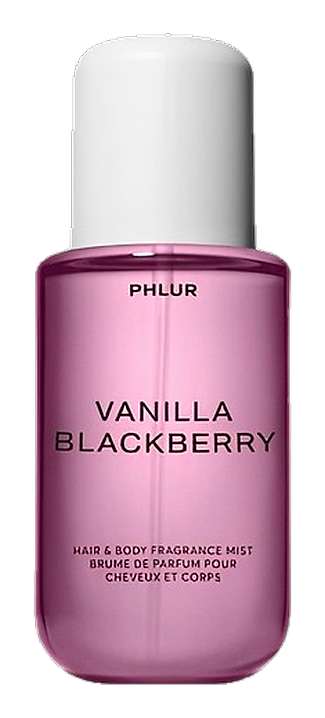
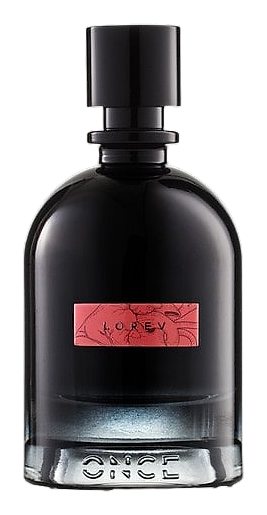
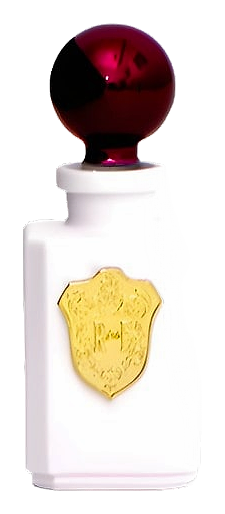
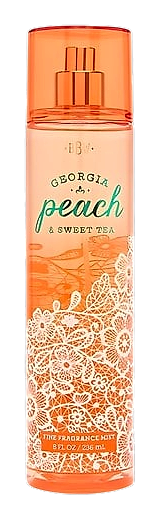
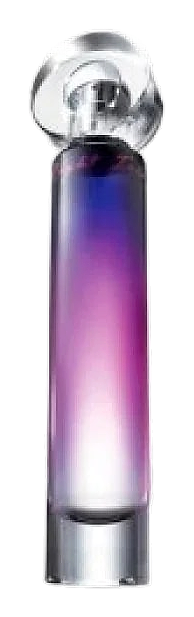
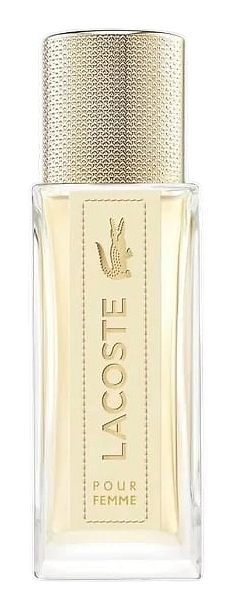
Fragrances featuring Purple freesia
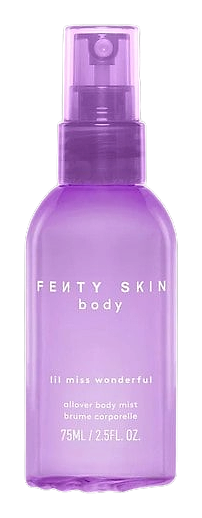
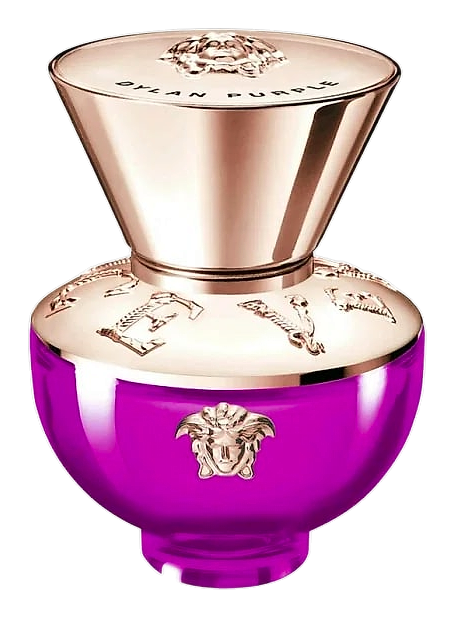
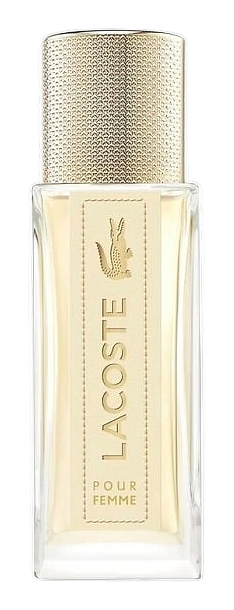
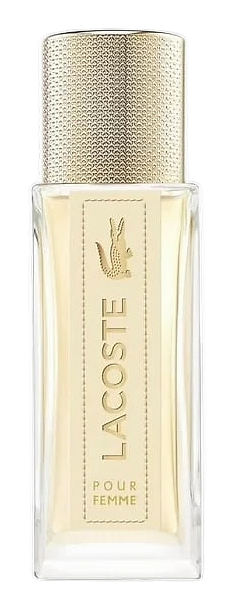
Brands
Brands known for Purple freesia
Good to know
Questions, answered
The essentials on Purple freesia in perfumery: how it smells, where it comes from, and how it behaves on skin.
What does purple freesia smell like?
Purple freesia smells cool, sweet, and slightly powdery with a violet-like undertone. It carries a green-tea freshness that distinguishes it from warmer florals.
Is purple freesia extracted from actual flowers?
No. Perfumers synthesize purple freesia using ionones and related compounds because natural freesia yields no commercially viable extract.
What aromachemicals create purple freesia?
Ionones provide the powdery-floral base, while cis-3-hexenyl acetate adds green-tea freshness. These compounds together recreate the characteristic freesia scent.
Does the purple color affect the scent?
Possibly. Anthocyanin pigments in purple freesia correlate with specific aromatic compounds, giving this variety its distinctive cool, slightly berry-floral character.
What pairs well with purple freesia?
Purple freesia combines well with citrus top notes and woody base materials like sandalwood, creating fragrances that range from fresh to powdery.
When did freesia become popular in perfumery?
Freesia gained prominence in the twentieth century after European breeding programs produced the fragrant garden varieties now used in perfumery.
What does the name freesia come from?
Botanist Christian Ecklon named freesia after Friedrich Freese, a German physician who studied South African plants in the nineteenth century.
Why do perfumers prefer synthetic freesia?
Synthetic production costs less and ensures consistent scent profiles across batches, something impossible with actual flower extraction.


