Príncipe Cocoa Bean Absolute
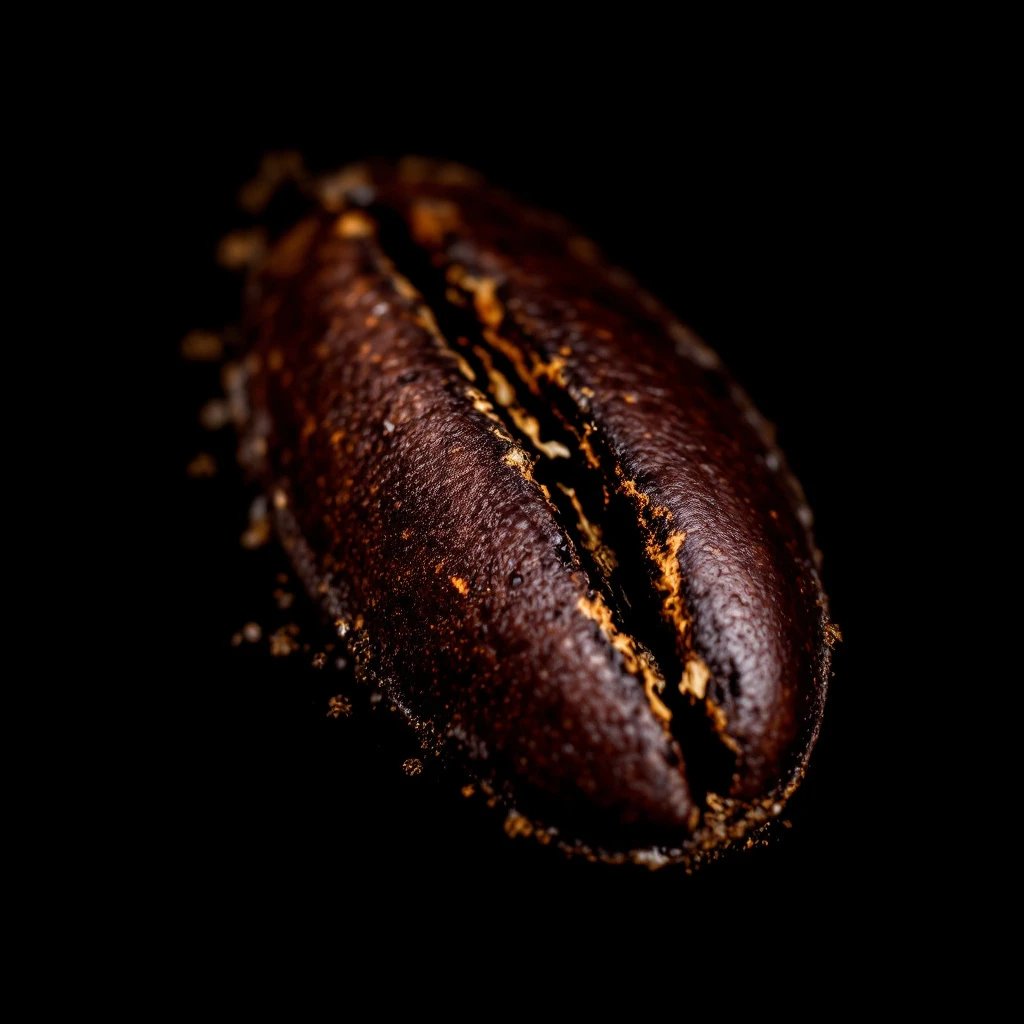
A dark, gourmand extract from roasted Theobroma cacao seeds, cocoa absolute carries roasted depth, bitter edge, and faint tobacco warmth. It anchors chocolate-forward compositions and adds edible richness to orientals.
Character
How it smells
Roasted depth straight from the bean
Cocoa beans must be fermented and roasted before extraction; raw cacao yields almost no aromatic material for perfumery.
Pairs beautifully with
Origin
Ivory Coast
Cacao traveled from Mesoamerican sacred ritual to European court luxury between the 16th and 17th centuries. The Maya and Aztec peoples consumed cacao as a bitter, spiced drink centuries before Spanish contact, grinding fermented, roasted beans with chilies, vanilla, and achiote. Hernán Cortés brought cacao preparations to Spain around 1528, and by the 1600s chocolate houses had spread across Europe.
The aromatic complexity of roasted cacao eventually caught the attention of early modern perfumers experimenting with gourmand facets in oriental compositions. Solvent extraction made concentrated cocoa absolute commercially viable in the 20th century, capturing the roasted, pyrazine-driven character that simple tinctures could not. The reference to Príncipe likely nods to the heirloom Nacional cacao varietal from Ecuador, once thought extinct and now revived, prized for its floral, less bitter profile.
Cocoa absolute found its true niche with the rise of gourmand perfumery in the 1990s, anchoring chocolate-themed fragrances and lending edible darkness to woody, spicy, and tobacco compositions.
Wears it best
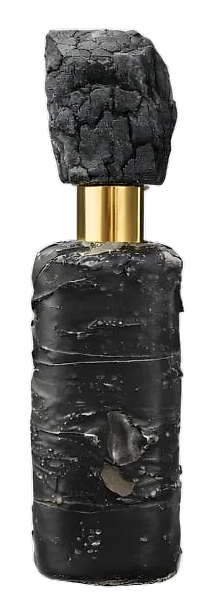
Fragrances featuring Príncipe Cocoa Bean Absolute
Brands
Brands known for Príncipe Cocoa Bean Absolute
Good to know
Questions, answered
The essentials on Príncipe Cocoa Bean Absolute in perfumery: how it smells, where it comes from, and how it behaves on skin.
What does cocoa absolute smell like in perfume?
Cocoa absolute smells roasted, bitter, and slightly smoky with warm undertones. The dominant pyrazines give it an earthy, almost burnt edge that perfumers use to add edible darkness to gourmand, oriental, and woody compositions.
How is cocoa absolute extracted?
Cocoa absolute is produced through solvent extraction of fermented, roasted cacao beans. The beans are washed in a solvent like ethanol or hexane, then concentrated into a thick, dark semi-solid prized for its concentrated roasted aroma.
Where does cocoa absolute come from?
Most cocoa absolute originates from Ivory Coast and Ghana, the world's leading cacao producers. Organic-certified extracts often come from Dominican Republic farms, with processing handled at facilities in France by houses like Robertet.
What is the difference between CO₂ extract and solvent absolute?
CO₂ supercritical extraction yields a cleaner, more volatile-rich cocoa material that retains a higher proportion of pyrazines. Solvent absolute is more affordable and widely used, though it contains less of the delicate top-note aromatics.
Does cocoa absolute contain chocolate smell?
Cocoa absolute carries roasted, bitter cacao character rather than sweet chocolate. Sugar, vanilla, and dairy notes that define chocolate bar scent must be added separately by the perfumer to build a true gourmand effect.
What is Príncipe cocoa?
Príncipe refers to heirloom Nacional cacao, a fine-flavor varietal from Ecuador historically prized by European chocolatiers. It offers a more floral, less bitter profile than bulk West African cacao and commands premium pricing.
Can you use cocoa absolute directly on skin?
Cocoa absolute should always be diluted before skin contact. The concentrated material can cause sensitization in some individuals, so perfumers work with alcohol dilutions or pre-blended formulations rather than the raw absolute.
Why is cocoa expensive for perfumery?
Quality cocoa absolute costs more because it requires fermented, properly roasted beans plus multi-stage extraction. CO₂ grades, which retain more pyrazines, command significantly higher prices due to equipment and processing costs.





