Powdery Vanilla
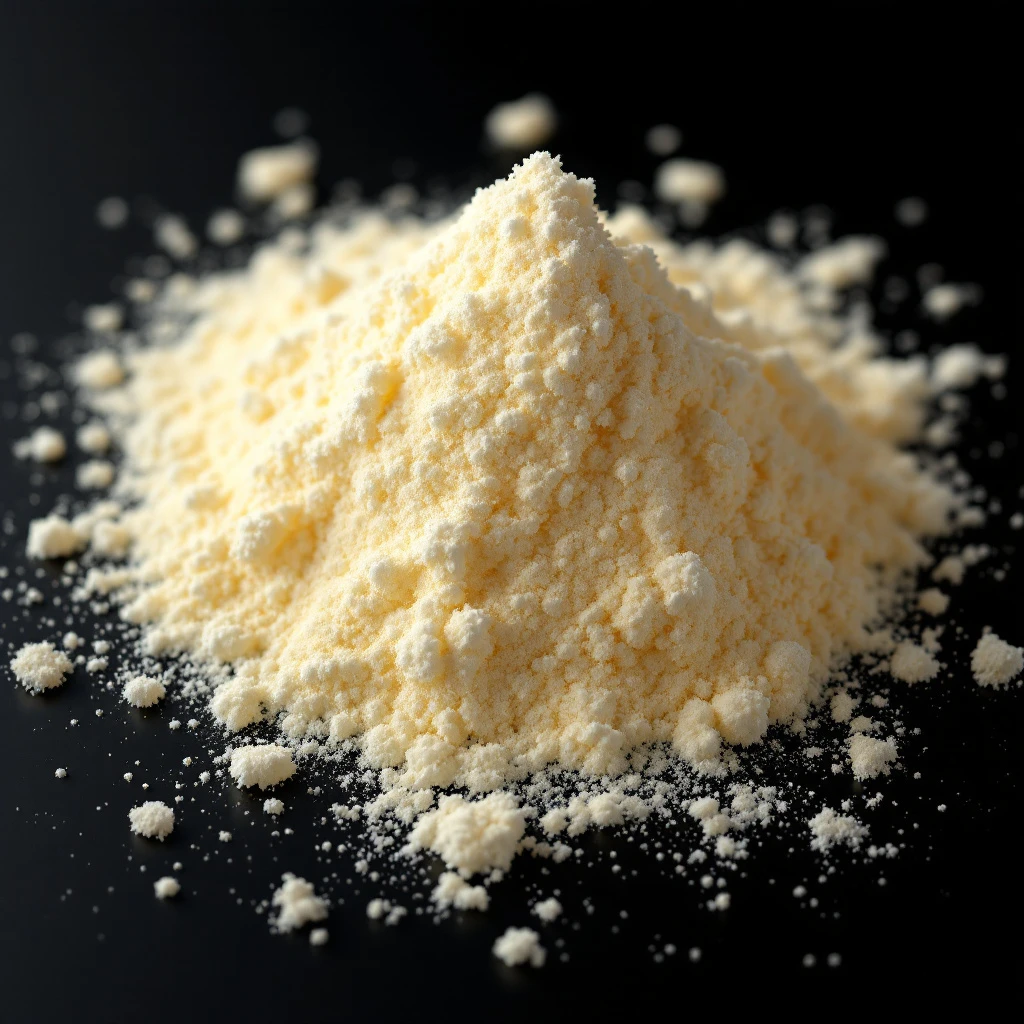
Powdery vanilla brings together the warm, comforting embrace of cured vanilla pods with a light, airy finish that recalls the softest talcs and sun-dried fabrics. This note bridges gourmand richness and elegant restraint, a duality that has fascinated perfumers since vanilla first entered Western consciousness.
Character
How it smells
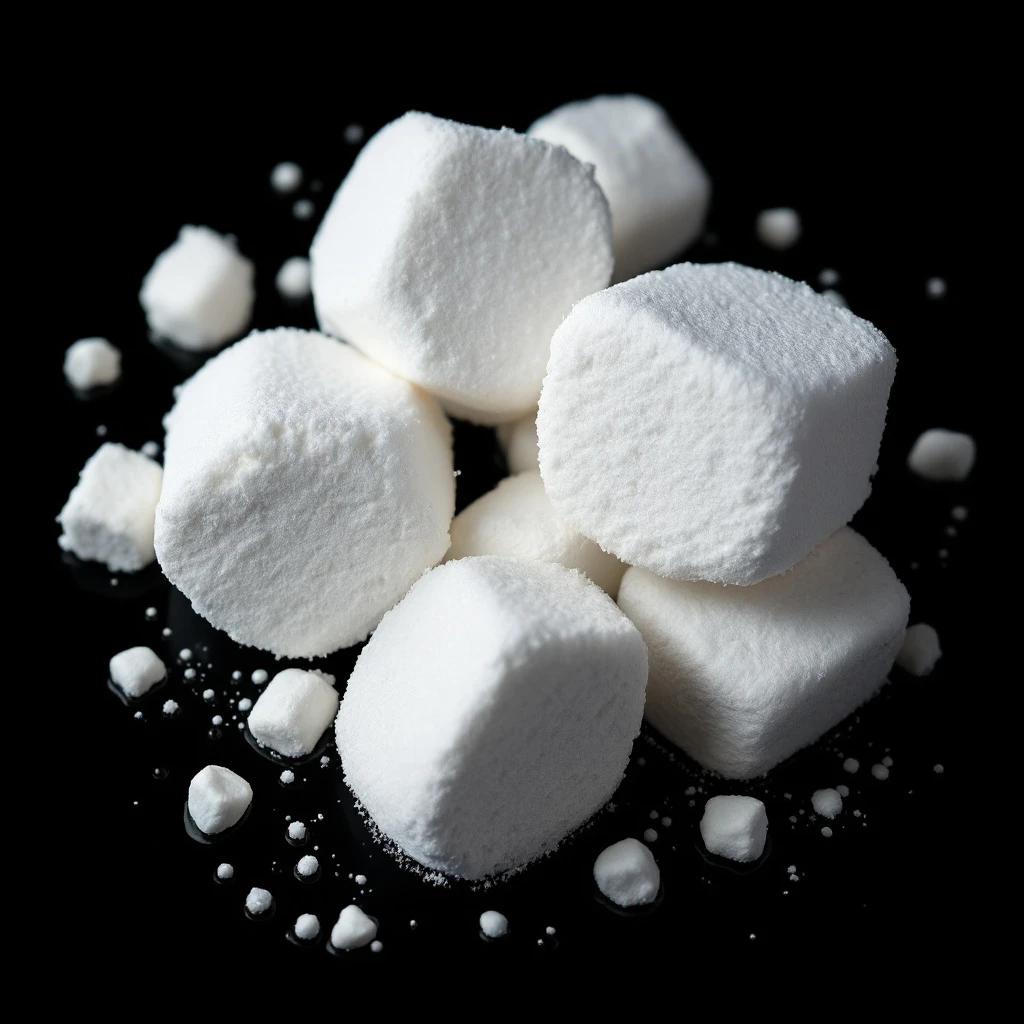
Warm comfort wrapped in whispers of soft white powder.
The vanilla plant is actually a tropical orchid, one of the few orchid species cultivated for commercial purposes rather than purely ornamental ones.



Origin
Mexico
Vanilla originated in Mesoamerica, where the Aztecs used it to flavor chocolate drinks long before European contact. Spanish conquistadors introduced vanilla to Europe in the 16th century, and it quickly became a prized flavoring.
Natural vanilla remained rare and expensive for centuries because the vanilla orchid requires hand pollination to produce pods. In 1894, chemists synthesized ethylvanillin, a more potent vanillin derivative that launched the era of synthetic vanilla in perfumery.
The first deliberate use of vanillin in perfume occurred in 1921, when Guerlain included it in Jicky. Today, powdery vanilla represents a refined interpretation of this ancient ingredient, combining natural and synthetic elements to achieve a clean, sophisticated character that connects warm spice with modern minimalism.
Wears it best
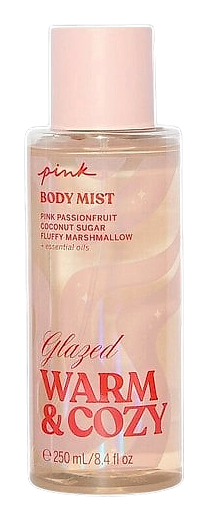
Fragrances featuring Powdery Vanilla
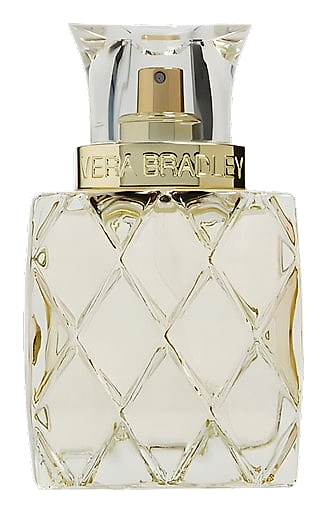
Brands
Brands known for Powdery Vanilla
Good to know
Questions, answered
The essentials on Powdery Vanilla in perfumery: how it smells, where it comes from, and how it behaves on skin.
Where does vanilla absolute come from?
Vanilla absolute comes from cured vanilla pods washed in ethanol. This solvent extraction yields a thick, near-black paste containing vanillin as its primary aromatic compound. The pods are cured through a months-long process of killing, sweating, drying, and conditioning before extraction.
What makes powdery vanilla different from regular vanilla?
Powdery vanilla includes a dry, talc-like facet that classic warm vanilla lacks. Perfumers achieve this by combining vanilla absolute with aldehydic molecules or pairing it with orris root, which introduces a soft, powdery iris quality that balances the sweetness.
When did vanilla first appear in perfumery?
Vanillin entered perfumery in 1921 when Guerlain added it to Jicky, one of the earliest modern fragrances to feature this ingredient. Before this, vanilla served primarily as a flavoring agent in food and beverages since the 16th century.
Why is natural vanilla so expensive?
Each vanilla orchid flower must be hand-pollinated, and the pods require six to ten months of curing before harvest. This labor-intensive process makes natural vanilla the second most expensive spice after saffron.
What is ethylvanillin and when was it synthesized?
Ethylvanillin is a synthetic derivative of vanillin first synthesized in 1894. It releases a more powerful, food-like vanilla scent than natural vanillin and forms the basis of most synthetic vanilla used in perfumery today.
Which countries produce the most vanilla?
Madagascar produces roughly 50 to 60 percent of the world's vanilla supply. Other significant producers include Comoros, China, Indonesia, and Papua New Guinea, though Mexican vanilla remains culturally and historically important.
Does synthetic vanilla smell the same as natural vanilla?
Synthetic vanilla captures the warm, sweet character of vanillin but lacks the complexity of natural vanilla absolute, which contains over 250 aromatic compounds. Natural vanilla offers depth and subtle variations that synthetics approximate but cannot fully replicate.
What extraction method produces vanilla absolute?
Solvent extraction using ethanol produces vanilla absolute from cured pods. The process yields a thick, nearly black paste. An alternative method uses alcohol maceration of dried pods, which produces a thinner vanilla oil.




