Pink Passionfruit
Pink passionfruit brings an electrifying tropical tartness to fragrances that no natural extraction can replicate. Discover how perfumers engineer this beloved fruit note from the laboratory.
Character
How it smells
Tropical tartness, lab-crafted.
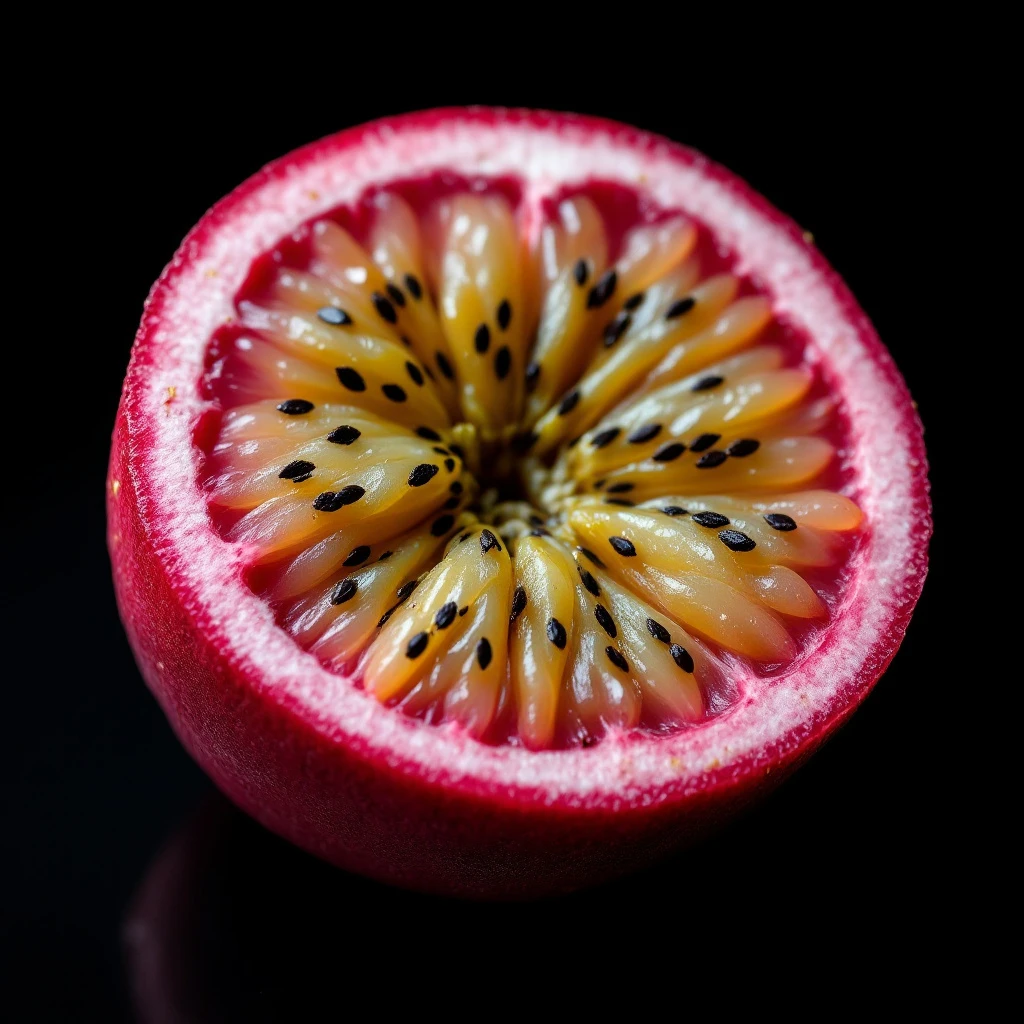
No distillery on Earth can extract fragrance from fresh passionfruit. Every drop comes from a chemist's bench.
Pairs beautifully with
Origin
Brazil
Fruit notes only entered perfumery in the twentieth century, when analytical chemistry advanced enough to identify and recreate their volatile compounds. Passionfruit posed particular challenges because its scent profile includes fragile sulfur molecules that degrade quickly. By the 1970s and 1980s, headspace analysis allowed perfumers to study living fruit in greenhouse environments, mapping every volatile released during ripening.
This research produced synthetic reconstruction materials like oxane, giving perfumers access to passionfruit's tropical brightness for the first time. Today, pink passionfruit remains a signature ingredient in fruity-gourmand fragrances, beloved for its ability to lift and brighten compositions with genuine tropical authenticity.
Wears it best
Fragrances featuring Pink Passionfruit
Brands
Brands known for Pink Passionfruit
Good to know
Questions, answered
The essentials on Pink Passionfruit in perfumery: how it smells, where it comes from, and how it behaves on skin.
Is pink passionfruit a natural fragrance ingredient?
No. Pink passionfruit cannot be distilled or extracted into a fragrance material. Every passionfruit note in perfume is a laboratory recreation using synthetic compounds like oxane to replicate the fruit's characteristic sweet-tart aroma.
What does pink passionfruit smell like in perfume?
Pink passionfruit delivers a bright, tangy tropical scent with notes of citrus, stone fruit, and a distinctive cucumber-like freshness. The synthetic recreation captures the fruit's juicy sweetness balanced against tart, almost wine-like undertones.
Why do perfumers use synthetic versions of fruit?
Fresh fruit contains water, sugars, and unstable compounds that make traditional extraction impossible. Headspace technology lets perfumers analyze what a growing fruit actually releases into the air, then synthesize those specific molecules for consistent, concentrated results.
What is oxane in perfumery?
Oxane is a synthetic heterocyclic compound that mimics the fresh, green-cucumber character found in passionfruit. Perfumers discovered this molecule through headspace analysis of living passionfruit and now use it as a key building block for tropical fruit reconstructions.
Does synthetic passionfruit smell artificial?
Modern synthetics like oxane and thiolactone create remarkably authentic tropical fruit character. The best reconstructions capture not just the sweet scent but also the tart, almost fermented quality that makes real passionfruit distinctive.
What fragrance families use pink passionfruit?
Pink passionfruit appears most often in fruity-gourmand compositions, bright florals, and tropical-inspired fragrances. It pairs well with coconut, vanilla, florals like frangipani, and other tropical fruit notes to build layered exotic effects.
Can I find natural passionfruit fragrance?
You cannot. No natural extraction method produces passionfruit aroma. Claims of natural passionfruit fragrance indicate either synthetic reconstruction or a misunderstanding of fragrance chemistry. This is standard industry practice for all fruit notes.