Portuguese Santolina
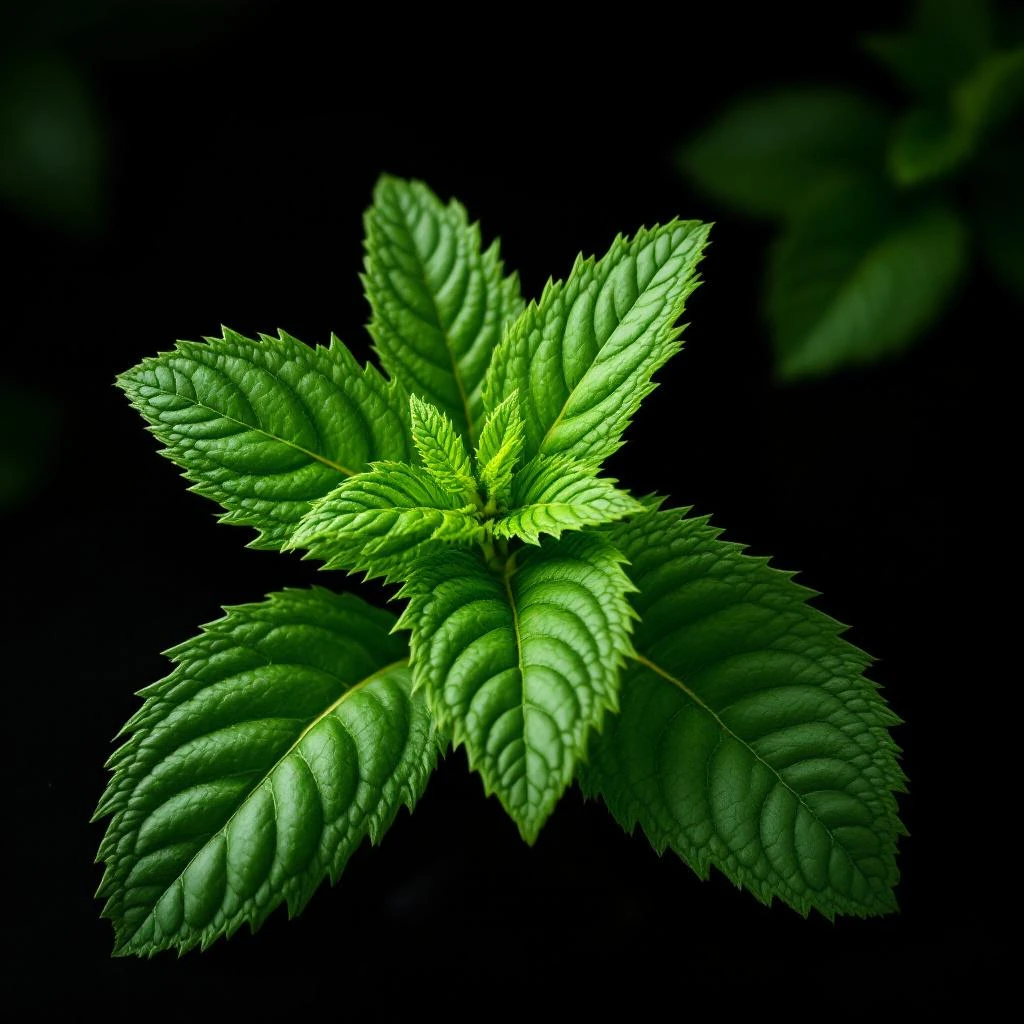
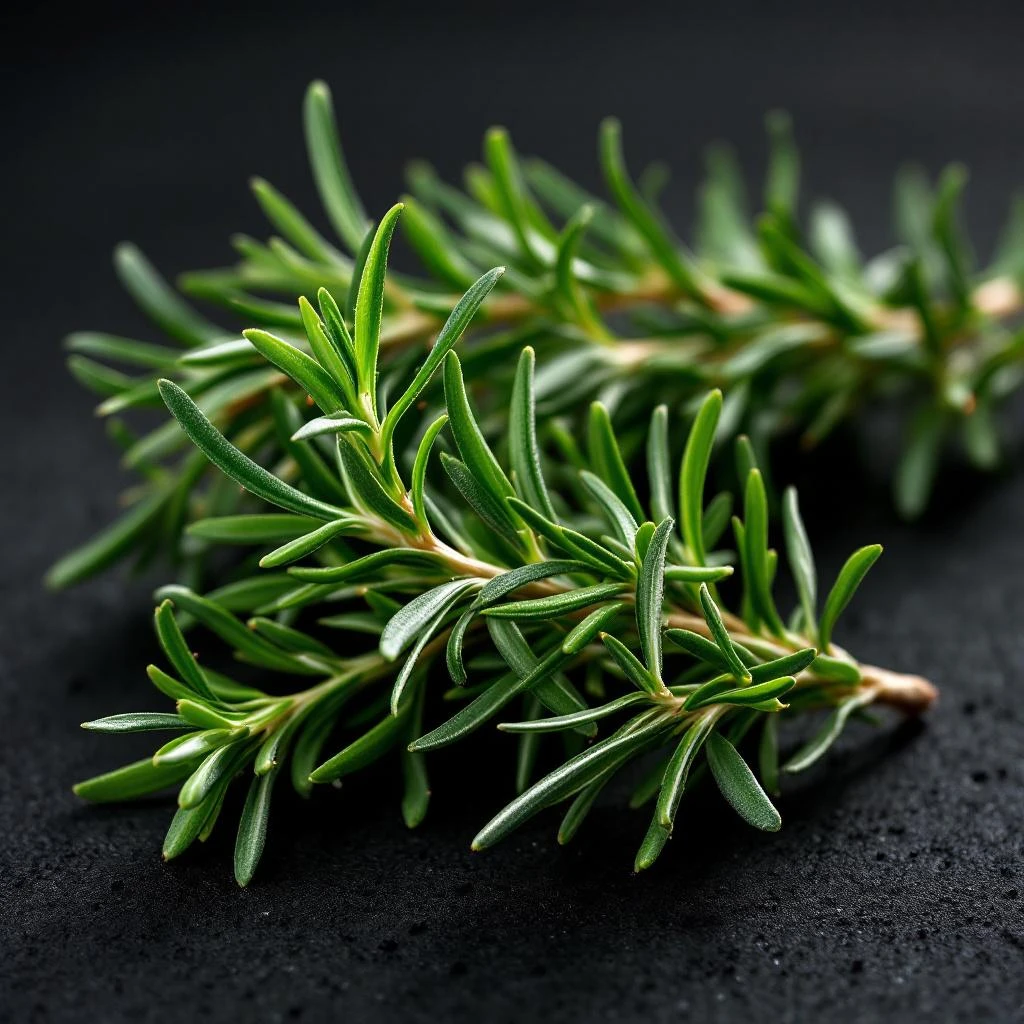
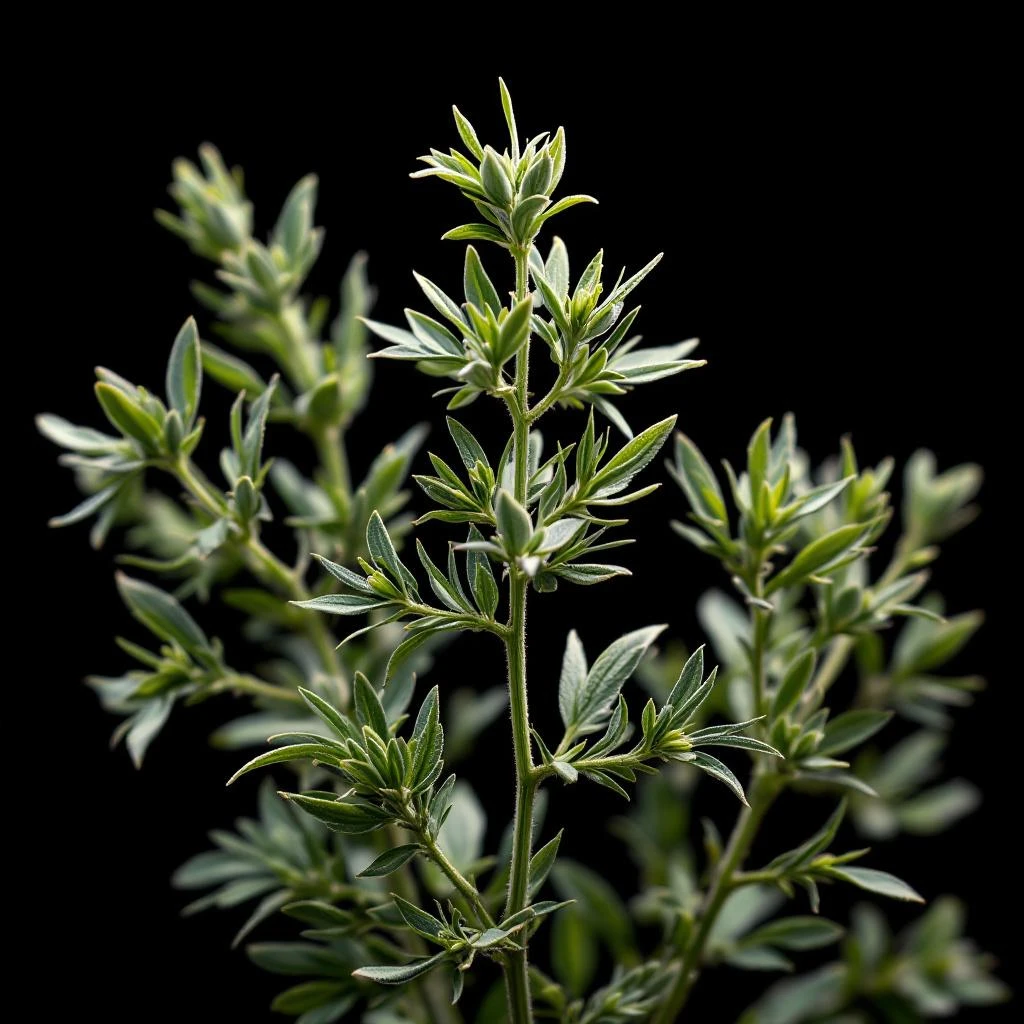
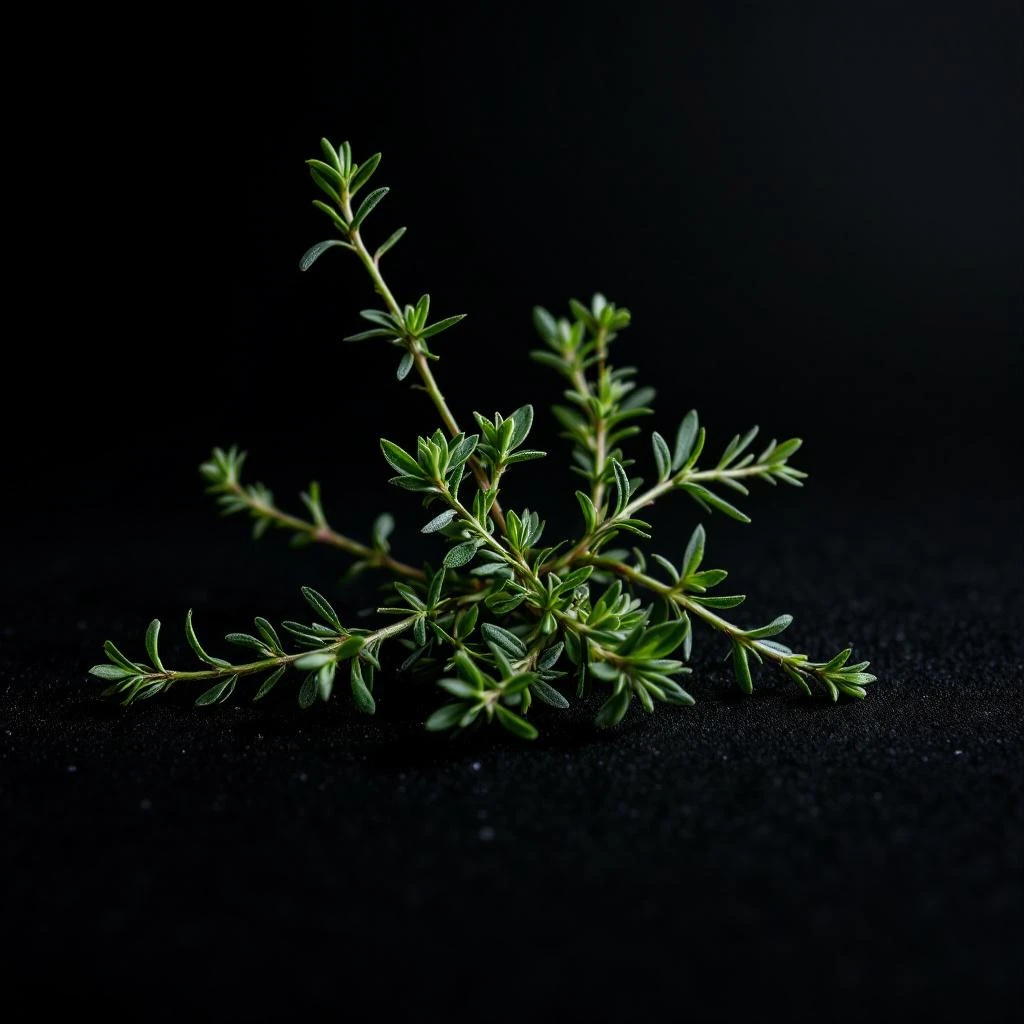
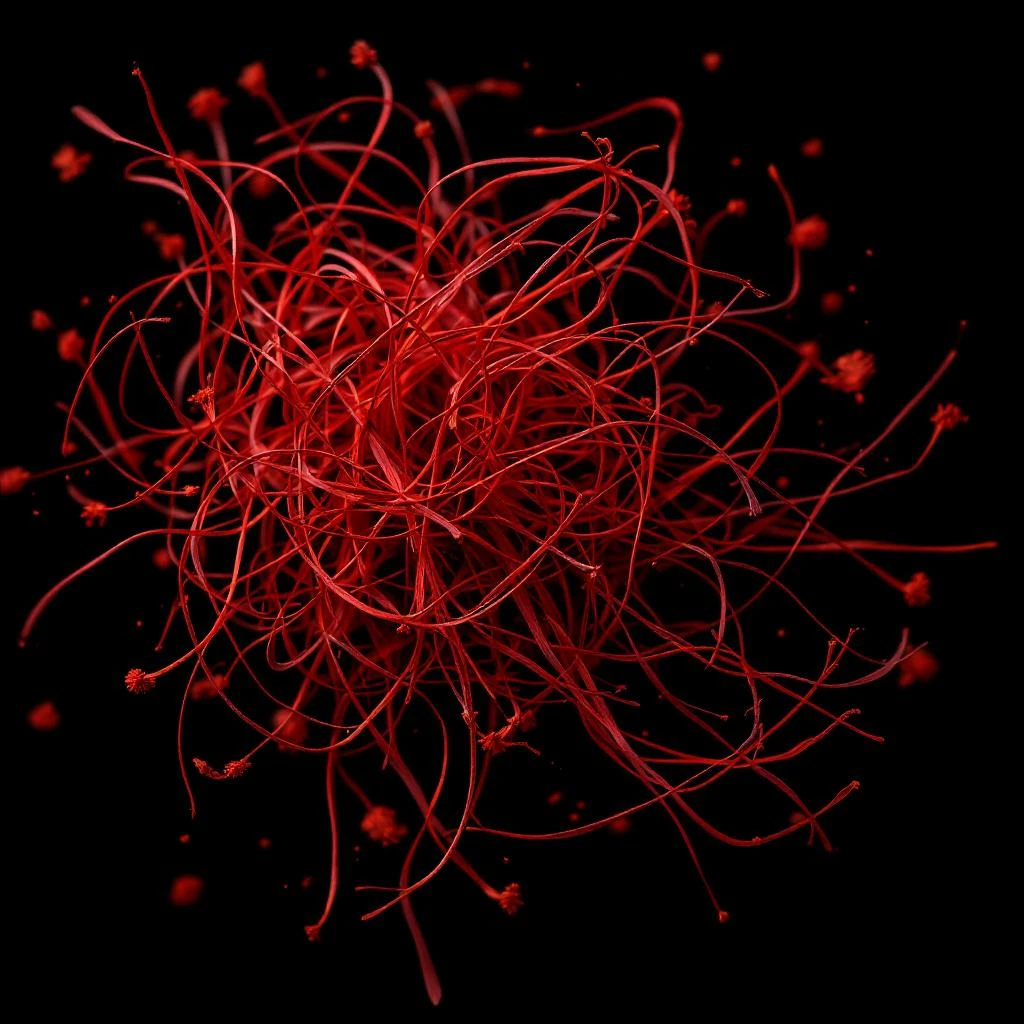
Portuguese Santolina (Santolina rosmarinifolia) is a compact Mediterranean shrub prized in perfumery for its aromatic, camphoraceous foliage. Distilled from wild-harvested herb in the Iberian Peninsula, this oil delivers a clean, herbaceous character prized in botanical fragrance.
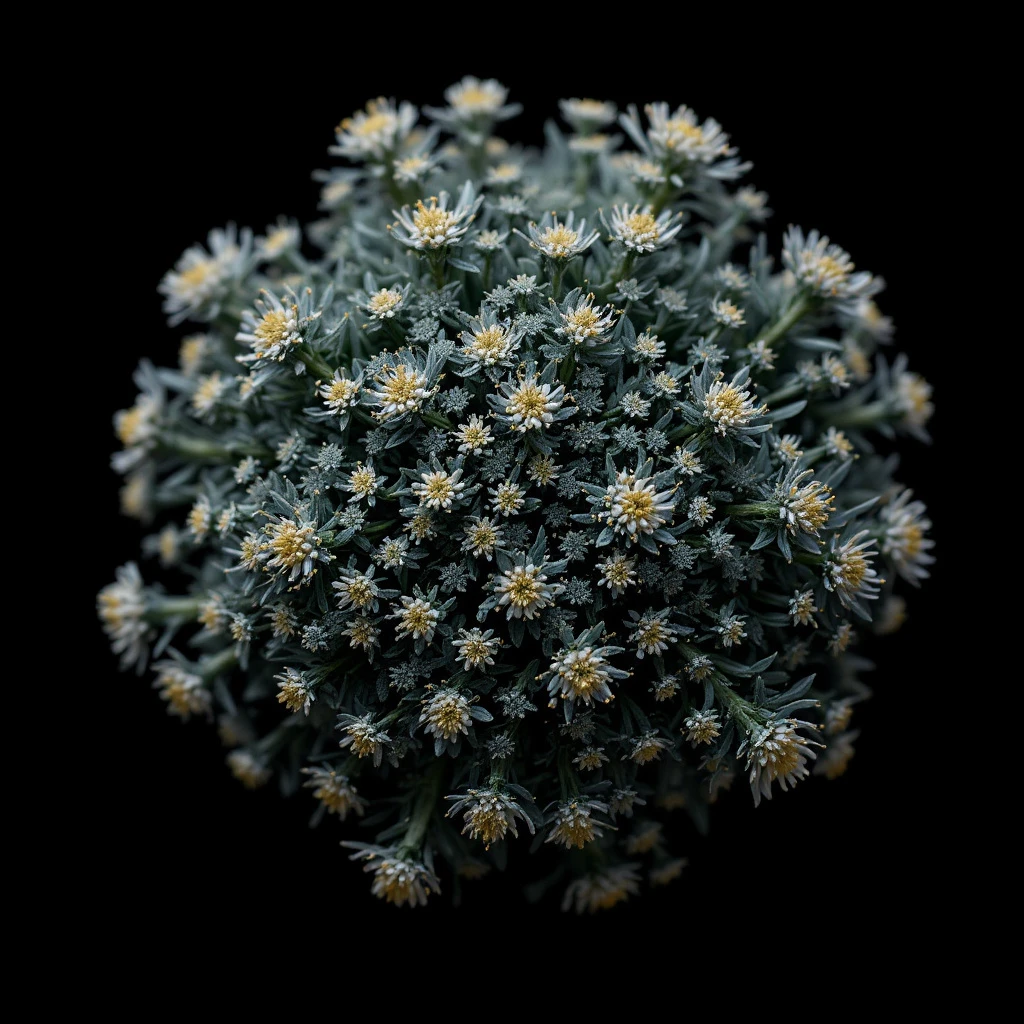
Character
How it smells
Mediterranean herb with camphoraceous warmth.
In folk tradition, Portuguese santolina sachets protected stored linens from moths while imparting a gentle herbal fragrance.

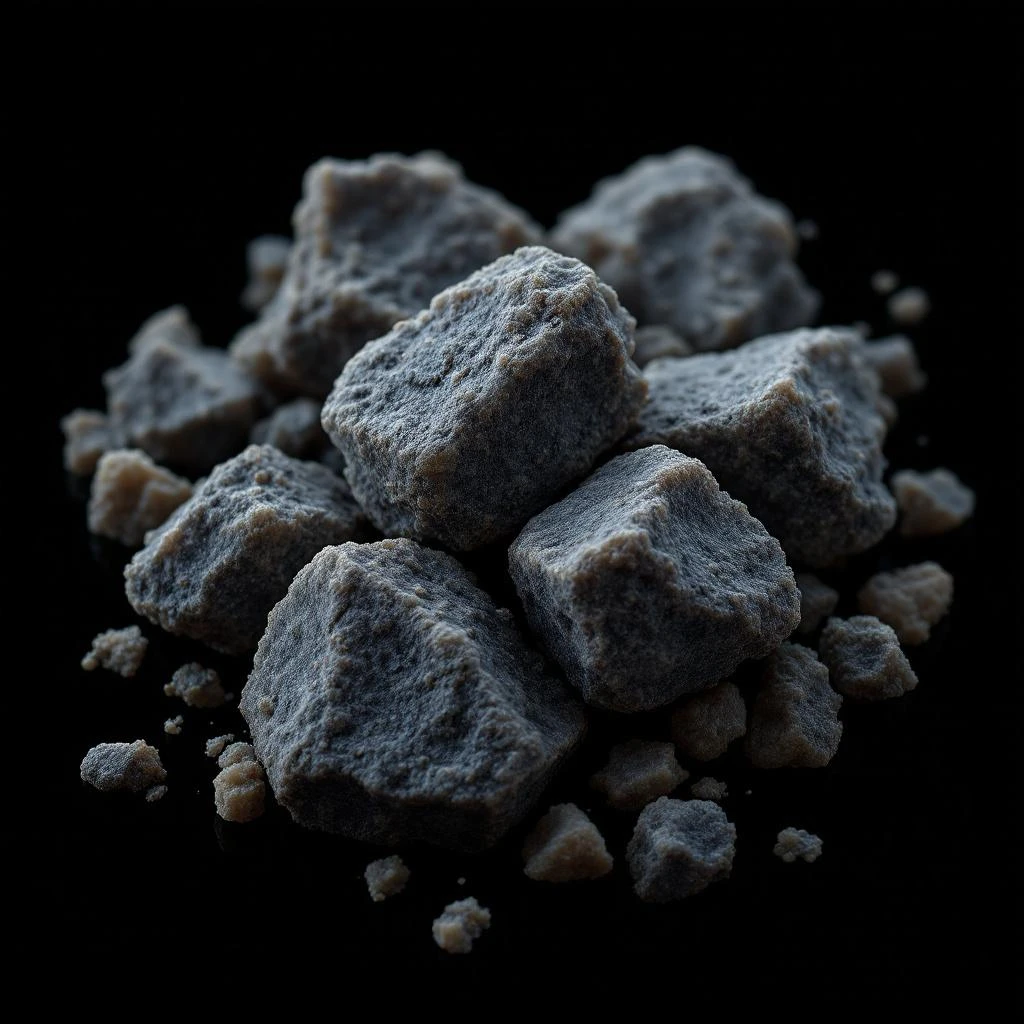




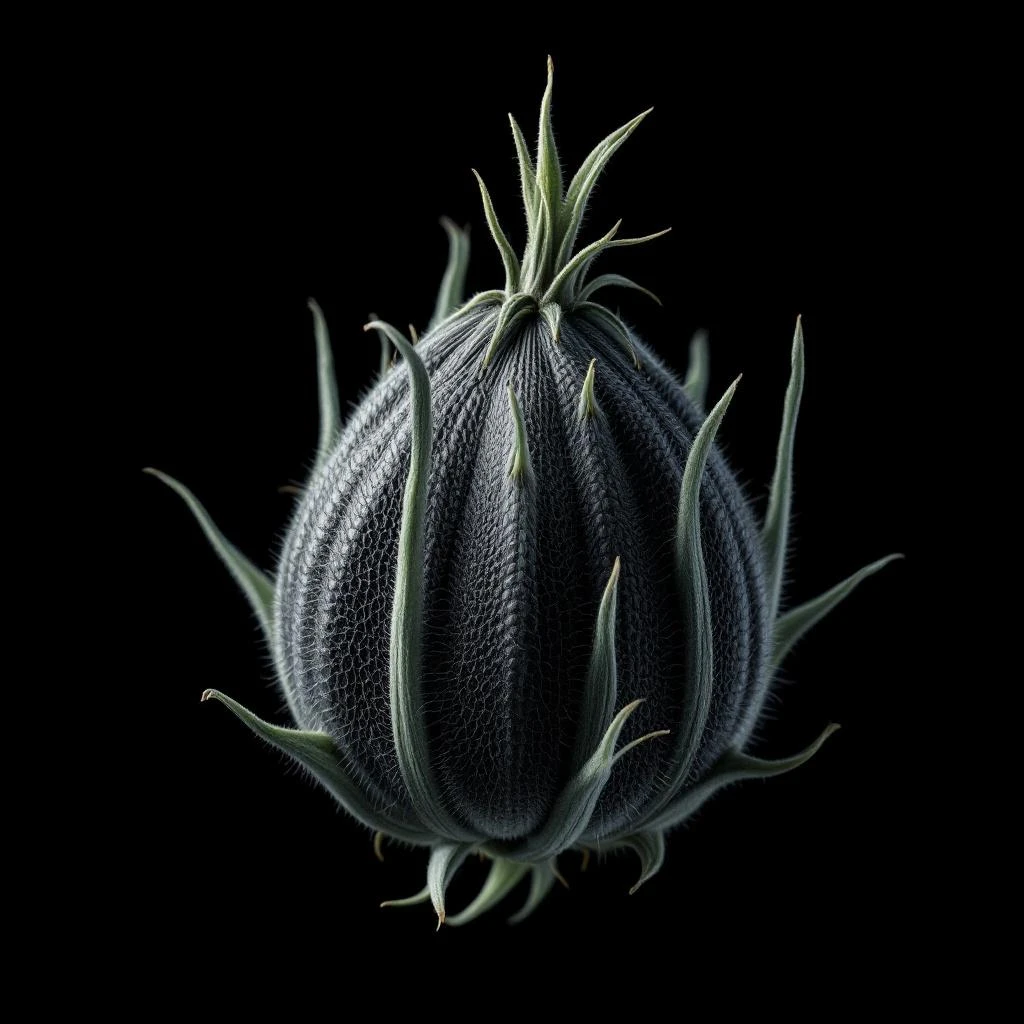
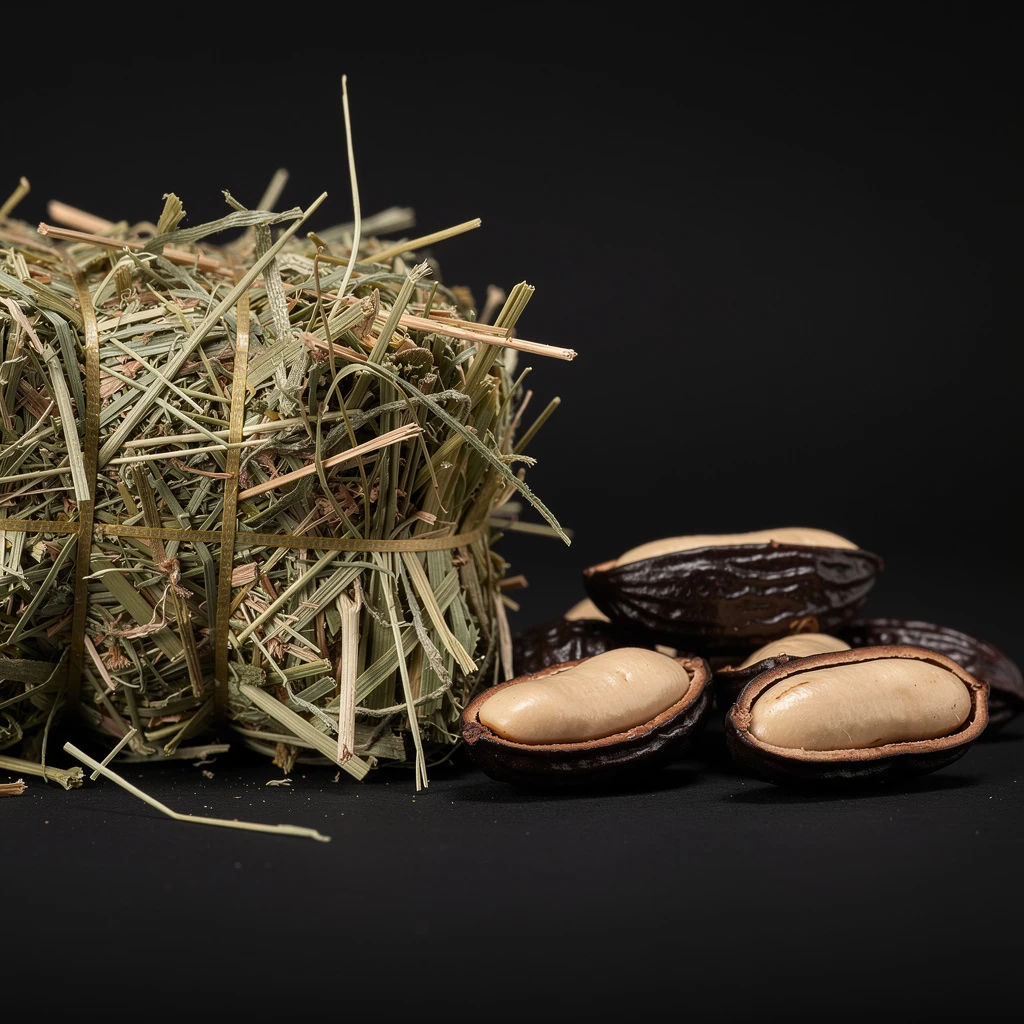
Origin
Portugal
Portuguese Santolina carries centuries of Mediterranean folk use. Iberian communities called it abrótano, using dried sprigs in sachets and potpourris long before modern perfumery emerged.
Monasteries incorporated the herb into incense blends and ritual preparations. The plant's resilience in dry, rocky terrain made it symbolic of endurance in Portuguese coastal landscapes.
Nineteenth-century French perfumers seeking natural alternatives to imported aromatics began experimenting with santolina, introducing it to classical fragrance construction. The oil remains a niche ingredient, valued by natural perfumers who seek authentic botanical signatures over synthetic recreations.
Wears it best
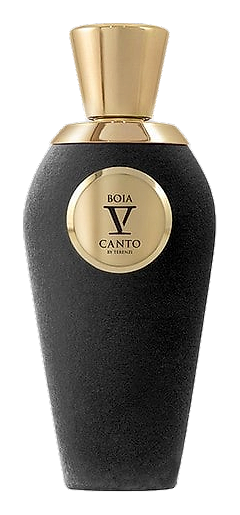
Fragrances featuring Portuguese Santolina
Good to know
Questions, answered
The essentials on Portuguese Santolina in perfumery: how it smells, where it comes from, and how it behaves on skin.
What does Portuguese Santolina smell like?
Portuguese Santolina delivers a clean, herbaceous scent with prominent camphor and green, slightly bitter undertones. Think artemisia meets lavender cotton with a dry, Mediterranean character.
Is Portuguese Santolina commonly used in perfumery?
It remains a rare, niche ingredient found primarily in artisanal and natural fragrance lines. Major houses rarely use it due to limited supply and batch variability.
How is Portuguese Santolina oil produced?
Steam distillation of the flowering herb yields the essential oil. Sustainable wild-harvesting in Portugal and Spain ensures consistent quality without depleting wild populations.
Does Portuguese Santolina contain any allergens?
Like many essential oils, it contains camphor and related terpenes that may require declaration. IFRA guidelines recommend concentration limits in finished fragrances.
What botanical family does Portuguese Santolina belong to?
It belongs to the Asteraceae family (Asteraceae). The species Santolina rosmarinifolia grows natively across the Iberian Peninsula and Mediterranean regions.
Can Portuguese Santolina be synthetically replicated?
Synthetic camphor and 1,8-cineole can approximate its aroma but miss the full botanical complexity. Natural oil retains trace compounds that synthetic versions cannot economically reproduce.
Responsible producers limit harvest to upper plant portions, allowing root regeneration. Wild-harvesting quotas and seasonal rest periods maintain population health in native scrublands.
How does Portuguese Santolina perform in fragrance formulations?
It works well in herbal and aromatic fragrance families, functioning as a heart note with moderate tenacity. Blending pairs naturally with lavender, rosemary, and citrus materials.