Porcelain clay
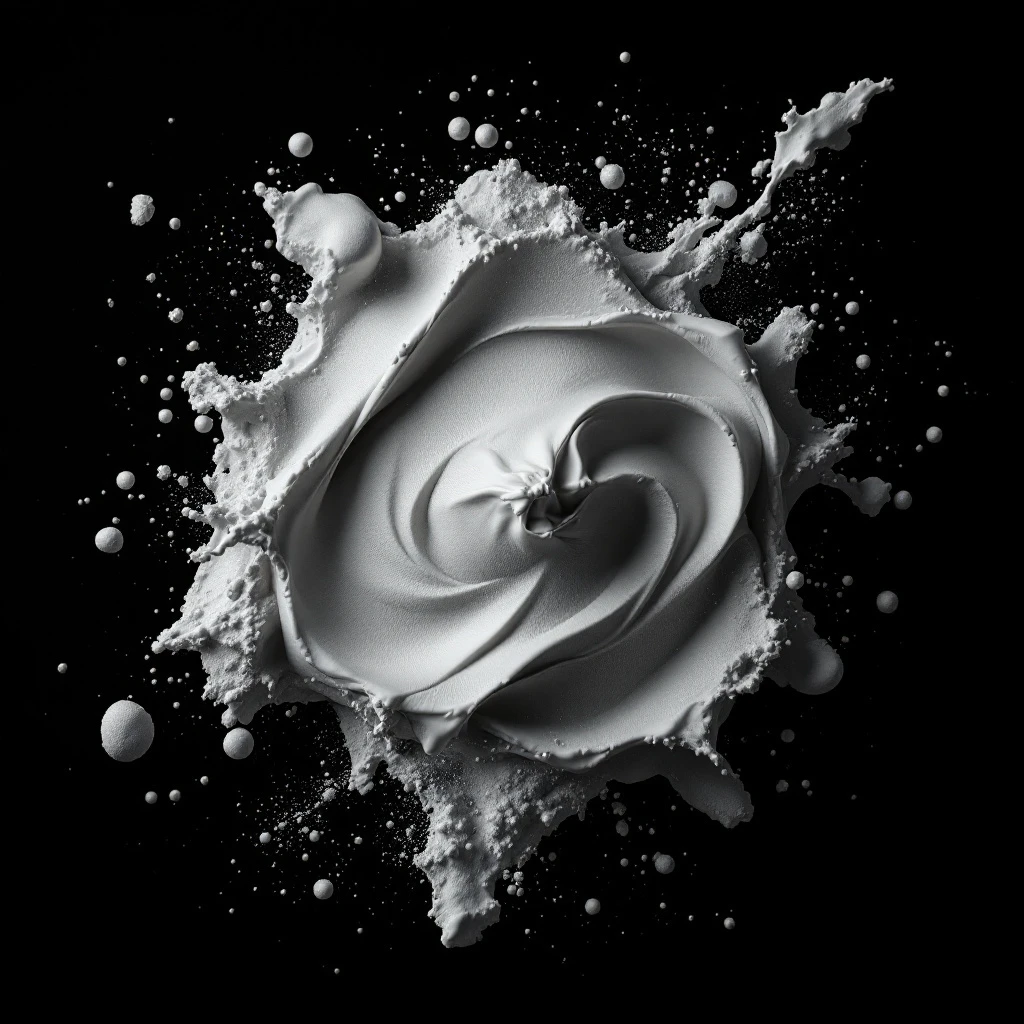
A cool, mineral accord with the clean impression of fired white clay, shaped in fragrance to suggest softness, purity, and a subtle powdery warmth.
Character
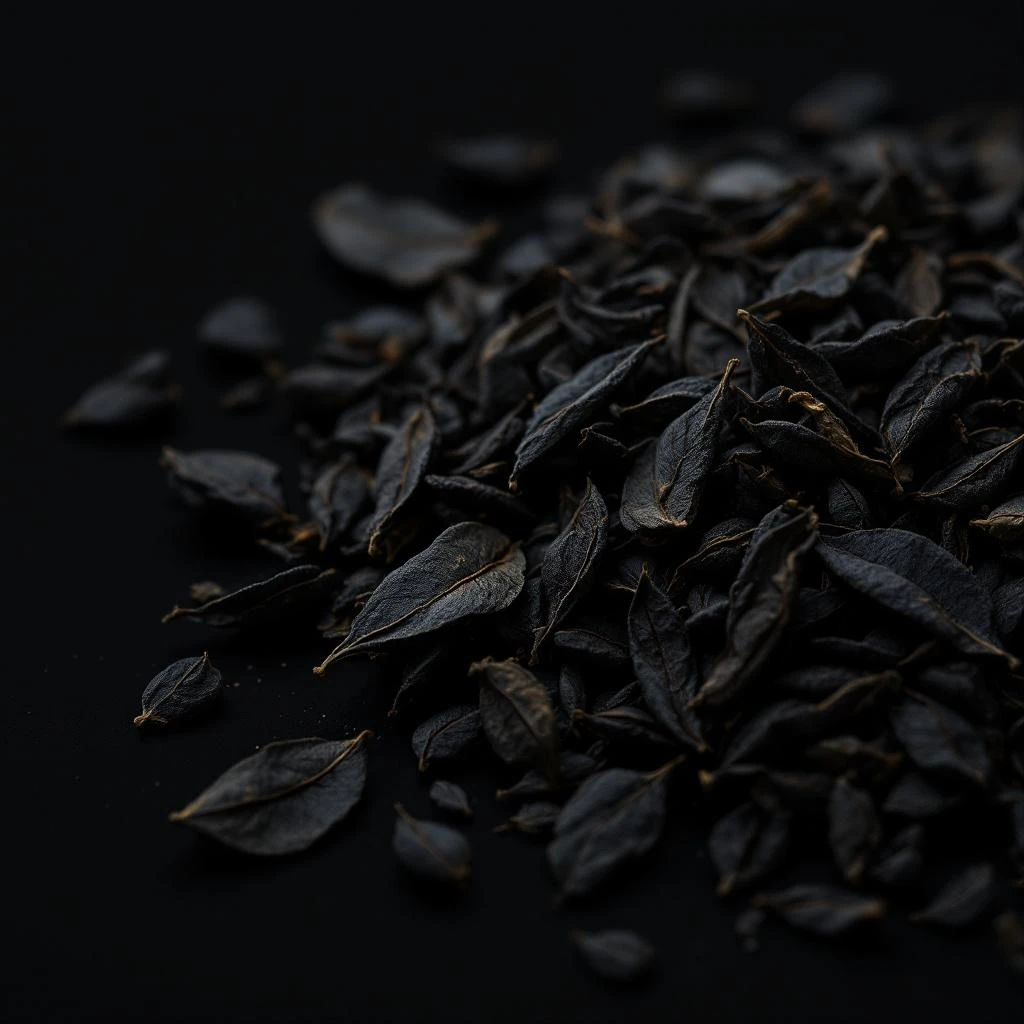
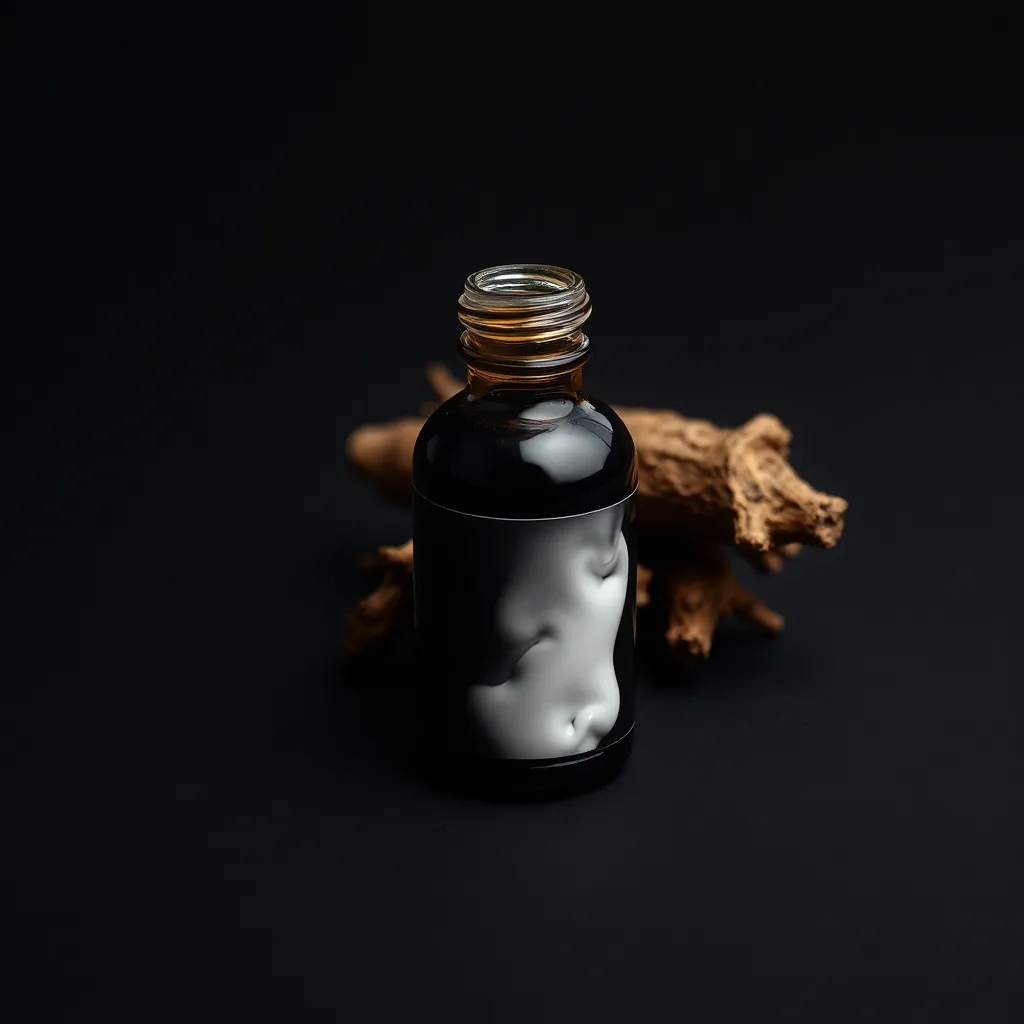
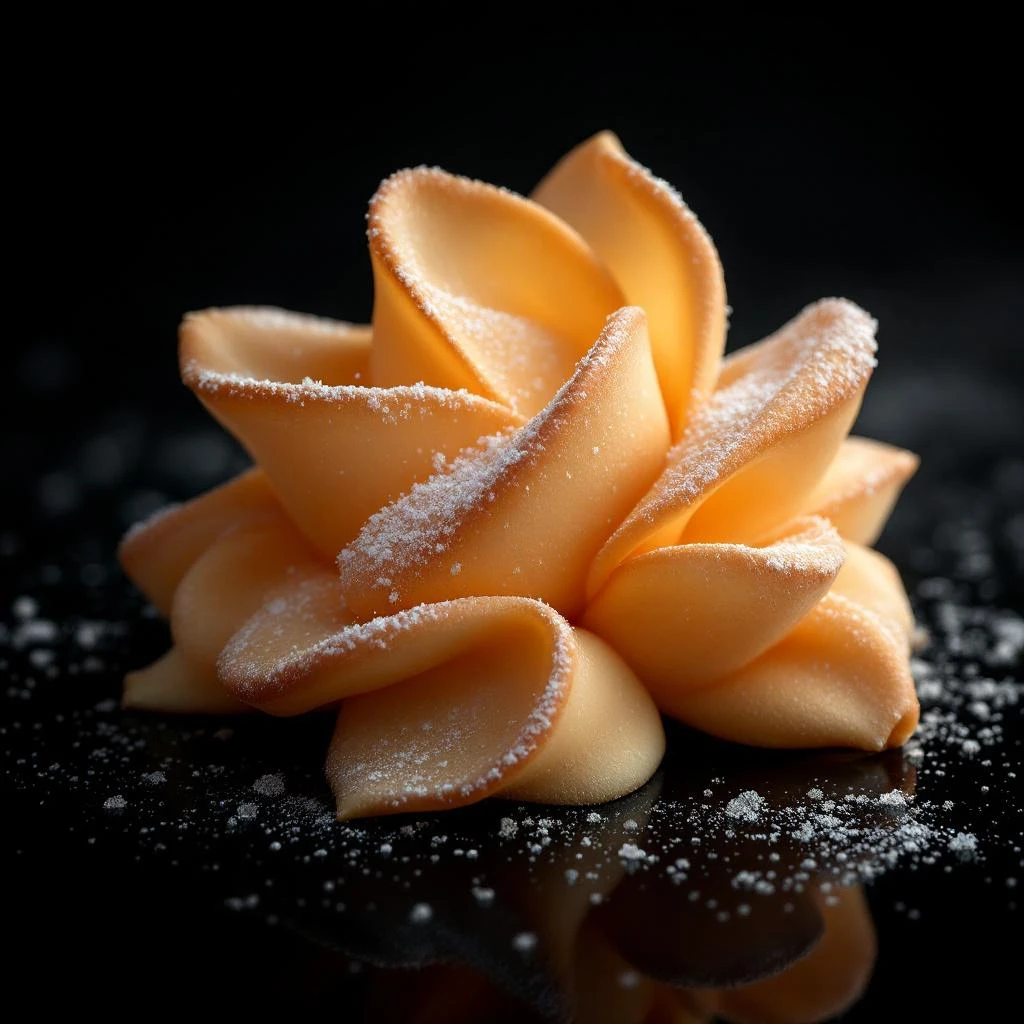
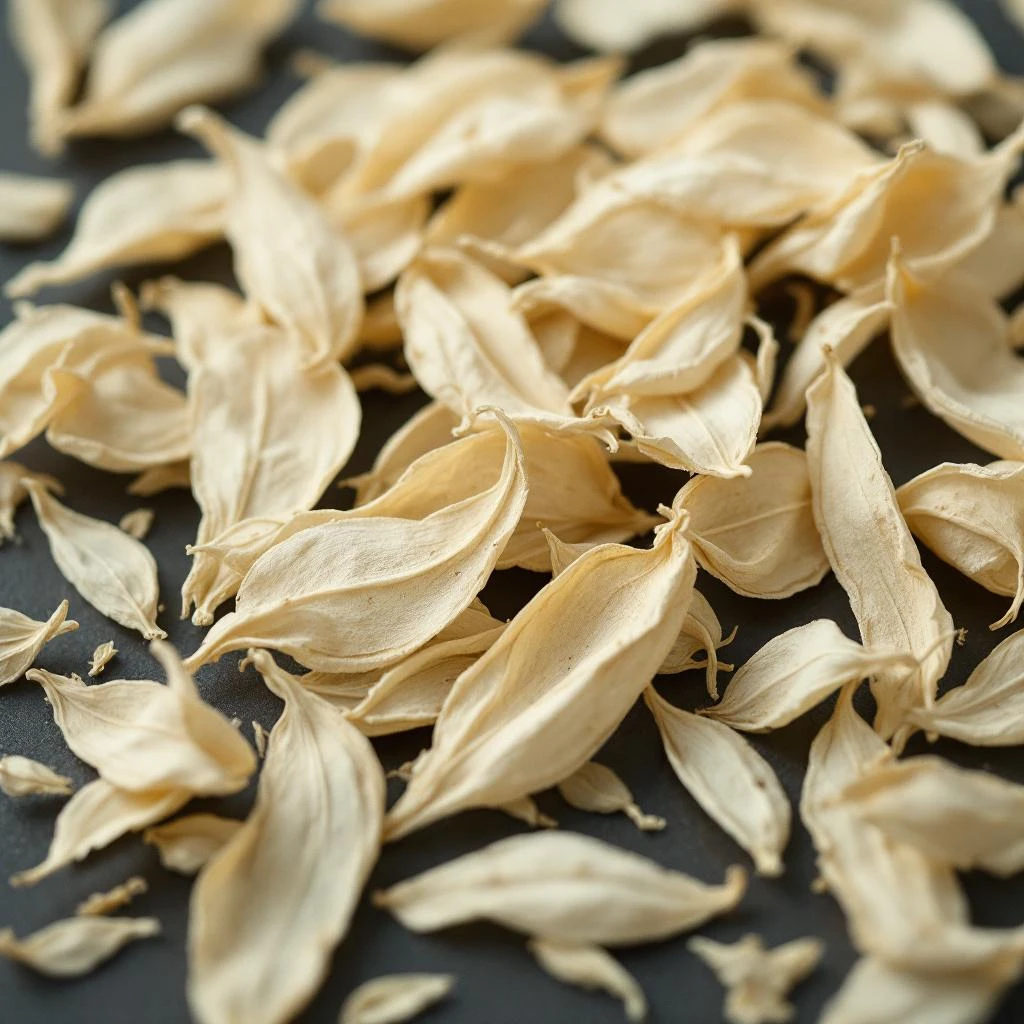
How it smells
Cool mineral warmth with a clean, powdery finish.
Porcelain clay recalls kaolin, a fine white mineral used in ceramics and traditional face powders.
Pairs beautifully with
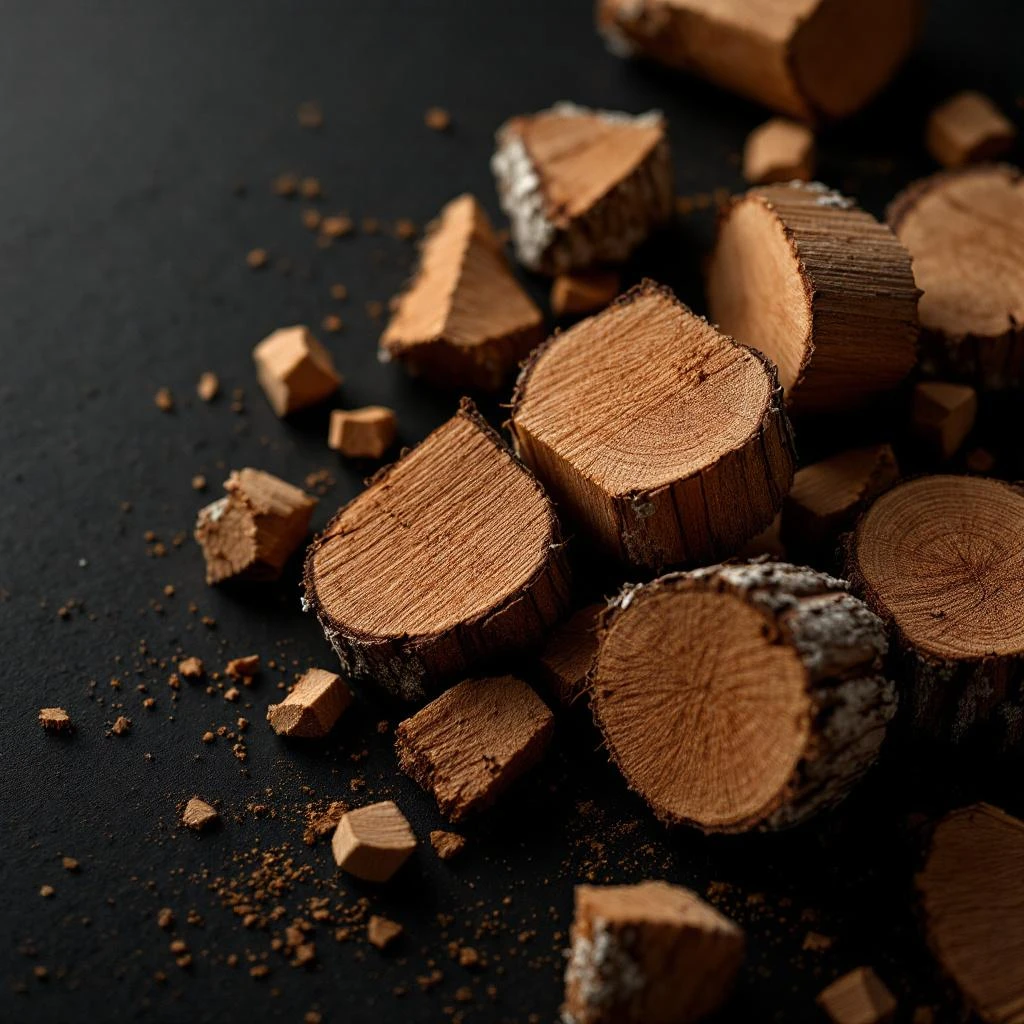
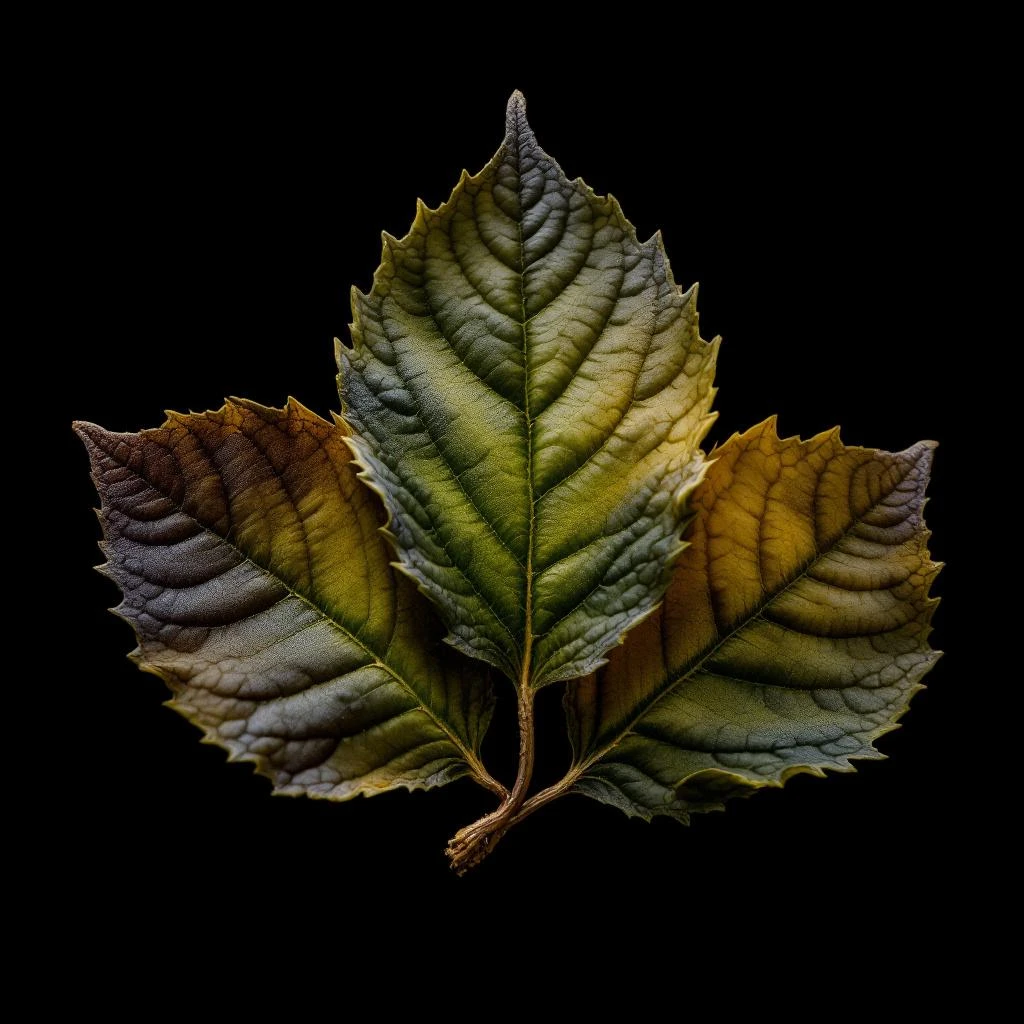

Origin
China
Porcelain clay carries a historical association with Chinese ceramics, where kaolin-rich clay was refined and fired into objects prized for their pale color, smooth surface, and luminous strength. Clay also shaped the history of scented objects: Egyptian makers documented perfume and unguent production on clay tablets, papyrus, and walls, preserving evidence of an early craft organized around aromatic materials. Porcelain later became an important vessel for cosmetics and fragrance because its cool, sealed surface suited delicate preparations and decorative display.
The fragrance meaning of porcelain clay is therefore both material and cultural. It does not describe the smell of a ceramic object in a strict scientific sense, but a refined mineral impression associated with purity, craftsmanship, and the quiet presence of fine white powder.
Wears it best
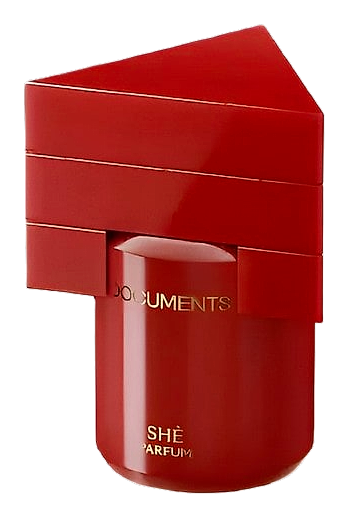
Fragrances featuring Porcelain clay
Brands
Brands known for Porcelain clay
Good to know
Questions, answered
The essentials on Porcelain clay in perfumery: how it smells, where it comes from, and how it behaves on skin.
What does porcelain clay smell like in fragrance?
It usually reads as a cool, mineral and lightly powdery accord with a soft, clean finish. The effect is generally smooth rather than strongly earthy, especially when balanced with woods, musks, or delicate florals.
Is porcelain clay a natural perfume ingredient?
Porcelain clay can refer to a real mineral material, but in many perfumes it is a fragrance concept built from aromatic materials. It may draw on kaolin-like textures, musks, woods, and aldehydes rather than relying on one direct clay extraction.
What is the difference between porcelain clay and kaolin?
Kaolin is a naturally occurring white clay rich in kaolinite and is widely associated with ceramics and cosmetics. Porcelain clay is a broader perfumery description for a fired-clay impression, so it may evoke kaolin without representing a single mineral source.
Which fragrance families suit a porcelain clay note?
Porcelain clay works well in soft woody, musky, mineral, and refined floral compositions. It gives white florals a clean tactile quality and gives woods a smoother, gently powdered character, particularly in lighter formulations.
Does porcelain clay make a fragrance smell dusty?
It can, but that depends on its concentration and the materials around it. When used sparingly with clean musks, soft woods, and restrained florals, it reads more like smooth mineral skin than ordinary dust.
Where does porcelain clay come from?
The note has strong historical roots in China, where kaolin-rich porcelain clay became central to ceramic production. Its fragrance accord is modern and can be formulated globally rather than tied to one extraction site.
Is porcelain clay suitable for sensitive skin?
The material itself is not usually responsible for skin sensitivity. Reactions more often come from other fragrance components, including essential oils, allergens, preservatives, or alcohol, so a patch test and ingredient review remain useful.
How does porcelain clay change as a fragrance dries down?
Its clean mineral opening often softens as the formula warms on skin. Musks and woods can make the later stages smoother and more tactile, while aldehydes contribute an initial impression of cool brightness.