Plum Chutney
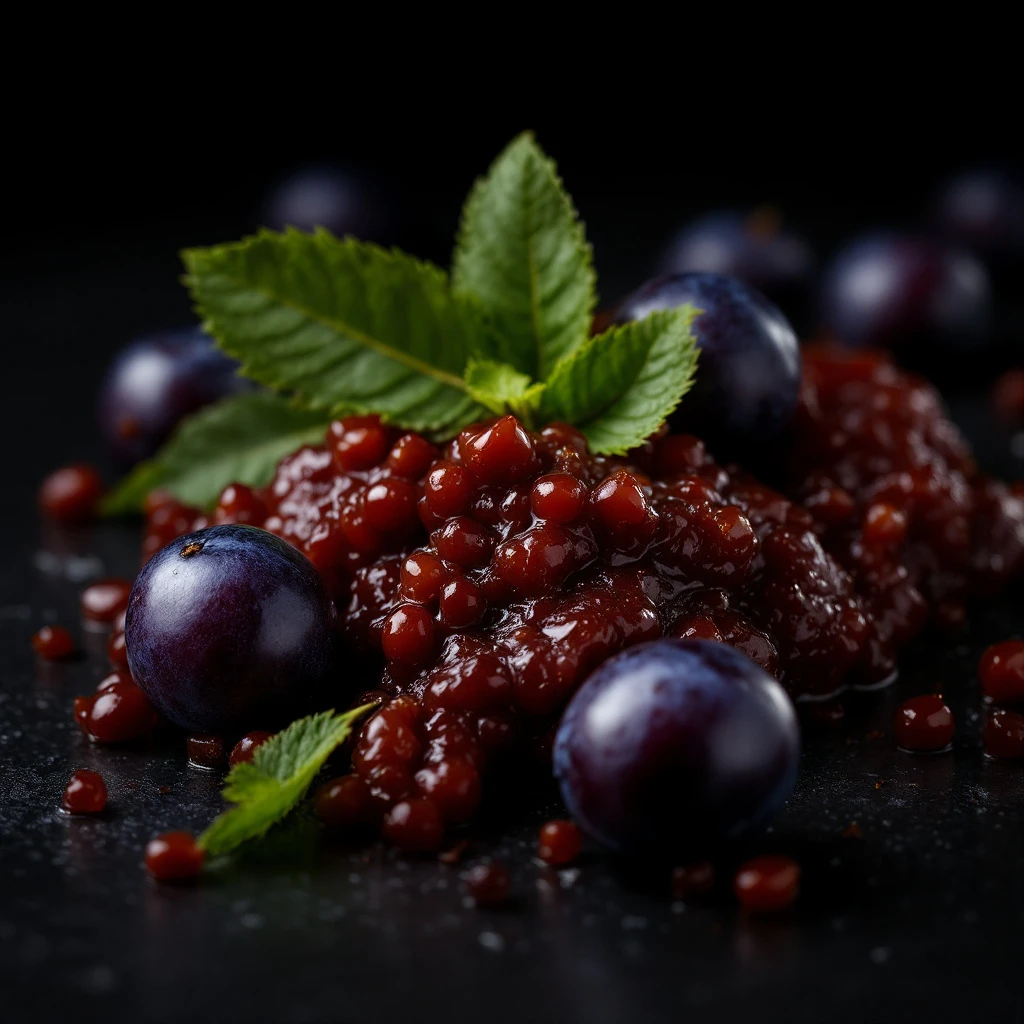
A richly layered accord marrying sun-ripened plum sweetness with tangy vinegar and warm spice undertones. Plum Chutney captures the essence of a beloved condiment, translating its complex sweet-sour-spicy character into an olfactory experience that feels both familiar and intriguing.
Character
How it smells
Sweet plum meets tangy spice in a condiment-inspired accord.
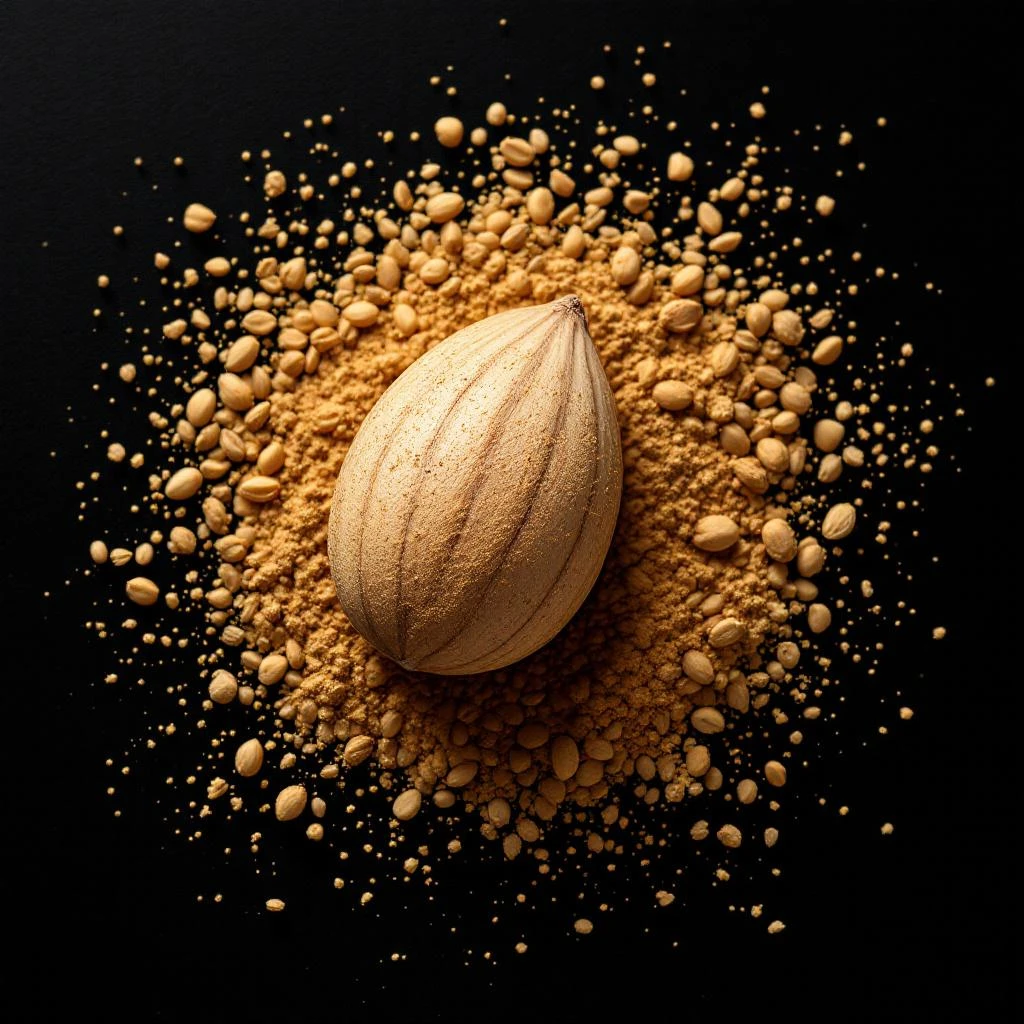
No natural plum extraction exists. Every plum note in fine fragrance is a laboratory reconstruction using molecules like benzaldehyde.


Origin
India
Chutney traces its roots to the Indian subcontinent, where preserved fruit and spice combinations served both culinary and medicinal purposes for centuries. British colonial contact during the 17th and 18th centuries introduced these preparations to Europe, where they evolved into sweeter jams andcondiments. The plum variety gained particular popularity in Anglo-Indian cuisine.
Perfumery adopted this flavor profile as an accord, reflecting a broader trend of culinary inspiration in fragrance design. Contemporary perfumers draw from global food traditions, translating taste experiences into scent through carefully constructed molecular combinations.
Wears it best
Fragrances featuring Plum Chutney
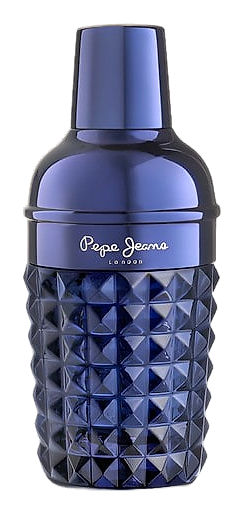
Brands
Brands known for Plum Chutney
Good to know
Questions, answered
The essentials on Plum Chutney in perfumery: how it smells, where it comes from, and how it behaves on skin.
Is Plum Chutney a natural fragrance ingredient?
No. Direct extraction from plum fruit is chemically unfeasible. Plum Chutney is a synthetic accord constructed from individual aroma molecules like benzaldehyde and benzyl acetate to recreate the chutney profile.
What does Plum Chutney smell like?
It opens with sweet, jammy plum notes before revealing tangy vinegar brightness and warm spice undertones. The overall effect is complex, gourmand, and slightly acidic.
What molecules create plum notes in fragrance?
Benzaldehyde provides almond-like depth, benzyl acetate adds fruity sweetness, and various ester compounds contribute the characteristic ripe fruit character. These molecules together simulate natural plum aroma.
Does real plum exist in perfumery?
No natural plum extraction exists in commercial perfumery. Every plum note, from light green to deep black, is created synthetically using combinations of aldehydes, esters, and other aroma chemicals.
What spice notes appear in Plum Chutney accord?
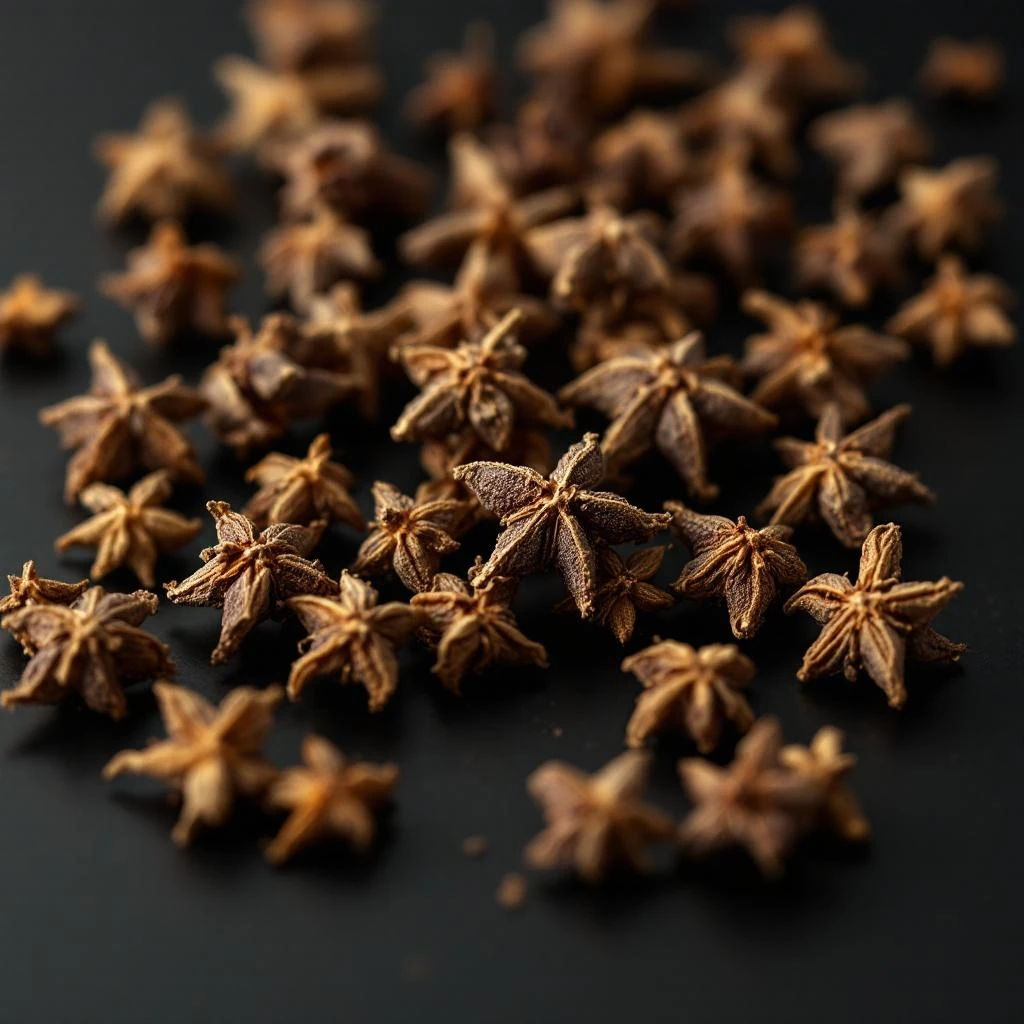
Warm spice undertones typically come from cinnamaldehyde (cinnamon), eugenol (clove), or similar aromatic compounds that add complexity and round out the sweet-tart fruit base.
How is the vinegar quality achieved?
Acetic compounds, specifically ethyl acetate and isoamyl acetate, introduce the tangy, fermented quality that distinguishes chutney from simple fruit notes. These mimic vinegar's sharp aromatic presence.
Which fragrance families use Plum Chutney?
This accord appears primarily in oriental and gourmand compositions. It bridges fruity and spicy families, adding depth to warm fragrances and unexpected complexity to sweeter profiles.
Is Plum Chutney safe for skin application?
When produced as a fragrance ingredient, the component molecules undergo safety evaluation according to IFRA standards. Specific usage limits apply to individual constituents like benzaldehyde.