Plankton
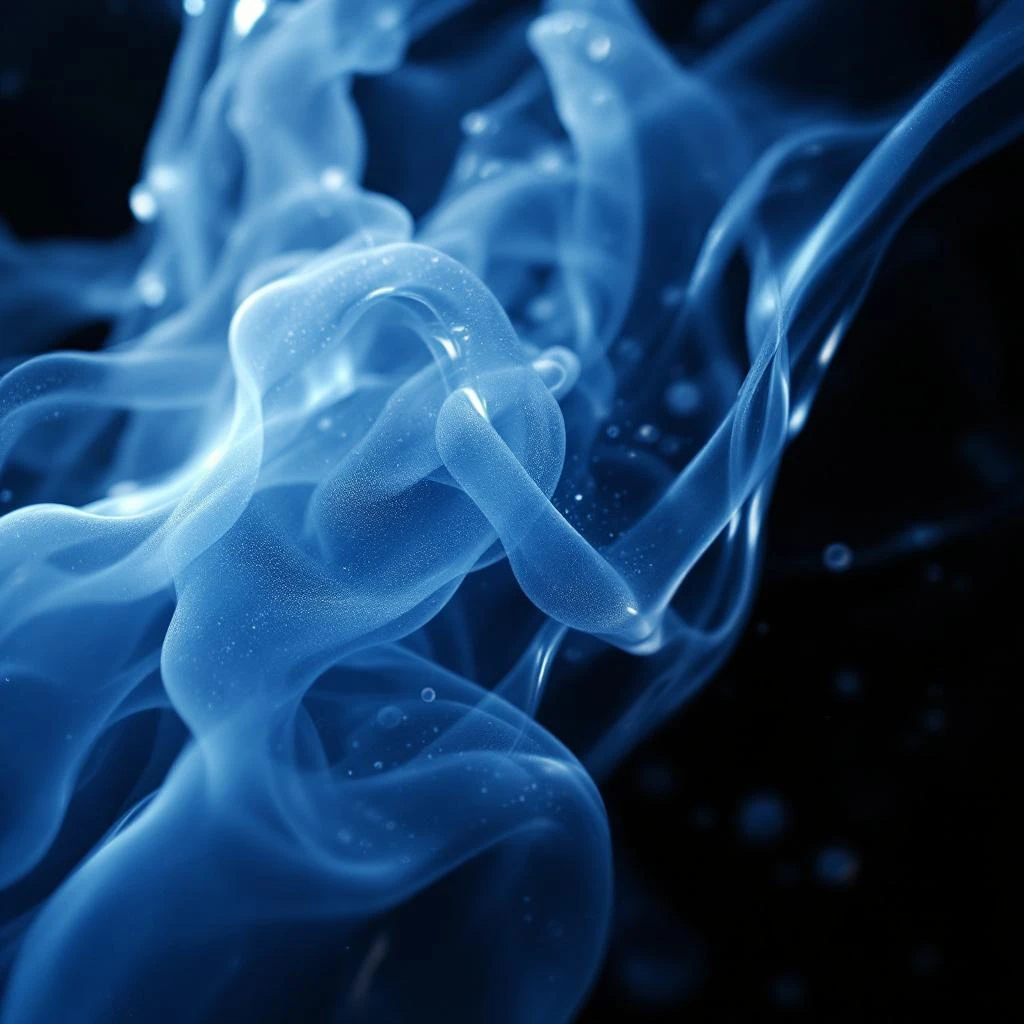
The invisible architects of the ocean's breath. Plankton captures the raw, living essence of the sea in a single molecule—a scent that evokes deep waters, salt air, and the microscopic world pulsing beneath the waves.

Character
How it smells
Where the ocean lives in a single note.
Marine accords became commercially viable only in the late 1980s, completely reshaping aquatic fragrance families.



Origin
France
Natural perfumery relied on botanical and animal materials for millennia. From the 19th century, organic synthesis opened new aromatic territory that natural ingredients could never reach. Marine fragrance notes represent one of the most significant late additions to the perfumer's palette.
Before synthetic marine molecules, ocean scents relied on hesperidic, herbal, or marine-algal naturals. The breakthrough came when laboratories isolated compounds with distinct ozonic signatures. These synthetics enabled a completely new fragrance family that redefined aquatic perfumery.
The concept of plankton as a marine note reflects perfumery's ongoing dialogue with the natural world, translating living ecosystems into aromatic experience through the precision of chemistry.
Wears it best
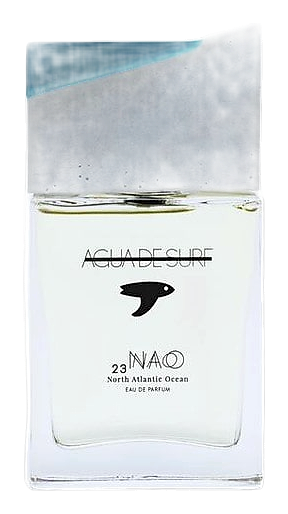
Fragrances featuring Plankton
Good to know
Questions, answered
The essentials on Plankton in perfumery: how it smells, where it comes from, and how it behaves on skin.
What does plankton smell like in perfumery?
Plankton evokes fresh ocean air with ozonic, salty, and mineral qualities. It reads as the scent of sea spray and deep water, creating an immediate sense of openness and aquatic space.
Is plankton a natural ingredient?
No. Plankton exists only as synthetic aromatic molecules. It requires laboratory synthesis to recreate the fresh, ozonic qualities of ocean air.
When did marine fragrances first appear?
Marine accords became mainstream in the 1980s. The 1988 launch of Davidoff Cool Water demonstrated how synthetic marine molecules could define an entire fragrance family.
What fragrance families use plankton?
Marine fragrances build entire compositions around aquatic accords. Plankton also appears in fougere,chypre, and aromatic compositions where an oceanic dimension adds contrast or lift.
Does plankton appear in high-end or niche perfumery?
Plankton appears across all market segments as a versatile aquatic modifier. Niche perfumery often uses it as a subtle atmospheric element rather than a dominant feature.
How long does plankton last on the skin?
Plankton functions as a top note, lasting 30 minutes to two hours. Fragrances layer it with heart and base notes to provide lasting depth.
What ingredients pair well with plankton?
Plankton pairs with citrus, aromatic herbs, and white florals. These combinations create aquatic, marine, and ozonic fragrance families.
Can I find natural alternatives to plankton?
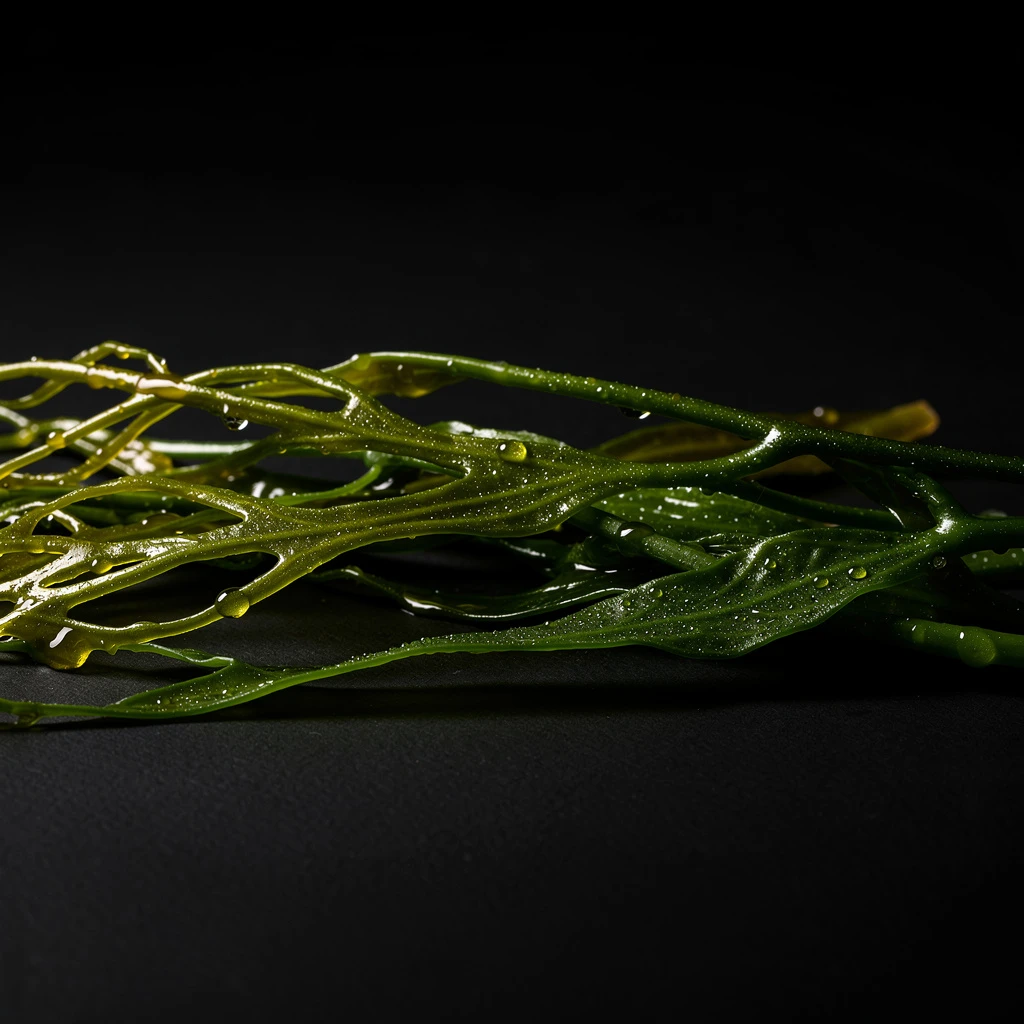
Natural perfumery lacks equivalent plankton substitutes. Plant-based materials like sea kelp absolute or marine algae extracts approximate but never fully replicate the ozonic effect of synthetic marine molecules.