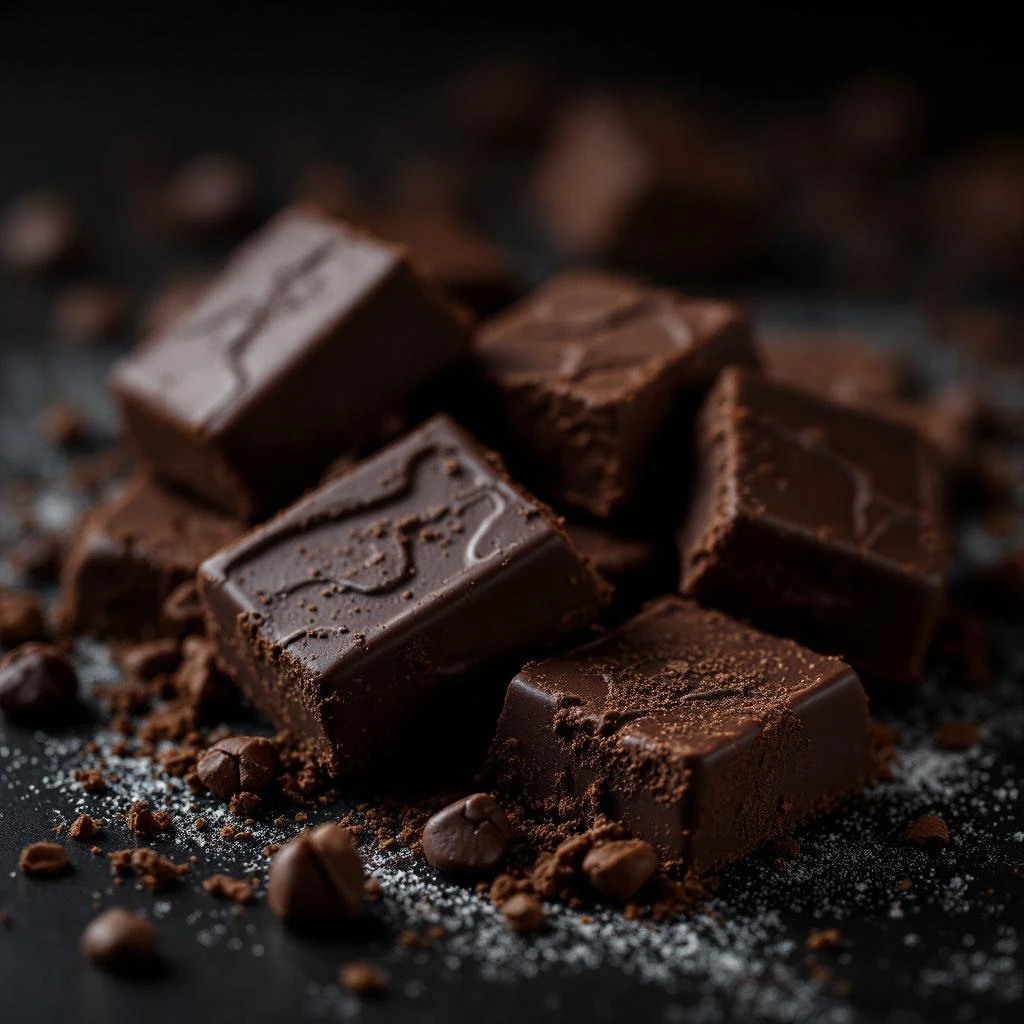
Pistachio Macaron
A confectionery-inspired accord capturing the delicate interplay between roasted pistachio's depth and macaron's sweet, almond-like softness. This gourmand note brings warmth and indulgence to fragrance compositions, evoking the sensory pleasure of a Parisian patisserie.
Character
How it smells
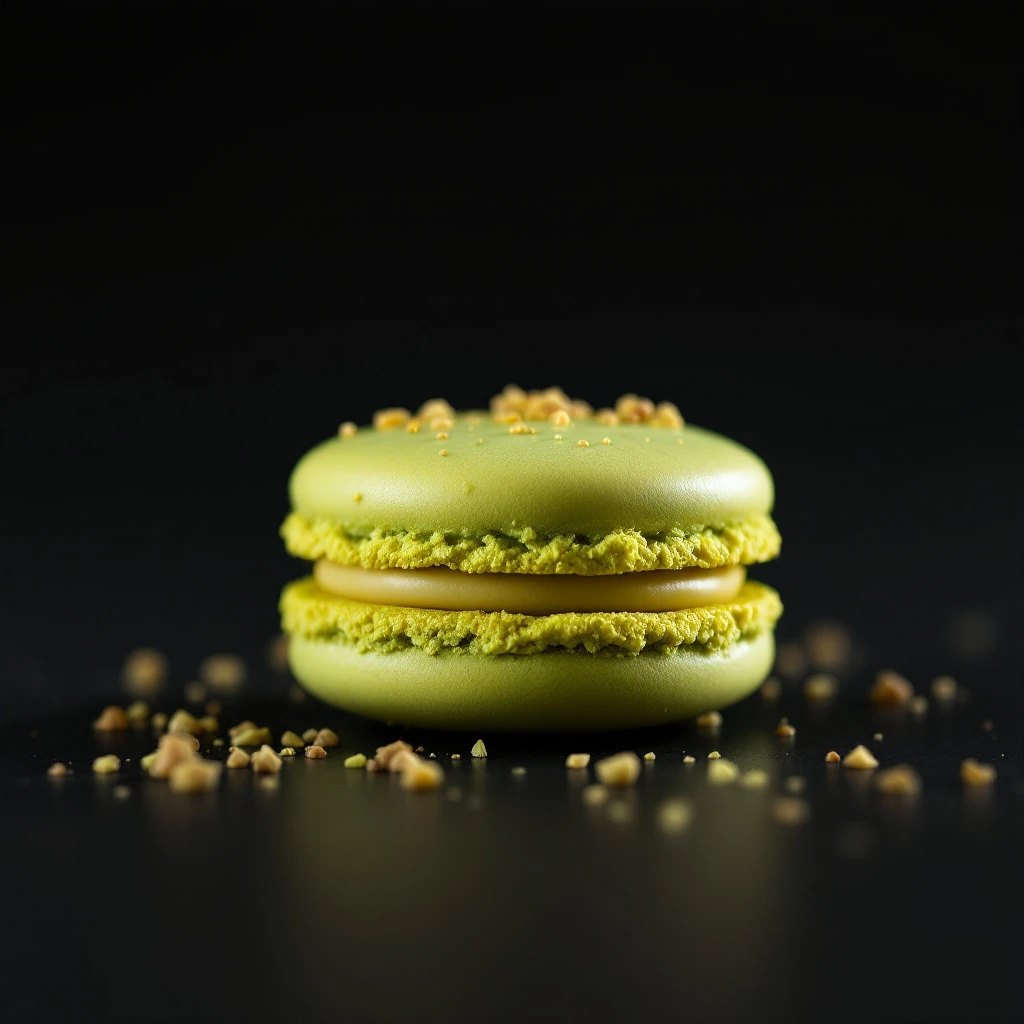
The sweet comfort of a Parisian patisserie.
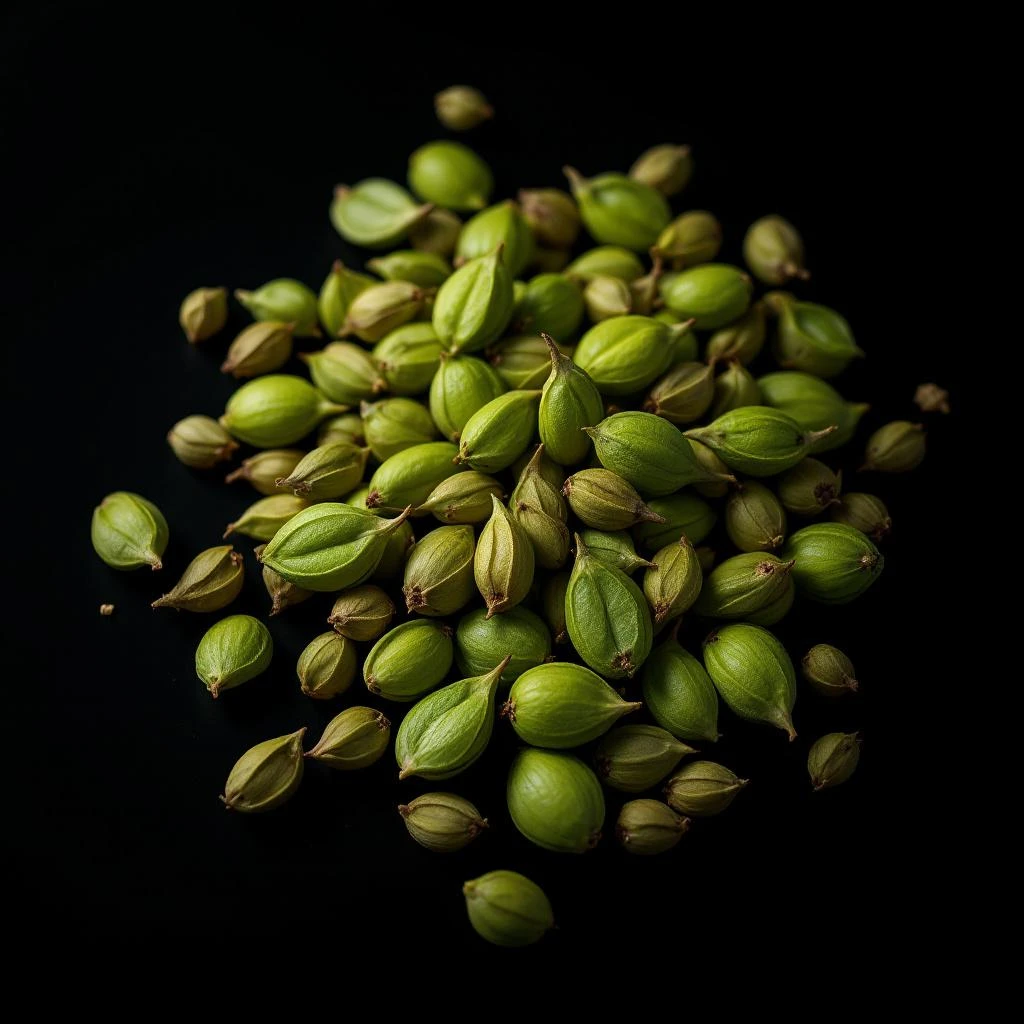
The distinctive green color of pistachios comes from chlorophyll, the same compound that gives fresh herbs their vibrant hue.



Origin
France
While the pistachio itself traces back to Central Asia around 6000 BCE, its transformation into a confectionery ingredient emerged much later. The macaron, originating from Italian convent kitchens of the Renaissance, arrived in France via Catherine de' Médicis in the 16th century. French patissiers later transformed it into the sandwiched confection we recognize today.
The marriage of pistachio with macaron became a hallmark of French gastronomy, particularly in regions like Grasse, where perfume artisans drew inspiration from culinary traditions. The 19th century advent of organic synthesis enabled perfumers to capture food-inspired scents for the first time. However, pistachio's rise in fine fragrance accelerated only in recent decades as gourmand aesthetics gained prominence.
Today, this note represents a confluence of ancient nut cultivation, Renaissance confectionery arts, and modern aromatic chemistry, illustrating how perfume continues to translate the sensory pleasures of the table into wearable form.
Wears it best
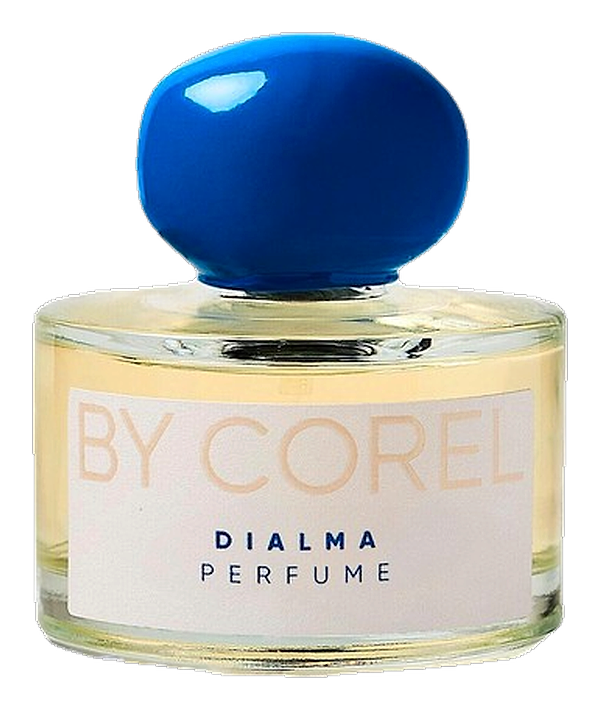
Fragrances featuring Pistachio Macaron
Brands
Brands known for Pistachio Macaron
Good to know
Questions, answered
The essentials on Pistachio Macaron in perfumery: how it smells, where it comes from, and how it behaves on skin.
Is Pistachio Macaron a natural or synthetic ingredient?
It's primarily synthetic. Natural pistachio essential oil is rarely used in fine perfumery due to extraction challenges, so perfumers create this accord using nature-identical and synthetic aromatic compounds.
What does Pistachio Macaron smell like?
It smells creamy, nutty, and slightly sweet with subtle bitter almond warmth. The macaron facet adds an almond flour nuance, making it softer and more confectionery-like than plain pistachio.
Which fragrance families use Pistachio Macaron?
Primarily gourmand and oriental families. It appears frequently in women's and unisex fragrances designed to evoke warmth, comfort, and edible sweetness.
How does this note combine with other ingredients?
It pairs beautifully with vanilla, tonka bean, heliotrope, and sandalwood. These combinations amplify the dessert-like quality. It also works with green notes for contrast.
When did pistachio become popular in perfumery?
The note gained significant traction in the 1990s and 2000s as gourmand fragrances exploded in popularity, influenced by culinary culture and the democratization of fine fragrance.
Does natural pistachio exist as a perfumery ingredient?
True pistachio essential oil is extremely rare in commercial perfumery. Most pistachio accords are synthetic recreations based on gas chromatography analysis of the natural nut's aroma profile.
What makes the macaron element distinct in this note?
The macaron facet adds almond flour sweetness and a subtle egg-protein creaminess that distinguishes it from plain pistachio, giving the accord its distinctive French patisserie character.
Is Pistachio Macaron safe for sensitive skin?
As with most synthetic aromatic compounds, safety depends on individual formulation and concentration. Reputable brands ensure IFRA compliance, but patch testing is recommended for sensitive skin.