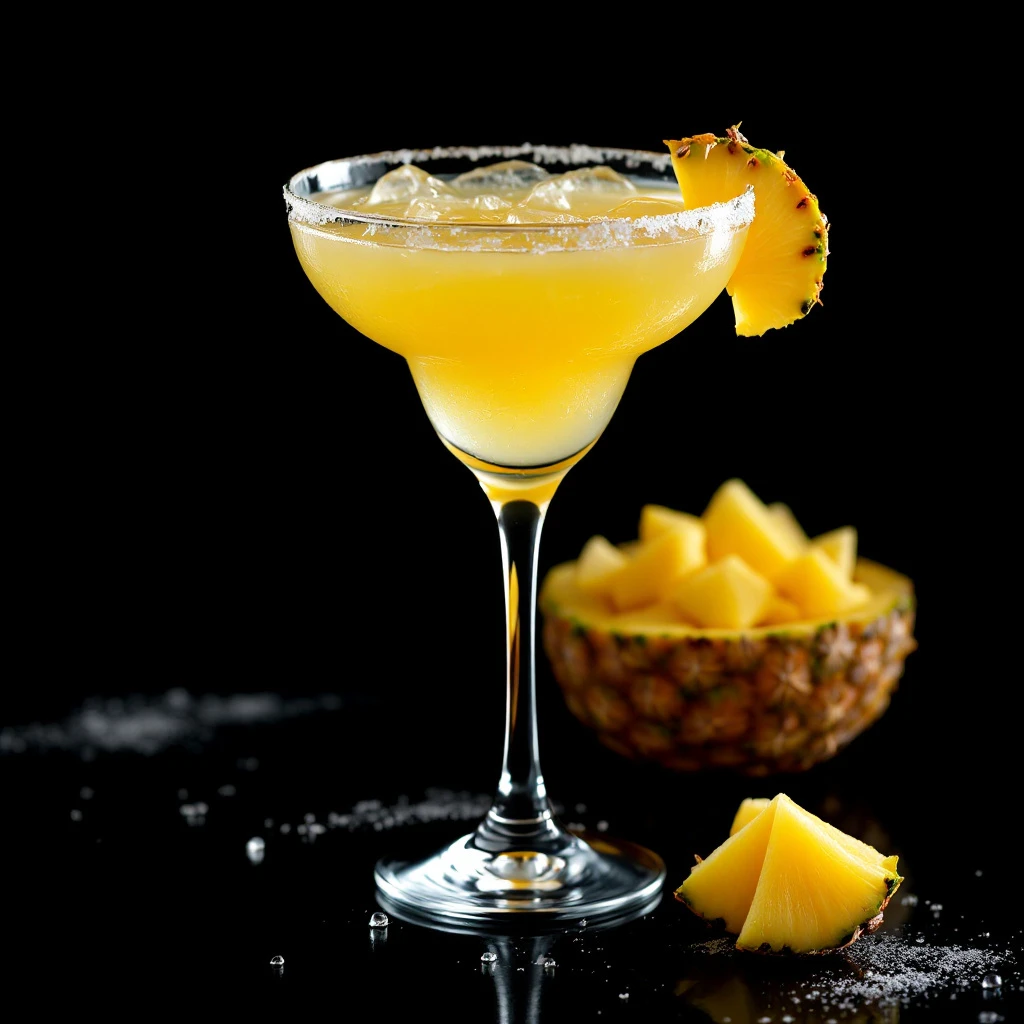
Pineapple Daiquiri
Tropical sweetness meets golden warmth. Pineapple Daiquiri captures sun-ripened fruit and sun-warmed rum in one effervescent accord, a modern perfumery creation that brings vacation in a bottle.
Character
How it smells
Sun-ripened tropical fruit meets golden rum warmth.
Piñone, the Tupi word for pineapple, translates to 'pine cone'—an apt description for the fruit's distinctive silhouette that has inspired perfumers for decades.




Origin
Paraguay
Pineapple held sacred status among South American civilizations before European contact, but its perfumery chapter began much later. The fruit's complex scent profile resisted natural extraction for centuries—traditional methods couldn't capture its volatile ester compounds reliably.
Modern perfumery unlocked pineapple's potential in the 1950s when aroma chemists first isolated ethyl butanoate, the primary compound responsible for the fruit's distinctive smell. The Pineapple Daiquiri accord emerged as perfumers began exploring cocktail-inspired themes in the late 20th century, blending tropical fruit notes with warm alcohol impressions.
This genre exploded in popularity through the 2000s as consumers gravitated toward accessible, vacation-evoking fragrances. Today, the Pineapple Daiquiri note represents a sophisticated marriage of natural extraction and synthetic chemistry, honoring the fruit's pre-Columbian heritage while embracing modern perfumery's tools.
Wears it best
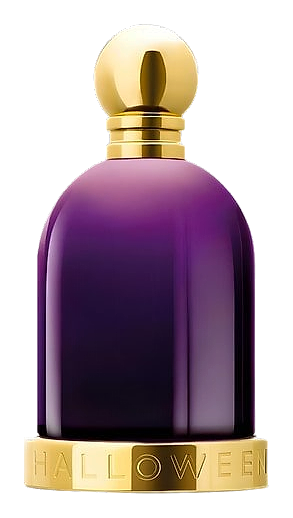
Fragrances featuring Pineapple Daiquiri
Brands
Brands known for Pineapple Daiquiri
Good to know
Questions, answered
The essentials on Pineapple Daiquiri in perfumery: how it smells, where it comes from, and how it behaves on skin.
Is Pineapple Daiquiri a natural or synthetic ingredient?
Pineapple Daiquiri is a hybrid accord combining natural pineapple extract with synthetic aroma compounds. Perfumers extract pineapple essence from fruit flesh and peel, then layer synthetic esters like ethyl butanoate to achieve consistent tropical character.
What does Pineapple Daiquiri smell like?
The accord opens with bright, juicy pineapple sweetness followed by warm rum notes with subtle vanilla and caramel undertones. The finish carries a clean citrus sparkle reminiscent of the cocktail's lime garnish.
Which fragrance families use Pineapple Daiquiri?
Pineapple Daiquiri appears primarily in tropical and fruity fragrance families. It works especially well in summer scents, vacation-inspired fragrances, and modern designer perfumes seeking accessible, joyful character.
How long does Pineapple Daiquiri last on skin?
As a top-to-heart note, Pineapple Daiquiri typically projects strongly for 2-4 hours before fading. Pairing it with fixatives like sandalwood or amber extends its presence in the fragrance's opening act.
What compounds create pineapple's scent?
Ethyl butanoate forms the cornerstone of pineapple's smell, contributing 60-70% of the characteristic aroma. Methyl butanoate, hexyl acetate, and various lactones round out the profile with tropical, creamy nuances.
Can pineapple extracts cause skin reactions?
Natural pineapple extract carries minimal allergenic potential compared to many citrus oils. Synthetic pineapple compounds offer an even lower risk profile, making the accord suitable for sensitive skin formulations.
What notes pair well with Pineapple Daiquiri?
Coconut, vanilla, rum, lime, pink pepper, and beach woods complement the accord beautifully. These pairings reinforce the tropical escape character while adding depth and sophistication.
Where does commercial pineapple for perfumery grow?
Major production centers include the Philippines, Costa Rica, Thailand, and Hawaii. Climate and volcanic soil in these regions produce fruit with higher ester content, yielding more aromatic extract per kilogram.