Pine Pollen
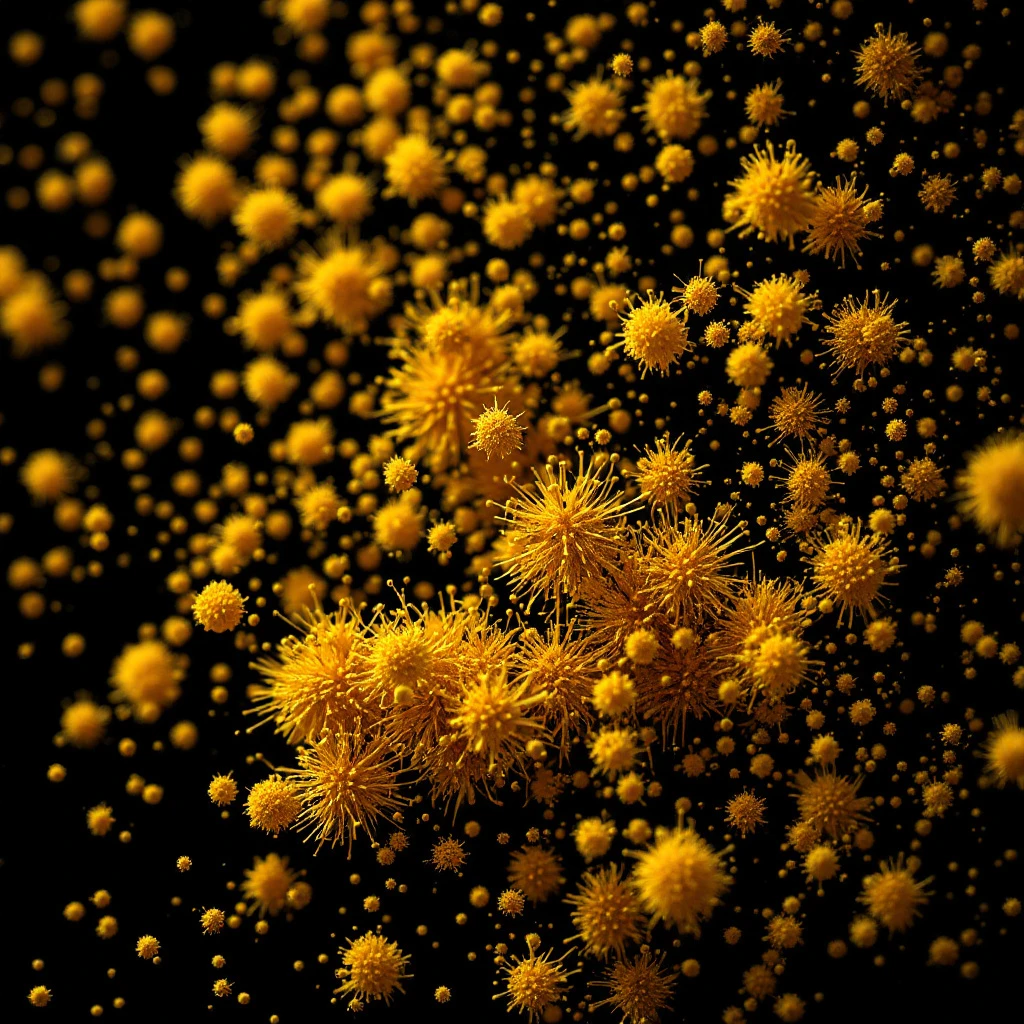
A rare botanical extract from pine forests, Pine Pollen captures the fresh, verdant essence of spring pollination. This fine powder carries a delicate green signature that adds an unexpected depth to fragrance compositions.
Character
How it smells
Spring's ephemeral harvest in a fragrance.
A single pine cone produces millions of pollen grains, each one a microscopic carrier of the tree's reproductive potential.
Pairs beautifully with


Origin
Canada
Pine holds ancient roots in perfumery, with coniferous resins among the earliest aromatic materials used by Mediterranean civilizations. While Pine Pollen specifically represents a modern refinement of botanical perfumery, it connects to centuries of conifer appreciation. Traditional medicine systems, particularly in East Asia, have treasured Pine Pollen as a restorative substance for over two thousand years, recognizing its nutritional complexity.
Western perfumery discovered the potential of pollen-based extracts in the late twentieth century as interest grew in capturing unusual botanical signatures. Today, Pine Pollen appears in niche natural fragrances that seek to translate the complete sensory experience of standing beneath a pine canopy during pollination season.
Wears it best
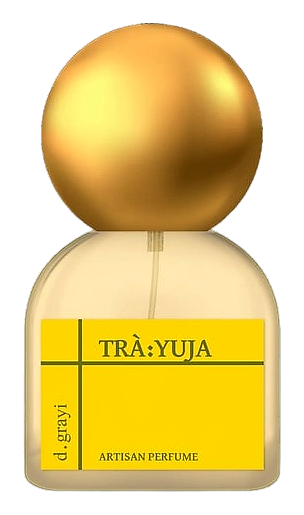
Fragrances featuring Pine Pollen
Brands
Brands known for Pine Pollen
Good to know
Questions, answered
The essentials on Pine Pollen in perfumery: how it smells, where it comes from, and how it behaves on skin.
What does Pine Pollen smell like in perfume?
Pine Pollen adds a fresh, green note with subtle floral and woody undertones. It evokes standing in a pine forest during spring pollination, with a delicate complexity that reads as natural and slightly sweet.
Is Pine Pollen commonly used in perfumery?
No. Pine Pollen remains a niche ingredient found primarily in artisanal and natural fragrance houses. Its rarity comes from the difficulty of harvesting pollen at peak ripeness.
How is Pine Pollen harvested for fragrance use?
Collectors time harvest precisely during the brief spring pollination period. Workers shake or brush male cones to release pollen onto collection surfaces, then immediately process the material to preserve its aromatic properties.
Does Pine Pollen cause allergic reactions in perfume?
Pine Pollen contains proteins that may trigger reactions in individuals with pine or tree pollen allergies. Allergen testing is standard practice for any pollen-derived ingredient.
Can Pine Pollen be synthesized artificially?
Complete synthesis is not practical. However, chemists have identified key aromatic compounds in pine pollen that can be reproduced individually to approximate its scent profile.
What fragrances feature Pine Pollen as a key ingredient?
Pine Pollen appears mainly in natural and botanical perfumery lines. Houses specializing in coniferous or forest-forward scents most frequently incorporate this material.
How does Pine Pollen compare to other pine materials?
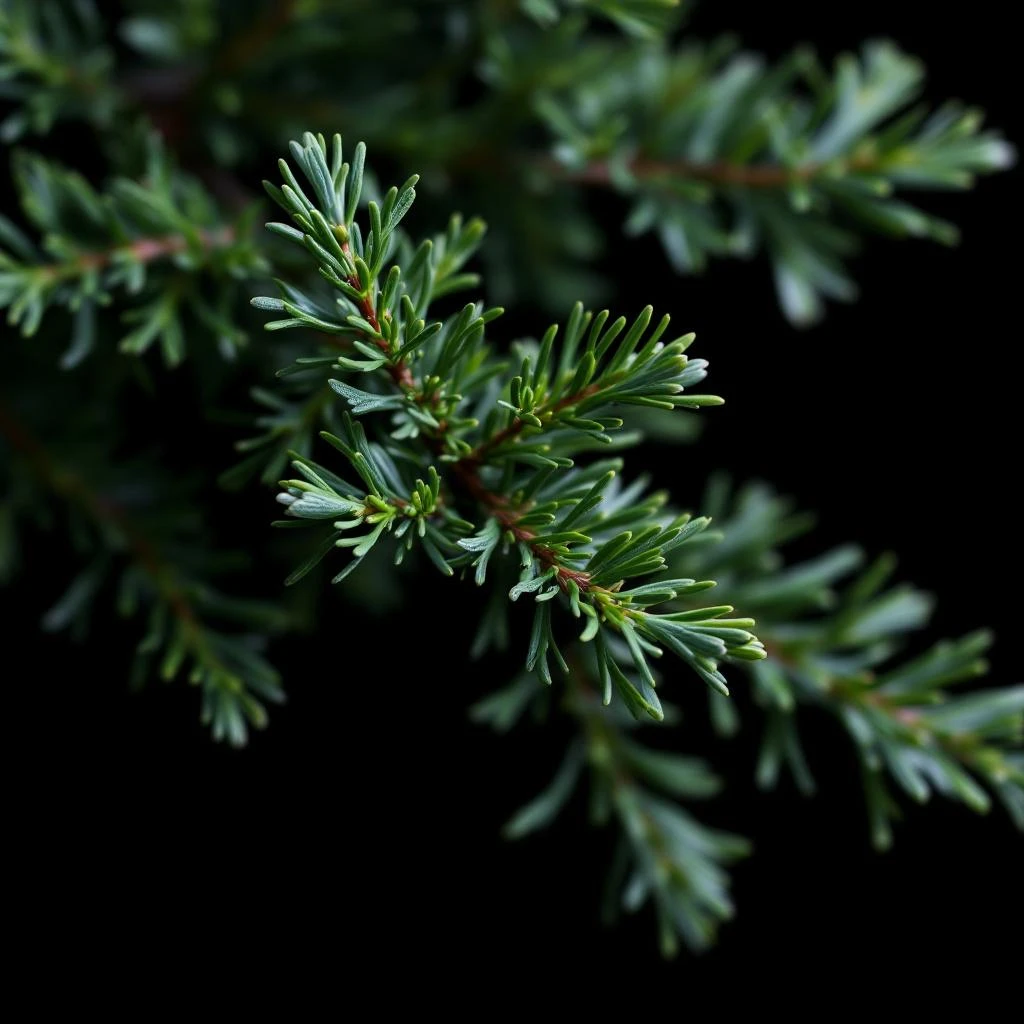
Unlike essential oil from needles or resin, Pine Pollen offers a greener, more delicate character. It lacks the strong turpentine quality of needle essential oil while adding a subtle floral dimension.
Is Pine Pollen sustainable to harvest?
Responsible harvesting poses minimal impact when done correctly. Collection typically occurs from plantation-grown pines managed specifically for pollen harvest rather than wild collection.