Pear Compote
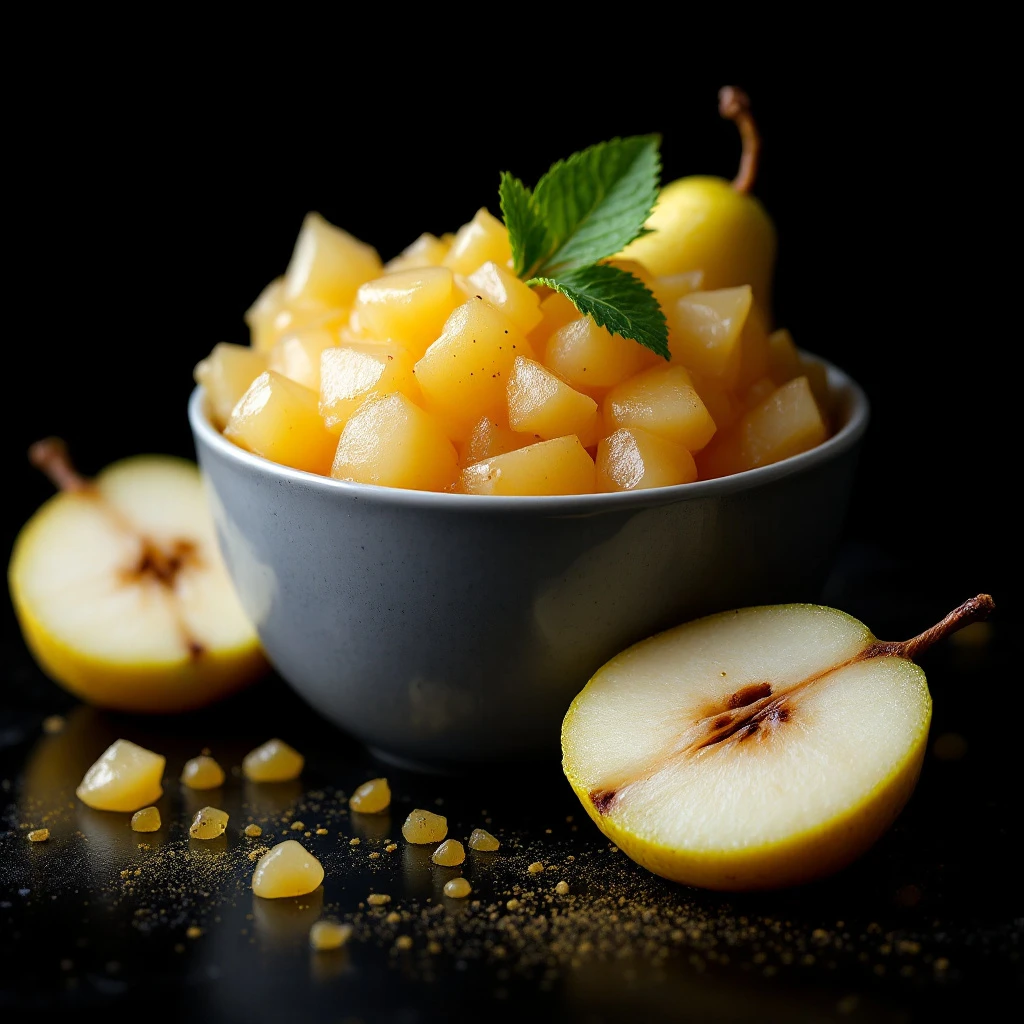
Warm, spiced pears slow-cooked with brown sugar and vanilla. Pear Compote captures the aromatic depth of fruit that's been transformed by heat, offering a gourmand sweetness that feels like autumn in a bottle.
Character
How it smells
The cozy warmth of baked orchard fruit.
China produces over 16 million metric tons of pears annually, making it the world's dominant pear-growing nation.



Origin
China
Pears count among humanity's oldest cultivated fruits, with evidence of orchards in western Europe dating back thousands of years. Ancient Greeks described pear cultivation, and Pliny the Elder documented various pear varieties in his Naturalis Historia. However, pear's role in perfumery remained minimal until the late 19th century, when François Coty's pioneering work with solvent extraction opened new possibilities for capturing fruit notes in alcoholic solutions.
The gourmand movement of the 1990s and 2000s brought pear compote into focus as designers sought warm, edible interpretations of orchard fruit. Today pear compote represents a departure from fresh green pear interpretations, embracing instead the caramelized depth that comes from cooking or preserving pears with sugar and spice.
Wears it best
Fragrances featuring Pear Compote
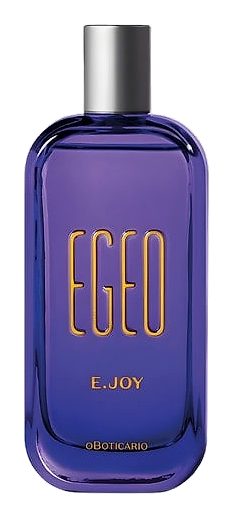
Brands
Brands known for Pear Compote
Good to know
Questions, answered
The essentials on Pear Compote in perfumery: how it smells, where it comes from, and how it behaves on skin.
What does Pear Compote smell like?
Pear Compote smells like cooked pears with warm spice and caramelized sugar. It lacks the crisp freshness of raw pear, replacing it instead with honeyed depth and baked fruit character.
Is Pear Compote natural or synthetic?
Pear Compote typically comes from synthetic aroma chemicals. Natural pear essence yields poorly, so perfumers recreate the cooked fruit effect through carefully blended compounds like maltol and vanillin.
What fragrances feature Pear Compote?
Many modern fragrances use Pear Compote for gourmand warmth. It appears frequently in women's fragrances and unisex compositions where designers want edible fruit without sharpness.
How does Pear Compote differ from Fresh Pear?
Fresh Pear smells green, crisp, and slightly floral with watery undertones. Pear Compote adds sugar, spice, and cooked depth, removing the raw fruit character entirely.
What season suits Pear Compote best?
Pear Compote reads as autumnal in perfumery. Its warm, spiced character aligns with fall launches, though some designers use it year-round for its cozy comfort.
Which fragrance families use Pear Compote?
Pear Compote bridges fruity and gourmand families. Perfumers combine it with vanilla for sweetness, spices for warmth, or florals to add sophistication to the edible base.
Can Pear Compote be combined with marine notes?
Yes, though it requires balance. The warmth of Pear Compote can ground aquatic freshness, creating an unexpected contrast that some designers exploit for unique compositions.
What molecules create the compote effect?
Furaneol and maltol provide cooked fruit character. Vanillin adds sweetness. The combination creates the impression of pears slow-cooked with sugar rather than fresh-picked.