Peanut Butter
Peanut butter brings unexpected warmth to fragrance: a gourmand accord that pairs comfort with edge. Discover the chemistry and craft behind this playful, roasted nut note.
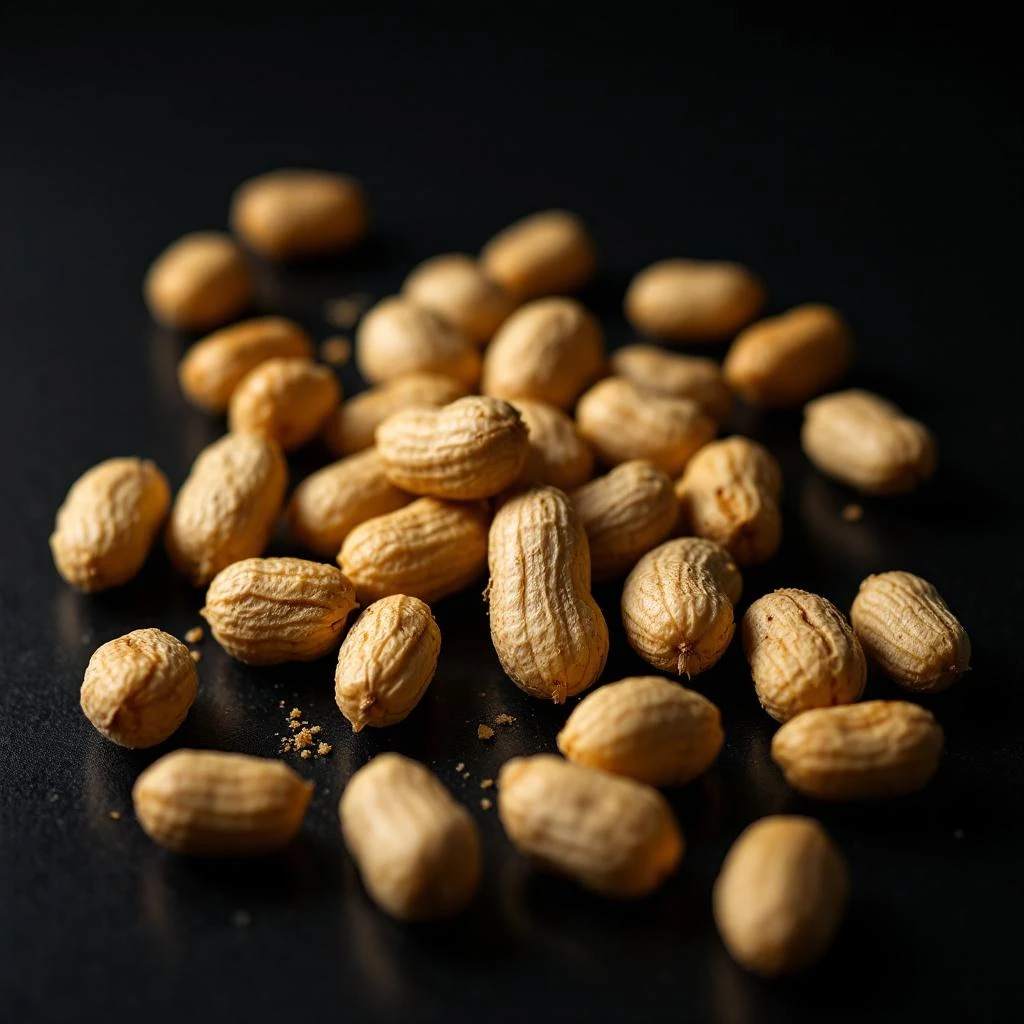
Character
How it smells
Nuttty, roasted, surprisingly sophisticated.
Peanut butter as a fragrance note contains no actual peanut extract. Perfumers reconstruct its aroma entirely from synthetic aroma chemicals.






Origin
United States
While peanut cultivation dates back over 3,500 years in South America, its transformation into peanut butter occurred in 19th-century North America. John Harvey Kellogg patented an early version in 1895, and Dr.
Ambrose Stubbs refined the process in 1904. Fragrance designers adopted the peanut butter accord much later, during the 1990s and 2000s gourmand fragrance boom.
The note carries strong nostalgic American connotations, evoking childhood sandwiches and comfort food. In perfumery, it appears primarily in masculine and unisex fragrances, often positioned alongside chocolate, vanilla, or tobacco to create warm, edible drydowns that challenge conventional fragrance categories.
Wears it best
Fragrances featuring Peanut Butter
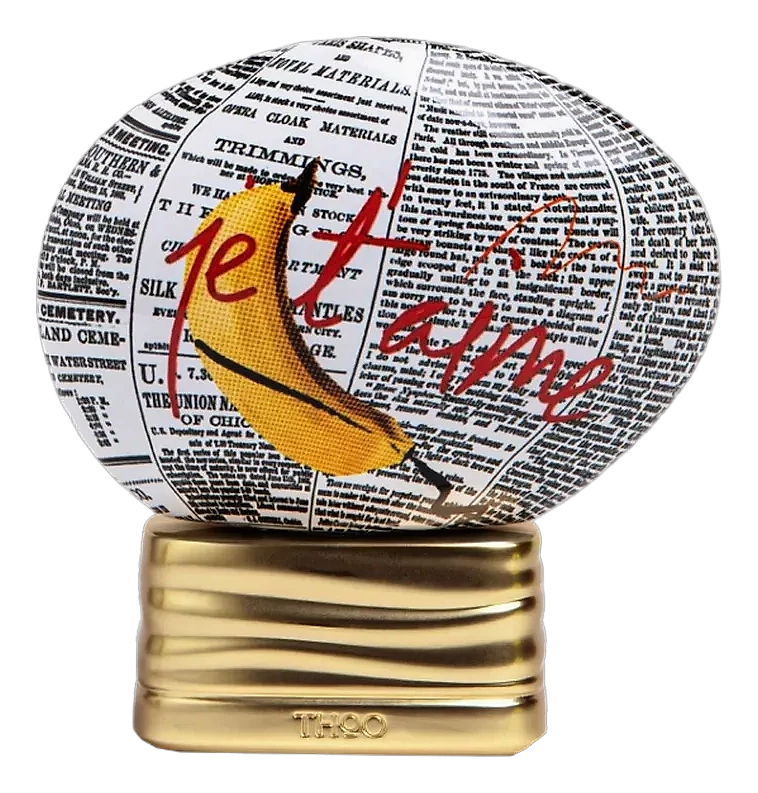
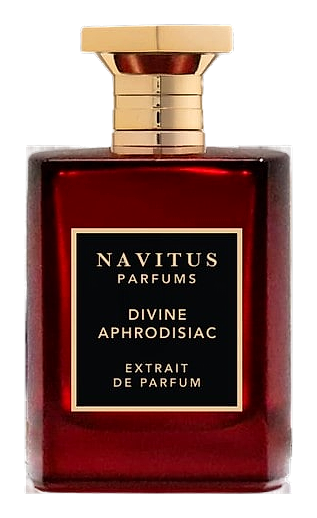
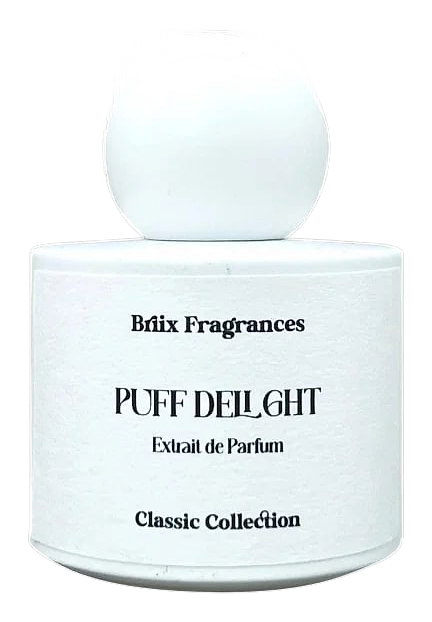
Brands
Brands known for Peanut Butter
Good to know
Questions, answered
The essentials on Peanut Butter in perfumery: how it smells, where it comes from, and how it behaves on skin.
Is peanut butter an actual ingredient in perfume?
No. Perfumers create peanut butter accord entirely through synthetic aroma chemistry. No peanut extract appears in fragrance production. The note consists of carefully blended synthetic materials that reproduce the roasted, nutty aroma.
What chemicals create the peanut butter scent in fragrance?
Alkyl pyrazines provide the signature roasted, nutty character. Furfuryl mercaptan adds subtle depth at trace levels. Lactones contribute creamy, buttery qualities. The perfumer combines these elements to build a complete accord.
Does peanut butter fragrance cause allergic reactions?
Because the note uses synthetic materials instead of actual peanut-derived ingredients, it typically contains no peanut proteins that trigger allergies. However, individuals with extreme fragrance sensitivities should exercise caution and test products before use.
What other notes pair well with peanut butter in fragrance?
Chocolate, vanilla, caramel, and tobacco amplify its gourmand qualities. Woody notes like sandalwood ground the sweetness. Leather and tobacco add contrast. In unexpected combinations, it appears with ozonic or aquatic notes for modern twists.
Which fragrance families use peanut butter notes most often?
Gourmand fragrances showcase this note most prominently. It appears frequently in masculine scent profiles, particularly in American and niche fragrance lines. The family includes warm, edible compositions with food-inspired drydowns.
When did peanut butter enter perfumery?
The note emerged during the 1990s gourmand fragrance boom. American designers initially explored it, leveraging cultural familiarity with peanut butter. It gained wider acceptance in the 2000s as niche perfumery expanded fragrance boundaries.
Is peanut butter considered a high-end fragrance ingredient?
The materials used to construct peanut butter accord range from inexpensive aromachemicals to rare synthetics. Quality depends on the perfumer's skill in balancing the components, not the raw materials themselves. Execution determines sophistication.
Why do some fragrances list peanut derivatives in ingredients?
Cross-contamination during manufacturing occasionally introduces trace peanut materials. Allergen labeling laws in the EU and other regions require disclosure of 26 common allergens, which may include certain natural aromatic materials derived from nuts.





