Peach Prosecco
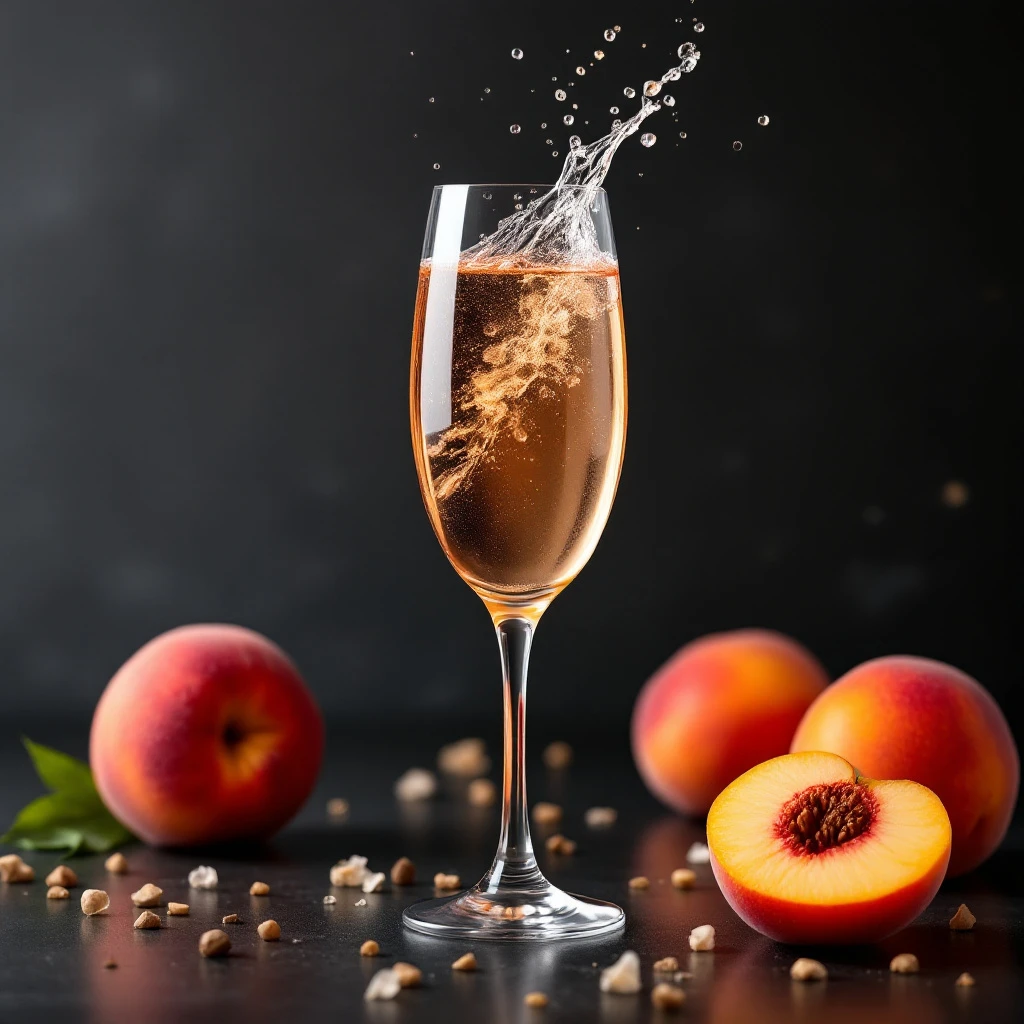
Peach Prosecco captures the effervescent joy of sun-ripened fruit meeting sparkling wine. This modern accord blends the velvety sweetness of ripe peach with the crisp, celebratory lift of Italian prosecco, creating a luminous opening that feels like a warm evening toast.
Character
How it smells
Sun-drenched fruit meets effervescent sparkle
Gamma-undecalactone, the synthetic molecule responsible for peach's creamy sweetness, was first isolated in 1908 and became a perfumery staple by the 1920s.



Origin
China
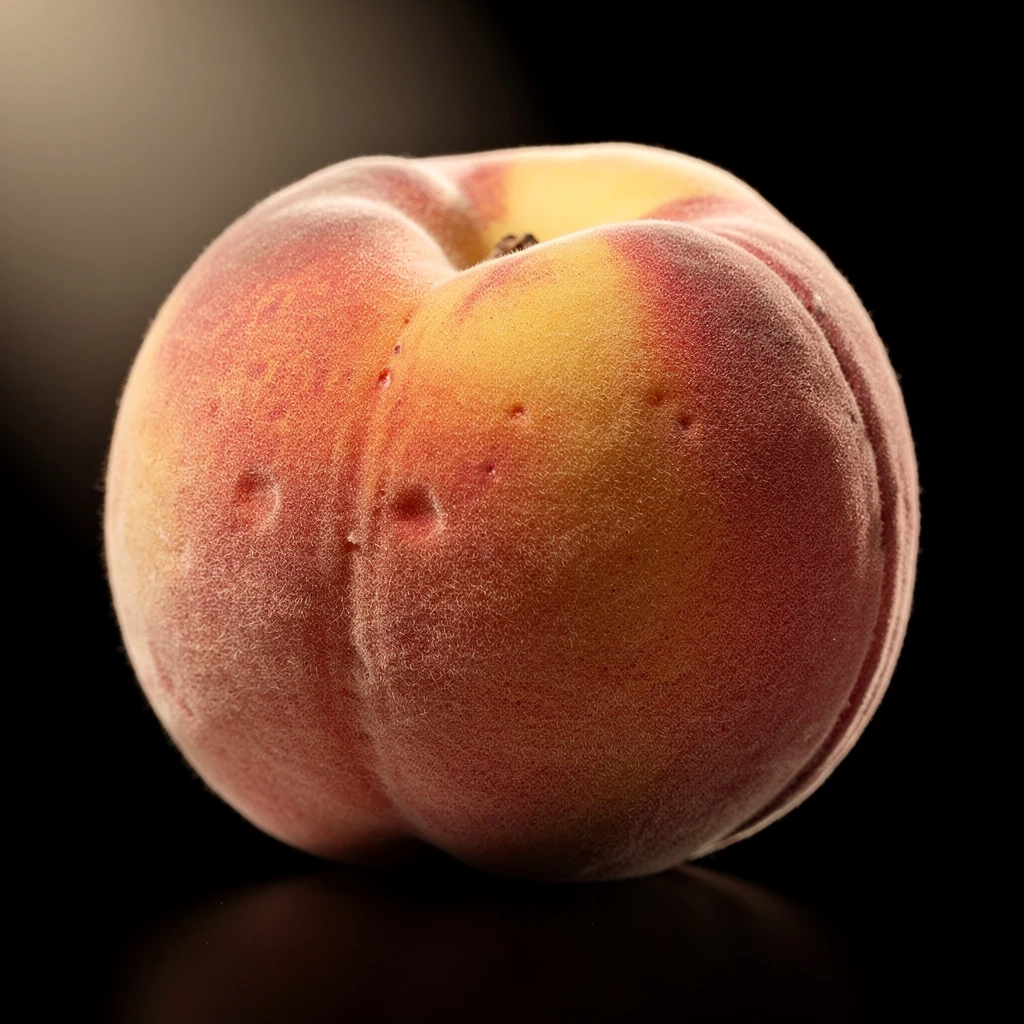
The peach fruit traces its perfumery heritage to Prunus persica, native to Northwest China where it was cultivated for thousands of years before spreading westward along ancient trade routes to Persia and eventually Europe. The botanical name persica reflects this journey through Persia.
China remains the world's leading peach producer, accounting for over 60 percent of global cultivation. The synthetic peach note itself emerged from the discovery of gamma-undecalactone in 1908, a breakthrough that transformed how perfumers could work with this ingredient.
Guerlain's 1921 release of Mitsouko first brought peach into the modern perfumery spotlight, followed by broader adoption in 1944. The effervescent Peach Prosecco accord represents contemporary perfumery's evolution, combining gamma-undecalactone with sparkling aldehydes and citrus materials to create a fresh, celebratory quality that mirrors the modern pairing of ripe peaches with Italian prosecco.
Wears it best
Fragrances featuring Peach Prosecco

Brands
Brands known for Peach Prosecco
Good to know
Questions, answered
The essentials on Peach Prosecco in perfumery: how it smells, where it comes from, and how it behaves on skin.
What exactly is Peach Prosecco in perfumery?
Peach Prosecco is a modern fragrance accord that combines gamma-undecalactone for the peach note with synthetic sparkling materials to create an effervescent, celebratory character. It does not exist as a single natural ingredient but as a carefully constructed combination of aroma compounds.
Is aldehyde C14 the same as gamma-undecalactone?
Yes. Aldehyde C14 and gamma-undecalactone refer to the same synthetic molecule. Perfumers discovered this lactone in 1908, and it provides the creamy, peach-like aroma that became a cornerstone of modern fruity fragrances.
When did peach first become a significant perfumery note?
Peach entered modern perfumery in 1921 when Guerlain released Mitsouko, which featured gamma-undecalactone prominently. This launch established peach as a recognized fragrance note that perfumers could use reliably across formulations.
Can perfumers use natural peach extract instead of synthetic peach?
Natural peach absolute exists but lacks the staying power required for fragrance work. Synthetic gamma-undecalactone provides consistent, long-lasting peach character that natural extracts cannot deliver, which is why modern perfumers prefer lab-created alternatives.
Where did the peach fruit originally come from?
The peach, Prunus persica, is native to Northwest China, which remains the world's leading producer at over 60 percent of global output. Ancient trade routes carried the fruit westward to Persia and Europe, where it acquired its botanical name.
What does the prosecco component contribute to the accord?
The prosecco element adds effervescence and a celebratory quality through aldehydes and citrus materials that create sparkling top notes. This gives the accord its characteristic lively, sparkling lift that distinguishes it from static fruity compositions.
Does Peach Prosecco work well with other fragrance families?
Peach Prosecco pairs naturally with bright florals like jasmine and rose, stone fruit companions such as apricot and nectarine, and warm bases like sandalwood and musk. The sparkling quality also complements aquatic and green fragrance families.
How should I store fragrances containing peach accords?
Store any fragrance in a cool, dark environment away from direct sunlight and temperature fluctuations. The citrus and aldehydic components in Peach Prosecco accords are particularly sensitive to light and heat, which can degrade their sparkling character over time.