Paper Mulberry
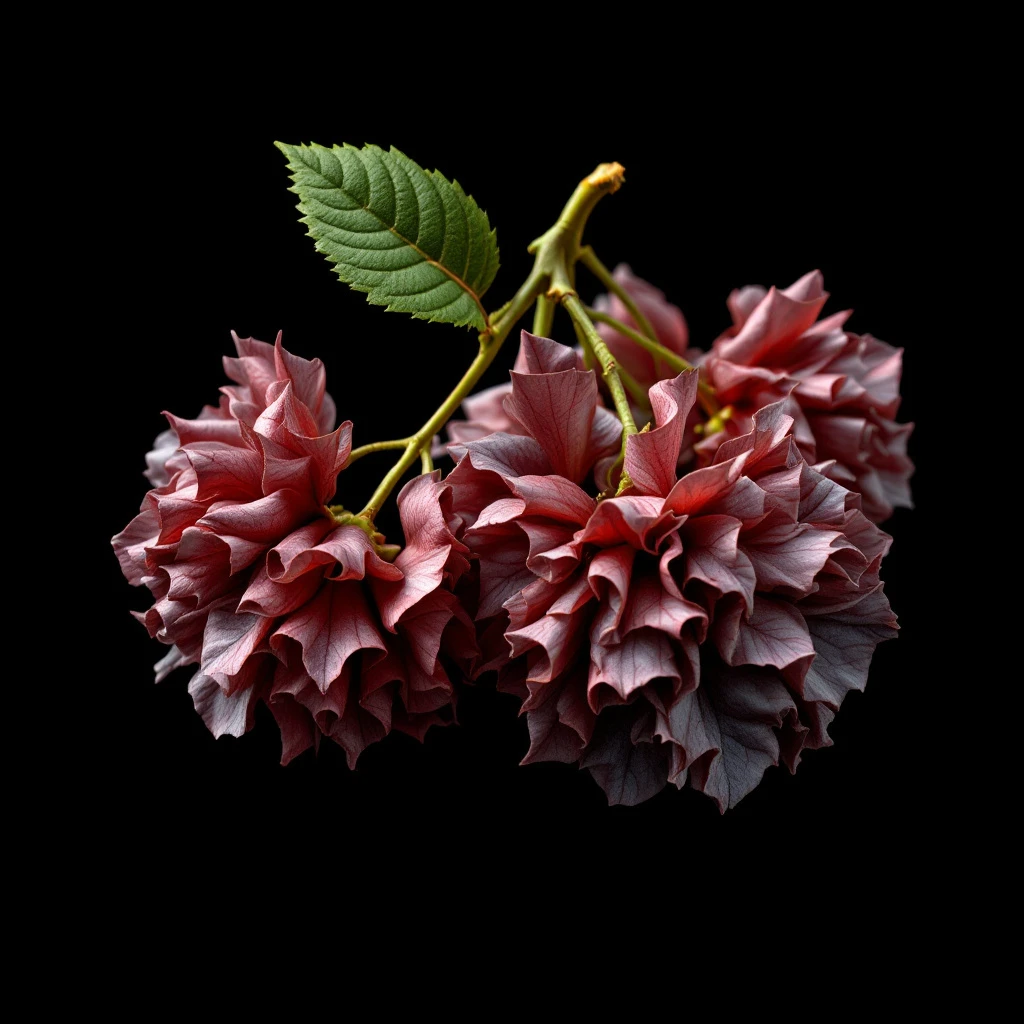
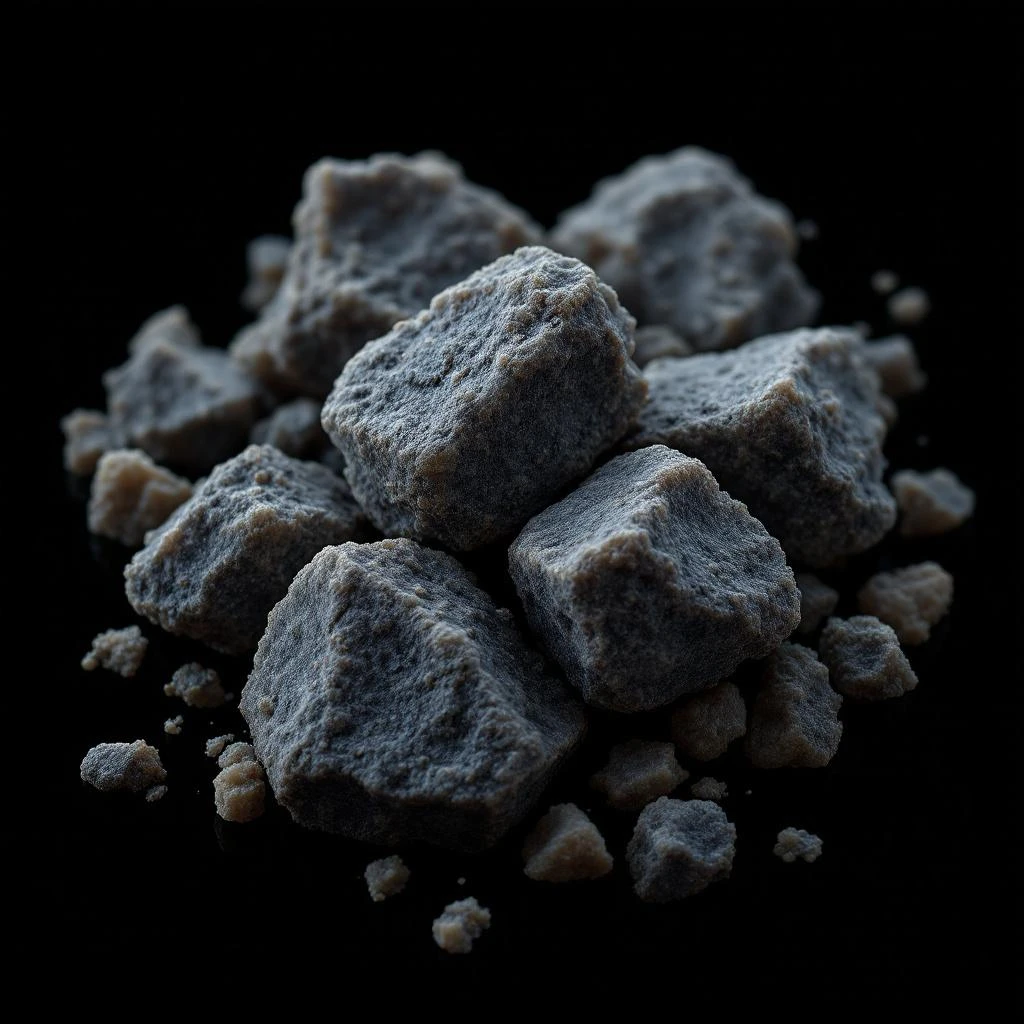
Paper mulberry yields a clean, quietly resonant scent with warm woody and papery facets. Its inner bark has perfumed textiles and sacred papers for millennia across East Asia and the Pacific.
Character
How it smells
Ancient bark, modern mystique.
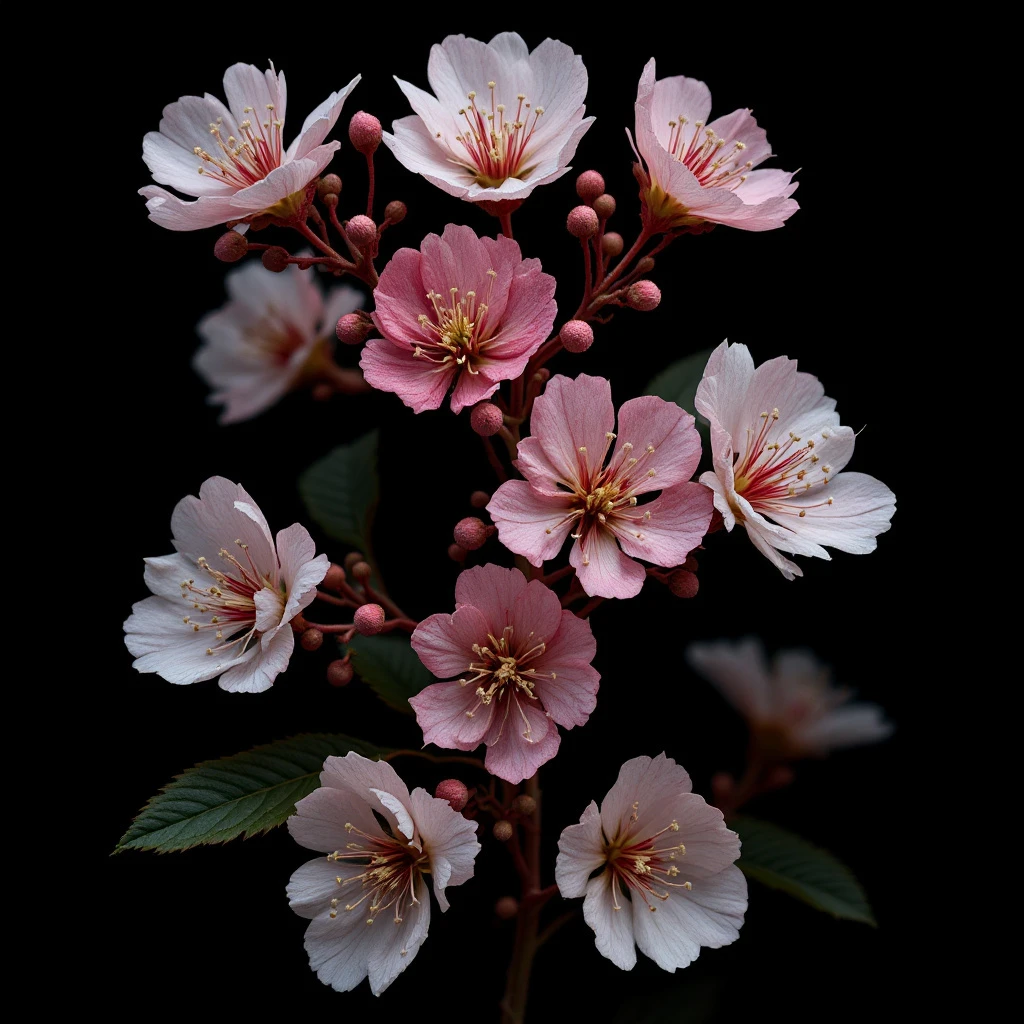
Austronesian navigators carried paper mulberry across 10,000 miles of Pacific, spreading barkcloth culture from Taiwan to Hawaii.

Origin
China
Paper mulberry holds a singular place in human cultural history. Ancient Austronesian peoples, originating in Taiwan, carried this plant across the Pacific and Indian Oceans, establishing barkcloth traditions from Hawaii to Madagascar.
They beat the inner bark into tapa cloth, creating garments, ceremonial textiles, and trade goods. This maritime expansion dates to at least 3,000 years ago, making paper mulberry one of the most widely distributed plants in Pacific prehistory.
In East Asia, the plant supported papermaking traditions in China and Japan, where its fibrous bark contributed to the creation of washi paper prized for strength and texture. While not a classical perfumery ingredient, paper mulberry absolute represents a modern rediscovery of traditional plant wisdom, translating centuries-old bark processing knowledge into contemporary fragrant form.
Wears it best
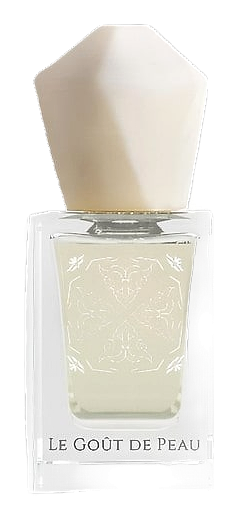
Fragrances featuring Paper Mulberry
Brands
Brands known for Paper Mulberry
Good to know
Questions, answered
The essentials on Paper Mulberry in perfumery: how it smells, where it comes from, and how it behaves on skin.
What is paper mulberry absolute in perfumery?
Paper mulberry absolute is a concentrated aromatic extract from the inner bark of Broussonetia papyrifera. Solvent extraction captures the wood's dry, papery character with warm woody undertones, used as a supporting note in niche fragrances.
What does paper mulberry smell like?
The scent profile features dry paper and warm wood notes with subtle mineral and fibrous undertones. It evokes clean, aged stationery and natural bark, adding quiet depth to fragrance compositions.
Why is paper mulberry significant in Pacific cultures?
Austronesian seafarers spread paper mulberry from Taiwan across 10,000 miles of Pacific, using its inner bark to create tapa cloth. This practice shaped textiles throughout Oceania for over 3,000 years.
Is paper mulberry related to paper production?
Yes, the plant supported papermaking traditions in China and Japan. Its fibrous inner bark contributed to washi paper, valued for exceptional strength and distinctive texture.
How is paper mulberry harvested for fragrance?
Harvesting typically occurs during dormancy when bark quality peaks. Inner bark strips are carefully collected, dried, then processed through solvent or CO2 extraction to obtain the aromatic absolute.
Does paper mulberry have cosmetic uses?
Beyond perfumery, paper mulberry extracts appear in skincare for their skin-brightening properties. The plant contains bioactive compounds valued in traditional medicine and modern cosmetics.
Is paper mulberry used in fine fragrance or niche perfumery?
Paper mulberry absolute appears primarily in niche and artisanal fragrances. Its subtle, paper-like character suits compositions seeking organic texture and quiet woody warmth.
Is paper mulberry bark sustainable to source?
Paper mulberry grows rapidly and adapts readily, often naturalizing in disturbed areas. Sustainable harvesting practices ensure bark collection does not compromise tree health.