Oriental Paperbush
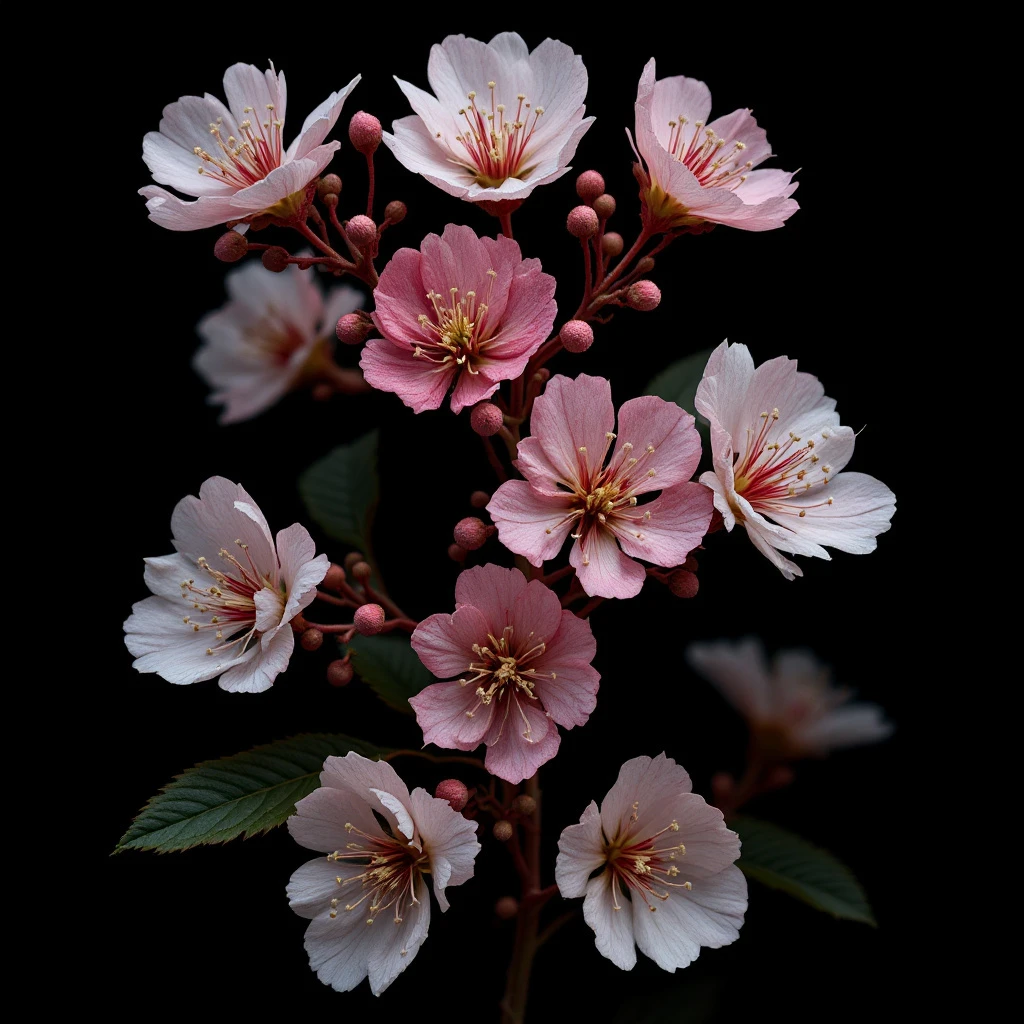
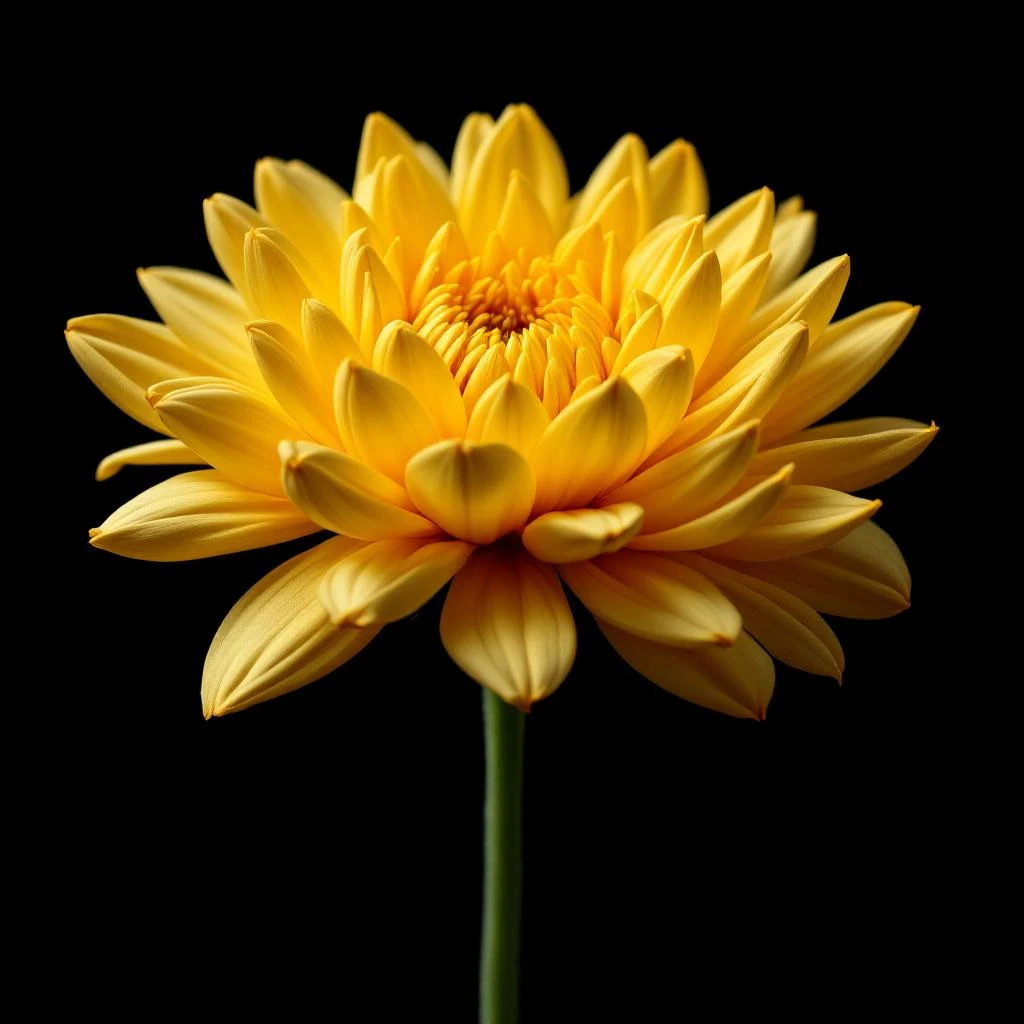
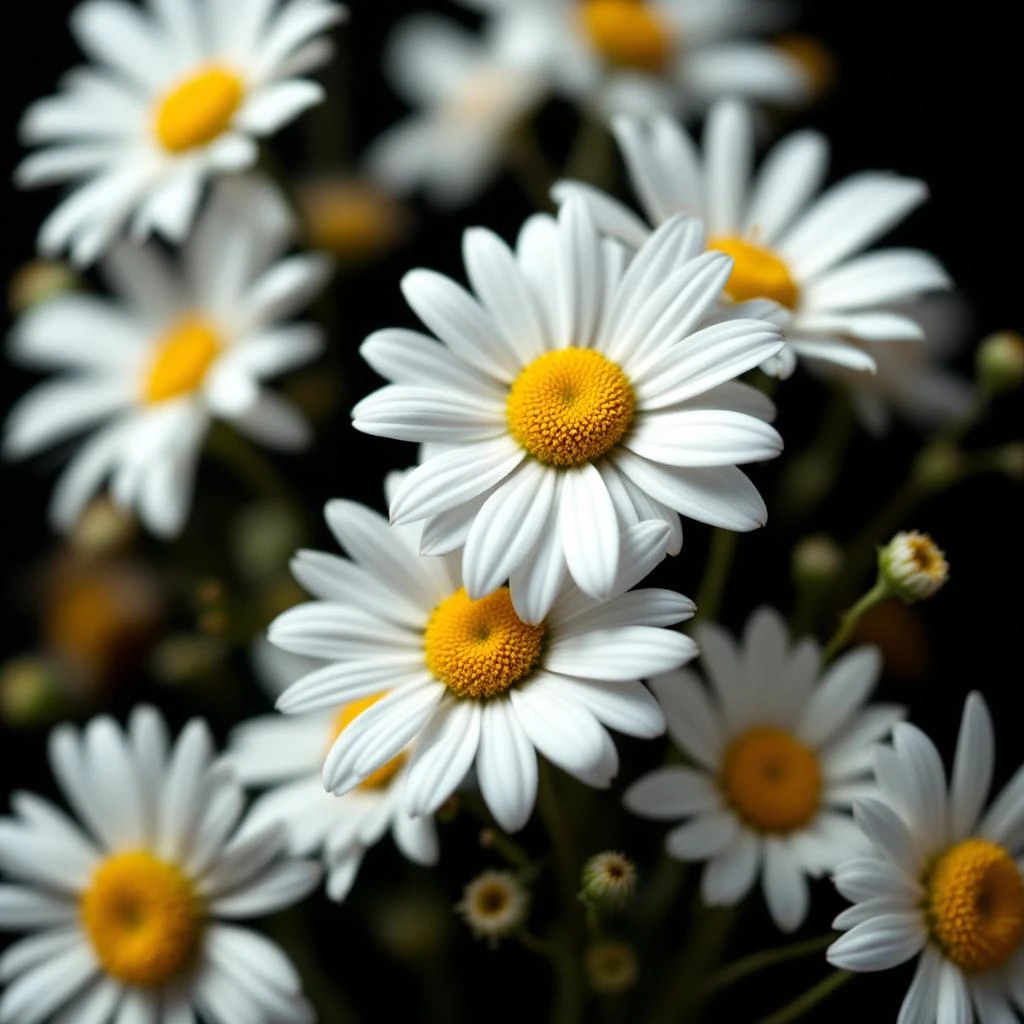
Oriental Paperbush (Edgeworthia chrysantha) yields a precious absolute from its clusters of tubular blooms, prized in niche perfumery for its soft gardenia-like florality touched with honey and subtle green nuances.
Character
How it smells
Delicate blooms, ancient paper heritage.
Buddhist monks in feudal Japan crafted the finest calligraphy paper exclusively from this shrub's bark.

Origin
China
Edgeworthia chrysantha carries a dual heritage spanning two millennia of Asian craftsmanship. Chinese artisans first recognized the exceptional fiber quality of paperbush bark over 1,500 years ago, developing specialized papermaking techniques that valued the material for its extraordinary durability and smooth texture. The plant's Chinese name, jiexiang, reflects its cultural significance in traditional contexts.
Japanese Buddhist monasteries became primary centers of paperbush papermaking, where monks developed refined techniques for creating washi, the traditional Japanese paper. This paper proved superior for calligraphy and religious texts due to its remarkable strength and resistance to aging. Simultaneously, the plant's intensely fragrant winter blooms held ceremonial importance in East Asian traditions, scenting temple grounds during the cold months when few other plants flower.
While documentation of paperbush absolute in historical perfumery remains sparse, the ingredient has gained recognition among contemporary niche houses seeking distinctive botanical materials. Perfumers now value paperbush for its ability to add soft, natural florality without the indolic heaviness common to many white florals, making it a subtle yet distinctive component in modern fine fragrance compositions.
Wears it best
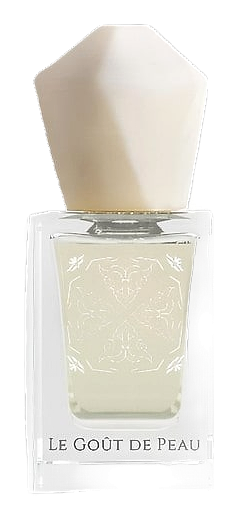
Fragrances featuring Oriental Paperbush
Brands
Brands known for Oriental Paperbush
Good to know
Questions, answered
The essentials on Oriental Paperbush in perfumery: how it smells, where it comes from, and how it behaves on skin.
What does Oriental Paperbush smell like?
Paperbush absolute offers a delicate gardenia-like floral scent with honeyed undertones and subtle green nuances. It reads as softer and more nuanced than gardenia, with a creamy white floral quality.
Is Oriental Paperbush a natural or synthetic ingredient?
Paperbush absolute is a completely natural ingredient derived from Edgeworthia chrysantha flowers. No synthetic counterpart replicates its complex profile.
Where does paperbush grow naturally?
Edgeworthia chrysantha originates from China's mountainous regions and extends into the Himalayas. The plant thrives in partial shade with consistently moist soil conditions.
Why is it called paperbush?
Artisans have used the plant's bark for over 1,500 years to produce high-quality paper. Japanese Buddhist monks particularly valued it for creating durable washi, the traditional Japanese calligraphy paper.
How is paperbush absolute extracted?
Producers harvest the delicate flower clusters and extract them using solvent extraction. The process yields a concrete, then an absolute, with a rich amber color and intensely concentrated scent.
What frangrance families use paperbush absolute?
Paperbush absolute appears primarily in fine and niche fragrances, particularly those built around white floral themes. Perfumers use it as a subtle heart note to add natural softness to gardenia, tuberose, and jasmine compositions.
How rare is paperbush absolute in perfumery?
Paperbush absolute ranks among the rarest botanical ingredients. The brief winter blooming period and multi-stage extraction process limit annual production to extremely small quantities.
Does paperbush appear in mainstream fragrances?
Paperbush absolute primarily appears in niche and fine fragrances due to its rarity and cost. Its use in mainstream perfumes remains uncommon, though it has gained recognition among perfumers seeking distinctive natural materials.





