Pan de Muerto
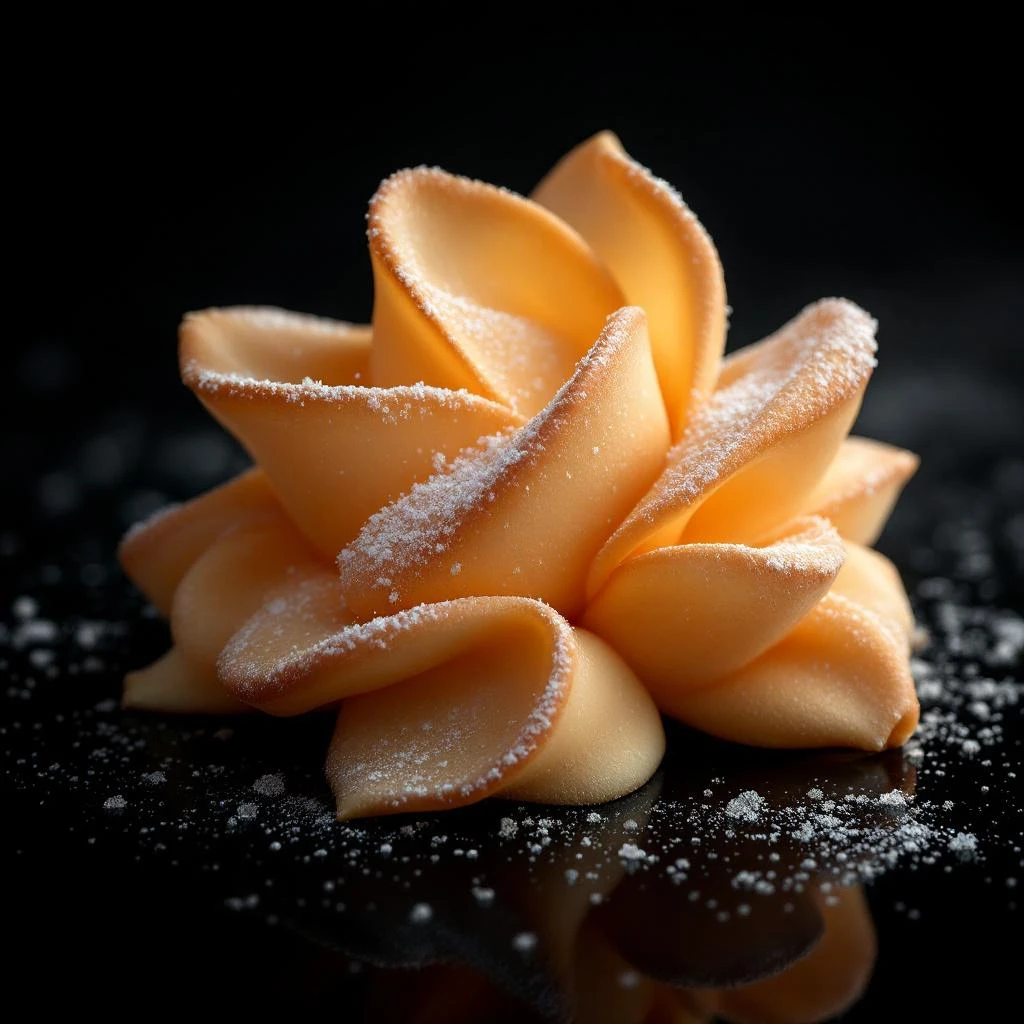
Pan de Muerto brings the warm, sugar-dusted soul of Día de Muertos into fragrance: buttery bread accord laced with orange blossom, anise seed, and a whisper of toasted crumb. A comfort note rooted in ritual.
Character
How it smells
Bread of the Dead, bottled.
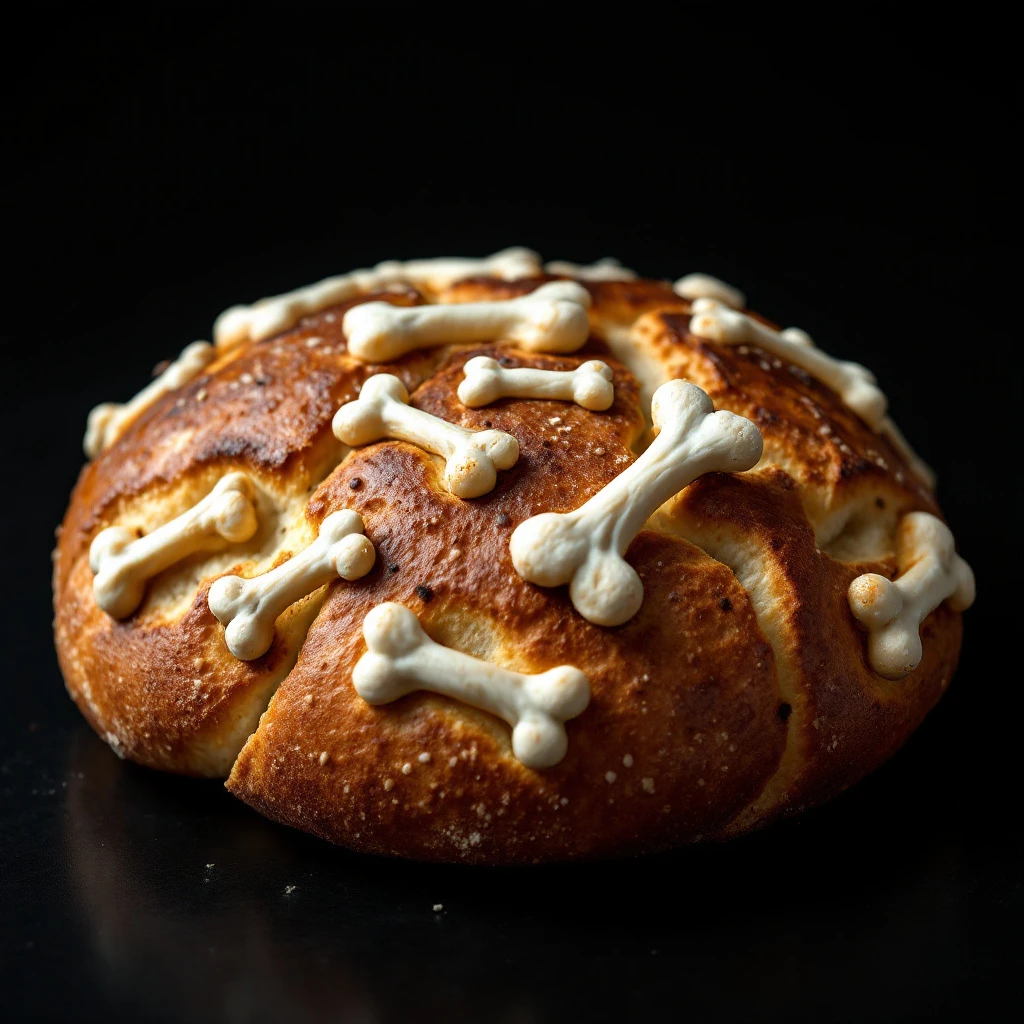
The bone-shaped dough strips on top represent the deceased; their orange blossom glaze scents entire Mexican homes each November.
Pairs beautifully with
Origin
Mexico
Pan de Muerto has graced Mexican ofrendas since at least the early 1500s, when Spanish colonists introduced wheat, dairy, and cane sugar to indigenous Day of the Dead rituals. Pre-Hispanic Mesoamerican peoples had long offered tamales, amaranth, and turkey to honor ancestors during late summer cycles, and the new ingredients reshaped those offerings into the soft, sweet bread known today. The earliest documented recipe appears in print culture around the early 20th century, with a notable 1938 version by Josefina Velazquez de Leon that helped standardize the form.
A round dome represents a skull, while crossed dough strips on top symbolize bones. Orange blossom water, a later Spanish addition, scents the bread and signals purity and the lingering presence of the departed. Regional variations flourish: Oaxaca adds mezcal-soaked raisins, while Puebla and Tlaxcala favor anise seed.
The bread remains inseparable from the November 1 and 2 celebrations, when families share it at gravesites and altars.
Wears it best
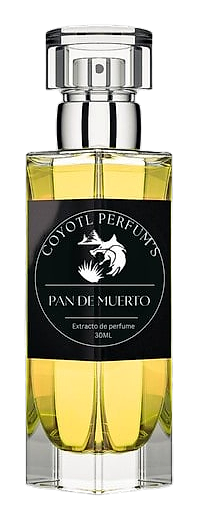
Fragrances featuring Pan de Muerto
Brands
Brands known for Pan de Muerto
Good to know
Questions, answered
The essentials on Pan de Muerto in perfumery: how it smells, where it comes from, and how it behaves on skin.
What does Pan de Muerto smell like in perfumery?
A warm blend of buttery bread, sugar crust, orange blossom, and anise. It smells like a Mexican bakery in early November, with sweet, spiced, and faintly floral edges. The accord leans gourmand without tipping into heavy.
Is Pan de Muerto a natural or synthetic fragrance note?
It is a composite accord built from both natural extracts and aroma chemicals. Orange blossom and anise are usually steam distilled, while the fresh-bread facet comes from synthetic lactones and pyrazines. No single plant produces it.
When is Pan de Muerto traditionally eaten?
It is baked and shared during Día de Muertos on November 1 and 2. Families place loaves on ofrendas and bring them to cemeteries to honor deceased loved ones. The bread is a central element of the celebration.
What ingredients give Pan de Muerto its distinctive aroma?
Orange blossom water and anise seed provide the signature scent, layered over enriched dough made with butter, eggs, and sugar. The glaze of sugar and sometimes cinnamon adds a toasted finish. These same notes translate into fragrance accords.
Where did Pan de Muerto originate?
Mexico, with roots reaching back to the early 1500s after Spanish colonists introduced wheat and dairy. Indigenous Mesoamerican offerings of tamales and amaranth predate the bread, but the fusion created the modern form.
What do the bone-shaped decorations on top mean?
The crossed dough strips represent bones, while the round loaf below symbolizes a skull. Together they form a memento mori, a visual reminder of death woven into the bread. Families bake them into every loaf.
Are there regional variations of Pan de Muerto?
Yes. Oaxacan versions often include mezcal-soaked raisins, while bakers in Puebla and Tlaxcala lean heavily on anise. Coastal regions may add tropical fruit. The core orange blossom and sugar profile stays consistent.
When was the first written Pan de Muerto recipe published?
One of the earliest documented recipes appeared in a 1938 publication by Mexican culinary pioneer Josefina Velazquez de Leon. Her version helped standardize the bread across home kitchens and bakeries throughout the country.