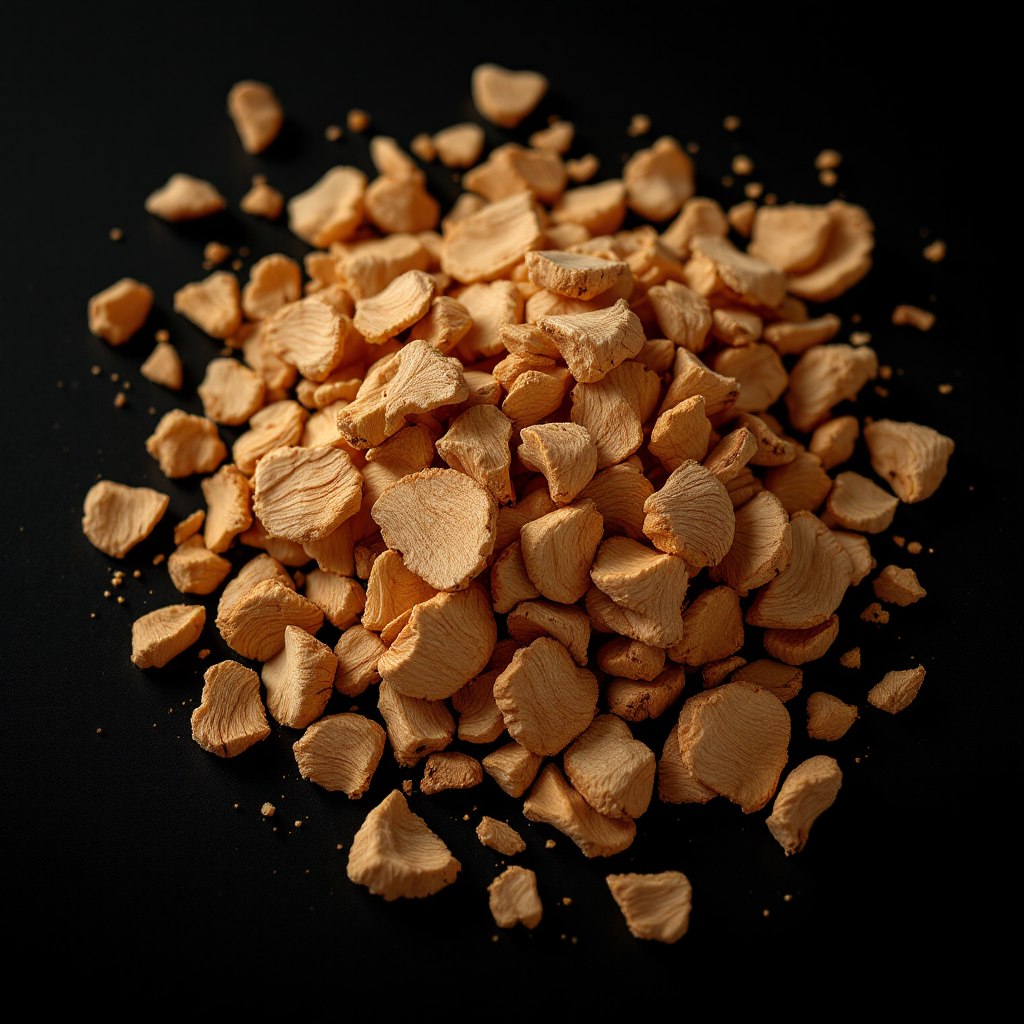
Osier
Osier brings the quiet elegance of riverbank willows to perfume. This fresh, green note carries the watery clarity of spring growth—delicate yet distinctive, rarely featured but unforgettable when it appears.
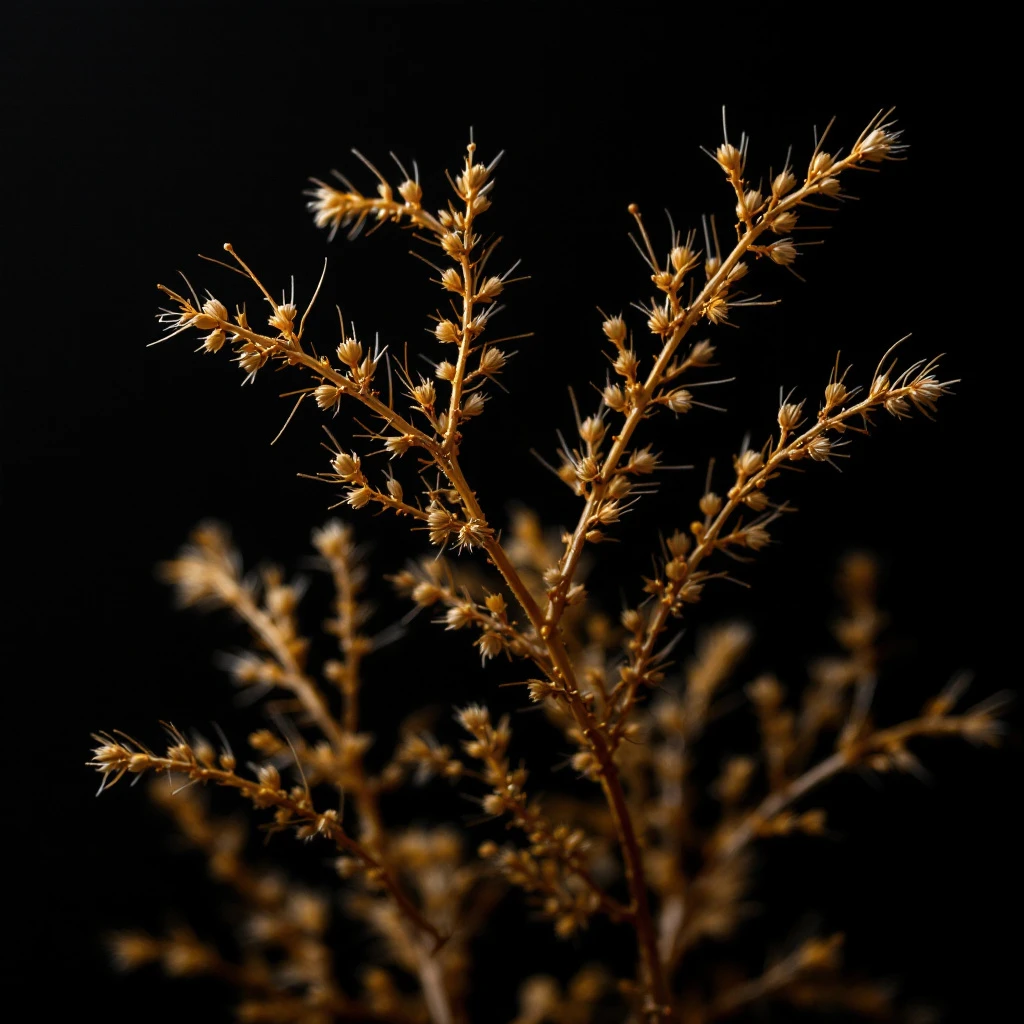
Character
How it smells
Fresh, green and quietly riverine.
Willow bark contains salicylic acid, the natural precursor to aspirin, discovered in the 19th century and first synthesized in 1897.




Origin
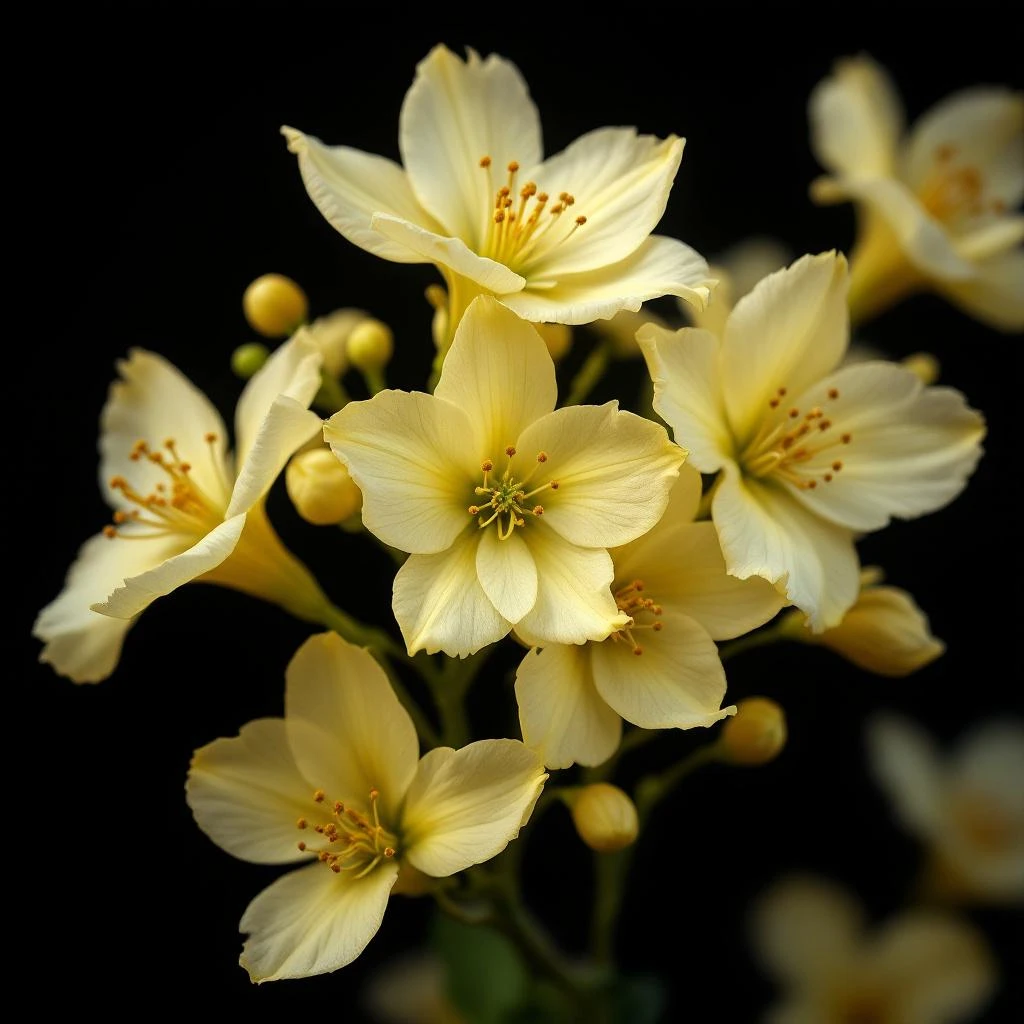
Europe
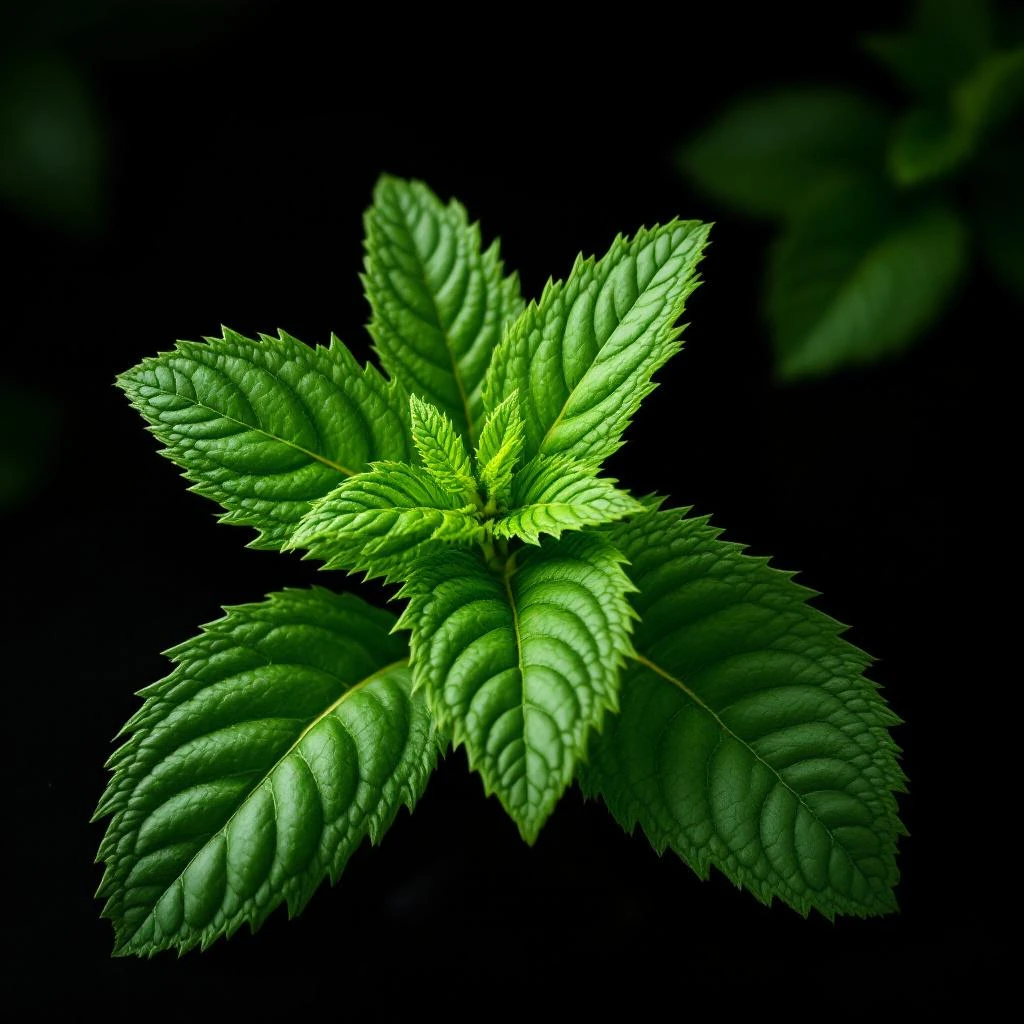
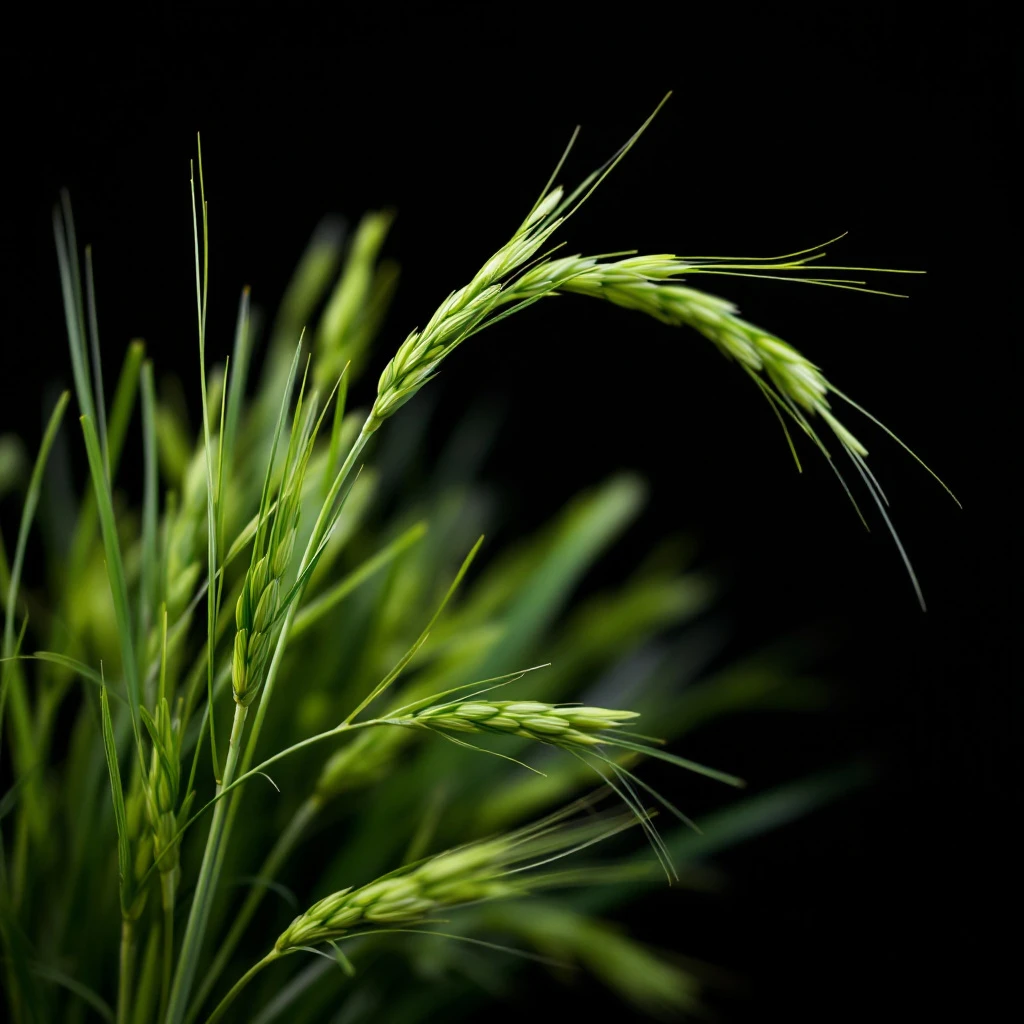
Willows have grown along waterways across Europe and Asia for millennia, their flexible branches prized by weavers and craftspeople. Ancient Egyptians documented willow in medicinal preparations, while Greek physicians Hippocrates and Dioscorides prescribed willow bark for pain and fever. In perfumery, osier emerged as a named note much later, as Western perfumers began exploring the full spectrum of green scents in the 20th century.
Riverbank imagery and natural waterscapes became popular themes in fragrance during this period. The note gained prominence through natural perfumers seeking alternatives to conventional green accords, establishing osier as a marker of botanical authenticity in fragrance composition.
Wears it best
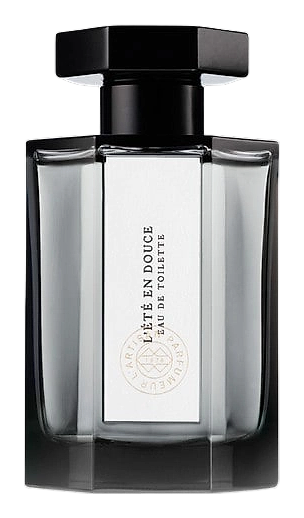
Fragrances featuring Osier
Brands
Brands known for Osier
Good to know
Questions, answered
The essentials on Osier in perfumery: how it smells, where it comes from, and how it behaves on skin.
What does osier smell like in perfume?
Osier captures the fresh, green scent of willow branches growing along waterways. Expect clean, watery green notes with subtle bitterness and a natural, slightly metallic clarity reminiscent of river air.
Is osier a natural or synthetic fragrance ingredient?
Both exist. Natural osier absolute comes from steam-distilled willow shoots, though it remains uncommon. Most modern osier notes are carefully reconstituted using green aromachemicals to achieve the same effect.
What fragrances feature osier as a prominent note?
Osier appears in botanical and green fragrances from houses like L'Artisan Parfumeur and Creed. It often surfaces in spring and summer collections as a fresh, naturalistic green element.
What blends well with osier in fragrance composition?
Osier pairs naturally with aquatic notes, white florals like lily of the valley, and light citruses. It also complements woodsy materials such as cedar and vetiver, creating fresh, naturalistic compositions.
Why is willow significant in perfumery history?
Willow's historical medicinal use dates to ancient Egypt and Greece, establishing a long human relationship with the plant. Perfumery adopted osier later, as modern perfumers expanded beyond traditional florals to explore green and botanical territories.
Does osier have any traditional uses beyond perfumery?
Osier willows have been cultivated for basket weaving for thousands of years, particularly in wetland regions of Europe. The flexible branches also served traditional medicine before synthetic aspirin replaced willow bark preparations.
What is the difference between osier and other green notes like galbanum?
Galbanum delivers sharp, bitter greens with resinous depth, while osier presents a softer, more aquatic freshness. Osier reads as natural and watery rather than sharp or pungent.
Are there alternatives to natural osier in fragrance?
Synthetic osier accords combine green aldehydes, ionones and aquatic aromatics to create a similar effect. These reproductions offer consistency and accessibility compared to natural extracts.