Oriental Blossoms
A perfumery accord capturing the lush, intoxicating floral signature of South and East Asian botanicals. Jasmine sambac, osmanthus, and ylang-ylang form this rich, opulent note central to Oriental and floral fragrance families.
Character
How it smells
The intoxicating floral soul of Asian perfumery traditions
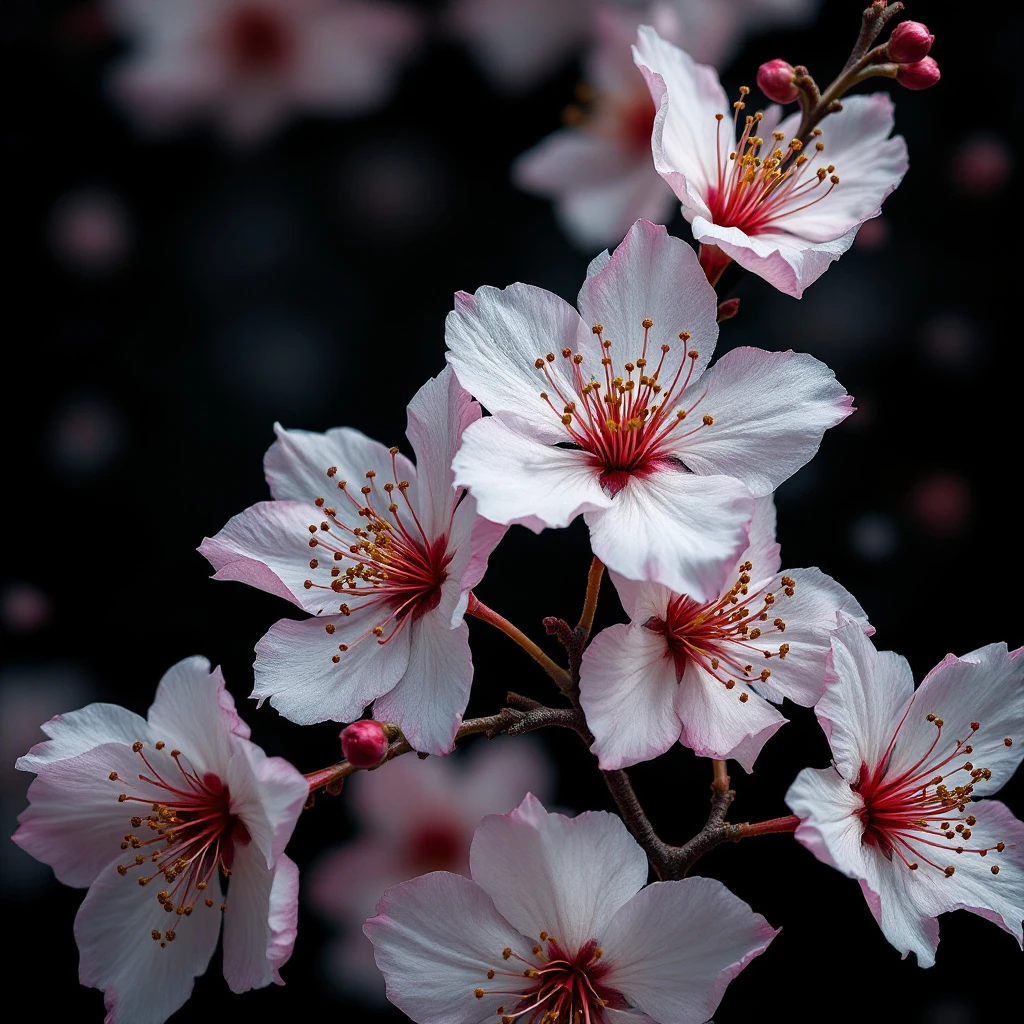
Osmanthus absolute requires approximately one million hand-picked blossoms to yield a single kilogram, making it among the rarest floral ingredients in perfumery.




Origin
India
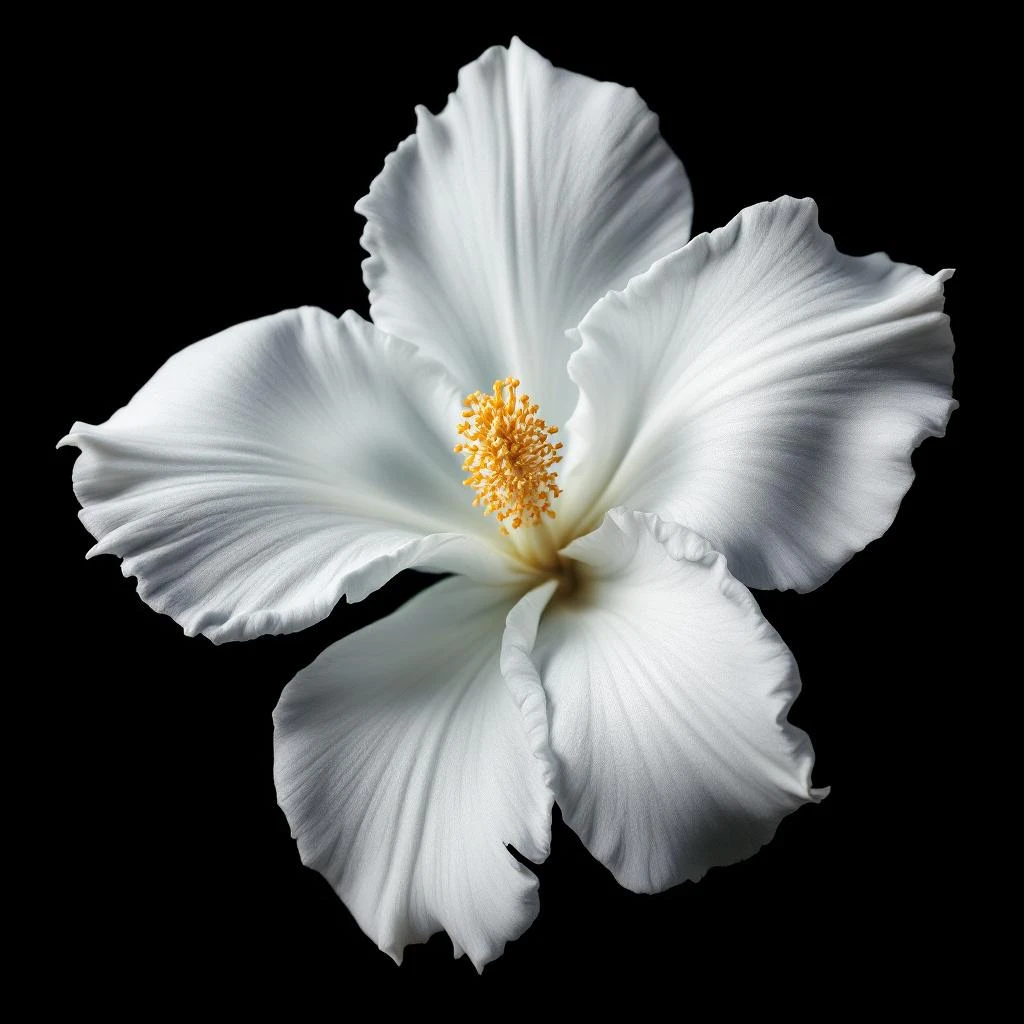
The story of Oriental blossoms in perfumery begins with jasmine. Native to the foothills of the Himalayas, jasmine sambac traveled ancient trade routes from India to Arabia, where Arab perfumers first transformed it into attars. By the twelfth century, jasmine had reached the Mediterranean. Ylang-ylang, native to the Philippines, followed colonial trade routes to Reunion, Comoros, and Madagascar, where it became a cornerstone of Grasse perfumery.
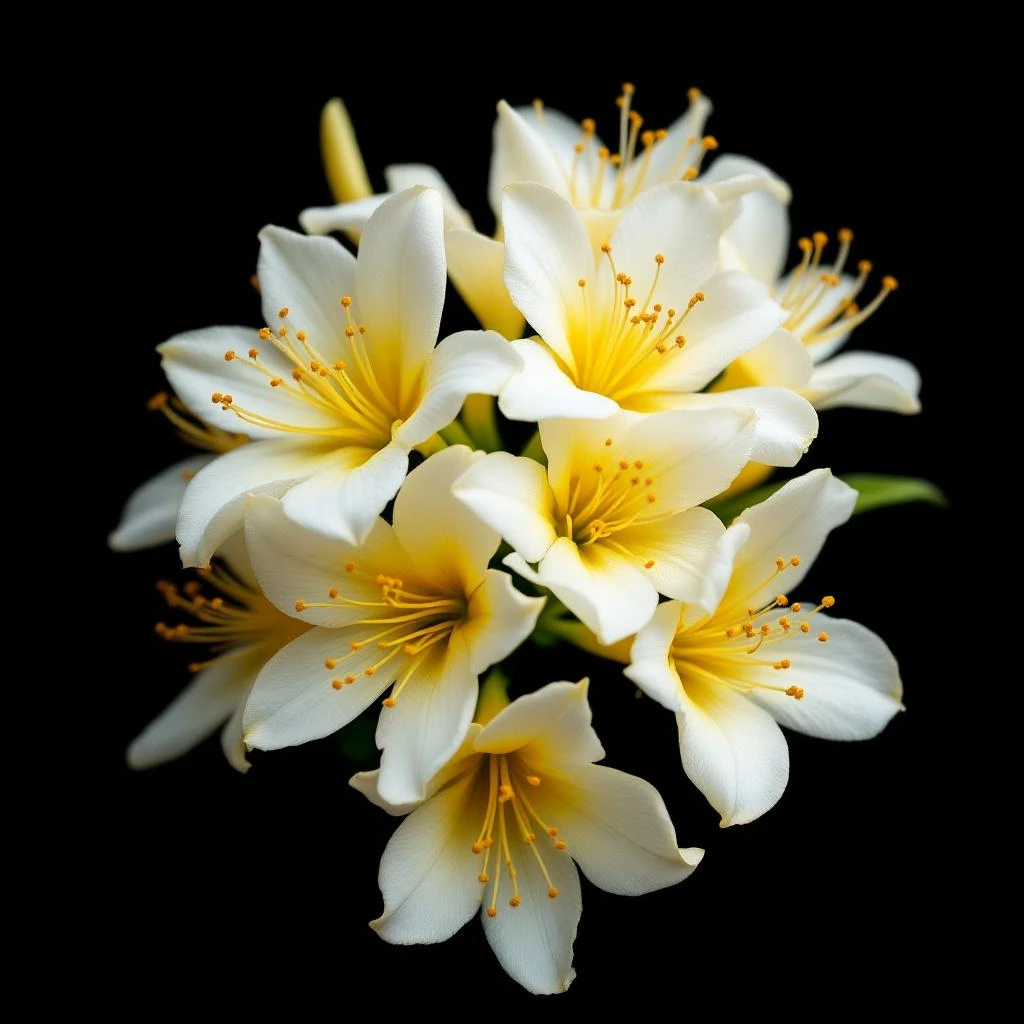
Osmanthus holds a special place in Chinese cultural history. Cultivated since the Tang Dynasty around 700 CE, it became synonymous with autumn in Chinese poetry and medicine. The tree was planted in imperial gardens, and its tiny flowers perfumed imperial courts. Osmanthus traveled eastward to Japan and Korea, weaving itself into East Asian cultural traditions.
The 19th century brought Western perfumers access to these materials through expanded colonial trade. Jasmine absolute, ylang-ylang, and osmanthus became building blocks of the modern Oriental fragrance family, shaping some of perfumery's most iconic creations.
Wears it best
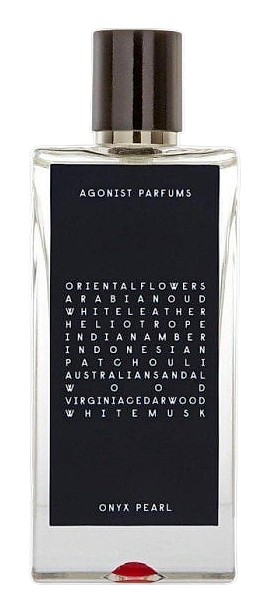
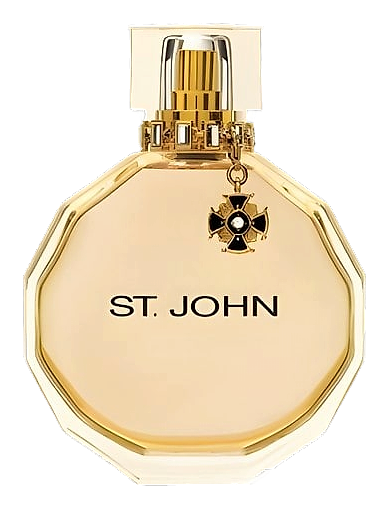
Fragrances featuring Oriental Blossoms
Good to know
Questions, answered
The essentials on Oriental Blossoms in perfumery: how it smells, where it comes from, and how it behaves on skin.
What are Oriental Blossoms in perfumery?
Oriental Blossoms describe a fragrance accord built from flowers native to South and East Asia, including jasmine sambac, osmanthus, and ylang-ylang. These ingredients share a rich, sweet, and slightly animalic character that defines the Oriental fragrance family.
Which flowers define the Oriental Blossom note?
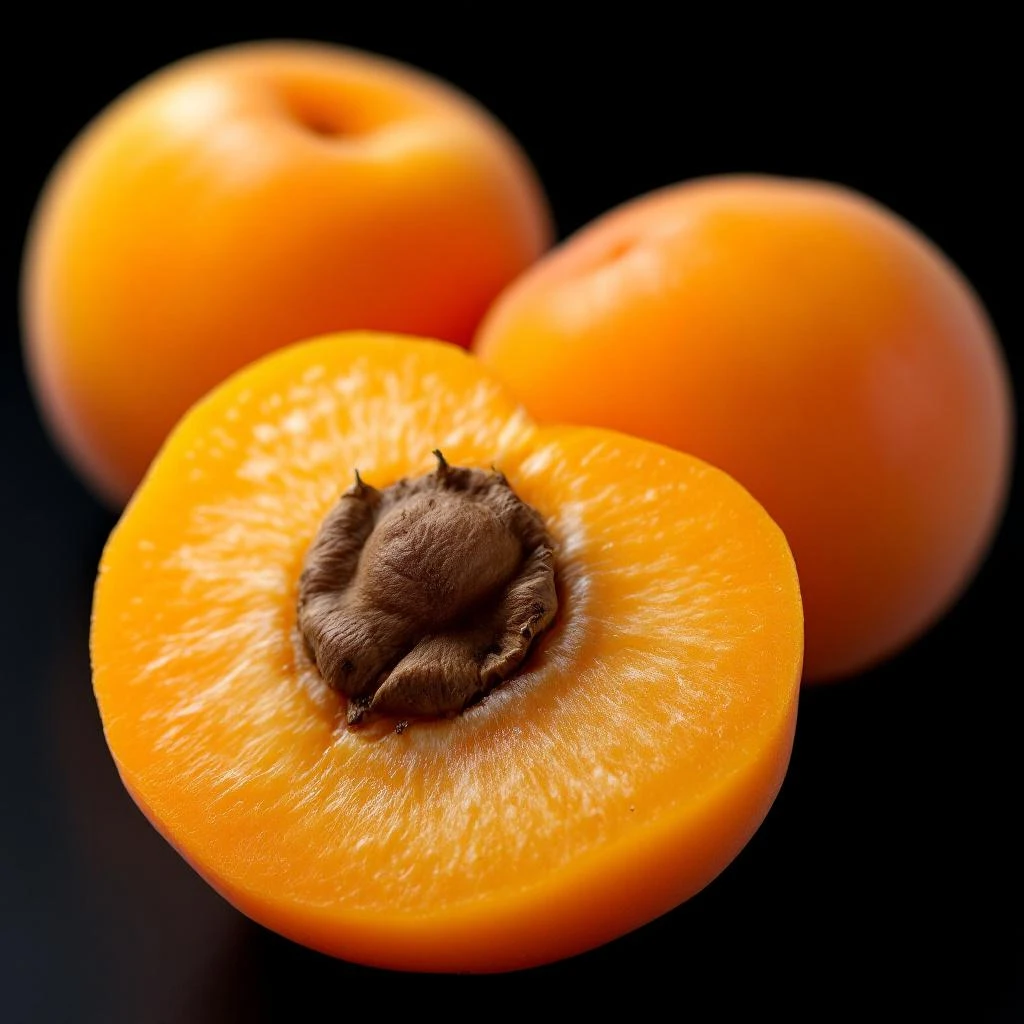
Jasmine sambac anchors the category with its warm, indolic sweetness. Osmanthus adds a unique apricot-tea nuance. Ylang-ylang contributes creamy, banana-like floral facets. Together they create the signature lush, opulent floral character.
What makes Oriental Blossoms different from other floral notes?
Oriental florals tend toward warmth, sweetness, and depth that European florals lack. Jasmine carries a characteristic indolic quality, osmanthus offers a unique fruity-tea complexity, and ylang-ylang brings a creamy sweetness that rounds compositions.
How is jasmine for Oriental Blossoms extracted?
Solvent extraction is the standard method for jasmine. Fresh blossoms are washed in food-grade hexane, which dissolves aromatic compounds without applying heat that would damage them. The hexane is recovered, leaving a concrete that yields absolute after ethanol washing.
Where does jasmine for perfumery originate?
India and China dominate jasmine cultivation for perfumery. The Grasse region of France historically grew jasmine, but India now produces the majority of the world's jasmine absolute, particularly from the Madurai and Coimbatore regions of Tamil Nadu.
What fragrances pair well with Oriental Blossoms?
Oriental Blossoms blend naturally with warm woods like sandalwood and agarwood, amber and benzoin resins, spices such as cardamom and saffron, and creamy musks. These pairings create the characteristic sillage and longevity of Oriental fragrance compositions.
Why is osmanthus considered rare in perfumery?
Osmanthus flowers are tiny, requiring roughly one million blossoms to produce a single kilogram of absolute. The flowers must be harvested by hand at dawn when their scent peaks, and they lose fragrance rapidly after picking. This combination makes osmanthus one of the most labor-intensive and costly floral ingredients.
What role did jasmine play in ancient perfumery?
Arab perfumers in the 9th and 10th centuries first captured jasmine's scent by infusing flowers in carrier oils, creating early attars. The Mughal courts of India further developed jasmine perfume traditions, using it in hair oils and ceremonial applications before the ingredient reached European perfumery through trade.