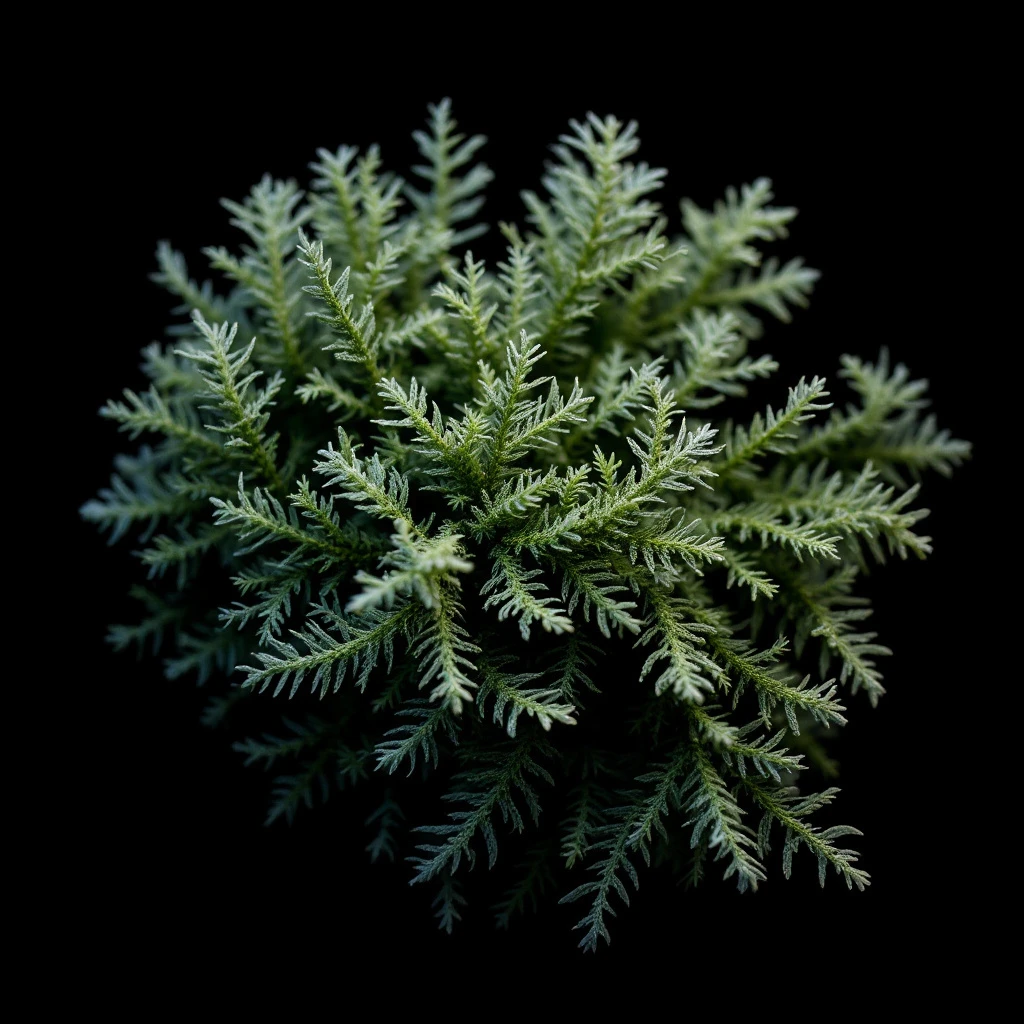
Oak Moss Resin
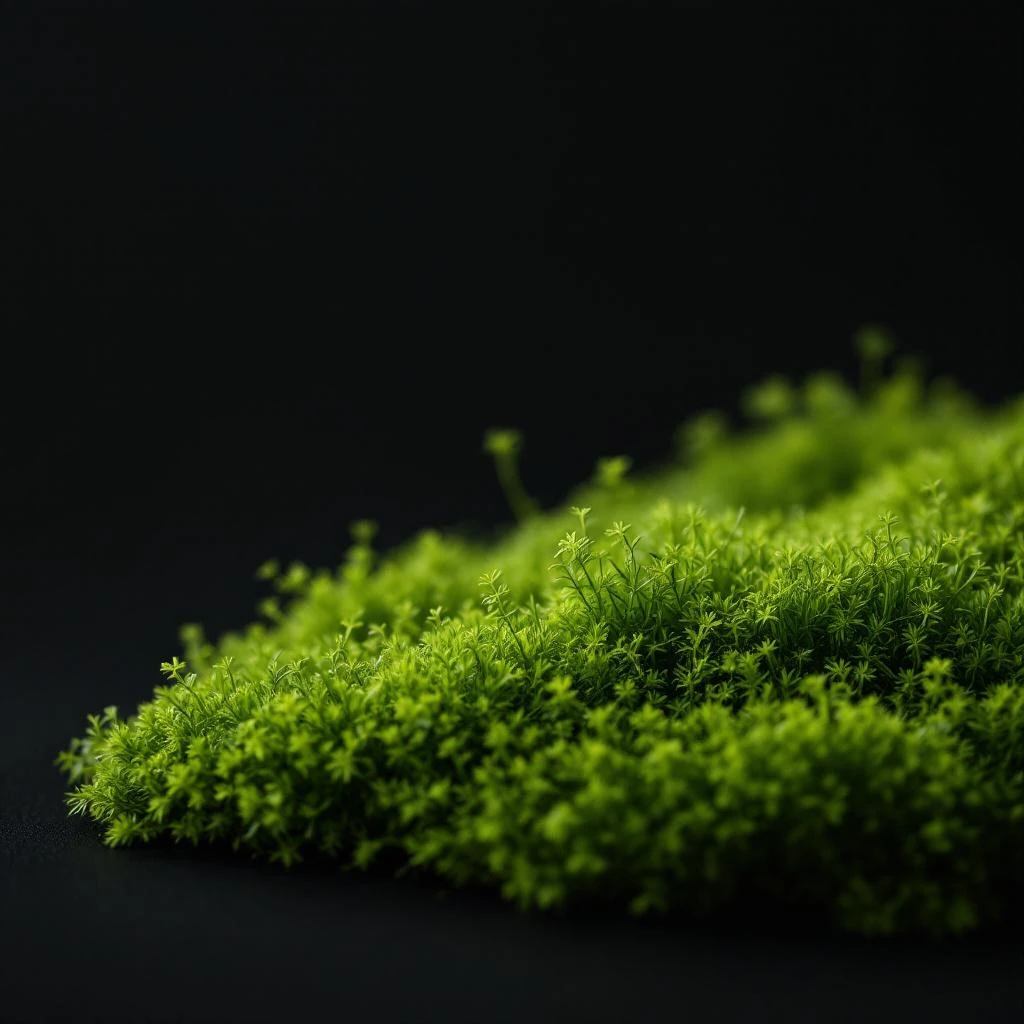
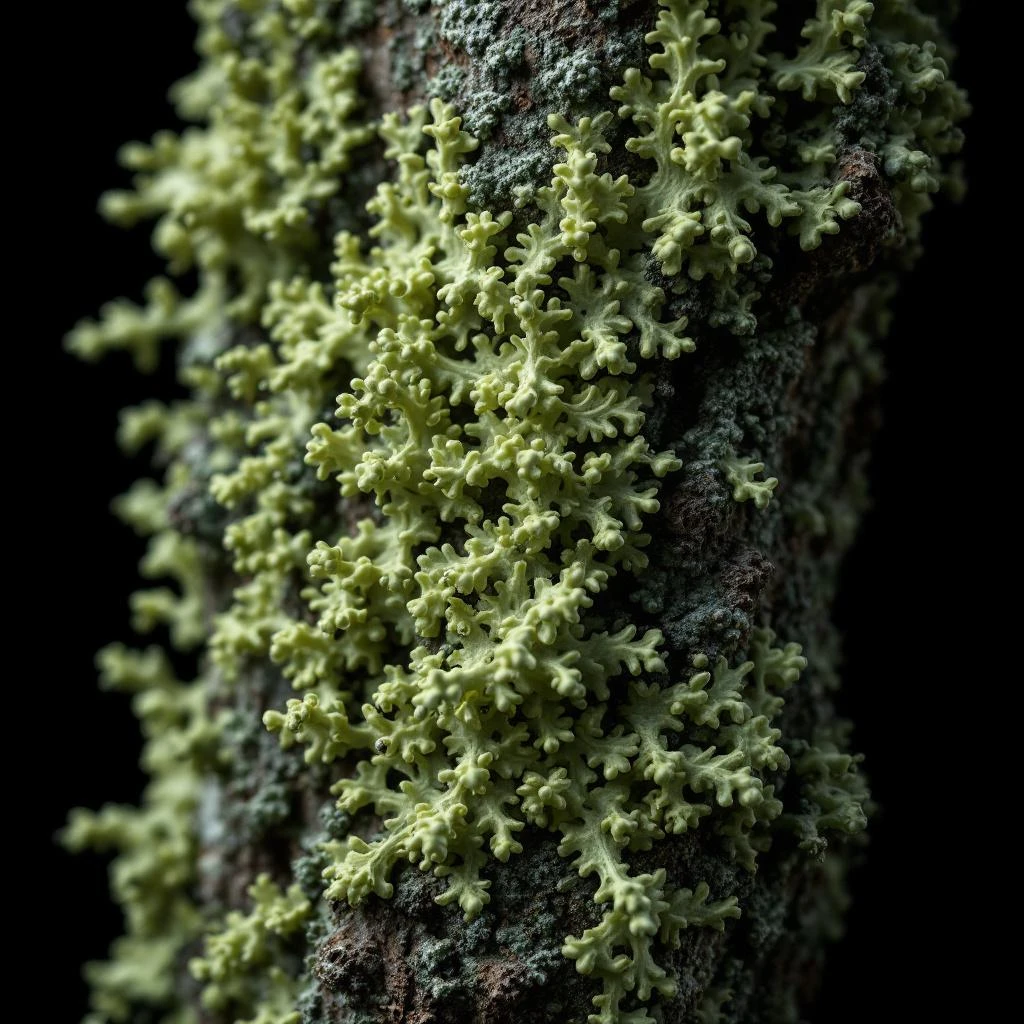
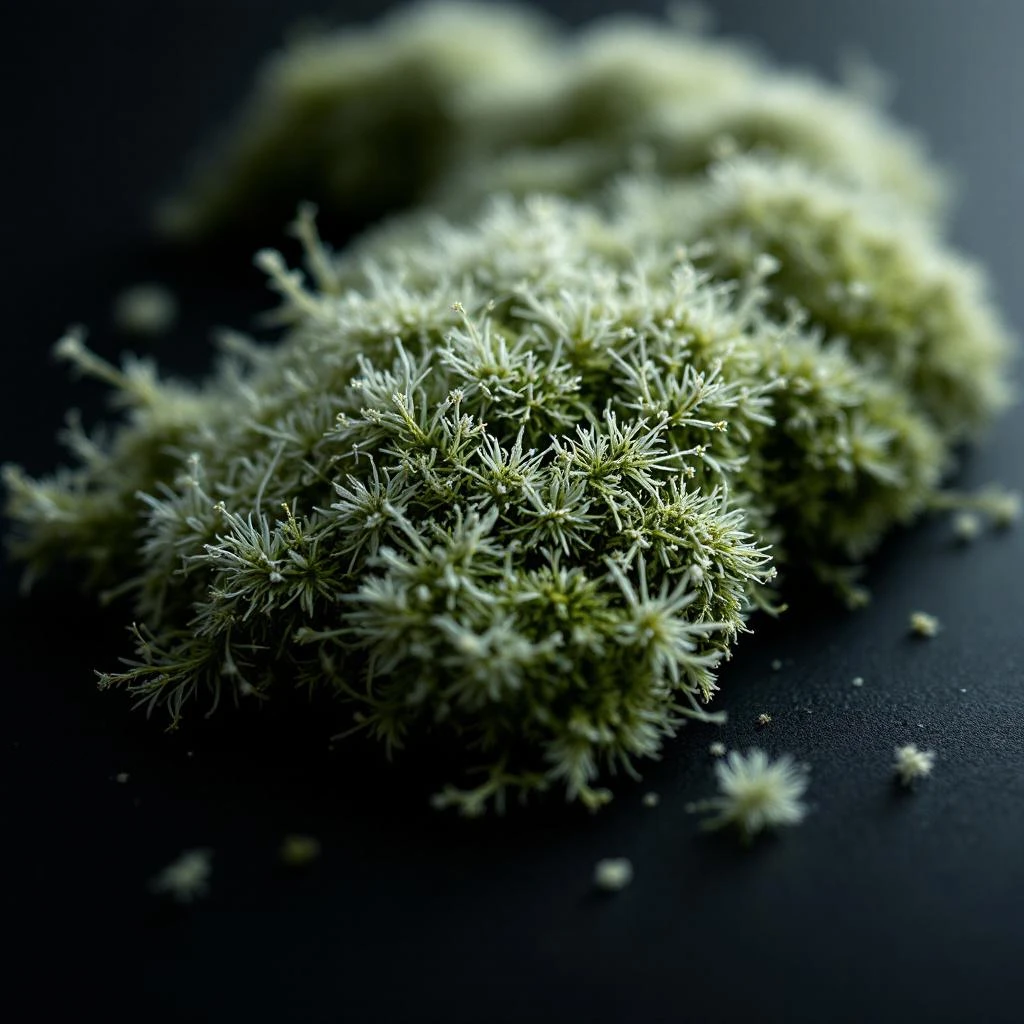
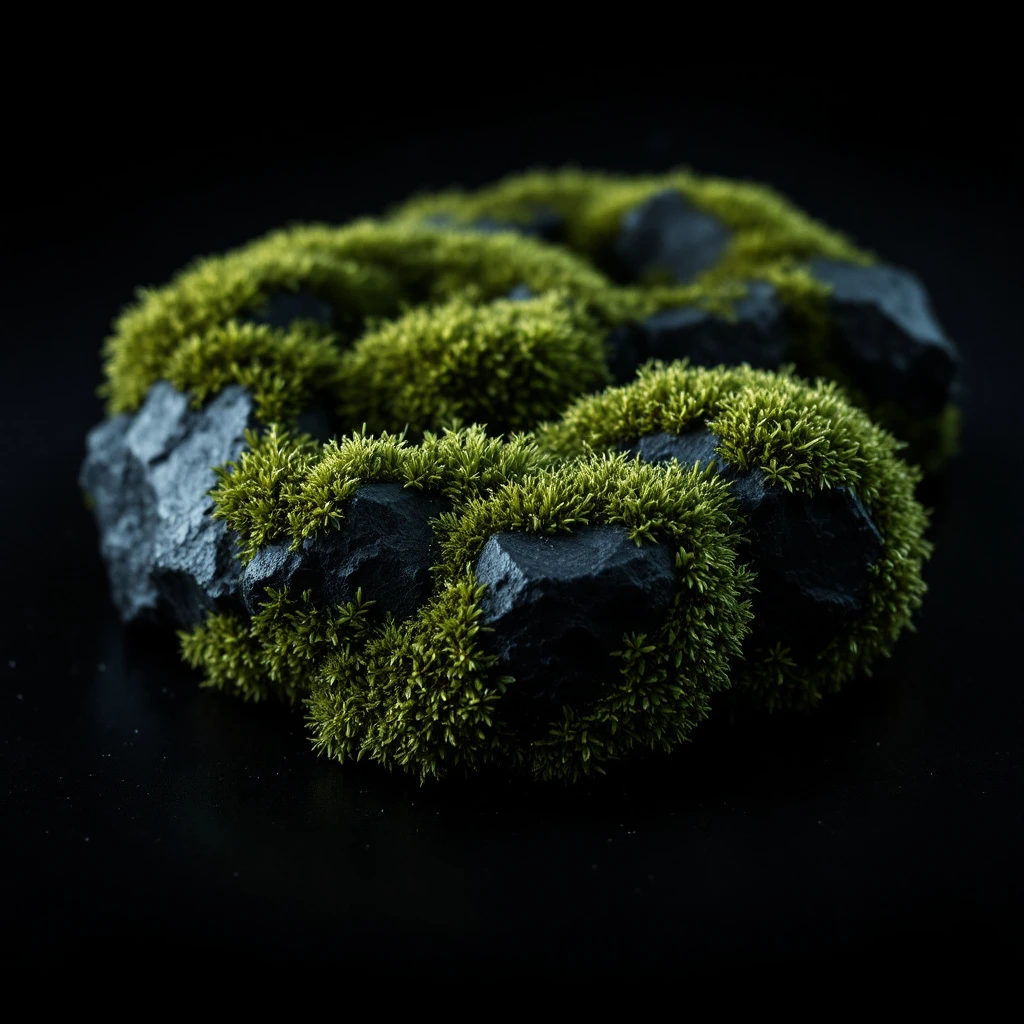
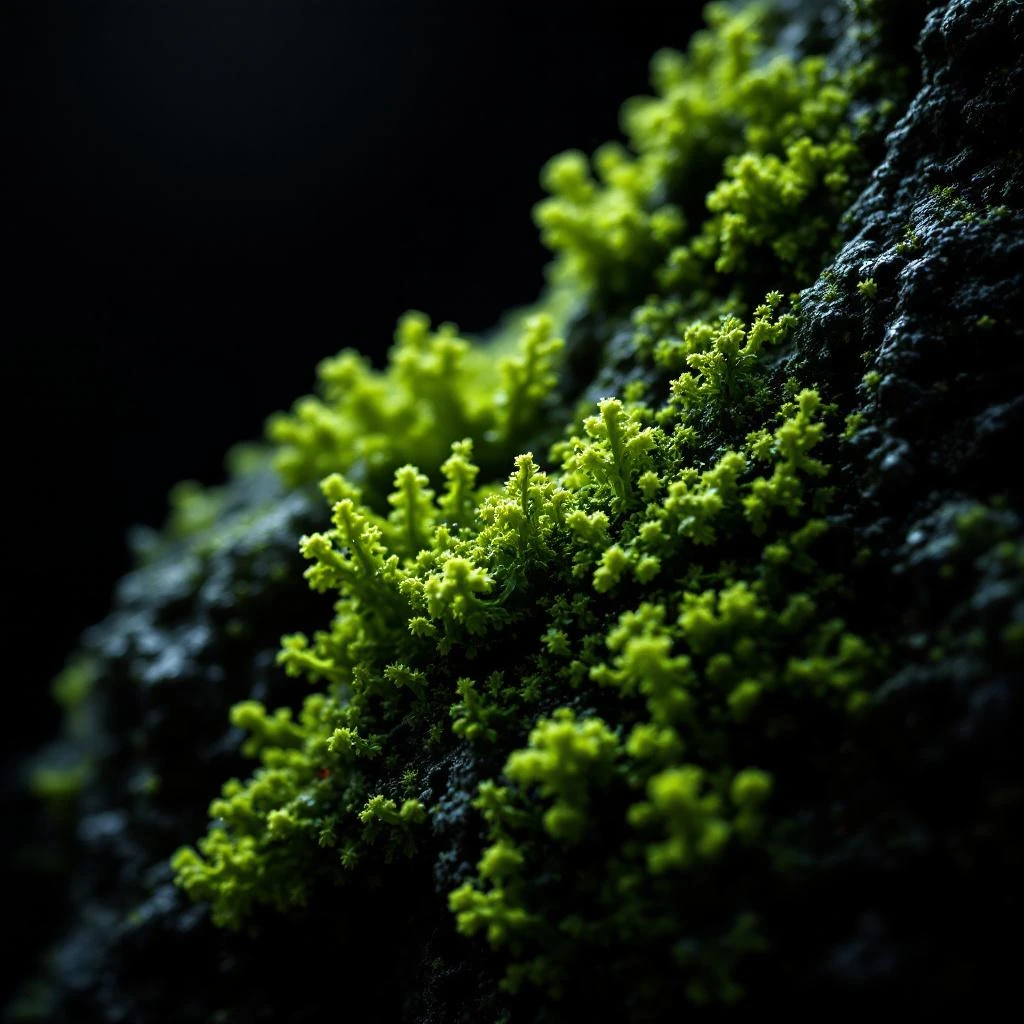
Oakmoss is not moss at all—it is a lichen that grows on oak bark, yielding one of perfumery's most complex and controversial ingredients, essential to the legendary chypre family.
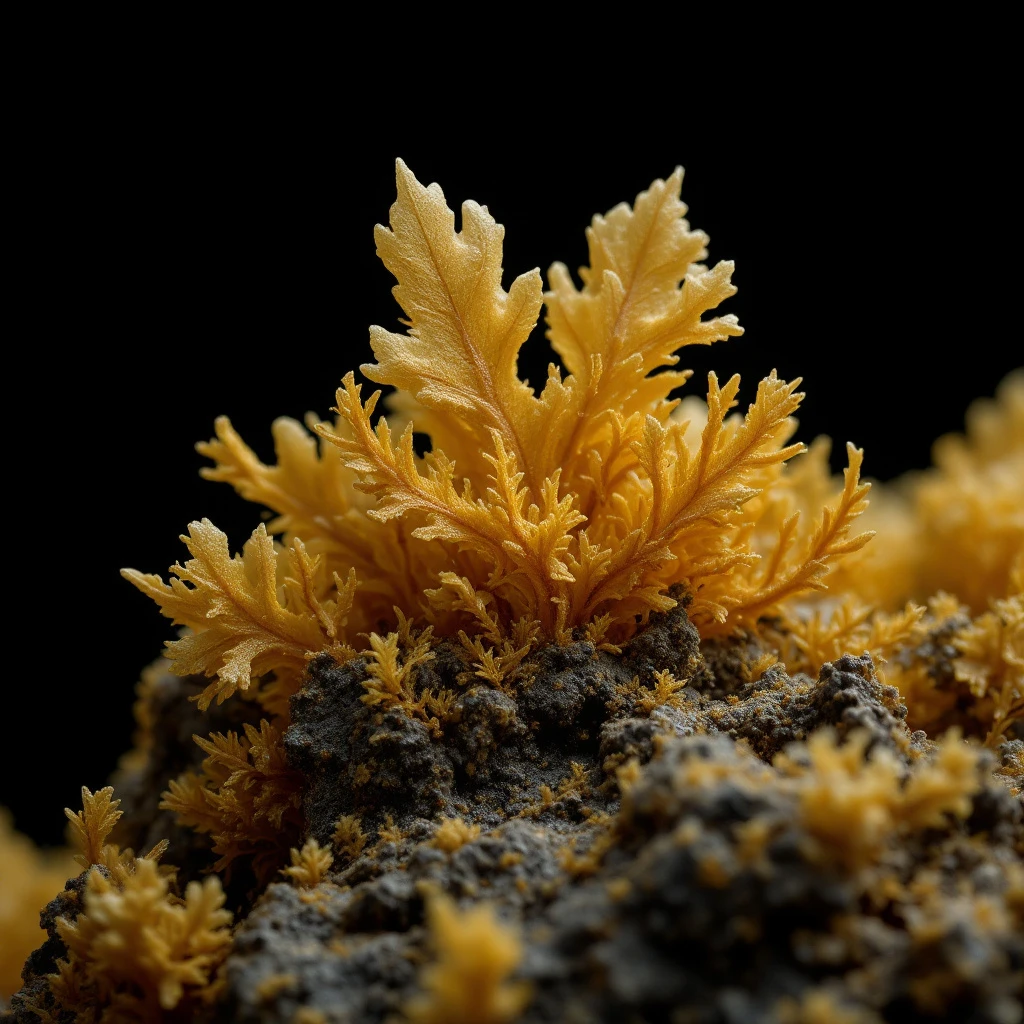
Character
How it smells
The lichen that defined an entire fragrance family.
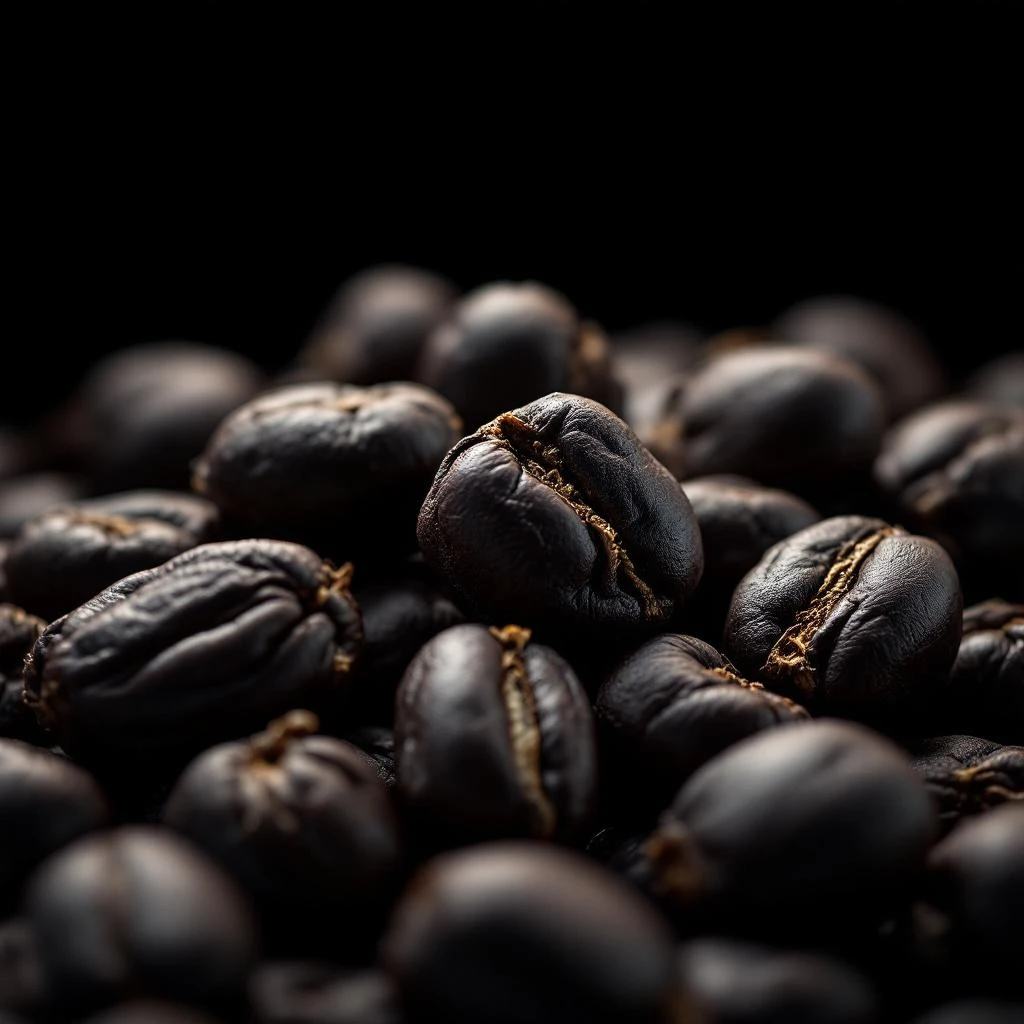
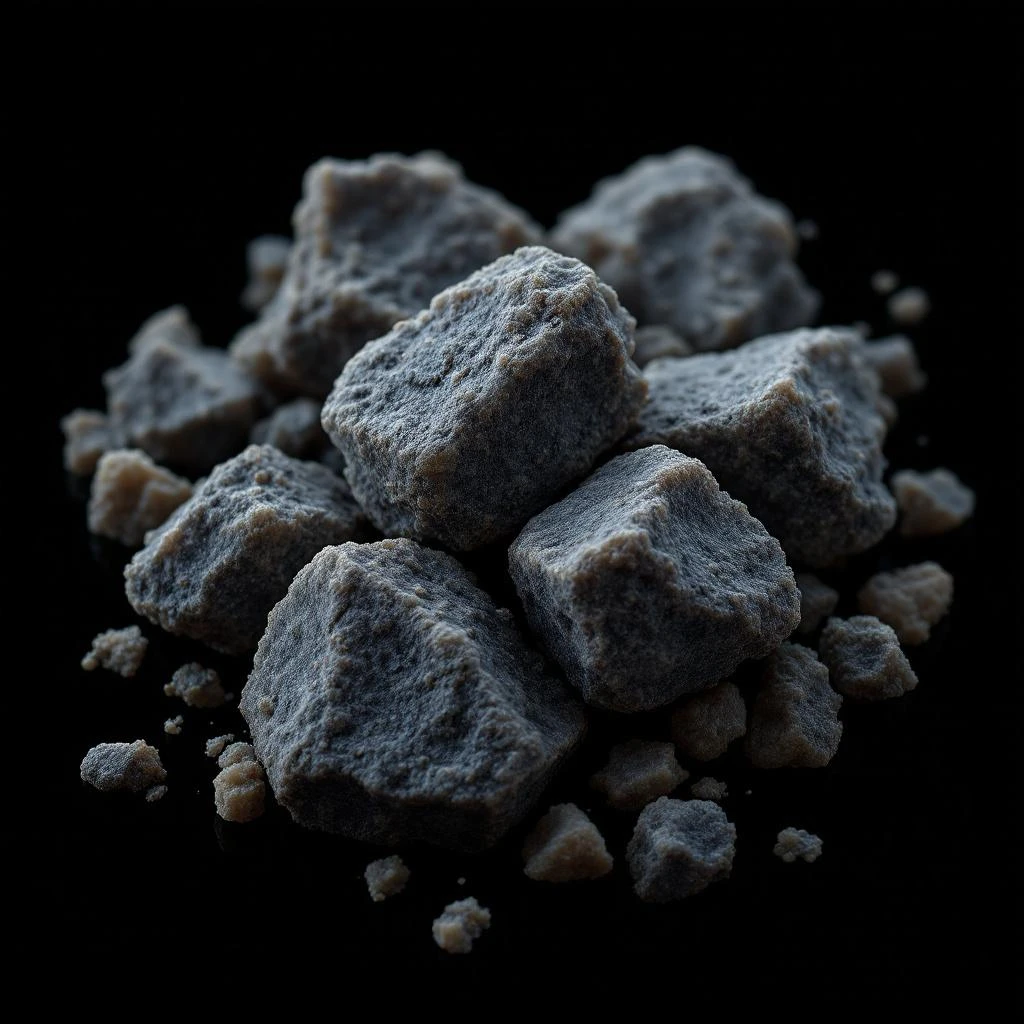
Despite its name, oakmoss is neither a moss nor exclusive to oak trees—it is actually a lichen, Evernia prunastri, that grows on various tree species.

Origin
France
Oakmoss has been used in perfumery since at least the early twentieth century, but it was François Coty's 1917 release of Chypre that catapulted the ingredient into the spotlight. The fragrance created an entirely new olfactory family, built on the contrast between oakmoss, labdanum, and bergamot. Before this landmark release, perfumers had used mossy notes sparingly, but Chypre demonstrated how oakmoss could serve as a structural anchor for sophisticated compositions.
The ingredient's earthy, forest-floor character brought depth and longevity that was previously difficult to achieve. Throughout the twentieth century, oakmoss became a staple of countless fragrances, from娇兰's Mitsouko to modern interpretations. Its restricted use after 2001 fundamentally altered how perfumers construct chypre-style fragrances, leading to creative workarounds and renewed interest in naturals reformulation.
Today, oakmoss remains a touchstone of perfumery history, representing both an era of unrestricted natural materials and the industry's evolving approach to ingredient safety.
Wears it best
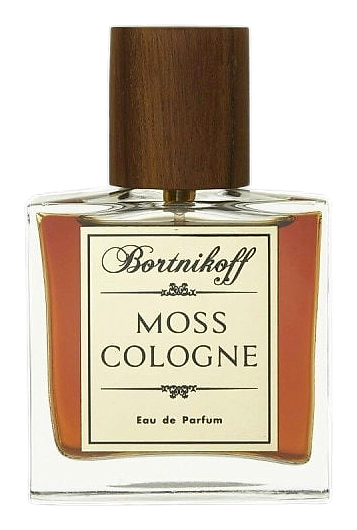
Fragrances featuring Oak Moss Resin
Brands
Brands known for Oak Moss Resin
Good to know
Questions, answered
The essentials on Oak Moss Resin in perfumery: how it smells, where it comes from, and how it behaves on skin.
What does oakmoss smell like?
Oakmoss has an intensely earthy, forest-floor aroma with damp wood and mushroom nuances. Its scent evolves on the skin, offering green, leathery, and slightly animalic facets that add remarkable depth to fragrance bases.
Why is oakmoss restricted in perfumery?
Oakmoss contains atranol and chloroatranol, compounds that can cause skin sensitization. IFRA guidelines now limit concentrations in consumer products, forcing perfumers to use lower dosages or seek alternatives.
Is oakmoss a moss or a lichen?
Oakmoss is technically a lichen, specifically Evernia prunastri, not a true moss. Lichens are symbiotic organisms combining fungi and algae, which explains why they grow on bark rather than soil.
Which fragrance families use oakmoss?
Oakmoss is the defining ingredient in chypre fragrances, alongside bergamot and labdanum. It also appears in fougère, woody, and aromatic compositions where its earthy depth provides a counterpoint to lighter notes.
Where does commercial oakmoss grow?
Evernia prunastri grows primarily on oak trees across France, Eastern Europe, and parts of North Africa. France remains the main source for high-quality extraction, with harvests occurring in specific forested regions.
What is the difference between oakmoss absolute and resinoid?
Oakmoss absolute comes from solvent extraction yielding a pourable concentrate, while oakmoss resinoid undergoes additional processing to produce a more viscous material. Both capture the lichen's aromatic profile with slight variations in character.
Can synthetic alternatives replace oakmoss?
Synthetic alternatives likeSynthetic Mousse de Chêne and various aromatic molecules attempt to mimic oakmoss's earthiness, but none fully replicate its complexity. Perfumers often combine several synthetics to approach the original effect.
How much oakmoss is used in modern fragrances?
Due to IFRA restrictions, oakmoss concentrations in commercial perfumes typically range from 0.01% to 0.1% depending on the product type. Women's fragrances generally allow higher limits than other categories.